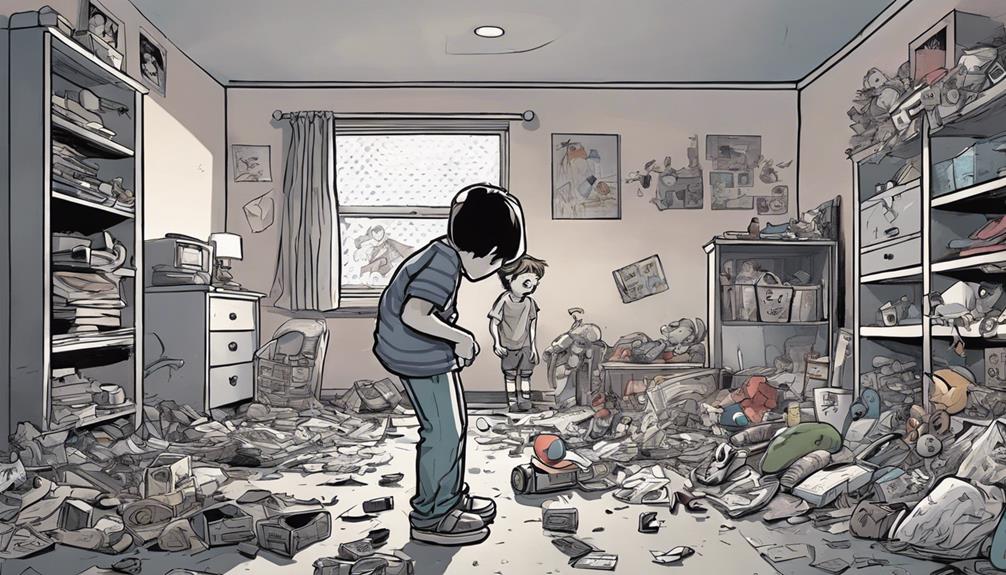
To help your kids navigate friendships and conflicts, teach them to communicate clearly, listen actively, and stay calm during disagreements. Encourage open conversations about feelings and situations, and guide them to resolve issues with problem-solving and respect. Role-playing social scenarios can build confidence, while fostering patience and understanding. If you keep exploring these strategies, you’ll find valuable ways to support your child’s social growth and help them handle conflicts effectively.
Key Takeaways
- Teach children to recognize and address bullying, encouraging open communication with trusted adults.
- Promote active listening and respectful dialogue to resolve misunderstandings and conflicts.
- Reinforce the importance of kindness, empathy, and mutual respect in friendships.
- Use role-playing to practice polite communication and conflict resolution strategies.
- Support social-emotional skills development to build confidence and effective conflict management.

Managing friendships can be challenging for kids, especially when conflicts arise. As a parent or caregiver, you play a crucial role in helping your child develop skills to handle these situations effectively. One of the most important aspects of managing friendships is teaching your child about bullying prevention. When they understand what constitutes bullying and how to recognize it, they become better equipped to stand up for themselves and others. Encourage open conversations so your child feels comfortable sharing their experiences and concerns. Reinforce that bullying is never acceptable and that they should seek help from trusted adults if they’re targeted or witness bullying happening to someone else. By actively promoting bullying prevention, you empower your child to foster safer and more respectful friendships.
Alongside bullying prevention, honing communication skills is essential for your child’s social development. Kids need to learn how to express themselves clearly and listen attentively to others. Practice role-playing scenarios with your child, where they can rehearse saying how they feel and asking questions to understand their friends better. Emphasize the importance of using kind words and maintaining eye contact, which helps build trust and mutual respect. When conflicts occur, teach your child to stay calm and approach the situation with a problem-solving attitude. Good communication skills enable them to clarify misunderstandings, apologize when necessary, and work towards resolving disagreements peacefully. If your child struggles with expressing themselves, offer gentle guidance and patience, reinforcing that it’s okay to ask for help when needed. Moreover, understanding effective communication strategies can greatly improve their ability to navigate social situations successfully.

52 Essential Social Situations – Social Skills Activities for Kids (3-6th Grade) – Social Emotional Learning & Growth Mindset for Family, Classroom, Counseling – Conversation Card Games for Kids 8-12
Winner, Brain Child Award: Teach social skills and communication; help kids and tweens understand expectations, social blunders, manage…
As an affiliate, we earn on qualifying purchases.
As an affiliate, we earn on qualifying purchases.
Frequently Asked Questions
How Can Parents Recognize Hidden Signs of Friendship Issues?
You can recognize hidden signs of friendship issues by paying attention to changes in your child’s behavior, like withdrawal or mood swings. Watch for signs of bullying, such as avoiding social media or reluctance to share about friends. If they seem anxious or upset about school or social situations, it might indicate underlying problems. Stay engaged, ask open-ended questions, and encourage honest conversations to uncover any hidden friendship struggles.
What Are Effective Ways to Teach Kids Empathy During Conflicts?
You can teach kids empathy during conflicts by role modeling compassionate behavior and emphasizing emotional literacy. Show them how to put themselves in others’ shoes, making it feel like they’re stepping into a whole new world of feelings. Use real-life examples and gentle guidance to help them recognize emotions, respond kindly, and understand that empathy isn’t just words—it’s a superpower that can turn conflicts into connections.
How Do Cultural Differences Impact Children’s Friendships?
Cultural differences greatly impact children’s friendships by shaping their perspectives and behaviors. You can foster cultural awareness and diversity understanding by encouraging kids to ask questions and share their traditions. When children learn about different backgrounds, they develop empathy and respect, making friendships stronger. Promote open conversations about customs and values, helping kids appreciate diversity and build inclusive, meaningful relationships across cultural boundaries.
When Should Parents Seek Professional Help for Friendship Problems?
You should seek professional help when you notice warning signs like your child becoming increasingly withdrawn, showing signs of depression, or struggling to form or maintain friendships despite your efforts. Early intervention is key, so don’t wait if issues persist or worsen. A counselor or therapist can provide strategies to improve social skills and address underlying problems, helping your child build healthier relationships and boosting their confidence.
How Can Schools Support Kids Struggling With Peer Conflicts?
Schools can support kids struggling with peer conflicts by implementing peer mediation programs and teaching social skills. You can encourage students to resolve disagreements calmly through trained mediators, helping them develop conflict resolution strategies. Additionally, promoting social skills like empathy, active listening, and cooperation enables children to navigate peer relationships more effectively. These approaches foster a positive school environment where kids learn to handle conflicts constructively and build healthier friendships.

Help Your Dragon Resolve Conflict: A Children's Story About Conflict Resolution (My Dragon Books)
As an affiliate, we earn on qualifying purchases.
As an affiliate, we earn on qualifying purchases.
Conclusion
Understanding how to help kids navigate friendships and conflict is vital for their social growth. Remember, 85% of children report that having good friends makes them happier and more confident. By teaching empathy and conflict resolution skills, you empower your child to build meaningful relationships and handle disagreements calmly. Your guidance lays the foundation for their emotional resilience, helping them thrive socially and emotionally now and in the future.

American Educational Vinyl Clever Catch Bullying/Anger Management Ball, 24" Diameter
It provides an excellent way for students to challenge themselves while learning
As an affiliate, we earn on qualifying purchases.
As an affiliate, we earn on qualifying purchases.

Endless Games The Original The Floor is Lava! Game by Endless Games – Interactive Game For Kids And Adults – Promotes Physical Activity – Indoor And Outdoor Safe
ENDLESS GAMES PRESENTS: The Floor is Lava! is a family board game that promotes physical activity, an active…
As an affiliate, we earn on qualifying purchases.
As an affiliate, we earn on qualifying purchases.