To design unique paper mache masks, start with cultural inspiration by researching traditional styles and symbolism. Use vibrant paints, beads, feathers, and textured materials to personalize your mask, blending creativity with respect for cultural meanings. Experiment with different tools like brushes, sponges, and your fingers to add detail and depth. Combining these techniques allows you to craft a meaningful, eye-catching piece that reflects your style and appreciation for tradition—continue to explore for more ideas and techniques.
Key Takeaways
- Incorporate cultural symbols and motifs to add meaning and uniqueness to your paper mache mask design.
- Use diverse decoration techniques like painting, adding feathers, beads, or textured materials for personalization.
- Select colors and patterns that reflect cultural significance or your artistic vision to enhance visual impact.
- Experiment with tools such as brushes, sponges, and fingers to create intricate details and textured effects.
- Respect cultural traditions by researching their symbolism to create authentic, meaningful, and culturally sensitive masks.
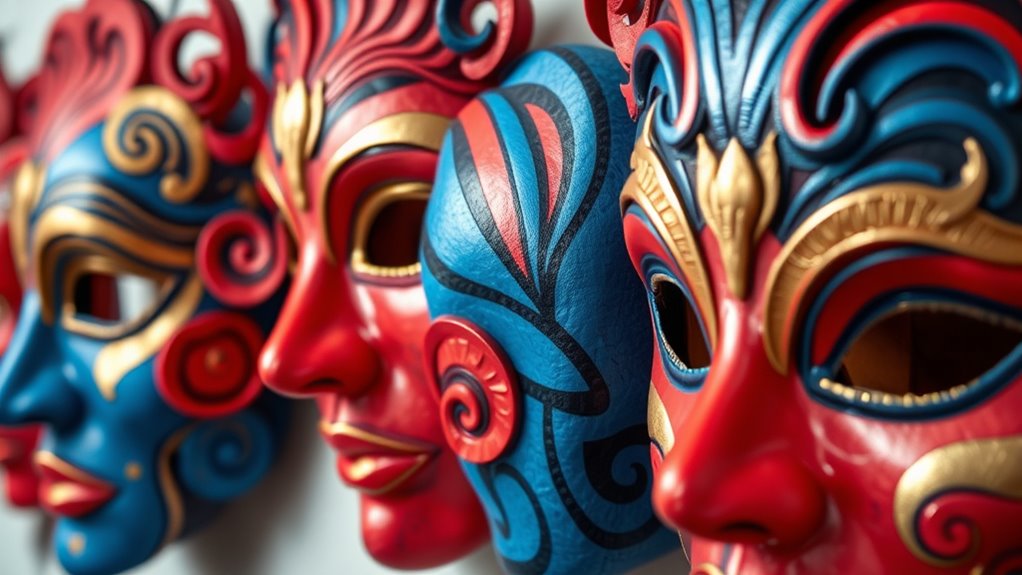
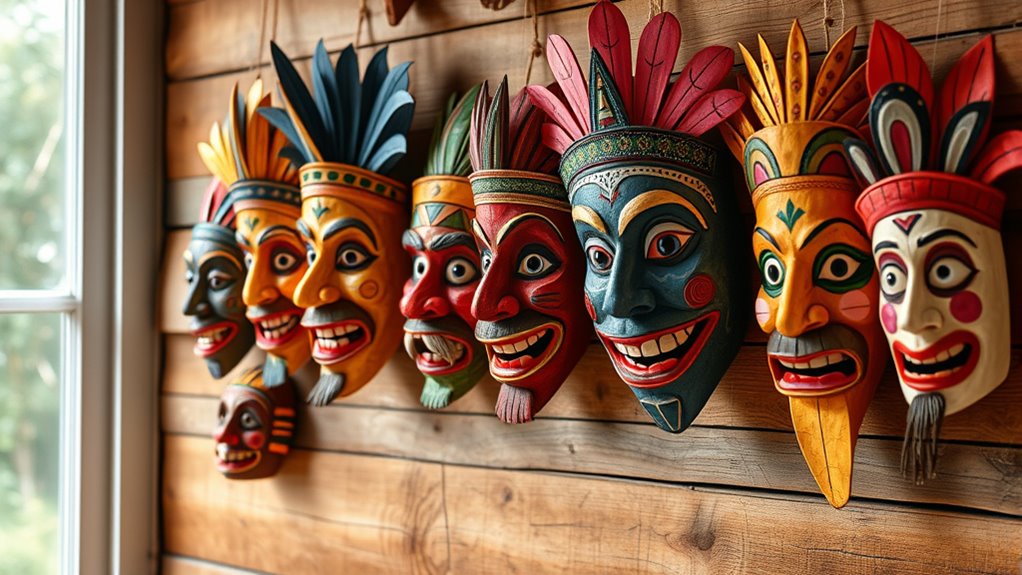
Paper mache masks are a fun and versatile craft that anyone can enjoy. They allow you to express creativity while exploring different cultural traditions and artistic styles. When you start creating your mask, it’s helpful to understand the cultural significance behind various designs. Many cultures around the world use masks in ceremonies, festivals, and rituals to symbolize spirits, ancestors, or mythological beings. For example, in African cultures, masks often represent spirits and are used in storytelling or rites of passage. In Mexico, Día de los Muertos masks honor loved ones and celebrate life and death. Recognizing these cultural meanings can inspire your design choices and deepen your appreciation for the art form. When it comes to mask decoration techniques, you have endless options to personalize your creation. You might choose to paint intricate patterns, add feathers, beads, or fabric, or incorporate natural materials like leaves or shells. Using vibrant colors and bold designs can make your mask stand out, while more subdued tones can evoke a sense of mystery or reverence. You should consider blending different techniques—such as layering paint for shading or using textured materials for a three-dimensional effect—to add depth and detail to your mask. Think about the story or character you want your mask to portray, and select decoration techniques that enhance that narrative. For instance, a fierce warrior mask might feature sharp lines, metallic paints, and textured elements to evoke strength, while a whimsical or comedic mask might be brightly colored with playful patterns and exaggerated features. As you work on decorating your mask, don’t be afraid to experiment with different tools and materials. Use brushes of varying sizes for detailed designs, sponges for blending colors, or even your fingers to create textured effects. Incorporating metallic paints or glitter can add a touch of sparkle and glamour, making your mask more eye-catching. Remember, the key to successful mask decoration is to balance creativity with cultural sensitivity if you’re inspired by a particular tradition. Doing a little research beforehand can help you respect the symbolism and significance behind the designs. Additionally, understanding the cultural significance behind different mask styles can help you create a more authentic and respectful piece. Ultimately, your goal is to craft a mask that reflects your personality and artistic vision, whether it’s for a costume, display, or cultural celebration. By understanding the cultural significance and exploring diverse mask decoration techniques, you can create a unique, meaningful piece that captures both your style and the rich history behind mask-making.

CALPALMY 14 Pack Paper Mache Masks – 2 Sizes for Artistic Projects, Theater, Halloween, Masquerade Parties, Classroom Art
HIGH-QUALITY 14-PACK PAPER MACHE MASKS – Each blank paper mask the perfect paper mache texture with added structural…
As an affiliate, we earn on qualifying purchases.
As an affiliate, we earn on qualifying purchases.
Frequently Asked Questions
What Are Some Eco-Friendly Materials for Paper Mache Masks?
To make eco-friendly paper mache masks, you can use biodegradable alternatives like recycled paper, newspaper, or cardboard. Natural fiber options such as jute, hemp, or cotton also work well, providing strength and sustainability. By choosing these materials, you reduce environmental impact while creating unique, durable masks. Just dip your chosen biodegradable or natural fiber supplies in a homemade paste of flour and water, and start crafting your eco-conscious masterpiece!
How Can I Make Paper Mache Masks Waterproof?
Think of your mask as a fragile vessel, protected by a waterproof coating like a shield of resilience. To guarantee durability, apply sealing techniques such as a clear acrylic spray or varnish after your mask dries. These act as a barrier, repelling water and moisture, keeping your creation intact. Regularly reapply these coatings for added protection, transforming your mask from delicate to enduring, much like a timeless symbol of craftsmanship.
What Safety Precautions Should I Take During Mask Creation?
You should wear personal protective equipment like gloves, masks, and goggles to avoid irritants from glue or paint. Make sure your workspace is well-ventilated and free of clutter to prevent accidents. Keep tools safely stored when not in use, and wash your hands thoroughly afterward. Always follow safety instructions on materials, and take breaks to avoid fatigue. Prioritizing workspace safety and using protective gear keeps you safe during mask creation.
How Long Does It Take for a Paper Mache Mask to Dry Completely?
Like a hero’s journey, the drying time for your paper mache mask varies, but typically it takes 24 to 72 hours. During this curing process, patience is key—allow the layers to dry thoroughly to avoid cracks or warping. You can speed up drying by placing the mask in a warm, well-ventilated area. Rushing the process risks compromising your masterpiece, so give it the time it needs to fully set.
Can Paper Mache Masks Be Customized for Different Themes or Events?
Yes, you can definitely customize paper mache masks for different themes or events. You can incorporate themed designs and add event-specific decorations like colors, patterns, and accessories to match your celebration. Use paints, feathers, glitter, or fabric to personalize your mask, making it unique for occasions like Halloween, festivals, or parties. This flexibility allows you to create masks that perfectly fit the vibe and style of any event.

1500 Pcs Premium Colorful Feathers Bulk – 15 Assorted Colors (100/Pack) –Feathers for crating, Natural Soft Craft Feathers for DIY Dreamcatchers, Wedding Centerpieces, Masquerade Masks, Party Decor
THE ULTIMATE 1500-PIECE CREATOR’S BUNDLE: Stop running out of supplies mid-project. Our massive bulk kit delivers 15 individual…
As an affiliate, we earn on qualifying purchases.
As an affiliate, we earn on qualifying purchases.
Conclusion
So, after all this, you might think that creating paper mache masks is just a simple craft. But don’t be fooled—what starts as a plain mask quickly transforms into a wild, colorful masterpiece. Ironically, what looks fragile and easy to make is actually a affirmation to your patience and creativity. In the end, your “simple” mask becomes a bold statement, proving that even the most delicate-looking art can carry a fierce, unforgettable personality.
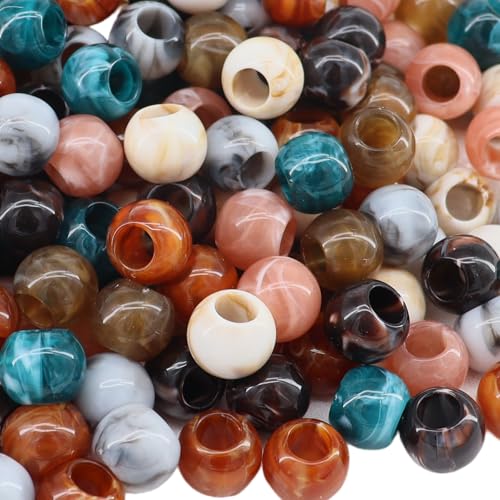
350pcs 12mm Acrylic Mix Color Large Hole Beads for Craft Hair Macrame DIY Project Pop Beads Imitation of Stone Texture(Hole:5.5mm)
Generous Quantity: This set includes 350 pieces of 12mm*10mm acrylic beads with 5.5mm hole, providing an abundant supply…
As an affiliate, we earn on qualifying purchases.
As an affiliate, we earn on qualifying purchases.

Creative Watercolor and Mixed Media: A Step-by-Step Guide to Achieving Stunning Effects–Play with Gouache, Metallic Paints, Masking Fluid, Alcohol, and More! (Art for Modern Makers)
As an affiliate, we earn on qualifying purchases.
As an affiliate, we earn on qualifying purchases.