
TL;DR

Turn the school run and nap time into listening time
- Thousands of audiobooks, podcasts and originals
- Listen on your phone, tablet or Echo — also offline
- Cancel anytime
Mattel reported third-quarter net sales of $1.81 billion, up 4% year over year, with gains in vehicles, games and action figures. Hot Wheels and partner brands, including KPop Demon Hunters, supported results, while Barbie continued to decline and infant, toddler and preschool billings fell 16%.
Mattel’s third-quarter net sales rose 4% to $1.81 billion, as growth in Hot Wheels, games and action figures helped offset continued declines in Barbie and a steep drop in infant, toddler and preschool products. The results, reported by The Toy Book, came as Roger Lynch began serving as chairman and CEO and the company revised its 2026 financial outlook.
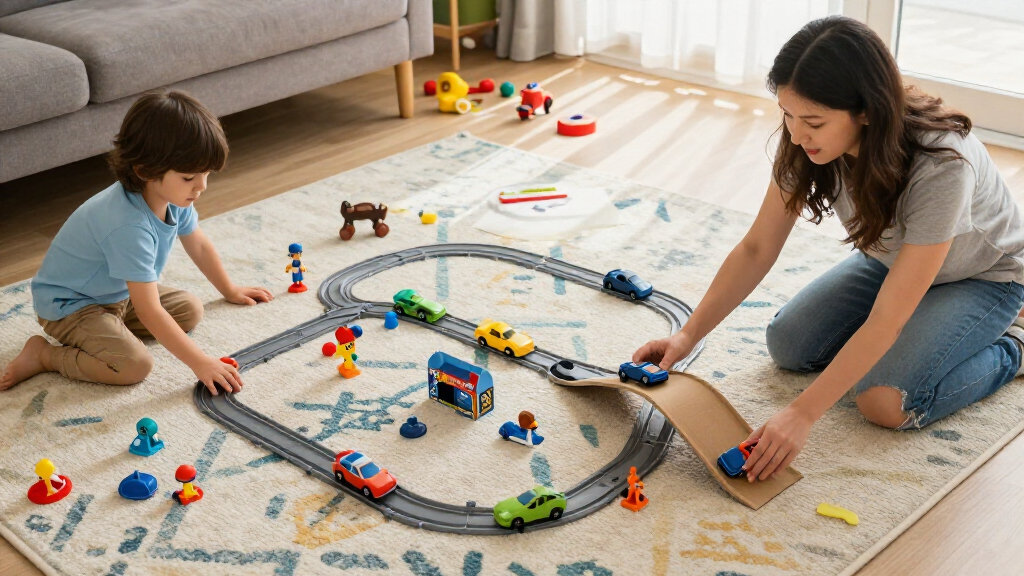
Mattel said sales increased in both regions: North America rose 4% and international sales gained 5%. Worldwide gross billings for vehicles increased 9% to $680 million, led by Hot Wheels, up 7%. Gross billings in Action Figures, Building Sets, Games and Other rose 12% to $451 million. The company cited growth in games, including its Mattel163 mobile games business, and in action figures.
Dolls gross billings rose 4% to $703 million, returning to growth as partner brands, including KPop Demon Hunters, contributed. Mattel said those gains helped counter continued declines in Barbie. Infant, Toddler, and Preschool gross billings fell 16% to $221 million, with Fisher-Price remaining a weak area.
Gross margin increased 480 basis points to 54.8%, primarily reflecting $88 million in tariff refunds, according to the report. Operating income rose $96 million to $476 million, and net income reached $354 million. Mattel’s revised 2026 outlook calls for constant-currency sales growth of 1% to 4% and adjusted operating income of $500 million to $570 million. The forecast excludes tariff refunds recognized this year and any additional refunds received before year-end.
Growth Is Uneven Across Mattel’s Brands
The results show that Mattel’s sales growth is coming from a mix of established toy lines and newer or licensed entertainment properties, rather than broad gains across the portfolio. Hot Wheels, games and action figures advanced, while the Dolls category returned to growth with help from partner brands. Those increases helped the company post higher sales despite Barbie’s continued decline.
The weaker preschool results point to a separate pressure point: Infant, Toddler, and Preschool billings fell 16%. The contrast matters to retailers and investors because it suggests demand varies substantially by category, and because the quarter’s stronger margin also reflected tariff refunds. The reported margin improvement should not be read as coming solely from product demand or operating changes.
Leadership is also changing at the same time Mattel is setting its direction for the rest of 2026. Lynch has said he wants to strengthen core brands, support innovation and apply more discipline to investment. Those stated priorities are relevant to the company’s next decisions, but the quarter’s results do not yet show what changes he will make or how they will affect performance.
Products Worth Considering

Graco TriRide 3-in-1 Convertible Car Seat, Kipling

LEGO DC Batman Arkham Asylum (Set 76300)

Graco TrueCoat One Electric Airless Paint Sprayer
As an affiliate, we earn on qualifying purchases.
A New CEO Takes Over
The earnings report coincided with the arrival of Roger Lynch as chairman and CEO. Lynch said his first weeks leading Mattel had reinforced his view of the company’s potential, while also identifying areas for improvement. His priorities, as reported, include strengthening core toy brands, driving innovation and taking a more disciplined approach to investment.
Mattel also named Steve Totzke president and chief operating officer. The company’s revised outlook is for 2026 constant-currency sales growth of 1% to 4% and adjusted operating income of $500 million to $570 million. The projection excludes tariff refunds already recognized this year as well as any further refunds received before year-end, making refund timing a factor separate from the stated operating forecast.
“My first few weeks leading Mattel have reinforced my belief in the company’s potential. I also see clearly where we must improve.”
— Roger Lynch, Mattel chairman and CEO
Barbie and Refund Effects Remain Open
The report does not provide a specific figure for Barbie’s decline or detail how much KPop Demon Hunters contributed to Dolls billings. It also does not identify the causes of the 16% fall in Infant, Toddler, and Preschool gross billings beyond noting Fisher-Price as a trouble spot. The scale and duration of those category pressures are not established by the figures provided.
Mattel’s margin improvement was primarily tied to $88 million in tariff refunds, but the report does not specify how much of the operating-income increase came from refunds versus other factors. The company’s 2026 forecast excludes additional refunds received before year-end, yet the amount or timing of any further payments is unclear. The report also does not give a separate timeline for the new leadership team’s planned actions.
Watch Mattel’s Year-End Results
Mattel’s next financial update will show how results develop against its revised 2026 forecast of 1% to 4% constant-currency sales growth and $500 million to $570 million in adjusted operating income. Readers will also be able to see whether strength in vehicles, games and action figures continues and whether Dolls can sustain its return to growth.
Further results should clarify whether Barbie and preschool products remain sources of pressure, and how much reported profitability depends on tariff refunds. Lynch’s stated priorities offer a direction for the company, but the report does not set out specific implementation milestones. Those details, along with the effect of any additional refunds, remain to be reported.
Key Questions
How much did Mattel’s sales increase in the third quarter?
Net sales rose 4% to $1.81 billion, according to the earnings information reported by The Toy Book. North American sales increased 4%, and international sales rose 5%.
Which Mattel product categories grew?
Vehicles gross billings rose 9%, led by Hot Wheels, which gained 7%. Action Figures, Building Sets, Games and Other increased 12%, while Dolls billings rose 4%.
Did Barbie sales increase?
No. The report says Barbie continued to decline, though it does not provide a specific decline figure. Growth in partner brands, including KPop Demon Hunters, helped the Dolls category return to growth overall.
What is Mattel’s 2026 financial outlook?
Mattel projected constant-currency sales growth of 1% to 4% and adjusted operating income of $500 million to $570 million. The outlook excludes tariff refunds recognized this year and any additional refunds received before year-end.
Who is leading Mattel?
Roger Lynch is Mattel’s new chairman and CEO. The company also named Steve Totzke president and chief operating officer. Lynch said his priorities include strengthening core brands, driving innovation and taking a more disciplined approach to investment.
Source: toybook.com