Tracking your family’s health with wearable devices helps you stay connected and proactive. These devices allow you to monitor essential signs, activity levels, and sleep patterns in real time, making it easier to catch health issues early. They also promote healthy habits by setting goals and encouraging movement. For elder care or child monitoring, wearables provide safety features like fall detection and emergency alerts. Continue exploring to discover how these tools can transform your family’s health management.
Key Takeaways
- Wearable devices enable real-time monitoring of family members’ vital signs, activity, and sleep patterns for proactive health management.
- They facilitate early detection of health issues and emergencies, especially for elders and children living alone.
- Data sharing with healthcare providers helps personalize health plans and track progress over time.
- Wearables promote healthy habits by setting goals and encouraging physical activity and adequate rest.
- Overall, they foster a safer, healthier family environment through continuous, accessible health tracking.
In today’s connected world, wearable devices have become essential tools for monitoring family health. These gadgets make it easier for you to keep track of your loved ones’ well-being, whether it’s guaranteeing your child’s fitness or managing elder care. With real-time data at your fingertips, you can spot potential issues early and stay proactive about health management. For children, wearable devices encourage active lifestyles by tracking steps, activity levels, and even sleep patterns. As a parent, you can set goals for your kids, motivate them to stay active, and guarantee they’re getting enough rest—all while fostering healthy habits that can last a lifetime. These devices also give you peace of mind, knowing you can monitor their activity if they’re at school or playing outside, reducing worries about their safety and health.
When it comes to elder care, wearable devices serve as invaluable tools for monitoring vital signs and activity levels. If you have aging parents or grandparents, you can stay connected and informed without being intrusive. Many wearables now include features like fall detection, heart rate monitoring, and emergency alert buttons, which are critical for ensuring safety. You can receive alerts if a loved one’s heart rate drops unexpectedly or if they’ve experienced a fall, allowing you to respond promptly. This constant oversight helps you manage their health more effectively while respecting their independence. Wearable devices also assist in tracking medication schedules and daily routines, making it easier to coordinate care and guarantee nothing gets overlooked. For elders living alone, these devices provide a vital safety net, reducing anxiety for both you and them. Additionally, user engagement with these devices can enhance adherence to health routines and motivate ongoing participation in wellness activities.
Furthermore, wearable technology simplifies the process of sharing health data with healthcare providers. You can compile comprehensive reports on your child’s fitness or an elder’s activity and health trends, providing your medical team with valuable insights. This ongoing monitoring helps tailor health plans more precisely, leading to better outcomes. Plus, many wearables sync effortlessly with smartphones or computers, making it straightforward to review data, set reminders, and adjust goals. Whether you’re encouraging your children to stay active or ensuring your elderly loved ones maintain their health, these devices make managing family health more accessible and less stressful. They empower you to be more involved, informed, and prepared, fostering a healthier, happier family.

PILSAMAS WiFi Caregiver Pager Smart Call System – Display Caller ID & App Alerts, No Monthly Fee, IP65 Waterproof Wristband + 2 Call Buttons, Emergency Alert Button for Elderly at Home & Nursing Care
Wi-Fi Smart Hub & 328ft Range: HUB connects to 2.4G Wi-Fi (not 5G) for global APP access. 3…
As an affiliate, we earn on qualifying purchases.
As an affiliate, we earn on qualifying purchases.
Frequently Asked Questions
How Secure Is the Data Collected by Wearable Health Devices?
The data collected by wearable health devices can be quite secure if you pay attention to privacy policies and data encryption. Manufacturers often use robust encryption to protect your information during transmission and storage. However, always review privacy policies to understand how your data is handled and shared. You should also keep your device’s software updated and use strong passwords to enhance security and safeguard your family’s health data.
Can Wearable Devices Detect Early Signs of Chronic Illnesses?
Wearable devices can help with early detection of chronic illnesses by continuously monitoring essential signs and health patterns. You benefit from early alerts that flag irregularities, enabling timely medical intervention. These devices support chronic monitoring, giving you real-time insights into your health status. While they aren’t diagnostic tools, they greatly enhance your ability to catch signs of potential issues early, promoting proactive health management and better outcomes.
Are Wearable Devices Suitable for All Age Groups?
Wearable devices aren’t suitable for all age groups, as you need to take into account child safety and elderly usability. For children, devices should be child-friendly and secure, preventing accidental harm or data breaches. For seniors, devices must be easy to use with clear interfaces and comfort in mind. Always choose age-appropriate options that prioritize safety and usability, ensuring your family benefits from health tracking without risking safety or convenience.
How Often Should Wearable Devices Be Calibrated for Accuracy?
You should calibrate your wearable device as recommended by the manufacturer, typically every few months, to guarantee accuracy maintenance. Regular calibration schedule helps keep the device’s sensors precise, especially if you notice inconsistent data. Keep an eye on updates or prompts from the device, and recalibrate sooner if necessary, such as after a firmware update or if you notice discrepancies in your health metrics. This way, you maintain reliable tracking.
What Are the Costs Associated With Family Health Wearable Devices?
They say, “You get what you pay for,” and costs for family health wearable devices vary widely. You might spend $50 to $300 per device, depending on features. Remember to think about insurance coverage, which can offset some expenses, and account for device maintenance over time. Ongoing costs include replacement parts or updates, so budget accordingly to keep your devices functioning accurately and reliably.

VERFIT Smart Watch for Kids Fitness Activity Tracker for Boys Girls, Waterproof, Sport Mode, Heart Rate, Sleep, Pedometer, Children Smartwatch Birthday Gift for Teens
Meet children's needs
As an affiliate, we earn on qualifying purchases.
As an affiliate, we earn on qualifying purchases.
Conclusion
Wearing devices to track your family’s health might seem intrusive, but it’s a powerful way to catch issues early and stay connected. With real-time data, you can take quick action and support healthier habits. Plus, privacy settings keep your info secure, so you don’t have to worry about your personal details leaking. Embracing these tools empowers you to proactively care for your loved ones—making health management easier and less stressful for everyone.
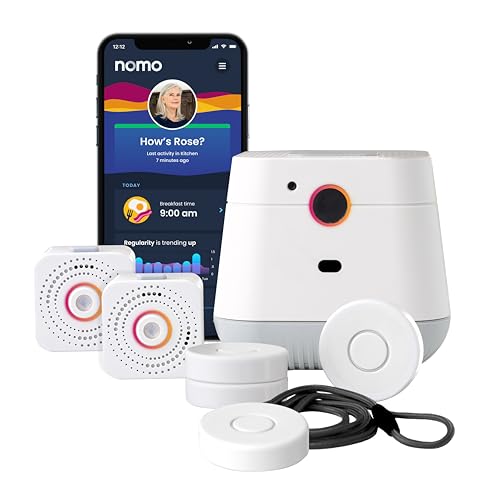
NOMO Smart Care Medical Alert System, Fall Detection for Seniors, WiFi in Home Monitoring Safety System, Emergency Call Button, Custom Fall Alert, Virtual Caregiver, 60-Day Trial, Monthly Subscription
NOMO SMART CARE ESSENTIAL KIT – A complete in-home monitoring safety system featuring a Smart Hub, two motion…
As an affiliate, we earn on qualifying purchases.
As an affiliate, we earn on qualifying purchases.

Zeacool Fitness Tracker with 24/7 Heart Rate, Blood Oxygen Blood Pressure Sleep Monitor, Activity Trackers 5 ATM Waterproof,Step Calorie Counter Pedometer Health Smart Watch for Women Men Pink
24/7 Heart Rate Monitor :This blood pressure watch supports real-time dynamic heart rate, blood oxygen, blood pressure ,Sleep…
As an affiliate, we earn on qualifying purchases.
As an affiliate, we earn on qualifying purchases.