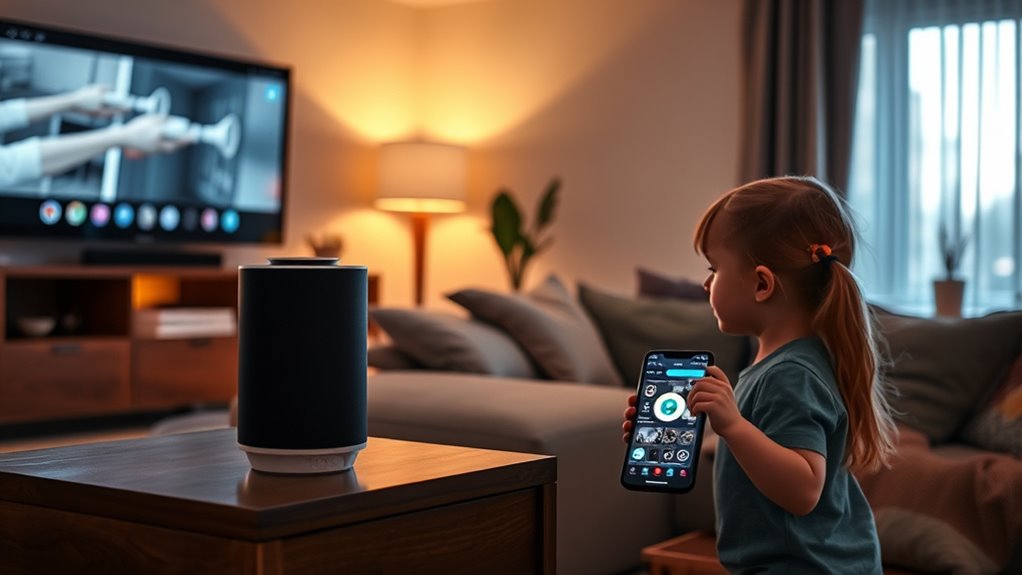

Smart home devices help you keep your family safe by detecting hazards early, like smoke or carbon monoxide, and providing real-time alerts on your phone. With security cameras, smart doorbells, and motion sensors, you can monitor your home remotely and respond quickly to emergencies. To maximize safety without compromising privacy, it’s important to understand device security and privacy best practices. Stay with us to discover how you can balance safety and privacy effectively.
Key Takeaways
- Smart devices detect hazards early and monitor the home environment continuously to enhance family safety.
- Automated alerts and remote access enable quick responses to emergencies like fires or intrusions.
- Integrating devices such as smoke detectors and security cameras strengthens overall safety measures.
- Regular security practices, including strong passwords and network segmentation, protect family data privacy.
- Educating families on device use and privacy settings ensures safety without compromising personal information.

In today’s connected world, smart home devices play a crucial role in keeping your family safe. They can alert you to potential dangers, monitor your home, and even automate safety protocols. When it comes to emergency preparedness, these devices are invaluable. For instance, smart smoke detectors can detect smoke or carbon monoxide early and send alerts directly to your phone, allowing you to respond promptly. Smart security cameras provide real-time video feeds, so you can check on your home from anywhere, whether you’re at work or on vacation. Smart doorbells can notify you of visitors, and some models include motion detection, so you’re instantly aware of any activity at your door. Integrating these devices into your safety plan means you can react faster during emergencies, potentially preventing disasters or minimizing damage.
However, as you rely more on these digital tools, privacy concerns inevitably come into play. Many smart devices collect and store sensitive data, including video footage, audio recordings, and personal habits. You might worry about who has access to this information and how securely it’s stored. Cybersecurity threats are real, and hackers can exploit vulnerabilities in your connected devices, potentially gaining unauthorized access to your home network. This could lead to privacy breaches, or even worse, malicious activities like identity theft or home intrusion. To protect your family’s privacy, it’s essential to choose reputable brands that prioritize security, regularly update device firmware, and set strong, unique passwords for your accounts. Additionally, understanding the terms of service and privacy policies of your devices helps you make informed decisions about what data is collected and stored.
Implementing additional security measures, such as firewall protection and network segmentation, can further safeguard your home environment. Balancing emergency preparedness with privacy safety isn’t always straightforward. You want your family to benefit from the peace of mind that smart home devices provide, but you also need to be cautious about the potential risks. Incorporating a layered security approach, such as using a separate Wi-Fi network for your smart devices and enabling two-factor authentication, can help mitigate these concerns. Regularly reviewing device permissions and monitoring network activity for suspicious signs also ensures your home stays protected. Educating your family about privacy best practices and how these devices work will help everyone stay vigilant and responsive. Ultimately, smart home devices offer powerful tools for family safety, but only when you’re proactive about privacy and security measures. Staying informed and attentive allows you to enjoy the benefits while minimizing risks, ensuring your home remains both safe and private.

3-Pack Wi-Fi Smoke Detector Carbon Monoxide Detector Combo with App Notifications, Test/Silence Button, Smart Smoke Detector & CO Alarm for Any Home, Real-Time Alert
[ WiFi Notifications ] This smart smoke and carbon monoxide detector connects to the "Smart Life " app…
As an affiliate, we earn on qualifying purchases.
As an affiliate, we earn on qualifying purchases.
Frequently Asked Questions
How Do Smart Home Devices Impact Family Privacy?
Smart home devices can raise privacy concerns because they collect and share data about your family’s habits and routines. You might worry about unauthorized access or data security breaches, which could expose sensitive information. To protect your privacy, make sure you use strong passwords, keep firmware up to date, and understand each device’s privacy settings. Being aware of these risks helps you balance safety benefits with safeguarding your family’s privacy.
Are Smart Devices Suitable for Young Children?
Smart devices can be a double-edged sword for young children. While they offer helpful features like child safety alerts and educational content, not all devices are suitable for kids. You need to carefully evaluate device suitability, ensuring they’re designed with child safety in mind. Think of it as choosing a sturdy ship for a child’s safety voyage—select the right one, and it’ll keep your little ones protected and engaged.
What Emergency Protocols Integrate With Smart Home Systems?
You can enhance safety by integrating smart alarms with your smart home system, which automatically trigger alerts during emergencies. Set up emergency contact protocols so family members and emergency services receive notifications instantly. By linking smart alarm systems with your devices, you guarantee quick response times. Regularly test these integrations, confirm contact information, and update protocols to keep everyone safe and informed during emergencies.
How Do I Troubleshoot Connectivity Issues With Devices?
When troubleshooting connectivity issues, start by checking your Wi-Fi stability—ensure your router is functioning properly and restart it if needed. Next, verify that your device firmware is up to date, as outdated firmware can cause connection problems. Reset your smart device and reconnect it to your Wi-Fi network. If issues persist, move your device closer to the router or consider upgrading your Wi-Fi equipment for better coverage.
What Are the Costs Associated With Installing These Devices?
The installation costs for smart home devices vary based on the type and number of devices you choose, typically ranging from $100 to $500. Maintenance expenses are usually minimal but can include software updates and occasional replacements, averaging around $50 annually. Keep in mind that some devices require professional installation, which can add to the initial costs. Budgeting for these expenses helps make sure your family stays safe and your devices function smoothly.

Blink Outdoor 4 – Wireless smart security camera, two-year battery life, 1080p HD day and infrared night live view, two-way talk. Sync Module Core included – 3 camera system
Outdoor 4 is our most affordable wireless smart security camera yet, offering up to two-year battery life for…
As an affiliate, we earn on qualifying purchases.
As an affiliate, we earn on qualifying purchases.
Conclusion
By now, you’ve seen how smart home devices can truly enhance your family’s safety. From smart locks to security cameras, these gadgets give you peace of mind, even if you’re away or caught in a time warp. Think of it as having a modern-day sentinel watching over your loved ones, just like the trusty butler of a Victorian mansion. Embrace these tech tools today—your family’s safety is worth every bit of the innovation!
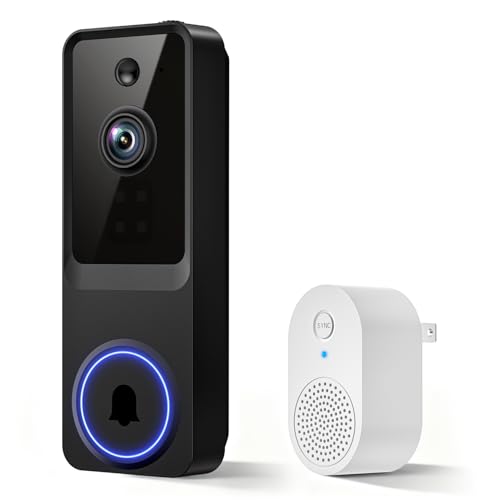
ByteSpin 1080P Smart Wireless Video Doorbell Camera with AI Motion Detection, Night Vision, Two-Way Talk, Cloud Storage, Indoor/Outdoor Surveillance, Battery Powered, 2.4GHz Wi-Fi
AI Human Detection: Smart AI filters out irrelevant movement like cars or pets, sending you alerts only when…
As an affiliate, we earn on qualifying purchases.
As an affiliate, we earn on qualifying purchases.

Firewalla: Cyber Security Firewall for Home & Business, Protect Network from Malware and Hacking | Smart Parental Control | Block Ads | VPN Server and Client | No Monthly Fee (Purple SE)
COMPATIBILITY – This is * Firewalla Purple SE*. The IPS functionality is limited to 500 Mbits. This device…
As an affiliate, we earn on qualifying purchases.
As an affiliate, we earn on qualifying purchases.