TL;DR

Turn the school run and nap time into listening time
- Thousands of audiobooks, podcasts and originals
- Listen on your phone, tablet or Echo — also offline
- Cancel anytime
The Toy Association has begun its sixth annual Toy Safety Awareness Month, sharing holiday shopping and play-safety guidance throughout November. Its campaign focuses on counterfeit toys, squishy toy use, age labels and recall checks, with resources available at playsafe.org.
The Toy Association has launched its sixth annual Toy Safety Awareness Month, using November to give holiday shoppers guidance on counterfeit toys, squishy toys, age labels and product recalls. The trade group says it will share safety advice on social media and at playsafe.org as families buy gifts and supervise children’s play.
The campaign’s holiday advice includes checking product packaging for manufacturer information, age labels, safe-use instructions and company contact details. The association also recommends buying from recognized brands and trusted retailers, and treating misspellings or missing safety information in online listings as warning signs. It has published a Toy Shopping Checklist and a tip sheet on identifying knockoff toys.
The association warns that counterfeit products may not meet federal toy safety requirements. Potential hazards cited include small parts that can break off and present a choking risk, as well as exposure to chemicals prohibited in toys for children. It is drawing particular attention to squishy toys, saying knockoffs may tear or burst and release small parts or filling, or contain hazardous chemicals. Its guidance says not to heat, freeze, puncture, bite or otherwise misuse squishy toys.
The campaign also urges shoppers to check recalls.gov before buying secondhand toys or accepting hand-me-downs. The association cautions that party supplies, costumes, electronics and home décor are not necessarily designed or tested as toys. Some may contain hazards such as small batteries, non-toy water beads or high-powered magnets. Its resources are available at playsafe.org, with more advice planned for social media during November.
Holiday Purchases Need Safety Checks
The campaign arrives as families shop for gifts and may encounter products from unfamiliar sellers, including listings that appear to offer popular toys at lower prices. The association’s guidance gives shoppers specific checks to make before purchase and points to the additional risks of buying toys secondhand. The warnings are relevant beyond the checkout: caregivers are also advised to follow use instructions and supervise play, particularly with products that can break or release small components.
Survey figures supplied by the association suggest that awareness may not always translate into recognition of risky products. A Wakefield Research survey of 1,000 U.S. parents found that 87% said a lower price for a counterfeit or knockoff toy was not worth the potential safety risk. At the same time, 84% said knockoff squishy toys were safe for play, according to the survey. The figures reflect respondents’ views; they do not establish how often counterfeit toys are sold or how many children are harmed.
Products Worth Considering
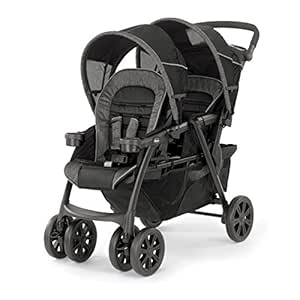
Chicco Cortina Together Double Stroller for Infants & Toddlers

Graco SlimFit 3-in-1 Convertible Car Seat, Jarret

Owlet Dream Duo Smart Baby Monitor System – includes 3 months of Owlet360
As an affiliate, we earn on qualifying purchases.
What This Year’s Campaign Covers
The Toy Association describes this as the sixth annual Toy Safety Awareness Month. Its November campaign covers counterfeit products, squishy toys, age grading and recall checks, placing the advice within the period when many households are buying gifts. The association’s materials are consumer guidance; the source report does not describe a new law, recall or government safety alert connected to the launch.
Age labels are a central part of the message. In the Wakefield survey cited by the association, 35% of parents said age recommendations on toys were merely suggestions; the figure was 49% among Baby Boomers surveyed. The association says age grading provides safety guidance, especially for toys marked for children ages 3 and up that may contain small parts. The survey results are reported by the association and should be understood as responses from the surveyed parents, not a measure of all U.S. caregivers.
““The holidays are a joyful time, and toys bring an added element of fun, enrichment, and bonding to gatherings with family and friends.””
— Joan Lawrence, The Toy Association’s “Toy Safety Mom” and senior vice president of standards and regulatory affairs
How Widespread Are Knockoffs?
The source material does not quantify the number of counterfeit toys or knockoff squishies being sold, identify specific sellers or products, or provide details of testing behind the association’s warnings. It also does not report injury figures linked to the products. The survey describes parents’ stated perceptions, not observed buying behavior or product safety outcomes.
The association’s statement about an “influx” of knockoff squishies is attributed to the organization, and the report gives no underlying count or time period for that observation. The campaign itself does not announce a recall or enforcement action. Consumers should use the published shopping and recall-check guidance, while specific product concerns would need to be assessed through relevant product notices or safety authorities.
November Advice and Shopping Checks
The Toy Association says it will continue posting safety guidance on social media throughout November. Shoppers can consult the Toy Shopping Checklist and squishy toy tip sheet at playsafe.org, check product labeling and seller details before buying, and search recalls.gov for products being considered secondhand. The association’s announcement does not specify additional campaign events or a later report; any new guidance or product alerts would depend on what the organization or relevant authorities publish.
Key Questions
What is Toy Safety Awareness Month?
It is The Toy Association’s annual campaign offering toy-shopping and play-safety guidance. The group says this is its sixth annual campaign, with advice shared during November.
What should shoppers check before buying a toy?
The association advises checking for manufacturer details, age labels, safe-use instructions and company contact information. It also recommends buying from known brands and trusted retailers and looking for warning signs such as misspellings or missing safety information.
How does the association advise families to use squishy toys?
It says not to heat, freeze, puncture or bite squishy toys, or otherwise use them in ways not intended by the manufacturer. The association warns that some knockoffs may tear or burst, releasing filling or small parts.
Where can shoppers check for recalled or secondhand toys?
The association recommends checking recalls.gov before buying a secondhand toy or accepting a hand-me-down. Its campaign materials, including a Toy Shopping Checklist, are available at playsafe.org.
Why do toy age labels matter?
The association says age grading is safety guidance, not simply a suggestion. Toys marked for children ages 3 and up may contain small parts that are unsuitable for younger children.
Source: toybook.com