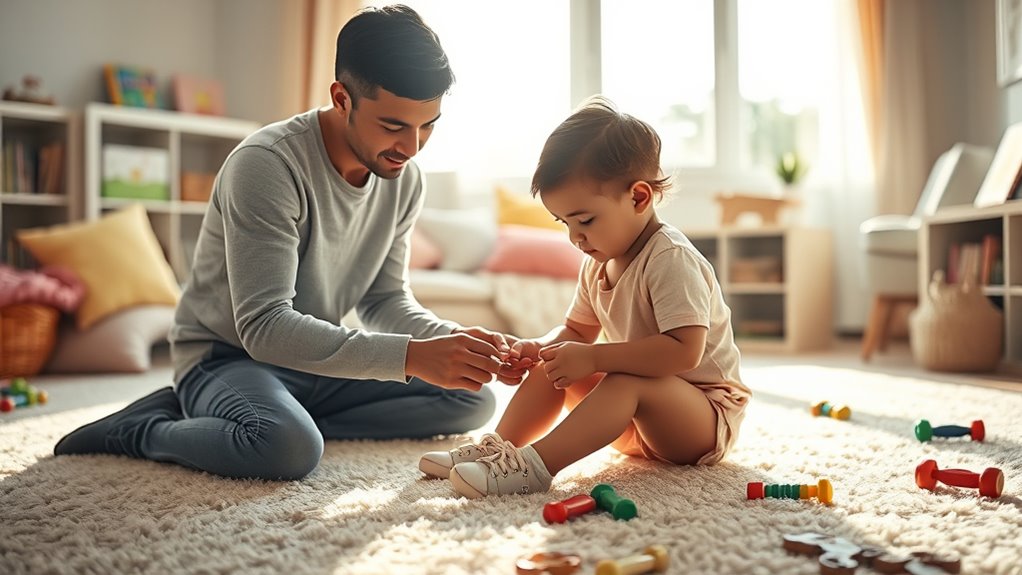

Building patience when parenting young children starts with managing your emotions and sticking to routines. Take deep breaths or step away when you feel frustration rising, and model calmness for your child. Consistent routines provide security and reduce conflicts, making it easier to stay patient. Over time, practicing these strategies will strengthen your ability to respond with empathy and grace, creating a more peaceful environment. Keep exploring ways to grow your patience for a stronger parent-child connection.
Key Takeaways
- Practice deep breathing or pausing to stay calm before responding to challenging behaviors.
- Establish consistent routines to create predictability and reduce frustration for both parent and child.
- Model patience and emotional regulation to teach children healthy ways to manage their feelings.
- Respond with empathy and understanding during tantrums to foster trust and emotional growth.
- Focus on self-care and stress management to build resilience and maintain patience over time.

Parenting young children can test your patience in ways you never expected, especially when their needs and emotions seem to clash with your own. During these moments, it’s crucial to focus on your own emotional regulation. When you stay calm and collected, you create a safe environment where your child feels secure enough to explore their feelings and learn how to manage them. Remember, children are still developing their emotional skills, and your ability to remain composed sets a powerful example. If you react with frustration or anger, it can escalate their emotional upheaval, making it harder for them to learn how to regulate their own feelings. Instead, take deep breaths or step away briefly if needed. Modeling patience and self-control teaches your child that emotions are manageable and normal, helping them develop resilience over time.
Establishing consistent routines is another cornerstone of building patience. When your child’s day follows predictable patterns—like regular meal times, nap periods, and bedtime—they gain a sense of security and stability. This predictability reduces their anxiety and minimizes tantrums caused by uncertainty or unexpected changes. As a parent, you’ll find that routines help you manage your own stress, too. When everyone knows what to expect, moving through phases becomes smoother, and conflicts decrease. Consistency also reinforces positive behaviors; children thrive on knowing what’s expected of them, which in turn diminishes power struggles and defiance. Over time, routines become a foundation for patience because they eliminate many of the surprises that can trigger frustration. When you see your child adjusting well to routines, it reinforces your efforts and encourages a more patient, understanding approach. Recognizing how emotional regulation impacts your ability to stay patient can empower you to create a calmer household.
Building patience doesn’t happen overnight, but by focusing on your emotional regulation and creating consistent routines, you lay the groundwork for calmer interactions. It’s about recognizing that your child’s behavior is a form of communication and responding with empathy rather than reaction. When you remain patient, you foster a trusting relationship that helps your child feel supported in steering their emotions. The more you practice these strategies, the easier it becomes to handle challenging moments with grace. Remember, patience is a skill that grows with experience. Every time you consciously choose to stay calm and stick to routines, you strengthen your capacity to parent with patience, making those difficult days more manageable and your bond with your child stronger.
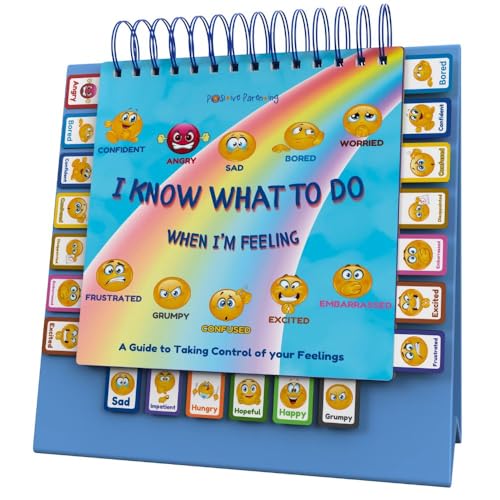
Thought-Spot I Know What to Do Flipbook | Emotions Wheel & Feelings Chart | Emotional Regulation Tool for Home, Class, or Calm Down Corner | Helps Kids Learn Coping Skills | Autism Must-Have
Understand & Express Everyday Feelings: Visually guides children ages 3–5 to recognize and name their emotions. This flipbook…
As an affiliate, we earn on qualifying purchases.
As an affiliate, we earn on qualifying purchases.
Frequently Asked Questions
How Can I Stay Patient During Frequent Tantrums?
When your child has frequent tantrums, focus on managing your time effectively and practicing emotional regulation. Take deep breaths to stay calm, and remind yourself that tantrums are normal. Use short breaks to regain patience, and set realistic expectations for yourself. By staying present and controlling your emotions, you can respond more patiently, helping your child learn to handle their feelings while you maintain your composure.
What Are Quick Calming Techniques for Overwhelmed Parents?
Like a calm lake in a storm, you can find quick relief with mindful breathing—inhale deeply, hold, then exhale slowly to center yourself. Use positive reinforcement to acknowledge small victories, boosting your patience. When overwhelmed, pause for a moment, breathe intentionally, and remind yourself of your strengths. These techniques help you regain composure swiftly, enabling you to handle parenting challenges with a clearer, calmer mind.
How Do I Handle Sibling Rivalry Patiently?
To handle sibling rivalry patiently, focus on sharing family routines that promote fairness and cooperation. Encourage your children to participate in cooperative play, which helps them learn teamwork and resolve conflicts peacefully. When rivalry arises, stay calm, listen to each child’s feelings, and guide them toward solutions together. Consistently reinforcing these routines and activities fosters a supportive environment, making it easier for you to respond with patience and understanding.
What Self-Care Tips Help Maintain Patience?
Sure, because who doesn’t love a little irony? When you’re feeling overwhelmed, try mindfulness practices to center yourself and manage stress. Deep breathing, short meditation sessions, or even a quick walk can work wonders. These self-care tips help you stay patient, even when chaos is at its peak. Prioritizing your well-being isn’t selfish; it’s the secret to maintaining patience and loving your kids through every tantrum and giggle.
How Can I Model Patience Effectively to My Children?
You can model patience by practicing emotional regulation yourself, showing calmness during stressful moments. When your children exhibit patience, use positive reinforcement to acknowledge their efforts, encouraging them to repeat it. Demonstrate how to handle frustrations calmly, and speak gently even when you’re upset. Your consistent behavior teaches your children how to manage their emotions, helping them develop patience and resilience over time.

Magnetic Chore Chart for Kids, ADHD Task Tracker Easy-Check Routine Dry Erase Board, to-Do List Planning Tool with Stand for Fridge/Desk/Home/School, 6 Reusable Sheets, 3 Markers
[Value Pack]- Easy to check, and re-usable, helping your kids manage time and tasks effectively. The chore chart…
As an affiliate, we earn on qualifying purchases.
As an affiliate, we earn on qualifying purchases.
Conclusion
Remember, patience often comes when you least expect it—like catching a quiet moment when your child finally listens or shares a smile. Sometimes, it’s the small, unexpected events that remind you why you’re here, guiding and loving through the chaos. Just keep showing up, even on tough days, because those tiny, coincidental breakthroughs often become the biggest steps forward. Patience grows quietly, almost like a surprise waiting to unfold in your parenting journey.

Breathing Lamp Guided Visual Meditation Tool for Mindfulness,Anxiety Relief&Calm Your Mind for Stress&Visual Relaxation and Restful Sleep,478 Seconds Breathing Rate Change 3 Colors,Gift for Kids
Breathing Lamp Function: A mindful breathing lamp is a powerful and effective tool that can help you reduce…
As an affiliate, we earn on qualifying purchases.
As an affiliate, we earn on qualifying purchases.

Roaring Mad Riley: An Anger Management Story for Kids
As an affiliate, we earn on qualifying purchases.
As an affiliate, we earn on qualifying purchases.