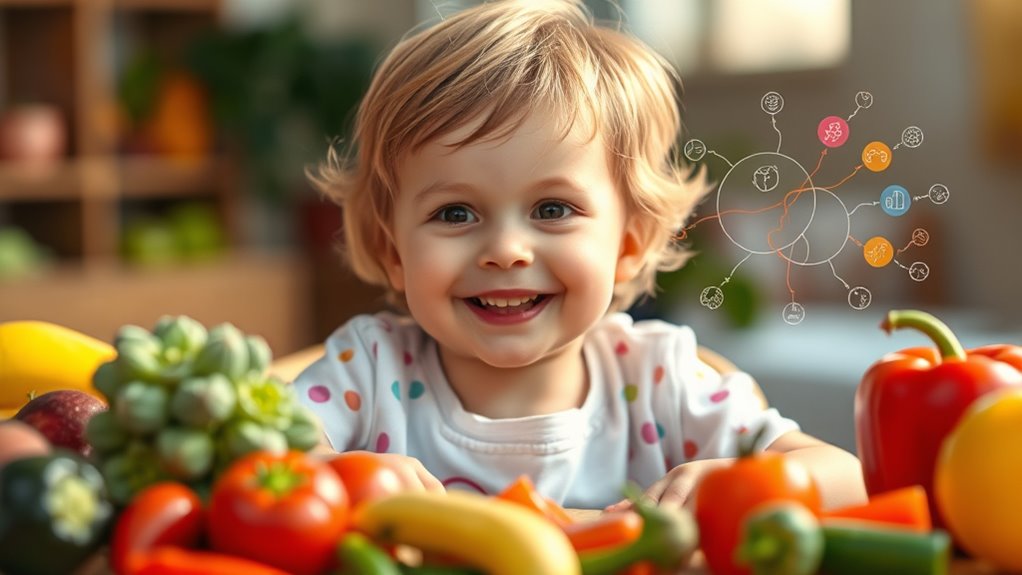

Understanding the gut-brain connection helps you support your child’s mental and physical health. A diverse microbiome in their gut influences mood, behavior, and cognitive development by regulating neurotransmitters and immune responses. You can promote this diversity through probiotic-rich foods like yogurt, fruits, and vegetables, while limiting processed foods and unnecessary antibiotics. Early life factors like breastfeeding and delivery mode also play a role. Continuing to explore this topic will give you practical ways to nurture your child’s developing microbiome and well-being.

Turn the school run and nap time into listening time
- Thousands of audiobooks, podcasts and originals
- Listen on your phone, tablet or Echo — also offline
- Cancel anytime
Key Takeaways
- A healthy microbiome supports mood, behavior, and cognitive development in children through the gut-brain connection.
- Promoting microbiome diversity with probiotics, fiber-rich foods, and limiting antibiotics benefits children’s mental and physical health.
- Early life factors like breastfeeding and birth method influence initial gut bacteria, shaping long-term gut-brain health.
- A balanced microbiome helps regulate neurotransmitters and immune responses, reducing anxiety and behavioral issues.
- Creating a gut-friendly environment supports resilience and overall well-being in children’s developing brains.
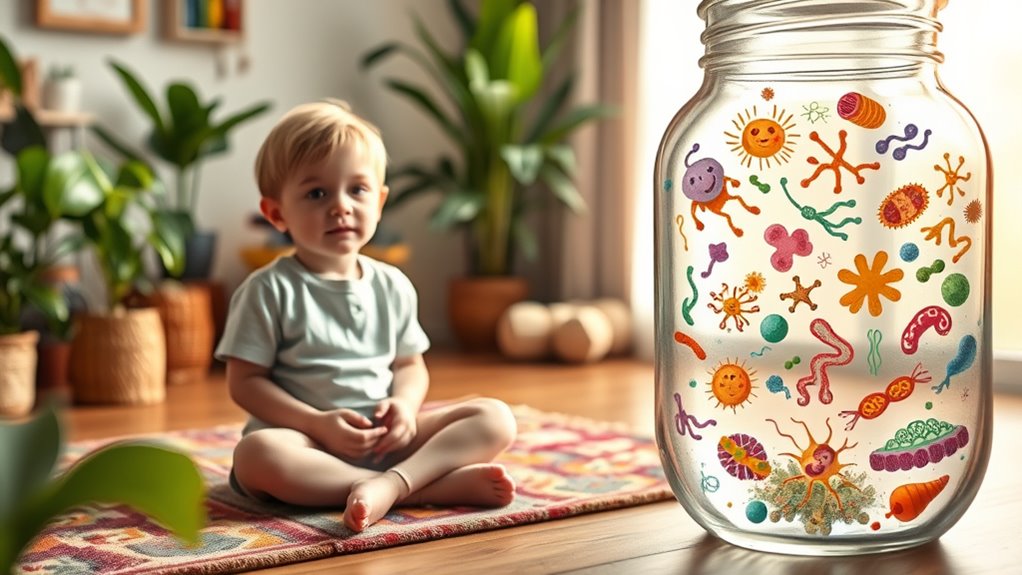
The gut-brain connection is a complex communication network that links your digestive system with your brain, influencing your mood, behavior, and overall health. When you understand how this connection works, especially in children, you can take steps to support their mental and physical development. One of the key factors in this system is microbiome diversity—the variety of bacteria living in your child’s gut. A diverse microbiome is essential for a well-functioning gut-brain axis. It helps regulate neurotransmitter production, immune responses, and inflammation, all of which can impact your child’s mood and cognitive abilities. microbiome diversity plays a crucial role in establishing a resilient and balanced gut-brain connection.
You might wonder how to promote this diversity. One effective way is through childhood probiotics. These supplements introduce beneficial bacteria to your child’s gut, helping to establish a healthy microbial community early in life. When given consistently and appropriately, probiotics can enhance microbiome diversity, which has been linked to fewer behavioral problems, reduced anxiety, and better emotional regulation in children. It’s important to choose strains backed by research and suitable for your child’s age. Incorporating probiotic-rich foods like yogurt, kefir, or fermented vegetables can also support this process naturally.
Supporting microbiome diversity isn’t just about giving supplements; it’s also about creating a healthy environment that fosters bacterial variety. This includes encouraging a diet rich in fiber, fruits, and vegetables, which serve as prebiotics—fuel for good bacteria. Limiting processed foods and unnecessary antibiotics can also preserve the balance of your child’s gut bacteria, preventing the loss of beneficial microbes and ensuring a more resilient microbiome.
You should also be mindful of early life factors that influence microbiome development. The mode of delivery at birth—cesarean versus vaginal birth—can affect initial bacterial colonization. Breastfeeding provides beneficial microbes and nutrients that promote healthy microbial growth. These early influences set the foundation for microbiome diversity, which continues to develop through childhood.
children's probiotic supplements
As an affiliate, we earn on qualifying purchases.
As an affiliate, we earn on qualifying purchases.
Frequently Asked Questions
Can Gut Health Influence a Child’s Emotional Development?
Your child’s gut health can considerably influence their emotional development. A diverse microbiome supports emotional resilience by producing mood-regulating neurotransmitters and reducing stress-related hormones. When their microbiome diversity is healthy, it helps stabilize their emotions and improve mental well-being. By fostering good gut health through balanced diet and probiotics, you can support their emotional growth, resilience, and overall mental health, giving your child a stronger foundation for handling life’s challenges.
How Does Antibiotic Use Affect Kids’ Microbiomes Long-Term?
You might think antibiotics only fight infections, but they can wipe out your child’s microbiome diversity, causing long-term effects. Excessive use could lead to antibiotic resistance and a fragile gut ecosystem that struggles to recover. This disruption can impact digestion, immunity, and even mood. So, be cautious—use antibiotics only when necessary and consult your doctor to protect your child’s microbiome, ensuring a healthier, happier future.
Are Probiotics Safe and Effective for Children?
You might wonder if probiotics are safe and effective for kids. Generally, when you choose probiotic strains backed by safety protocols, they can support your child’s gut health. Always consult a healthcare professional before starting new supplements, as some strains may be more suitable than others. When used correctly, probiotics can help improve digestion and bolster immunity, but proper guidance guarantees they’re both safe and beneficial for your child’s needs.
What Role Does Diet Play in the Gut-Brain Axis for Kids?
Ah, the magical power of a balanced diet! You can boost your kid’s gut-brain axis by increasing their fiber intake and offering diverse foods. Think of fiber as fuel for good bacteria, while food diversity keeps their microbiomes happy and adaptable. When you prioritize these, you help your child develop better mood, focus, and overall health, proving that what they eat truly shapes their mind and gut connection.
Can Gut Microbiome Issues Cause Behavioral Problems?
You might wonder if microbiome issues cause behavioral problems. An imbalance in gut flora and low microbiome diversity can influence brain function, potentially leading to behavioral changes like anxiety or irritability. When your child’s gut microbiome is disrupted, it can send signals to the brain via the gut-brain axis, affecting mood and behavior. Addressing microbiome health through diet and probiotics may help improve these behavioral issues.
Conclusion
Now that you understand the gut-brain connection, you hold the key to your child’s well-being. By supporting their microbiome through healthy food choices and mindful habits, you’re giving them a head start in life. Remember, a little effort goes a long way—you’re shaping their future one meal at a time. So, don’t wait for trouble to knock; be proactive and nurture their gut health today. It’s truly worth its weight in gold.
Halloween Picks
halloween
As an affiliate, we earn on qualifying purchases.