To keep kids motivated through goal setting, help them set clear, achievable goals that boost their confidence and give them a sense of purpose. Celebrate their effort with meaningful rewards like praise or extra playtime, reinforcing the connection between effort and success. Encourage a growth mindset by emphasizing that skills improve with practice and setbacks are learning opportunities. By supporting their independence and focusing on effort, you’ll foster resilience and motivation—learn more to find out how to make this even more effective.
Key Takeaways
- Involve children in setting personalized, manageable goals to increase their motivation and sense of ownership.
- Use meaningful rewards linked to progress to reinforce effort and sustain focus.
- Emphasize effort and resilience, celebrating small wins to foster a growth mindset.
- Provide emotional support and praise effort to boost confidence and emotional well-being.
- Break goals into steps and track milestones to maintain clarity and motivation throughout the process.
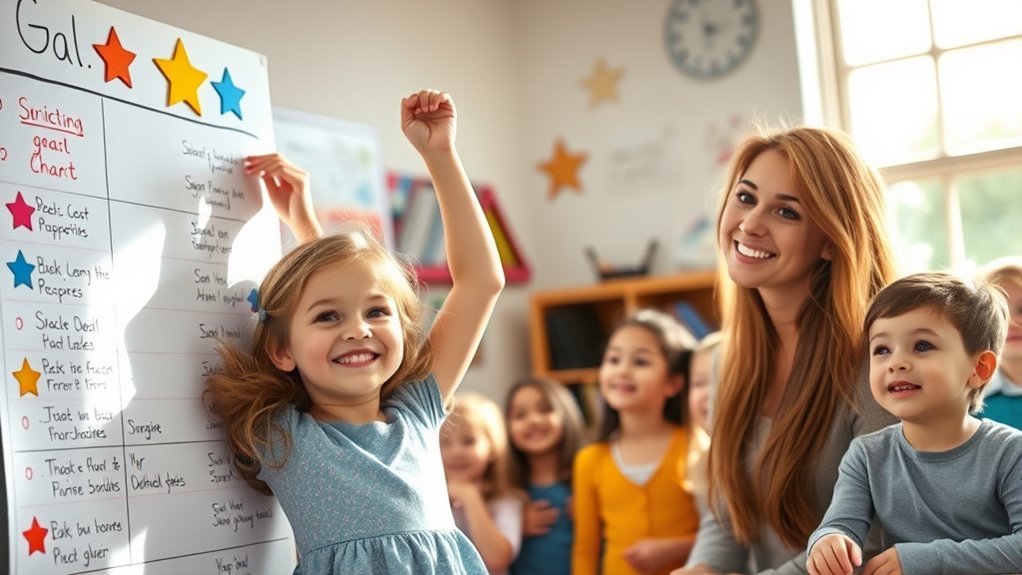
Setting goals is a powerful way to motivate kids and help them develop confidence and independence. When you encourage children to set clear, achievable objectives, you’re giving them a sense of purpose and direction. To reinforce their efforts, implementing reward systems can be incredibly effective. These systems don’t have to be elaborate; simple rewards like praise, extra playtime, or small tokens can motivate kids to stay focused and committed. The key is to guarantee that rewards are meaningful and tied directly to their progress, which helps children associate effort with positive outcomes.
Incorporating a growth mindset into your approach is equally important. When kids believe that their abilities can improve with effort, they’re more likely to embrace challenges rather than shy away from them. As you work with your children, emphasize that setbacks are part of learning and that persistence leads to growth. Celebrate their efforts, not just their successes, and remind them that mistakes are opportunities to learn. This mindset fosters resilience and a willingness to keep trying, even when tasks seem difficult.
When setting goals, involve your kids in the process. Ask them what they want to achieve and help them break down these goals into manageable steps. This involvement makes the goals more personal and motivating. As they work toward their objectives, use reward systems to acknowledge progress along the way. For example, if your child is learning to tie their shoes, reward small milestones like practicing every day for a week. These reinforcement techniques build their confidence and keep their motivation high.
Always focus on the effort your child puts in, rather than just the final outcome. Praising effort supports the growth mindset by showing children that their abilities are not fixed but can be developed through dedication. When combined with reward systems, this approach helps kids see that hard work yields results, which encourages them to keep pushing forward. Over time, they learn to value the process of learning itself, rather than just the end result.
Additionally, understanding relationships and recognizing signs of emotional distance or disengagement can help you better support your child’s motivation and emotional well-being during their goal-setting journey.

Behavior Reward Chart System – Pad with 26 Chore Charts for Kids, 2800 Stickers to Motivate Responsibility & Good Habits
Sticker chore Chart pad for kids with 26 perforated pages and 2800 stickers
As an affiliate, we earn on qualifying purchases.
As an affiliate, we earn on qualifying purchases.
Frequently Asked Questions
How Can Parents Handle Setbacks When Kids Struggle to Meet Goals?
When your kid struggles to meet goals, provide emotional support and use motivational strategies to boost their confidence. Encourage them to see setbacks as learning opportunities, not failures. Celebrate small wins to keep them motivated, and help them adjust their goals if needed. Stay patient and understanding, offering reassurance and guidance. Your support and positive reinforcement will help them develop resilience and stay motivated despite challenges.
What Are Age-Appropriate Goals for Different Developmental Stages?
You should set age-appropriate goals considering your child’s developmental milestones. For young children, focus on simple tasks like tidying up toys or learning basic skills, which boost confidence. As they grow, introduce more complex goals like completing homework or participating in team activities. Understanding age considerations helps make certain goals are realistic, encouraging progress without frustration. Adjust expectations as your child develops, fostering motivation and a sense of achievement.
How Often Should Goals Be Reviewed and Adjusted?
You should review and adjust goals regularly, ideally every few weeks, to keep kids motivated and make sure goal tracking stays relevant. During progress evaluation, celebrate successes and identify areas needing support. This consistent check-in helps kids stay focused, see their growth, and stay engaged. Adjustments can be made based on their development and changing interests, fostering a sense of achievement and encouraging continued effort.
How Can Rewards Be Balanced Without Causing Dependency?
Imagine rewards as a spice, not the main course. To balance them, you should use them sparingly to avoid reward dependency, where kids rely solely on external incentives. Focus on fostering intrinsic motivation by praising effort and progress, not just rewards. This way, your child learns to value achievement itself, rather than just the reward, creating a healthier motivation that lasts beyond temporary incentives.
What Are Effective Ways to Involve Children in Setting Their Goals?
You can involve children in setting their goals by encouraging parental involvement and guiding them through goal visualization. Ask open-ended questions to let kids express their interests, and help them break big goals into smaller steps. Use visual tools like charts or drawings to make goals tangible. This approach boosts their confidence, makes them feel responsible, and keeps them motivated to achieve their objectives actively.

Growth Mindset – Life Skills for Kids: Inspiring Stories to Build Resilience, Self-Esteem, and Confidence (Motivational Stories for Amazing Kids)
As an affiliate, we earn on qualifying purchases.
As an affiliate, we earn on qualifying purchases.
Conclusion
By setting clear goals, celebrating small wins, and staying consistent, you create a motivating environment for your kids. You help them visualize success, build confidence, and develop perseverance. You encourage them to dream big, work hard, and stay focused. With each goal achieved, you inspire resilience. Keep guiding them with patience, positivity, and purpose. Together, you foster motivation that lasts, motivation that grows, and motivation that empowers them for a lifetime.
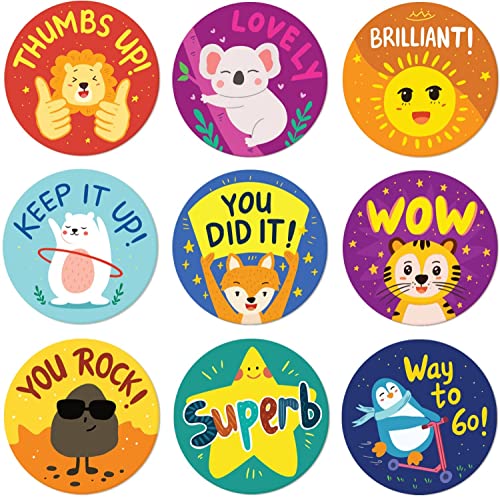
Reward Stickers for Kids by Sweetzer & Orange – 1008 Decals for Kids, 9 Assorted Designs, 1 Inch Incentive Labels – Teacher Supplies for Classroom, Potty Training and Motivational Chart
A Reward That Sticks! No matter whether it’s a kids chore chart, behavior chart, schoolbook, visit to the…
As an affiliate, we earn on qualifying purchases.
As an affiliate, we earn on qualifying purchases.

Yeetec 6 Pack 24 Links Wacky Tracks Snap and Click Fidget Toys, Finger Sensory Toys, Snake Puzzles for Stress Relief, Party Bag Fillers, Party Favours, Random Color
Material: the wacky track is made of PP material, durable and smooth for playing, when you snap the…
As an affiliate, we earn on qualifying purchases.
As an affiliate, we earn on qualifying purchases.