
To reduce rivalry and jealousy among siblings, encourage sharing responsibilities and supporting each other’s interests. Engage in shared experiences like games or trips to build positive bonds. Focus on each child’s strengths and celebrate their successes to boost confidence. Be patient and avoid comparisons, emphasizing teamwork instead. Show genuine care, listen actively, and foster a nurturing environment where everyone feels valued and respected. If you keep exploring, you’ll discover even more ways to strengthen sibling connections.

Turn the school run and nap time into listening time
- Thousands of audiobooks, podcasts and originals
- Listen on your phone, tablet or Echo — also offline
- Cancel anytime
Key Takeaways
- Share household chores and family tasks to promote teamwork and reduce competition.
- Celebrate each child’s unique talents and achievements to foster confidence and appreciation.
- Engage in shared activities and experiences to build positive memories and strengthen bonds.
- Practice patience, avoid comparisons, and focus on individual strengths to minimize rivalry.
- Create a trusting, respectful environment that supports personal growth and mutual support among siblings.
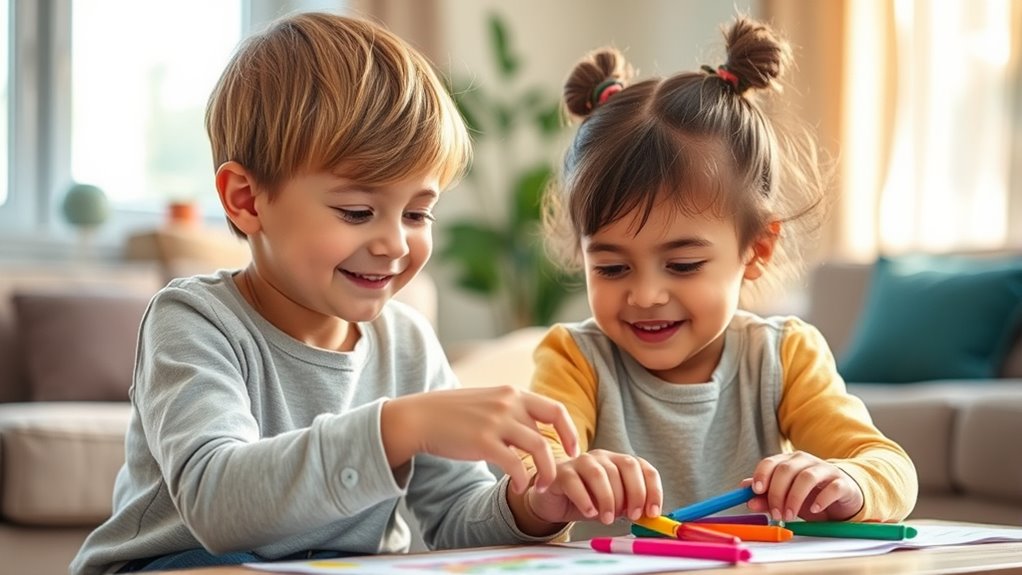
Have you ever wondered how supporting your siblings can strengthen your relationship and help them thrive? It’s a powerful way to build trust, reduce rivalry, and create a more harmonious home environment. One effective approach is sharing responsibilities. When you step up to help with chores or family tasks, you’re not just lightening the load—you’re showing your sibling that you value teamwork and support. This shared effort fosters a sense of equality and cooperation, which can diminish feelings of jealousy or competition. Instead of competing for attention or privileges, you both learn to work together, strengthening your bond in the process.
Fostering individual interests is equally important. Everyone has unique talents, hobbies, and passions, and supporting these can make a big difference in reducing rivalry. When you encourage your sibling to pursue what excites them—whether it’s sports, music, art, or academics—you communicate that their happiness and growth matter. This support helps them develop confidence and self-esteem, reducing feelings of inadequacy or envy that often fuel rivalry. You’re also setting an example by valuing personal growth, which can inspire them to do the same. It’s essential to remember that celebrating their successes, no matter how small, creates a positive environment where both of you feel appreciated and understood.
Supporting your sibling’s passions builds confidence and fosters a positive, understanding relationship.
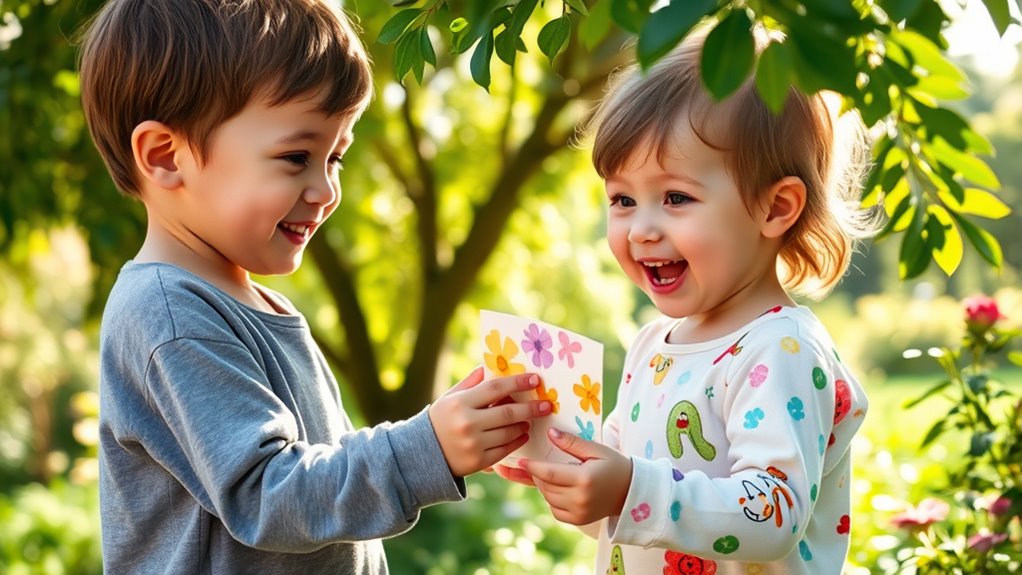
Another way to support your siblings and reinforce these values is by creating opportunities for shared experiences. Whether it’s playing games, working on a project, or taking a trip together, these moments build positive memories and strengthen your connection. When you actively listen to their ideas or concerns, you’re demonstrating that their feelings matter, which can diminish jealousy and foster mutual respect. Showing genuine interest in their lives makes them feel valued and accepted, which is integral for reducing sibling rivalry. Additionally, understanding the importance of color accuracy in home cinema projectors can inspire you to create a visually engaging environment for shared movie nights, making your bonding time even more special.
Lastly, your attitude plays a significant role. Be patient and understanding, especially during conflicts. Avoid comparing your sibling to others or highlighting their shortcomings, as this can breed resentment. Instead, focus on their strengths and encourage their growth. Supporting your siblings isn’t about being perfect; it’s about creating a nurturing environment where everyone feels supported, appreciated, and free to be themselves. When you consistently practice sharing responsibilities and fostering individual interests, you lay the foundation for a relationship built on trust, respect, and genuine care, ultimately helping your siblings thrive and reducing rivalry in the process.
shared household chores for kids
As an affiliate, we earn on qualifying purchases.
As an affiliate, we earn on qualifying purchases.
Frequently Asked Questions
How Can Parents Effectively Mediate Sibling Conflicts?
You can effectively mediate sibling conflicts by practicing clear parental communication and encouraging conflict resolution skills. When disputes arise, stay calm, listen to each child’s perspective, and guide them toward understanding and compromise. Set fair boundaries and reinforce the importance of respecting each other. Your active involvement helps children learn to resolve disagreements peacefully, fostering healthier relationships and reducing rivalry and jealousy over time.
What Are Some Signs of Intense Jealousy Among Siblings?
When sibling rivalry triggers, you might notice jealousy warning signs like one child consistently seeking attention, comparing themselves to their sibling, or showing subtle resentment through mood swings. They may withdraw from shared activities or display passive-aggressive behavior. These signs indicate intense jealousy that can harm their bond. Recognizing these cues early helps you address underlying feelings, fostering understanding and reducing rivalry before it escalates.
How Does Age Difference Affect Sibling Rivalry?
You’ll find that age gap dynamics markedly influence sibling rivalry. When the age difference is small, rivalry triggers often stem from competition over attention or toys. With a larger gap, jealousy may arise from feeling left out or less capable. As a parent, understanding these triggers helps you address each child’s needs, fostering harmony by encouraging shared activities and promoting individual achievements, which reduces rivalry and builds stronger bonds.
Are There Specific Activities to Promote Sibling Cooperation?
You can promote sibling cooperation through shared play and cooperative tasks. Encourage activities that require teamwork, like building a puzzle together or playing a game that involves taking turns. These activities help your children learn to work together, communicate, and develop empathy. By engaging in shared play and cooperative tasks, you foster a positive relationship and reduce rivalry, making your home a more harmonious environment for everyone.
How Can Parents Balance Attention Between Multiple Children?
To balance attention between your children, practice parental empathy by understanding each child’s needs and feelings. Share your attention equally, ensuring no one feels left out. Engage in one-on-one activities with each child to foster individual bonds. Encourage cooperation and teamwork, which helps reduce jealousy. By consciously distributing your attention and showing empathy, you create a supportive environment where all children feel valued and secure.
Conclusion
By genuinely supporting your siblings, you could turn everyday rivalry into the most epic team-up in history. Imagine a world where jealousy vanishes faster than your favorite snacks disappear, leaving nothing but unstoppable camaraderie. When you nurture their strengths and celebrate their wins, you’re not just reducing rivalry – you’re creating a bond so unbreakable, it could withstand even the wildest childhood adventures. Keep supporting, and watch your sibling relationship become legendary!
Fall Picks
fall essentials
As an affiliate, we earn on qualifying purchases.