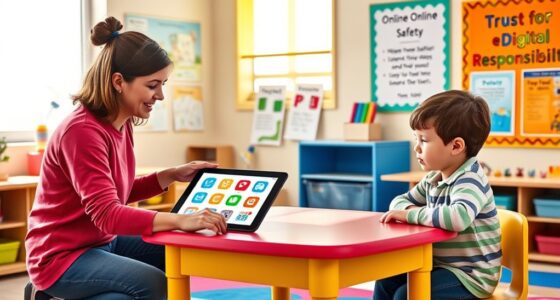
To teach respect and empathy through everyday actions, focus on genuine interactions like making eye contact, listening actively, and showing kindness through your body language and tone. Recognize and validate others’ feelings, appreciate diverse backgrounds, and avoid stereotypes. Small acts like saying thank you or offering a kind word can create a ripple of positive impact. Keep engaging in such mindful behaviors—your consistent efforts help build inclusive communities where everyone truly feels valued.
Key Takeaways
- Model respectful behaviors like active listening, eye contact, and kind body language in daily interactions.
- Use inclusive language, compliment efforts, and thank others to foster a respectful environment.
- Recognize and interpret non-verbal cues to better understand and validate others’ feelings.
- Practice cultural awareness and emotional intelligence to navigate diverse perspectives with openness.
- Engage in small acts of kindness and patience consistently to create a ripple effect of empathy and respect.
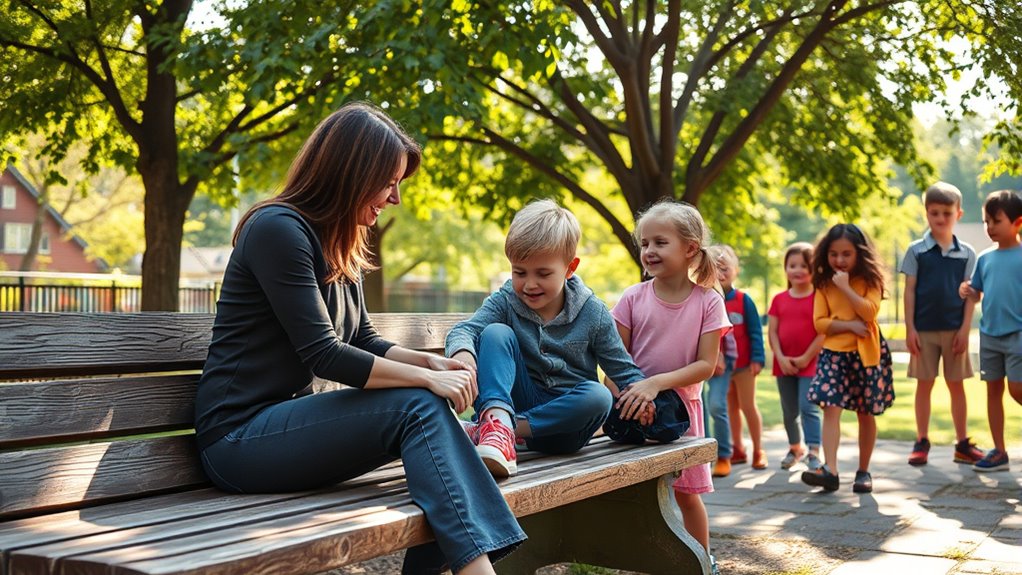
Teaching respect and empathy is essential for fostering positive relationships and creating inclusive communities. When you focus on these qualities, you help others feel valued and understood, which strengthens bonds and promotes harmony. One effective way to do this is by cultivating cultural awareness and emotional intelligence within everyday interactions. By being mindful of different backgrounds, beliefs, and customs, you demonstrate respect for diversity, encouraging others to do the same. Recognizing that people come from varied experiences helps you approach situations with openness rather than judgment, making it easier to build genuine connections.
Fostering respect and empathy through cultural awareness and emotional intelligence builds genuine connections and inclusive communities.
In daily conversations, you can practice cultural awareness by listening actively and asking thoughtful questions. When someone shares a different perspective or tradition, show your interest and avoid assumptions. This small act of curiosity signals respect and creates a safe space for open dialogue. Simultaneously, developing emotional intelligence allows you to recognize and manage your own feelings while empathetically understanding others’. When you notice someone feeling upset or frustrated, instead of dismissing their emotions, acknowledge them. This validation fosters trust and demonstrates that you genuinely care about their experience.
In practical terms, teaching respect through everyday actions involves simple, consistent behaviors. For example, making eye contact and giving your full attention during conversations shows that you value the other person’s words. When disagreements arise, responding with patience and understanding rather than anger or defensiveness displays emotional maturity and respect. It’s important to be aware of non-verbal cues, such as body language and facial expressions, which can reveal unspoken feelings. Recognizing these signals helps you respond with kindness and empathy, strengthening your relationships. Additionally, understanding the importance of remote work and its impact on interpersonal interactions can help foster better communication and respect in virtual environments.
You also shape a respectful environment by modeling inclusive language and behaviors. Complimenting someone’s effort, thanking others for their contributions, and avoiding stereotypes or offensive remarks reinforce positive interactions. When you demonstrate cultural awareness and emotional intelligence in your actions, you set an example for others to follow. Over time, these habits foster an atmosphere where everyone feels appreciated and understood.
Ultimately, teaching respect and empathy through everyday actions is about being conscious of how you treat others and recognizing the importance of cultural awareness and emotional intelligence in every interaction. By doing so, you create a ripple effect that encourages kindness, understanding, and acceptance. Small, consistent acts of respect and empathy not only improve your relationships but also contribute to building inclusive communities where everyone feels valued and supported.

The Emotional Intelligence Training Book: From Reaction to Response: 50 Short Lessons in Self-Awareness, Self-Regulation, and Relationships
As an affiliate, we earn on qualifying purchases.
As an affiliate, we earn on qualifying purchases.
Frequently Asked Questions
How Can Parents Model Respectful Behavior Effectively?
You can model respectful behavior effectively by consistently demonstrating respect in your actions and words, showing your children how to treat others. Set clear boundaries and stick to them, illustrating that boundaries are important and respected. When you handle conflicts calmly and listen actively, you teach your kids the value of empathy and respect. Your consistent modeling helps children understand expected behavior and develop strong social skills.
What Are Simple Daily Activities to Teach Empathy?
Think of daily activities as seeds for empathy. You can share kindness by giving genuine compliments or helping with chores. Practice active listening during conversations, showing your child you value their feelings. For example, when your child shares a frustration, listen attentively and validate their emotions. These simple acts teach empathy naturally, like watering a plant—that patience and consistency help it grow into a caring, compassionate person.
How Do Cultural Differences Influence Teaching Respect?
Cultural differences greatly influence how you teach respect, as cultural norms shape what behaviors are considered respectful. You should adapt your approach to fit diverse communication styles—some cultures value directness, while others prefer indirect, polite exchanges. By understanding these differences, you can foster a respectful environment where everyone feels valued, encouraging open dialogue and empathy. Respecting cultural norms helps you build stronger connections and promotes mutual understanding in any setting.
What Are Signs of Empathy Development in Children?
You’ll notice empathy development in children when they reach key milestones like showing concern for others’ feelings and sharing naturally. They develop emotional awareness, recognizing and naming emotions in themselves and others. Signs include comforting a friend, listening attentively, and offering help without being prompted. Their empathy grows rapidly, like a wildfire, fostering deeper connections and kindness. These behaviors signal their emotional intelligence is blossoming beautifully.
How Can Teachers Address Disrespectful Behavior Constructively?
You can address disrespectful behavior by applying effective discipline strategies and promoting conflict resolution skills. When you notice disrespect, calmly explain why it’s inappropriate and encourage the student to express their feelings constructively. Use positive reinforcement to highlight respectful actions and guide students toward understanding others’ perspectives. By consistently modeling respectful behavior and teaching conflict resolution, you create a supportive environment where students learn accountability and empathy.

Active Listening Techniques: 30 Practical Tools to Hone Your Communication Skills
As an affiliate, we earn on qualifying purchases.
As an affiliate, we earn on qualifying purchases.
Conclusion
By weaving respect and empathy into your daily actions, you plant seeds of kindness that bloom into a garden of understanding. Every small gesture becomes a drop of sunlight nurturing compassionate hearts. When you listen, share, and show consideration, you turn ordinary moments into precious stones of connection. Remember, your actions are the brushstrokes shaping a masterpiece of harmony—transforming everyday life into a symphony of genuine care and mutual respect.

Listening with the Heart: A Guide for Understanding Non-verbal Communication in the Autistic Child, for Parents, Teachers, and Professionals
As an affiliate, we earn on qualifying purchases.
As an affiliate, we earn on qualifying purchases.

Fun Express 96 Pieces Native American Heritage Handout Kit – Fun Educational Resources for Cultural Awareness and Classroom Activities – Multicolored, Metallic
"Celebrate Native American Heritage Month with this vibrant handout kit! Ideal for gifts, classroom rewards, or general supplies,…
As an affiliate, we earn on qualifying purchases.
As an affiliate, we earn on qualifying purchases.