

When your child’s meltdown teaches you patience, you learn to stay calm and model emotional regulation. Instead of reacting impulsively, you acknowledge their feelings and use calming strategies like deep breaths or gentle words. Over time, these moments become opportunities to build trust and resilience, helping your child understand their emotions. Embracing patience during meltdowns nurtures their growth and strengthens your bond, opening the door to more effective ways to handle challenging situations.
Key Takeaways
- Meltdowns reveal that emotional regulation is a developmental process, encouraging patience as children learn to manage their feelings.
- Staying calm during outbursts models emotional resilience, teaching children by example.
- Handling meltdowns patiently creates a safe environment for children to express and process their emotions.
- Patience allows for observing triggers, helping to prevent future meltdowns through proactive strategies.
- Over time, patience builds trust and strengthens your bond, fostering your child’s emotional growth and self-regulation skills.

Dealing with child meltdowns can be challenging, but understanding how patience plays a vital role can make a significant difference. When your child begins to lose control, it’s easy to feel overwhelmed or frustrated, but recognizing that emotional regulation is a skill your child is still developing helps you respond more effectively. Patience allows you to step back from the chaos and approach the situation calmly, which in turn creates a safer space for your child to regain composure. Instead of reacting with anger or impatience, you can focus on implementing calming strategies that soothe your child’s heightened emotions.
Patience helps us respond calmly and effectively to children’s emotional outbursts.
Using patience, you can guide your child through emotional regulation by modeling calm behavior yourself. When you stay composed, you demonstrate that even intense feelings can be managed. This doesn’t mean you ignore the meltdown; rather, you acknowledge your child’s feelings and offer reassurance. Simple calming strategies, such as deep breathing exercises or gentle physical contact, can help your child slow down their racing emotions. With patience, you’re more likely to introduce these techniques without escalating the situation. Over time, your child begins to associate calming strategies with relief, learning how to self-regulate more effectively.
Patience also involves understanding that meltdowns are a normal part of development. They are often triggered by frustration, fatigue, or sensory overload. Instead of viewing the meltdown as a problem to fix immediately, you see it as an opportunity to teach emotional regulation. By staying patient, you avoid escalating the crisis and create an environment where your child feels safe to express their feelings. This approach fosters trust and helps your child develop resilience in managing their emotions.
Furthermore, patience gives you the space to analyze what triggered the meltdown and consider how to prevent future episodes. You might notice patterns, like certain times of day or specific situations that cause distress. With this insight, you can implement proactive calming strategies or adjust routines to minimize triggers. Your patience during these moments reinforces that you’re there to support your child’s emotional growth, rather than punishing or dismissing their feelings. Recognizing that emotional regulation is a skill your child is still developing helps you respond more effectively.
In the end, patience isn’t just about enduring the moment—it’s about actively supporting your child’s emotional development. By combining patience with effective calming strategies, you teach your child valuable skills for emotional regulation that will serve them throughout life. When you approach meltdowns with calmness and understanding, you create a nurturing environment where your child learns to manage their feelings and build resilience, all while strengthening your bond.

Autism Calming the Chaos!: Strategies for Understanding and Supporting Meltdowns.: Unleashing Confidence: Social Skills Adventures for Children on the Autism Spectrum.
As an affiliate, we earn on qualifying purchases.
As an affiliate, we earn on qualifying purchases.
Frequently Asked Questions
How Can I Prevent Meltdowns Before They Start?
To prevent meltdowns before they start, you can use reinforcement strategies to encourage positive behavior and set clear expectations. Recognize early signs of distress and offer sensory tools like noise-canceling headphones or fidget toys to help your child stay calm. Maintaining a consistent routine also reduces surprises, making your child feel secure. With patience and proactive measures, you can create a calmer environment that minimizes the likelihood of meltdowns.
What Are Effective Calming Techniques During a Meltdown?
During a meltdown, you can implement calming routines like deep breathing or gentle rocking to help your child regain composure. Use sensory tools such as noise-canceling headphones, soft fabrics, or a weighted blanket to soothe their senses. Stay calm yourself, speak softly, and create a quiet space where they feel safe. These strategies can help de-escalate the situation and promote emotional regulation effectively.
How Do I Handle Public Meltdowns Discreetly?
Public meltdowns can feel overwhelming, but you can handle them discreetly by staying calm and using distraction strategies like gentle redirecting or offering sensory tools such as noise-canceling headphones or a favorite stuffed animal. While your instinct might be to hide or fix the situation quickly, patience and a composed demeanor help your child feel safe. This juxtaposition of chaos and calm allows you to manage the moment effectively and discreetly.
When Should I Seek Professional Help for My Child’s Behavior?
You should seek professional help when you notice warning signs like frequent or intense meltdowns, difficulty managing emotions, or behaviors that disrupt daily life. Trust your instincts and observe if your child’s behavior persists despite your efforts. Research and choose therapy options that suit your child’s needs, such as behavioral or emotional support. Consulting a specialist can provide personalized strategies to help your child thrive and develop healthier coping skills.
How Do I Maintain My Own Patience During Stressful Moments?
To maintain your patience during stressful moments, focus on emotional regulation by taking deep breaths and pausing before reacting. Practice self-care strategies like stepping away briefly or grounding yourself to regain composure. Remind yourself that your calmness influences your child’s behavior, making patience easier. Prioritize your well-being, so you stay centered and resilient, even in challenging situations. This approach helps you navigate stress effectively and foster a supportive environment for your child.
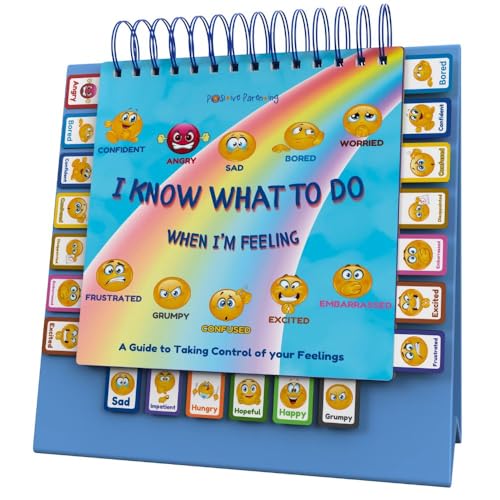
Thought-Spot I Know What to Do Flipbook | Emotions Wheel & Feelings Chart | Emotional Regulation Tool for Home, Class, or Calm Down Corner | Helps Kids Learn Coping Skills | Autism Must-Have
Understand & Express Everyday Feelings: Visually guides children ages 3–5 to recognize and name their emotions. This flipbook…
As an affiliate, we earn on qualifying purchases.
As an affiliate, we earn on qualifying purchases.
Conclusion
Your child’s meltdown is like a storm passing through your calm sky. Though chaotic and loud, it’s a fleeting moment that teaches you patience and resilience. Just as storms clear, these challenging moments fade, leaving behind clearer skies and stronger bonds. Embrace each meltdown as a chance to grow, to understand, and to nurture your child’s emotional world. With patience, you become the steady anchor in their turbulent sea, guiding them toward calmer waters.

ARHEQI Breathing Exerciser for Kids, Sensory Toys with Whistle, Floating Blow Pipe Balls, Balloon Launcher, Autism Speech Therapy Toys for 3 4 5 6 7 Year Old Boys Girls Gifts- Green
3 in 1 Montessori Toy: This blow up toy has three ways to play: blow up a sound,…
As an affiliate, we earn on qualifying purchases.
As an affiliate, we earn on qualifying purchases.

JOYIN 4-Pack Fidget Tubes for Kids, Sensory Tubes, Stress Relief Toy, Speech Therapy, Calming Toys for Children with Autism, Calm Down Corner Classroom Supplies, Easter School Gifts for Toddlers
Engaging Social-Emotional Learning Activities: Discover our vibrant set of fidget tubes designed to foster social and emotional skills…
As an affiliate, we earn on qualifying purchases.
As an affiliate, we earn on qualifying purchases.