
Managing two sick kids alone is incredibly tough, requiring you to juggle urgent needs, medications, and emotional comfort all at once. Staying organized with timers or alarms helps prevent mistakes, while breaking tasks into small steps eases the overwhelm. Maintaining a calm attitude and creating a comforting home environment provide stability for your children. Self-care, even in small moments, boosts your resilience. If you keep going, you’ll discover effective strategies to navigate this challenging week with more confidence.
Key Takeaways
- Prioritize urgent needs and use timers to manage medication schedules efficiently.
- Break caregiving tasks into simple steps to prevent feeling overwhelmed.
- Stay calm and focused to provide reassurance and effectively handle multiple children.
- Create a supportive, organized home environment for stability and comfort.
- Practice self-care with quick hydration, snacks, and brief breaks to maintain resilience.

Caring for two sick kids at the same time can feel overwhelming, but with a clear plan, you can manage the chaos more effectively. When your children are unwell, caregiving challenges multiply quickly, and it’s easy to feel pulled in every direction. Your emotional resilience becomes a vital tool in navigating this difficult week. It’s normal to feel exhausted, frustrated, or helpless, but recognizing those feelings and managing them is crucial. Staying calm and composed helps your kids feel safer and more comforted, even amid the chaos. Remember, your strength and patience are your best resources.
One of the biggest caregiving challenges is juggling multiple needs simultaneously. Each child may require different medications, comfort, or attention, and it can be hard to prioritize. You might find yourself running from one child’s bedside to the other, trying to soothe fevers, administer medication, or change blankets. During these moments, don’t forget to breathe. Break tasks into manageable steps and focus on what’s most urgent. For instance, if one child’s fever spikes, tend to that first while keeping the other comfortable. Use timers or alarms to remind yourself when to give medications or check on them. This structure can help reduce the mental load and prevent mistakes.
Juggle your kids’ needs with calm, focus, and simple steps to prevent overwhelm.
Your emotional resilience is also tested as you navigate the emotional needs of your children. Sick kids often feel scared or cranky, and they look to you for reassurance. Your calm presence can make a big difference. When you’re feeling overwhelmed, take a moment to breathe deeply, even if it’s just for a few seconds. If you’re feeling emotionally drained, don’t hesitate to reach out for support—whether it’s a friend, family member, or caregiver community. Sharing your feelings helps lighten the burden and reminds you that you’re not alone in this. Maintaining a routine, even a simple one, can help provide a sense of stability for your children and give you some structure amidst the chaos. Additionally, home environment plays a significant role in comforting sick children and reducing stress.
In addition, prioritize self-care whenever possible. Even brief moments of hydration, nutritious snacks, or a quick stretch can bolster your emotional resilience. Remember, caring for yourself isn’t selfish; it’s necessary to keep your strength up so you can continue caring for your kids effectively. Keep a positive outlook by focusing on small victories—like successfully administering medication or comforting a crying child. Celebrate these wins, because they remind you that you’re capable, even in the most challenging times. Managing two sick kids alone is tough, but with patience, organization, and emotional resilience, you can get through this hard week one step at a time.

Pillogic Medicine Timer-Medication Tracker-Pill Reminder for Prescriptions and Children's Liquid Medicine-Easy to Use
Easy to Use: Attaches to your medicine cap. No alarm, no programming. Pull and remove tab to start…
As an affiliate, we earn on qualifying purchases.
As an affiliate, we earn on qualifying purchases.
Frequently Asked Questions
How Can I Maintain My Own Mental Health During This Time?
To maintain your mental health during this tough time, prioritize self-care routines like quick breaks, deep breathing, or stretching. Reach out for emotional support strategies such as talking with friends or joining online support groups. Remember, taking moments for yourself helps you recharge, so don’t hesitate to ask for help. Staying connected and practicing self-compassion will strengthen your resilience and help you navigate this challenging week.
What Are Quick Nutritious Meal Ideas for Sick Kids?
Did you know that 80% of parents say quick, nutritious meals help them manage busy weeks? For sick kids, try easy recipes like yogurt with honey and fruit, veggie-packed smoothies, or whole-grain toast with nut butter. Healthy snacks such as string cheese, banana slices, or trail mix also boost energy. These options are simple, fast, and packed with nutrients, making caring for your kids easier during tough times.
How Do I Handle Work Responsibilities While Caring for Sick Children?
You can maintain work-life balance by setting clear boundaries and prioritizing urgent tasks. Use emergency planning to prepare for unexpected needs, like having a list of quick contacts or backup child care options. Communicate openly with your employer about your situation and flexible work arrangements. Consider taking short breaks to check on your kids, and don’t hesitate to ask for support from family or friends when needed.
What Signs Indicate I Should Seek Emergency Medical Help?
Your child’s symptoms could be a red flag waving wildly. Seek emergency medical help if they have difficulty breathing, unresponsiveness, a high fever that won’t break, or if they’re inconsolable and showing signs of severe pain. Trust your instincts, and don’t hesitate to contact emergency services or your emergency contacts if symptoms are severe or worsening. Quick action can be lifesaving when symptoms escalate beyond your control.
How Can I Create a Calming Environment for Anxious Children?
To create a calming environment for anxious children, incorporate sensory play like soft textures or gentle sounds to soothe their nerves. Establish calming routines, such as reading a favorite book or listening to calming music, to provide stability. Keep the space quiet and dim lighting, and use comforting objects like blankets or stuffed animals. These strategies help your kids feel safe, reducing anxiety and promoting a sense of calm.

DreamSky Small Digital Alarm Clocks for Bedrooms – RGB Electric Alarm Clock for Kids Bedside Nightstand, Desk Clock with Large Numbers, Dimmer, Adjustable Alarm Volume, USB Port, USB-C Adapter Powered
Small Digital Clock with Large Number: the electronic desk clock is designed with compact streamline size yet with…
As an affiliate, we earn on qualifying purchases.
As an affiliate, we earn on qualifying purchases.
Conclusion
As the week finally winds down, you can’t help but wonder—will this be the turning point, or is there still more chaos lurking just around the corner? You’ve handled feverish nights and endless coughs, but somehow, a nagging feeling remains. Maybe tomorrow will bring relief, or maybe the next challenge is already on its way. One thing’s certain: you’ve proven you’re stronger than you ever imagined. The hardest week may be over, but the journey isn’t quite finished yet.
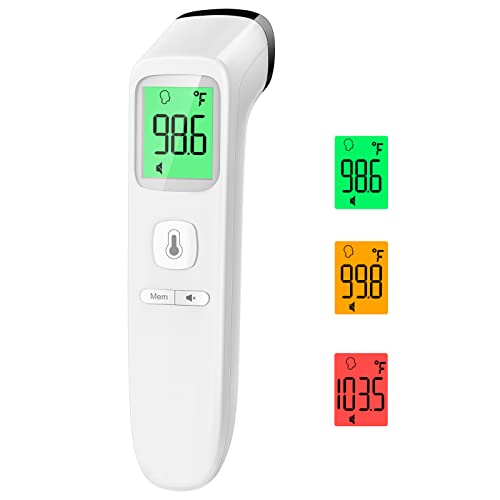
No-Touch Thermometer for Adults and Kids, Accurate Digital Baby Thermometer, Fever Alarm & Silent Mode, 2 in 1 Forehead & Object Mode
Reliable & Accurate: Goodbaby Forehead Thermometer has been clinically tested and found to be a fast and absolutely…
As an affiliate, we earn on qualifying purchases.
As an affiliate, we earn on qualifying purchases.

Pro Goleem Dog Security Blanket Brown Soft Puppy Lovey for Boys and Girls Unisex Lovie Baby Gifts for Toddler and Infant Snuggle Toy Stuffed Animal 16 Inch
[Soft Puppy Lovey] The Labrador Retriever security blanket can help baby fall back to sleep quickly or feel…
As an affiliate, we earn on qualifying purchases.
As an affiliate, we earn on qualifying purchases.