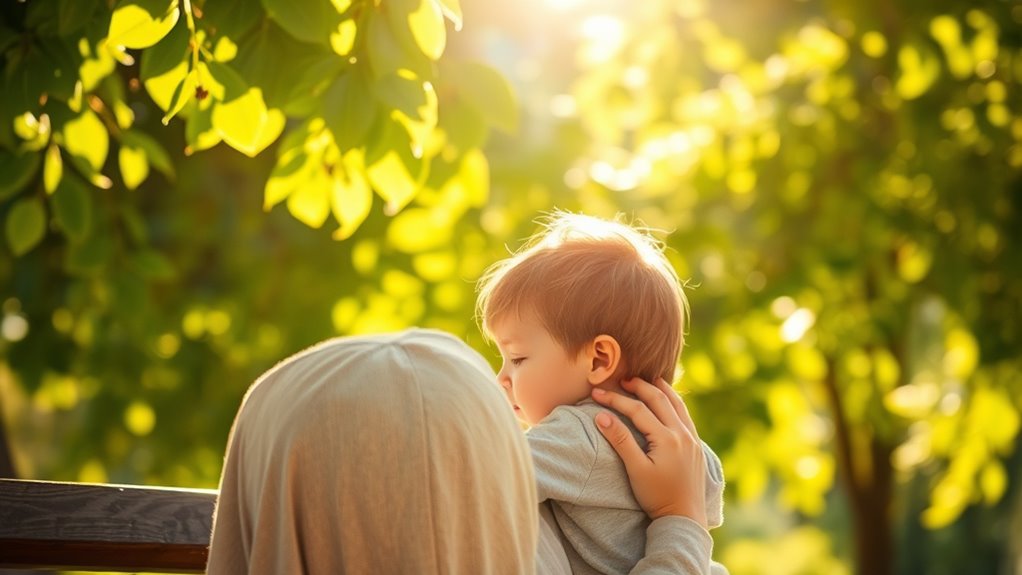

You stopped sharing your kids’ faces online to protect their privacy and prevent unintended exposure. Sharing images creates a lasting digital footprint that’s hard to control and could be accessed by strangers or future employers. By refraining, you reduce risks like data breaches and misuses while empowering your children to shape their online identity later. If you keep exploring, you’ll discover more ways to safeguard their future and respect their boundaries.
Key Takeaways
- To protect my children’s privacy and control their digital footprints.
- To prevent potential misuse, hacking, or unintended sharing of their images.
- To respect their future autonomy and allow them to decide about their online presence.
- To minimize risks of exposure to strangers, predators, or future employers.
- To promote responsible parenting by prioritizing safety and respecting their boundaries.
Sharing your kids’ faces online might seem harmless, but there are important reasons to contemplate stopping. When you post photos of your children, you create a digital footprint that can follow them for years. This digital trail can raise serious privacy concerns, especially since once something is shared online, it’s nearly impossible to fully control who sees it or how it’s used. You may think that sharing a cute picture is harmless, but it contributes to a collection of images that can be accessed by strangers, potential predators, or even future employers. Protecting your children’s privacy starts with understanding that their online presence should be shaped by their own choices, not your convenience or desire to share.
Sharing your kids’ faces online can harm their privacy and future; consider protecting their digital footprint.
Every photo you upload adds to their digital footprint, which can impact their future in unexpected ways. Even if you set your social media accounts to private, there are always risks. Data breaches, hacking, or accidental sharing can expose your children’s images to a wider audience than intended. Over time, these images can be compiled into databases or used in ways you never anticipated. This ongoing digital record can influence how others perceive your kids, from their reputation to their safety. You wouldn’t want someone to use their photos without permission or to misrepresent them, but sharing openly increases that risk.
Moreover, the longer you continue to share, the harder it becomes to control your children’s online identities. Kids are naturally curious and might later regret the images shared of them in childhood. They may feel embarrassed or exposed, especially if photos are shared without their consent. As a parent, your role is to protect their privacy and empower them to control their digital footprint as they grow older. By refraining from posting their faces, you give them a chance to build their online presence on their own terms, without the influence of past images that no longer reflect their personalities or boundaries.
Ultimately, stopping the sharing of your kids’ faces online isn’t about hiding them or being overly cautious — it’s about respecting their privacy and safeguarding their future. Each photo you decide not to post helps reduce their digital footprint and minimizes privacy concerns. Remember, their online reputation begins with you. When you choose to limit what you share, you’re making a proactive decision to protect their safety and give them the opportunity to shape their online identity when they’re ready. It’s a responsible, thoughtful step toward respecting their privacy now and in the future.

THE INTERNET IS NOT YOUR FRIEND: ONLINE SAFETY FOR TEENS: Protection from Scams, Sextortion, Deepfakes, Cyberbullying, Privacy Leaks, AI Risks, and … Pressure (What They Don't Teach At School)
As an affiliate, we earn on qualifying purchases.
As an affiliate, we earn on qualifying purchases.
Frequently Asked Questions
How Do I Handle Relatives Who Want to See My Kids’ Pictures?
You set firm family boundaries by politely explaining your decision to limit sharing your kids’ photos online. Emphasize the importance of digital etiquette and privacy, and kindly ask relatives to respect your choices. Offer alternative ways to share updates, like personal messages or private albums. This approach helps maintain respect and understanding while protecting your children’s privacy, ensuring everyone stays on the same page about digital boundaries.
What Are the Legal Implications of Sharing Children’s Images Online?
Sharing children’s images online is like opening a window to their privacy; it can lead to serious legal liabilities if not handled carefully. You could face legal consequences related to child protection laws, especially if images are misused or shared without consent. Always consider the legal implications before posting, and remember, safeguarding your child’s privacy is more important than likes or comments. Stay informed and prioritize their safety.
How Can I Protect My Kids’ Privacy Without Sharing Their Faces?
You can safeguard your kids’ privacy by using privacy measures like blurring faces or avoiding sharing identifiable details. Opt for photos that focus on activities or objects rather than faces, and limit the personal information you post. This helps reduce their digital footprints and keeps their identities secure. By being mindful of the content you share, you ensure your children’s privacy remains protected while still sharing meaningful moments online.
Are There Safer Alternatives to Sharing Kids’ Photos Publicly?
You can keep your kids safe by using private albums and digital watermarking instead of sharing photos publicly. Private albums restrict access, so only trusted family and friends see your children’s pictures. Digital watermarking adds a layer of protection by embedding your unique mark, deterring unauthorized use. This way, you enjoy sharing special moments without exposing your kids to unnecessary risks, giving you peace of mind while preserving memories safely.
How Will My Kids Feel About Their Images Being Online?
Your kids might feel uncomfortable or exposed knowing their images are online, which can impact their sense of child autonomy. They could worry about their digital footprint and how their photos are used or shared in the future. By considering their feelings and involving them in decisions, you help foster trust and respect. It is crucial to prioritize their comfort now, so they feel empowered rather than vulnerable about their online presence.

Life Skills for Kids in a Digital World: Navigating the Foundational Life Skills Needed for Digital Literacy, Online Safety, and Privacy
As an affiliate, we earn on qualifying purchases.
As an affiliate, we earn on qualifying purchases.
Conclusion
Ultimately, stopping sharing your kids’ faces online is like closing a window to protect your home. It’s about safeguarding their innocence and giving them control over their digital footprint. You’re choosing to shield them from potential dangers in the vast online world, just like a parent shielding their child from the storm. Trust your instincts—your love and caution are the strongest shields you can offer. Sometimes, the quietest choices are the most powerful.

Smart Watch for Kids Girls Gift: No APP No Phone Needed Watch with Heart Rate Sleep Monitor Pedometer, Music Player, Alarm Clock & Timer, 20 Games, Camera-Birthday Gifts for 4-16 Year Old Boys Black
【Works Great With or Without Your Phone】Without APP Our kids smartwatch works perfectly on its own. It shows…
As an affiliate, we earn on qualifying purchases.
As an affiliate, we earn on qualifying purchases.

McAfee Total Protection Unlimited-Devices | AntiVirus Software 2026 for Windows PC & Mac, AI Scam Detection, VPN, Password Manager, ID Monitoring | 1-Year Subscription with Auto-Renewal | Download
DEVICE SECURITY – Award-winning McAfee antivirus, real-time threat protection, protects your data, phones, laptops, and tablets
As an affiliate, we earn on qualifying purchases.
As an affiliate, we earn on qualifying purchases.