

Respecting differences means understanding that everyone’s perspective is shaped by unique experiences, and it’s okay to disagree without hostility. By approaching disagreements with curiosity and active listening, you foster mutual respect and create space for peaceful coexistence. Recognizing others’ right to hold different opinions helps build trust and empathy. If you continue exploring this approach, you’ll discover practical ways to nurture respectful relationships and turn disagreements into opportunities for growth.
Key Takeaways
- Respect others’ right to hold differing opinions without insisting on agreement.
- Approach disagreements with curiosity and active listening to foster understanding.
- Recognize that coexistence doesn’t require consensus, only mutual respect.
- Use humility and open-mindedness to navigate conflicts constructively.
- Embrace differences as opportunities for growth and broadened perspectives.

Have you ever wondered why embracing differences matters? When you develop cultural awareness, you open yourself up to a world beyond your own experiences and beliefs. Recognizing that others may see the world differently isn’t just about tolerance; it’s about understanding that these differences enrich your perspective. Cultivating open-mindedness allows you to approach disagreements with curiosity instead of defensiveness. Instead of seeing conflicts as threats, you learn to view them as opportunities to learn and grow, which is essential for building respectful relationships.
Opening your mind to differences fosters growth, understanding, and respectful relationships in a diverse world.
In a diverse world, you’ll encounter varying opinions, customs, and values. Instead of dismissing these differences outright, you can choose to see them through the lens of cultural awareness. This means actively seeking to understand why someone holds a particular belief or behaves a certain way. When you do, you create a space where dialogue becomes constructive rather than confrontational. Open-mindedness helps you accept that you don’t have to agree on everything to coexist peacefully. It’s about respecting someone else’s right to hold a different opinion without feeling threatened or needing to change their mind immediately.
Practicing cultural awareness and open-mindedness doesn’t mean you abandon your own principles. Instead, it involves recognizing that your perspective isn’t the only valid one. This awareness helps you avoid stereotypes and misconceptions, paving the way for genuine understanding. When you acknowledge that others’ experiences shape their worldview, you foster empathy. That empathy allows you to accept differences, even when you strongly disagree. Respecting someone’s right to their opinion, despite your disagreement, demonstrates maturity and emotional intelligence.
Agreeing to disagree becomes easier when you approach conversations with humility and curiosity. Instead of trying to win an argument, focus on listening actively and asking questions. This signals that you value the other person’s perspective, even if it conflicts with your own. Over time, this approach builds trust and mutual respect, making disagreements less divisive. Remember, embracing differences isn’t about erasing disagreements but about finding common ground while honoring each person’s unique outlook. Developing emotional intelligence can help you manage these interactions more thoughtfully.
![Active Listening [3-in-1]: 113 Techniques & Tips to Improve Your Relationships through the Art of Empathic Communication. Make People Feel Heard, Understood, and Valued by Asking the Right Questions](https://m.media-amazon.com/images/I/41iweY3Y2zL._SL500_.jpg)
Active Listening [3-in-1]: 113 Techniques & Tips to Improve Your Relationships through the Art of Empathic Communication. Make People Feel Heard, Understood, and Valued by Asking the Right Questions
As an affiliate, we earn on qualifying purchases.
As an affiliate, we earn on qualifying purchases.
Frequently Asked Questions
How Can I Maintain Friendships Despite Disagreements?
To maintain friendships despite disagreements, focus on mutual understanding and practice active listening. Show genuine interest in their perspective, even if you disagree, and avoid interrupting. Respect their feelings and communicate your views calmly. Remember, it’s okay to disagree; what matters is how you handle the conversation. By staying respectful and open-minded, you strengthen your bond and keep the friendship strong despite differences.
What Are Effective Ways to Calm Heated Debates?
When emotions run high, it’s best to hit the pause button and focus on emotional regulation. Take deep breaths, stay calm, and avoid reacting impulsively. Practice active listening—really hear what the other person is saying without interrupting or planning your response. This approach can turn a heated debate into a productive conversation. Remember, sometimes a conversation is like a two-way street; listening can be your best tool to de-escalate tension.
How Do Cultural Differences Influence Disagreement?
Cultural differences shape how you approach disagreements through diverse cultural norms and communication styles. You might find that some cultures value directness, while others prefer indirect, respectful communication. These variations influence your reactions and understanding during conflicts. By recognizing these differences, you can adapt your approach, showing respect and empathy. This awareness helps you navigate disagreements more effectively, fostering mutual understanding and reducing misunderstandings in cross-cultural interactions.
Can Respecting Differences Improve Teamwork?
Yes, respecting differences can substantially improve teamwork. When you foster mutual understanding, team members feel valued and understood, which reduces conflicts. By actively listening and acknowledging diverse perspectives, you make conflict resolution easier and more constructive. This approach encourages collaboration, trust, and creativity, ultimately strengthening your team’s cohesion. Respecting differences creates an inclusive environment where everyone feels comfortable sharing ideas, leading to better problem-solving and overall success.
What Are Signs of Unhealthy Disagreement?
Unhealthy disagreement shows signs like escalating miscommunication pitfalls and emotional triggers, where conversations turn hostile or unproductive. You might notice defensiveness, personal attacks, or refusal to listen. When emotions run high and misunderstandings grow, it indicates that the disagreement isn’t healthy. These signs warn you to pause, address underlying issues calmly, and avoid further escalation, fostering a more respectful and constructive dialogue.
cultural awareness training kits
As an affiliate, we earn on qualifying purchases.
As an affiliate, we earn on qualifying purchases.
Conclusion
So, here’s the irony—you’re encouraged to respect differences, yet society often pushes for uniformity. By agreeing to disagree, you actually prove how strong your respect can be. It’s funny how embracing others’ views can unite us rather than divide. So, next time someone challenges your opinion, remember: the real strength lies in respecting their differences. After all, isn’t it more interesting to celebrate variety than to seek sameness?

52 Essential Emotional Intelligence Training – Relationship Skills Card Game for Empathy, Trust Building Activities, Conversation Starters, Team Icebreaker Tools – by Harvard Researcher
Featured in Forbes, CNBC, Business Insider, PopSugar: Packed with effective language, skills, and strategies; improve personal and professional…
As an affiliate, we earn on qualifying purchases.
As an affiliate, we earn on qualifying purchases.
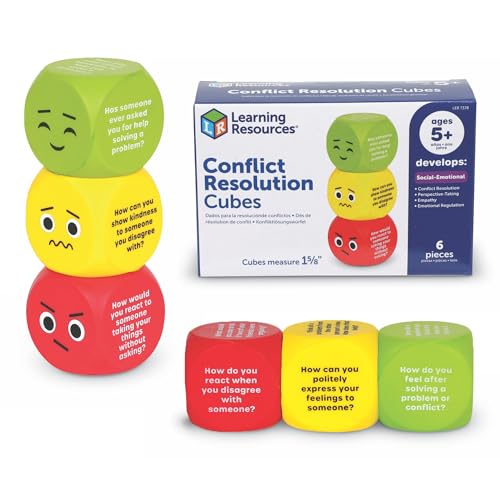
Learning Resources Conflict Resolution Cubes – Conversation Starter Cubes, Therapy Games for Kids, Social Skills Cards, Social Emotional Learning Games, Table Questions for Family Dinner
LEARNING CONVERSATION CUBES: Kids roll colorful cubes and explore 30 prompts while building communication skills; perfect for conversation…
As an affiliate, we earn on qualifying purchases.
As an affiliate, we earn on qualifying purchases.