

Sharing household responsibilities in a modern relationship promotes fairness, reduces stress, and strengthens your bond. Open communication is key—discuss strengths, schedules, and preferences regularly, and use clear, honest conversations to prevent misunderstandings. Organize chores with shared schedules or charts, rotate tasks, and recognize each other’s efforts to motivate teamwork. This approach creates a balanced, supportive home environment and helps avoid resentment. Stay ahead by exploring how these strategies can transform your partnership into a cooperative, respectful team.
Key Takeaways
- Open, honest communication about preferences and schedules fosters effective division of chores in modern relationships.
- Using shared schedules or chore charts promotes transparency and fairness in household responsibilities.
- Regular check-ins and flexibility help adapt responsibilities as life circumstances evolve.
- Recognizing each other’s efforts and practicing positive reinforcement motivate teamwork and cooperation.
- Equitable sharing of chores strengthens relationships, reduces resentment, and creates a harmonious home environment.

Sharing household responsibilities is essential for maintaining a balanced and harmonious home. When you actively participate in dividing chores, you ensure that no one feels overwhelmed or undervalued. Instead of leaving everything to chance or tradition, you can approach chores as a team effort. Start by having an honest conversation about each other’s strengths, preferences, and schedules. This way, you can develop effective communication strategies that work for both of you. Clear communication is the foundation of a successful division of chores; it prevents misunderstandings and keeps resentment at bay. When you openly discuss who does what and when, everyone feels more responsible and appreciated. Incorporating a shared schedule or chore chart** can further help visualize and organize your responsibilities. To make dividing chores easier, consider creating a shared schedule or chore chart. This visual tool helps you see at a glance what needs to be done and who is responsible for each task. You might find that rotating chores weekly keeps things fair and prevents boredom. For instance, one week, you handle laundry while your partner takes care of the dishes, then switch the following week. This approach ensures that chores are evenly distributed and no one feels stuck with the same responsibilities all the time. Remember, flexibility is key—life can be unpredictable, so be willing to adjust your plan as needed. Implementing communication strategies makes discussing chores less confrontational. Use “I” statements to express how you feel about certain responsibilities, like “I feel overwhelmed when I handle all the cleaning” instead of “You never help around the house.” This reduces defensiveness and encourages an open dialogue. Regular check-ins also help you stay on the same page and address any issues before they escalate. For example, set aside time weekly to review who’s done what and if adjustments are needed. Another important aspect of sharing household responsibilities is recognizing each other’s efforts. A simple thank you or acknowledgment can boost motivation and foster a sense of teamwork. Remember, sharing chores isn’t about keeping score but about supporting each other to keep your home running smoothly. When you approach chores with cooperation and respect, it creates a positive environment where both of you feel valued and understood. Ultimately, dividing chores thoughtfully and communicating effectively not only lightens the load but also strengthens your relationship**, making your home a happier, more balanced place to be.

PigPotParty 2-in-1 Acrylic Magnetic Chore Chart for 2 Kids, Couples, Roommates, 15"x11" Large Dry Erase Chore Board for Fridge, Clear Weekly & Daily Reward Chart, Includes 12 Markers & Towel
Perfect for 2 Kids, Couples or Roommates: This 2-in-1 chore chart features side-by-side sections to clearly track individual…
As an affiliate, we earn on qualifying purchases.
As an affiliate, we earn on qualifying purchases.
Frequently Asked Questions
How Can Couples Address Unequal Workload Perceptions?
You can address unequal workload perceptions by openly discussing your feelings and actively listening to your partner, which helps break down communication barriers. Acknowledge how cultural expectations might influence your views on household duties and work together to set clear, fair responsibilities. Regular check-ins ensure both of you feel heard and valued, fostering understanding and shared commitment. This approach promotes equality and strengthens your relationship.
What Strategies Promote Long-Term Commitment to Shared Chores?
Imagine you and your partner commit to regular check-ins, fostering open communication enhancement. This habit encourages honest discussions about chores, making task delegation clearer and fairer. For long-term commitment, set shared goals and celebrate small successes together. Consistently prioritizing communication and fairness strengthens your partnership, ensuring chores become a team effort rather than a burden. This approach builds trust and keeps both of you motivated to maintain balanced responsibilities over time.
How Does Sharing Responsibilities Impact Relationship Satisfaction?
Sharing responsibilities boosts your relationship satisfaction by strengthening communication patterns and fostering emotional intimacy. When you and your partner openly discuss chores and support each other, you build trust and understanding. This mutual effort reduces stress and resentment, creating a more harmonious environment. As you work together, your emotional connection deepens, making both of you feel valued and understood, ultimately enhancing your overall happiness and longevity as a couple.
What Are Effective Ways to Resolve Disagreements Over Chores?
Oh, resolving chores disputes is easy—just ignore communication barriers and emotional triggers, right? Just kidding! You should openly discuss expectations, listen actively, and stay calm. Avoid blame and recognize each other’s feelings to prevent escalation. Compromise when needed, and set clear, shared goals. Remember, tackling disagreements with patience and empathy turns chores from a battlefield into teamwork, making your relationship stronger instead of stressful.
How Can Busy Schedules Be Balanced With Household Duties?
You can balance busy schedules with household duties by practicing effective time management and task prioritization. Set aside specific times for chores, and use a shared calendar to stay organized. Break tasks into smaller, manageable steps, and tackle high-priority chores first. By staying proactive and communicating openly, you guarantee household responsibilities fit into your busy life without feeling overwhelmed, making your home life smoother and more balanced.

Home Cleaning Planner & Checklist Book for Women Adults – Daily, Weekly & Monthly Cleaning Schedule and Checklist, Housekeeping Organizer with Cleaning Lists, Spiral Bound Cleaning Book Planner
All-in-One Cleaning Planner System: Stay organized with a complete home cleaning planner designed for real life. This cleaning…
As an affiliate, we earn on qualifying purchases.
As an affiliate, we earn on qualifying purchases.
Conclusion
When you realize that sharing chores not only lightens the load but also brings you closer, it feels like fate. Sometimes, the smallest act—like doing the dishes or folding laundry—becomes a surprising reminder that teamwork makes everything easier. It’s funny how these little moments, seemingly coincidental, can strengthen your bond and create a more balanced relationship. Embrace the shared effort; after all, life has a way of rewarding partnership when you least expect it.
Cleaning Planner, Cleaning Schedule and Checklist Organizer, Daily Weekly Monthly Household Cleaning Planner, Chore Chart Notebook for Home, Family Cleaning Tasks, DIY Home Improvement, Editable Template
Effortless Home Organization:Streamline your cleaning routine with our Advanced Housekeeping Checklist, designed for daily, weekly, or monthly task…
As an affiliate, we earn on qualifying purchases.
As an affiliate, we earn on qualifying purchases.

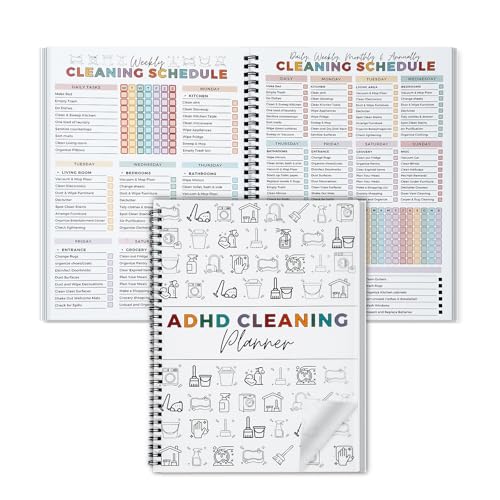
PGJ ADHD Cleaning Planner for Adults – Undated Daily, Weekly & Monthly Cleaning Schedule & Checklist – Household Chores Organizer Notebook for Home Management, Routine Tracking Family Cleaning Tasks
🧠 Designed for ADHD Busy Lifestyles Created with clear, structured layouts that simplify overwhelming tasks into small, achievable…
As an affiliate, we earn on qualifying purchases.
As an affiliate, we earn on qualifying purchases.