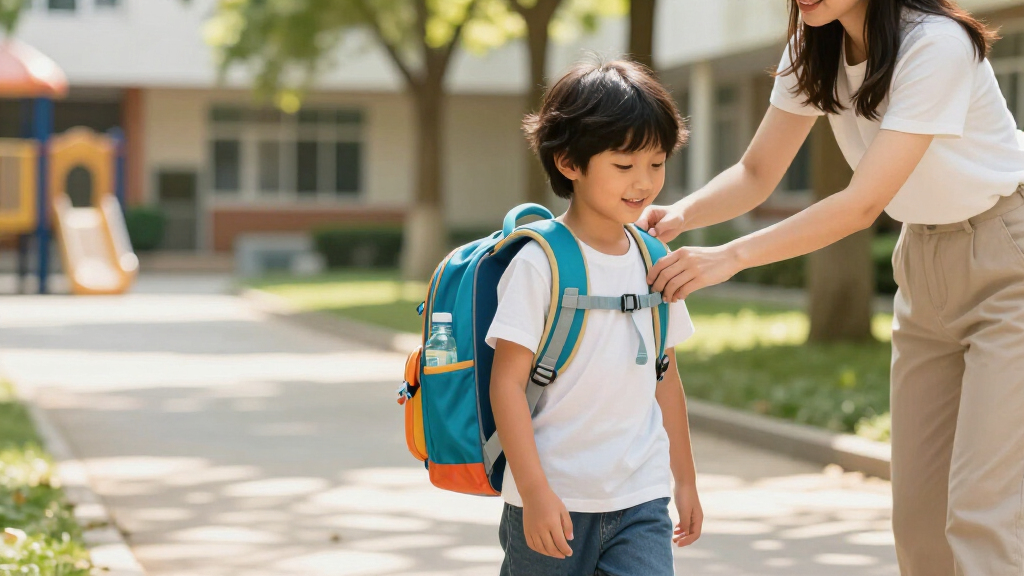

Kids’ ergonomic backpacks are designed to keep heavy school loads from straining young shoulders and spines, and the differences between models matter more than most parents expect. The Osprey Daylite Jr. stands out as my best overall pick because it pairs a genuinely supportive suspension with a light frame and a fit range that grows with your child. For younger kids, the Deuter Junior brings alpine-grade shoulder straps and a sternum strap at a mid-range price, while the SKYSPER 12L/18L is the value leader with its chest strap and breathable back panel. The main tradeoff in this category is true ergonomic structure versus cheap character prints — most big-box school bags skip load-lifting features entirely, while genuine outdoor brands charge more for them. Keep reading for the full breakdown of all 15 packs, who each one suits, and which ones fall short on back support.

Turn the school run and nap time into listening time
- Thousands of audiobooks, podcasts and originals
- Listen on your phone, tablet or Echo — also offline
- Cancel anytime
Complete the kit


Key Takeaways
- Only a handful of the 15 packs — the Osprey Daylite Jr., Deuter Junior, SKYSPER, and MOUNTAINTOP — include real ergonomic features like sternum straps, padded back panels, and load-stabilizing shapes; most generic 17-inch school bags rely on thin straps and a single flat compartment.
- Bigger is not better: the 17-inch laptop-style bags (Bluboon, Bluefairy, Mezhsa) invite kids to carry more weight, which undermines posture goals — smaller 8–12L packs naturally cap the load for elementary-age children.
- True outdoor brands (Osprey, Deuter) justify their premium with adjustable harnesses and warranty coverage, but their minimal organization frustrates kids who need pencil pockets and folder dividers.
- Character-licensed options like the Simple Modern Marvel Spidey and ACESAK Astronaut win enthusiasm battles but trade structural support for theme appeal — fine for light preschool loads, weak for middle schoolers.
- The cheapest packs in the lineup (Trail Maker, generic toddler bags) cost under $20 but shed straps, zippers, and stitching within a school year, making them the most expensive choice per month of use.
| SKYSPER Kids Backpack 12L/18L for Ages 4-10 |  | Best for Outdoor Adventurers | Capacity: 12L / 18L | Age Range: 4-10 years | Material: Water-resistant polyester | VIEW LATEST PRICE | See Our Full Breakdown |
| Bluboon Boys School Backpack for Elementary and Middle School |  | Best for Laptop-Carrying Students | Dimensions: 17.5 x 12 x 6.5 inches | Material: Polyester | Water Resistance: Waterproof | VIEW LATEST PRICE | See Our Full Breakdown |
| MOUNTAINTOP 8L/12L Kids Backpack for Toddlers |  | Best for Preschoolers | Dimensions: 8.3 x 5.9 x 14.9 inches | Weight: 0.8 lbs | Capacity: 8L / 12L | VIEW LATEST PRICE | See Our Full Breakdown |
| 17 Inch Kids Backpack with Laptop Compartment, Dark Black |  | Best Capacity on a Budget | Dimensions: 17 x 12 x 6 inches | Capacity: 25 liters | Weight: 1 pound | VIEW LATEST PRICE | See Our Full Breakdown |
| Bluefairy Kids Backpack for Boys, 17 Inch Camo Blue |  | Best Long-Lifespan Everyday Pack | Dimensions: 17 x 12 x 6 inches | Padded Sleeve: Yes (tablet/laptop) | Water Resistance: Yes | VIEW LATEST PRICE | See Our Full Breakdown |
| Kids Backpack for Boys Ages 4-6, Toddler Preschool Kindergarten School Bag |  | Best for Little First-Timers | Size: 15 x 11 x 5 inches | Material: Water-resistant polyester | Pockets: 3 (main, front, side) | VIEW LATEST PRICE | See Our Full Breakdown |
| Trail Maker Classic 17-inch Backpack for Kids and Adults |  | Best Budget Workhorse | Dimensions: 17 x 12 x 5.5 inches | Capacity: 20 liters | Material: Polyester | VIEW LATEST PRICE | See Our Full Breakdown |
| PUMA Kids’ Meridian Backpack |  | Best Brand-Name Minimalist | Design: Simple, classic PUMA styling | Material: Durable fabric | Pockets: Multiple compartments | VIEW LATEST PRICE | See Our Full Breakdown |
| Mezhsa Boy School Backpack Lightning Bookbag 17 Inches Waterproof Lightweight |  | Best Weather Protection | Size: 43 x 30 x 14 cm (17 x 12 x 5.5 inches) | Material: High-grade nylon | Waterproof: Yes | VIEW LATEST PRICE | See Our Full Breakdown |
| ACESAK Astronaut Backpack for Boys with Lunch Bag |  | Best Complete School Kit | Dimensions: 11.8 x 5.9 x 17.7 inches | Material: 900D Oxford fabric and quilted polyester | Included Items: Backpack, lunch bag, astronaut pendant | VIEW LATEST PRICE | See Our Full Breakdown |
| Simple Modern Marvel Spidey Kids Backpack for School, 12L |  | Best for Preschoolers | Capacity: 12L | Dimensions: 14.4″ x 10.4″ x 5.9″ | Material: Polyester | VIEW LATEST PRICE | See Our Full Breakdown |
| Deuter Junior Children’s Backpack (18L) |  | Best Premium Build | Capacity: 18 L | Material: 600D PES, recycled PET | Age Range: 7+ years | VIEW LATEST PRICE | See Our Full Breakdown |
| Osprey Daylite Jr. Kids’ Commuter Backpack |  | Best Lightweight Pick | Dimensions: 13.4H x 8.7W x 7.1D inches | Weight: 0.69 lbs | Harness: Mesh harness system | VIEW LATEST PRICE | See Our Full Breakdown |
| Kids Backpack for Girls Aged 6-14, Water-resistant Multi-Compartment School Bag |  | Best for Organization | Dimensions: 17 x 7 x 12 inches | Material: Water-resistant polyester | Suitable Age: 6-14 years | VIEW LATEST PRICE | See Our Full Breakdown |
| Bentgo Kids Print Durable & Water-Resistant Backpack |  | Best Matching Lunch Set | Capacity: 14 liters | Dimensions: 12 x 5.25 x 14.25 inches | Weight: 1.2 pounds | VIEW LATEST PRICE | See Our Full Breakdown |
| kids’ ergonomic backpack | Material | Dimensions |
|---|---|---|
| SKYSPER Kids Backpack 12L/18L | Water-resistant polyester | — |
| Bluboon Boys School Backpack f | Polyester | 17.5 x 12 x 6.5 inches |
| MOUNTAINTOP 8L/12L Kids Backpa | 600D polyester | 8.3 x 5.9 x 14.9 inches |
| 17 Inch Kids Backpack with Lap | Polyester | 17 x 12 x 6 inches |
| Bluefairy Kids Backpack for Bo | — | 17 x 12 x 6 inches |
| Kids Backpack for Boys Ages 4- | Water-resistant polyester | — |
| Trail Maker Classic 17-inch Ba | Polyester | 17 x 12 x 5.5 inches |
| PUMA Kids’ Meridian Backpack | Durable fabric | — |
| Mezhsa Boy School Backpack Lig | High-grade nylon | — |
| ACESAK Astronaut Backpack for | 900D Oxford fabric and quilted polyester | 11.8 x 5.9 x 17.7 inches |
| Simple Modern Marvel Spidey Ki | Polyester | 14.4" x 10.4" x 5.9" |
| Deuter Junior Children’s Backp | 600D PES, recycled PET | — |
| Osprey Daylite Jr. Kids’ Commu | — | 13.4H x 8.7W x 7.1D inches |
| Kids Backpack for Girls Aged 6 | Water-resistant polyester | 17 x 7 x 12 inches |
| Bentgo Kids Print Durable & Wa | Nylon blend, polyester lining | 12 x 5.25 x 14.25 inches |
More Details on Our Top Picks
SKYSPER Kids Backpack 12L/18L for Ages 4-10
The SKYSPER Kids Backpack stands out as the pick for families whose kids split time between school and the trail. Unlike the classroom-first Bluefairy 17-inch, this pack leans into outdoor design: a ventilated back panel, anti-fall and stain-resistant construction, and a trimmer 12L/18L capacity that keeps loads light on small frames. The two-size range is a real advantage over the MOUNTAINTOP toddler pack, which maxes out around age 5 — here you get roughly ages 4 through 10 covered. The tradeoff is honest: it won’t swallow a full binder-and-laptop school load the way a 17-inch bookbag will, and the water resistance is light-rain level, not downpour protection.
Pros:- Two size options (12L/18L) span ages 4-10
- Ventilated back panel and lightweight build keep loads comfortable
- Stain-resistant, durable fabric survives outdoor wear
- Multiple pockets keep small gear organized
Cons:- Too small for laptop-carrying older students
- Water resistance falters in heavy rain
Best for: Active families who need one pack that handles weekend hikes, travel days, and lighter school loads for kids aged 4-10
Not ideal for: Middle schoolers hauling textbooks and a laptop — the 18L capacity fills up fast
- Capacity:12L / 18L
- Age Range:4-10 years
- Material:Water-resistant polyester
- Back Panel:Ventilated
- Straps:Adjustable
- Best Use:Outdoor, school, travel
Our verdict“Buy this if your kid’s backpack sees as much trail as it does classroom; skip it if school binders and laptops are the priority.”
Bluboon Boys School Backpack for Elementary and Middle School
When a backpack needs to protect a 15.6-inch laptop, most kids’ packs fall short — the SKYSPER maxes out at 18L of soft storage with no device sleeve. The Bluboon school backpack fills that gap with a dedicated laptop compartment, six pockets, and three main compartments, all in a water-resistant polyester shell. The padded back support and adjustable straps matter here more than they would on a lighter pack, because a laptop plus textbooks is a genuinely heavy load for an elementary student. Compared with the similar-capacity 17-inch generic bookbag, Bluboon’s advantage is style — the graffiti print reads as cool rather than babyish. The cost of all that structure is weight and bulk, so this is not a kindergarten pack.
Pros:- Padded compartment fits laptops up to 15.6 inches
- Six pockets and three compartments keep school gear sorted
- Water-resistant polyester protects electronics
- Padded back panel distributes heavy loads
Cons:- Only two color options (blue graffiti, black)
- Heavier and bulkier than packs built for young kids
Best for: Elementary and middle school students who carry a laptop or tablet daily and need organized, padded storage
Not ideal for: Young children under 7 — the multi-compartment design adds weight even when empty
- Dimensions:17.5 x 12 x 6.5 inches
- Material:Polyester
- Water Resistance:Waterproof
- Pockets:6
- Compartments:3
- Laptop Fit:Up to 15.6 inches
- Straps:Adjustable, padded
- Closure:Zipper
Our verdict“This makes the most sense for the student whose backpack doubles as a laptop bag; younger kids should stay with a lighter pack.”
MOUNTAINTOP 8L/12L Kids Backpack for Toddlers
The MOUNTAINTOP toddler backpack solves a problem most picks in this roundup ignore: a true scaled-down ergonomic frame. At 0.8 pounds with cushioned shoulder pads, breathable back padding, and an adjustable chest strap, it’s built so a preschooler’s posture isn’t fighting an adult-sized bag. The SKYSPER starts at age 4, but its smallest size is still larger than what a 2-5 year old should carry — this pack’s 8.3 x 5.9 x 14.9-inch frame is the right proportion. The smooth kid-operable zippers and reinforced grab handle are thoughtful touches for independence-building. Be clear-eyed about limits, though: the main pocket cannot hold a standard folder, so once kindergarten paperwork starts arriving, this pack’s job is done.
Pros:- Chest strap and padded shoulders suit toddler proportions
- Featherlight 0.8 lb empty weight
- Easy-grip zippers little hands can operate solo
- Durable 600D polyester with reinforced grab handle
Cons:- Main pocket won’t fit a standard school folder
- Outgrown quickly after age 5
Best for: Parents of 2-5 year olds who want a properly proportioned first backpack for preschool, travel, and day trips
Not ideal for: Kindergarteners and up — the main compartment is too small for folders and school work
- Dimensions:8.3 x 5.9 x 14.9 inches
- Weight:0.8 lbs
- Capacity:8L / 12L
- Material:600D polyester
- Age Range:2-5 years
- Special Features:Chest strap, ventilated back padding
- Pockets:Main, front zipper, two side bottle pockets
Our verdict“The right first backpack for the preschool years — buy it for the cubby, not the classroom beyond kindergarten.”
17 Inch Kids Backpack with Laptop Compartment, Dark Black
If raw storage per dollar is the goal, this 17-inch bookbag delivers 25 liters across four compartments and six pockets — more organized space than the Bluefairy or Bluboon at a typically lower price. The padded laptop sleeve handles up to 15.6 inches, and the water-resistant, tear-resistant polyester holds up to the abuse elementary schoolers dish out. At just one pound empty, it undercuts heavier multi-compartment rivals on carry weight, and the adjustable padded straps make a full load manageable for a 6-8 year old. That age window is also the catch: this is squarely an elementary-school pack, not a middle schooler’s daily driver, and hand-wash-only care means juice spills require patience rather than a machine cycle.
Pros:- 25L capacity with four compartments and six pockets
- Padded sleeve fits laptops up to 15.6 inches
- Only 1 pound empty despite the large size
- Water-resistant and tear-resistant polyester
Cons:- Narrow 6-8 age suitability
- Hand wash only
- Minimal color and style options
Best for: Budget-conscious parents of 6-8 year olds who need maximum storage for school books, folders, and a device
Not ideal for: Kids over 8 who want style credibility — the plain design and age rating won’t carry into middle school
- Dimensions:17 x 12 x 6 inches
- Capacity:25 liters
- Weight:1 pound
- Material:Polyester
- Water Resistance:Water resistant
- Compartments:4
- Pockets:6
- Laptop Fit:Up to 15.6 inches
- Care:Hand wash only
Our verdict“The value play for elementary school storage — just don’t expect it to last past third or fourth grade.”
Bluefairy Kids Backpack for Boys, 17 Inch Camo Blue
The Bluefairy 17-inch earns its slot by spanning the widest age range here — ages 4 through 12 — while keeping the weight low. Seven pockets, a padded tablet/laptop sleeve, and breathable adjustable straps make it the pack a family buys once and hands down, in contrast to the MOUNTAINTOP, which is outgrown within a couple of years, or the 17-inch budget bookbag with its tighter 6-8 window. The camo print also splits the difference between the babyish designs younger packs carry and the graphic-heavy Bluboon graffiti style, giving it staying power as tastes mature. The realistic drawback: at 17 inches, it genuinely is oversized on a 4-year-old, so the youngest users will need the straps cinched fully and shouldn’t load it heavily.
Pros:- Wide 4-12 age range with adjustability to match
- Seven pockets plus padded device sleeve
- Lightweight, water-resistant construction
- Camo design ages well across grade levels
Cons:- Oversized on the youngest users in its range
- Few color options to choose from
Best for: Parents who want one durable, stylish pack that survives from kindergarten through late elementary school
Not ideal for: Daily toddler use — the 17-inch frame overwhelms a small 4-year-old even with straps tightened
- Dimensions:17 x 12 x 6 inches
- Padded Sleeve:Yes (tablet/laptop)
- Water Resistance:Yes
- Pockets:7
- Suitable Age:4-12 years
- Straps:Adjustable, padded, breathable
Our verdict“The buy-it-once choice for families who want a single pack to carry a kid through most of elementary school.”
Kids Backpack for Boys Ages 4-6, Toddler Preschool Kindergarten School Bag
Most ergonomic backpacks are built for big kids hauling textbooks, but this one gets the sizing right for the preschool crowd. At 15 x 11 x 5 inches, it sits closer to a child’s torso than the Trail Maker 17-inch, which tends to swallow kindergartners whole. The padded straps and ventilated back are genuinely useful at this age, because small children lean forward when packs are uncomfortable. A safety whistle on the chest buckle is a rare touch — it encourages proper strap positioning while giving kids an emergency tool. The tradeoff: the laptop sleeve rating is odd for ages 4-6, and there are no reflective elements, so it’s weaker for walkers than the ACESAK Astronaut.
Pros:- Correctly scaled for ages 4-6, so the pack doesn’t overwhelm small torsos
- Safety whistle on the chest buckle doubles as an ergonomic strap-positioning aid
- Padded straps and ventilated back panel reduce sweat and pressure
- Water-resistant polyester survives spills and light rain
Cons:- No reflective elements for visibility on walks to school
- Only three pockets, which gets tight once homework folders multiply
- Design skews juvenile, so kids outgrow it by second grade
Best for: Parents of 4-6 year olds starting preschool or kindergarten who need a correctly scaled first backpack
Not ideal for: Kids who walk to school in low light — the lack of reflective detailing is a real safety gap
- Size:15 x 11 x 5 inches
- Material:Water-resistant polyester
- Pockets:3 (main, front, side)
- Recommended Age:4-6 years
- Laptop Fit:Up to 15.6 inches
- Closure:Zipper
- Special Feature:Safety whistle on chest buckle
Our verdict“Buy this if your child is 4-6 and you want a proportionate, whistle-equipped starter pack; skip it once walking-to-school visibility matters.”
Trail Maker Classic 17-inch Backpack for Kids and Adults
At this price point, the Trail Maker gives you a full-size 20-liter main compartment that swallows binders, a lunchbox, and a water bottle — something the smaller PUMA Meridian can’t confirm it does, since PUMA publishes no capacity figures. The vintage styling and color options make it one of the few packs here that a parent could borrow on weekends. Where it falls short on ergonomics: the padded straps are basic, with no chest strap or structured back panel like the ACESAK Astronaut provides. That’s acceptable for light daily loads but worth reconsidering if your child carries heavy textbooks daily.
Pros:- 20-liter capacity handles binders, lunch, and extras for a very low price
- Adjustable padded straps fit both kids and adults
- Durable polyester construction holds up to daily abuse
- Multiple compartments keep schoolwork separated from snacks
Cons:- No chest strap or ergonomic back structure for heavier loads
- Water resistance is unverified, so rain protection is a gamble
- No published weight, making load planning difficult
Best for: Budget-conscious families who need maximum capacity per dollar and don’t carry heavy loads
Not ideal for: Kids hauling heavy textbooks — without a sternum strap or structured back, weight sits entirely on the shoulders
- Dimensions:17 x 12 x 5.5 inches
- Capacity:20 liters
- Material:Polyester
- Straps:Adjustable, padded
- Compartments:Main plus multiple organizer pockets
- Style:Vintage, multiple colorways
Our verdict“The value pick for light-to-moderate school loads when budget rules; invest elsewhere if your kid’s bag runs heavy.”
PUMA Kids’ Meridian Backpack
Compared with the pattern-heavy options in this roundup — the Mezhsa Lightning or ACESAK Astronaut — the Meridian stands out for restraint. The classic PUMA design won’t embarrass a middle schooler, and the padded straps with an ergonomic shape make it a comfortable daily commuter for school or weekend travel. The catch is transparency: no size or capacity is published, which is a real problem when you’re judging whether it fits binders. The Bluboon and Bluefairy 17-inch packs both state laptop compatibility outright, so the Meridian asks buyers to trust the brand rather than the specs. Spot-clean care adds convenience but limits deep cleaning.
Pros:- Understated design that ages well from elementary through middle school
- Ergonomically shaped, padded straps suited to all-day wear
- Durable fabric survives both school days and travel
- Spot-clean care simplifies maintenance
Cons:- No published size, capacity, or laptop-fit details
- No water resistance rating, a step behind the waterproof Mezhsa
- Limited color variety compared with competitors
Best for: Style-conscious tweens and parents who want a recognizable, durable brand with a clean look
Not ideal for: Buyers who need exact dimensions — the missing size specs make laptop and binder fit a gamble
- Design:Simple, classic PUMA styling
- Material:Durable fabric
- Pockets:Multiple compartments
- Comfort:Padded straps, ergonomic shape
- Care:Spot clean
- Use Cases:School and travel
Our verdict“A safe, brand-backed choice for kids who want clean looks over loud patterns — just verify fit before buying.”
Mezhsa Boy School Backpack Lightning Bookbag 17 Inches Waterproof Lightweight
This is the only pack in this batch with a genuine waterproof nylon build, which matters if your kid’s walk to school includes rain or snow. The Deuter Junior and Osprey Daylite Jr. offer better suspension systems, but neither promises waterproofing at this price. The padded laptop sleeve and reinforced straps translate to real load-carrying capability for kids over 7, and the 17-inch frame fits binders and devices that the smaller 4-6 age backpack can’t handle. Two caveats: the lightning print varies between units, so don’t promise your child the exact image shown, and the bold pattern will feel too juvenile by high school.
Pros:- Fully waterproof high-grade nylon protects electronics and books
- Padded laptop sleeve keeps devices secure during commutes
- Reinforced straps handle heavy middle-school loads
- Lightweight despite the 17-inch capacity
Cons:- Print placement varies, so the delivered design may not match the listing photo
- Loud lightning pattern limits appeal for older or style-picky kids
- Limited color options beyond the lightning theme
Best for: Kids over 7 who walk to school in wet weather and carry a laptop or tablet daily
Not ideal for: Children under 7 — the 17-inch frame is oversized for small torsos and encourages poor carrying posture
- Size:43 x 30 x 14 cm (17 x 12 x 5.5 inches)
- Material:High-grade nylon
- Waterproof:Yes
- Recommended Age:Over 7 years
- Laptop Protection:Padded laptop sleeve
- Pattern:Lightning
- Straps:Reinforced
Our verdict“The pick when rain protection and device safety top your list — provided your child is over 7 and likes the design.”
ACESAK Astronaut Backpack for Boys with Lunch Bag
No other product here bundles a matching lunch bag and pendant, which effectively lowers your per-piece cost versus buying the Trail Maker plus a separate lunchbox. Ergonomically, it punches above its price: the breathable back panel, ergonomic straps, and reflective strips address comfort and visibility that the budget packs skip entirely. The 900D Oxford fabric is the most rugged material in this batch. But the USB port is mostly a gimmick — it requires a separate power bank — and at nearly 18 inches tall, it can dwarf a 5-year-old despite the listed age range. The Mezhsa is the better call if waterproofing matters more than the bundled lunch bag.
Pros:- Includes matching lunch bag and bonus pendant, saving a separate purchase
- Reflective strips add real visibility for walking to school
- 900D Oxford fabric is the most durable build in this batch
- Breathable back panel and ergonomic straps support comfortable all-day wear
Cons:- USB charging port requires a power bank you must buy separately
- Full size is too large for the youngest kids in the listed age range
- Astronaut theme won’t appeal to every child
Best for: Parents who want a coordinated backpack-and-lunch-bag set with genuine safety features in one purchase
Not ideal for: Kindergartners at the low end of the age range — the 17.7-inch height is oversized for small bodies
- Dimensions:11.8 x 5.9 x 17.7 inches
- Material:900D Oxford fabric and quilted polyester
- Included Items:Backpack, lunch bag, astronaut pendant
- Special Features:USB port, headphone interface, reflective strips
- Waterproofing:Waterproof
- Comfort:Ergonomic straps, breathable back
- Age Range:5-18 years
Our verdict“The smartest buy for families wanting an all-in-one school kit with safety features — just size up your kid, not down the bag.”
Simple Modern Marvel Spidey Kids Backpack for School, 12L
For the youngest students in this roundup, the Simple Modern Marvel Spidey gets the balance right between fun and function. The 12L capacity sits in the same range as the SKYSPER 12L, but the padded, adjustable straps and reinforced stitching give it an edge for daily daycare abuse. Compared with the MOUNTAINTOP toddler bag, this one offers more organizational pockets, which matters once kids start carrying folders and snack containers. The easy-to-clean polyester is a practical win for parents dealing with juice spills. The tradeoff is character-branded appeal: your child may outgrow the Spidey theme before the bag wears out. Also, unlike the Bentgo, there’s no lunch bag attachment, so you’re buying that separately.
Pros:- Spacious main compartment with multiple organizational pockets
- Easy-to-clean, durable polyester construction
- Padded, adjustable shoulder straps sized for young children
- Reinforced stitching that survives rough daily use
Cons:- Character branding may be outgrown quickly
- No lunch box or water bottle included, unlike bundled rivals
Best for: Parents of preschool and daycare kids aged 3-6 who want a durable, easy-to-clean first backpack with a fun design
Not ideal for: Elementary students carrying textbooks — the 12L capacity fills up fast beyond kindergarten
- Capacity:12L
- Dimensions:14.4″ x 10.4″ x 5.9″
- Material:Polyester
- Recommended Age:3 years and up
- Straps:Padded and adjustable
- Included Extras:None (bag only)
Our verdict“A sensible first backpack for little Spidey fans, as long as you don’t need it to carry more than daycare essentials.”
Deuter Junior Children’s Backpack (18L)
The Deuter Junior is the closest thing to a real hiking pack shrunk down for kids. Its Airstripes ventilated back system is the standout ergonomic feature here — no other bag in this roundup actively keeps a child’s back cooler, which matters on warm walks to school or day hikes. Compared with the Osprey Daylite Jr., the Deuter offers more capacity and reflective safety details that the Osprey lacks. The recycled PET construction comes from a legitimate outdoor heritage brand, so durability expectations should be higher than budget options like the Trail Maker. The tradeoffs: it costs more, Deuter doesn’t publish weight or dimensions, and there’s no laptop sleeve — this is built for adventures, not Chromebooks.
Pros:- Airstripes ventilated back system keeps kids comfortable and cool
- Eco-friendly recycled materials with true outdoor-brand durability
- Reflective details and kid-friendly buckles add safety and usability
- Ergonomic, adjustable straps tuned for growing children
Cons:- No published weight or dimensions, making size planning harder
- Premium price with no laptop or tech compartment
Best for: Active families whose kids split time between school and hiking, camping, or scouting trips
Not ideal for: Students who need to carry a laptop or tablet daily — there’s no padded device compartment
- Capacity:18 L
- Material:600D PES, recycled PET
- Age Range:7+ years
- Back System:Airstripes ventilated
- Safety:Reflective details
- Storage:Multiple pockets
Our verdict“If your child’s backpack sees trails as often as hallways, this is the one that will hold up and keep them comfortable.”
Osprey Daylite Jr. Kids’ Commuter Backpack
At 0.69 pounds, the Osprey Daylite Jr. is the lightest bag in this lineup by a wide margin — roughly half the weight of the Bentgo — and that matters more than most parents realize. A heavy empty bag is the fastest way to overload a small child’s shoulders before a single book goes in. The mesh harness breathes well, and the interior sleeve doubles as a hydration reservoir holder, a feature shared only with the Deuter in spirit. Compared with the 17-inch bags like the Bluefairy, this is deliberately minimal: fewer liters, fewer features, less strain. That minimalism is the tradeoff. There’s no laptop protection, and the capacity limits it to lighter school days, day trips, and hikes.
Pros:- Featherlight 0.69 lb build reduces baseline strain on kids’ shoulders
- Breathable mesh harness for all-day comfort
- Hydration sleeve plus name tag for identification
- Trusted Osprey build quality with a large grab handle
Cons:- Limited capacity can’t handle bulky binders or devices
- No padded laptop compartment or load-support structure
Best for: Parents prioritizing minimal carry weight for young kids’ daily commutes, day hikes, or field trips
Not ideal for: Middle schoolers hauling textbooks and devices — the capacity and structure aren’t built for heavy loads
- Dimensions:13.4H x 8.7W x 7.1D inches
- Weight:0.69 lbs
- Harness:Mesh harness system
- Special Features:Hydration sleeve, name tag, large grab handle
- Pockets:Multiple, including water bottle pockets
- Best Load Type:Light loads
Our verdict“The right choice when keeping weight down matters more than carrying everything — just don’t expect it to replace a full-size school bag.”
Kids Backpack for Girls Aged 6-14, Water-resistant Multi-Compartment School Bag
This is the bag for kids who carry a lot and need to find it fast. With a front zip pocket, two anti-theft front pockets, and two side pockets, it out-organizes everything else here — the Simple Modern and Bentgo both offer fewer dedicated compartments. The water-resistant, tear-resistant polyester puts it in the same durability class as the Bluefairy 17-inch, and the 17 x 12 x 7-inch frame swallows books, lunch, and a small laptop. Those anti-theft pockets are a genuinely useful touch for older kids carrying phones or allowance money. The downsides are real: it’s sized for ages 6-14, so first graders may swim in it, and the description makes no mention of strap adjustability range — a gap for parents of shorter kids. Style-wise it’s aimed squarely at girls, narrowing its appeal.
Pros:- Five-plus compartments including anti-theft pockets for valuables
- Water-resistant and tear-resistant polyester construction
- Padded, ergonomically shaped straps for daily comfort
- Large capacity handles books, lunch, and devices together
Cons:- Too large for younger or smaller-framed children
- Strap adjustability range is not documented, raising fit concerns
Best for: Parents of organized students aged 8-14 who carry books, devices, and valuables and need everything separated
Not ideal for: Kids under 6 or petite students — the 17-inch frame is oversized and the strap adjustability is unverified
- Dimensions:17 x 7 x 12 inches
- Material:Water-resistant polyester
- Suitable Age:6-14 years
- Compartments:1 front zipped, 2 front anti-theft, 2 side pockets
- Fits:Laptop, books, lunch box
- Straps:Padded
Our verdict“A capacity-and-organization winner for older elementary and middle school girls, provided the size fits her frame.”
Bentgo Kids Print Durable & Water-Resistant Backpack
The Bentgo’s party trick is coordination: a built-in loop that securely attaches a Bentgo lunch bag, creating a single carry unit. No other bag in this roundup solves the dropped-lunchbox problem this cleanly — the Simple Modern forces you to stuff lunch inside, eating main-compartment space. The cushioned back panel and padded adjustable straps give it genuine ergonomic credentials for the K-5 crowd, and the water-resistant nylon shell wipes down after spills. At 14 liters it sits between the Osprey’s minimalism and the 17-inch girls’ bag’s bulk, which is a sensible middle ground for elementary school. Tradeoffs: it’s hand wash only, caps out at a 14-inch device, and won’t last through middle school the way a Bluboon 15.6-inch laptop bag will.
Pros:- Built-in loop securely attaches a matching Bentgo lunch bag
- Cushioned back panel plus padded adjustable straps for comfort
- Water-resistant, wipe-clean nylon exterior
- Four compartments and three pockets keep school days organized
Cons:- Hand wash only — no machine cleaning
- Too small for older kids and caps at 14-inch devices
Best for: Elementary parents who already own or plan to buy Bentgo lunch gear and want an all-in-one carry system
Not ideal for: Older kids with big textbooks or 15-inch+ laptops — capacity and device limits bite by middle school
- Capacity:14 liters
- Dimensions:12 x 5.25 x 14.25 inches
- Weight:1.2 pounds
- Material:Nylon blend, polyester lining
- Water Resistance:Water resistant
- Compartments:4 compartments, 3 pockets
- Maximum Device Size:14 inches
Our verdict“The easiest path to a coordinated backpack-plus-lunch setup for elementary kids, if you accept the smaller size and fussy care.”
How We Picked
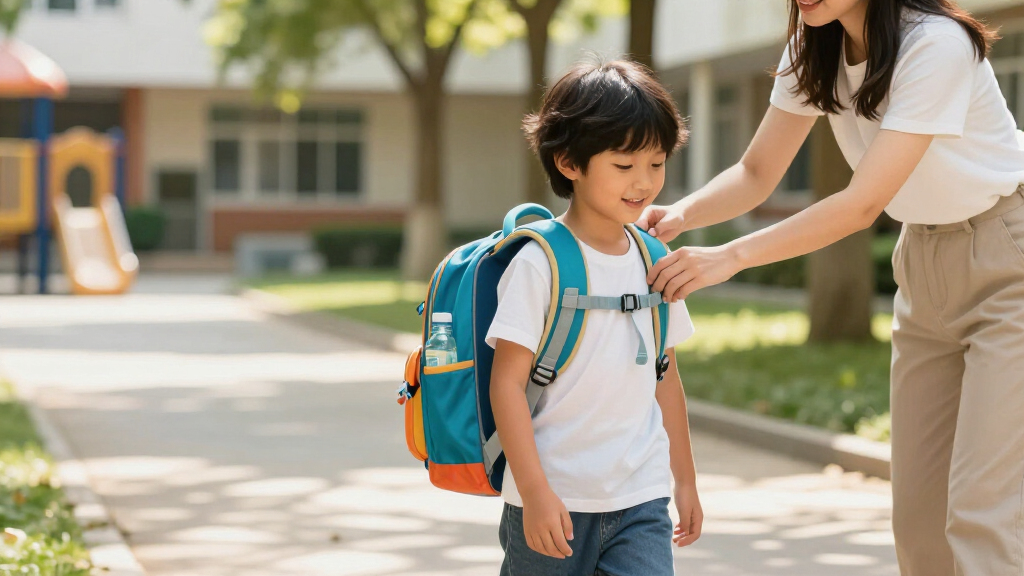
I evaluated each backpack against the criteria that actually determine whether a pack is ergonomic for a child: torso fit and adjustability, strap and back panel construction, packed weight, load management (compression, compartment placement, sternum straps), and durability relative to price. A bag earns its place by keeping weight high and close to the spine — not by print designs or raw capacity numbers. I also weighed age-appropriateness, since a well-engineered 18L pack is still wrong for a 4-year-old with a short torso.
The ranking logic is straightforward: packs with genuine suspension systems and a proven fit range sit at the top, well-priced packs that deliver most ergonomic benefits at half the cost fill the value tier, and stylish-but-structurally-flat school bags rank lower regardless of popularity. Bundled sets (like lunch-bag combos) were judged on the backpack alone, and I flagged every model whose long-term durability or strap quality undermines its ergonomics over time.
Factors to Consider When Choosing Kids’ Ergonomic Backpacks
Choosing an ergonomic backpack for a child involves more than picking a supportive model from a list. The right choice depends on your child’s torso length, their daily load, and how many years you need the pack to survive.Torso Length Beats Age Ranges
Manufacturers label packs by age, but children’s bodies vary enormously, and a bag sized wrong negates every ergonomic feature it has. Measure from the bony bump at the base of the neck to the top of the hip bones — that torso length is the number that determines fit. The shoulder straps should contour without gapping, and the pack’s bottom should rest no lower than the waistline. A common mistake is buying a large pack ‘to grow into’; an oversized bag sags below the hips and pulls weight backward, forcing the child to lean forward to compensate. If your child is between sizes, always choose the smaller torso range and let the shoulder straps provide the growth room.
The 10–15% Body Weight Rule
Pediatric guidance generally recommends a loaded backpack stay under 10–15% of a child’s body weight, which means capacity is a liability past a point. A 50-pound kindergartner should carry no more than about seven pounds — a fact that makes 8–12L packs the honest choice for early elementary students. Parents often assume a bigger bag is more useful, but extra space fills with forgotten water bottles and loose papers. If your child routinely exceeds the weight limit because of textbooks, the fix is a rolling bag or a locker-visit routine, not a sturdier backpack. No strap design fully compensates for a load that is simply too heavy for the child.
Straps, Sternum Clips, and Back Panels
The features that separate ergonomic packs from ordinary ones are wide, contoured shoulder straps (at least two inches), a sternum strap that prevents the shoulders from rolling forward, and a padded back panel that stops binder edges from pressing into the spine. Mesh channel ventilation matters for kids who walk to school or sit with the pack on during commute-heavy days. Waist belts are nice on paper but rarely used by school-age children — skip them as a deciding factor unless your child hikes with the pack. When comparing models, press the strap padding with your thumb: if you feel the webbing through it, the padding will flatten within a semester.
Durability Per Dollar
Cheap backpacks fail at predictable points: zipper pulls, strap stitching, and bottom-panel abrasion. A $15 pack that dies in November costs more per month than a $50 pack that lasts three school years. Look for reinforced bottoms, bar-tacked strap attachments, and reputable zipper brands, and check whether the manufacturer offers any warranty — outdoor brands typically do, character-license brands typically do not. Also factor in washability; a bag that cannot be spot-cleaned or machine washed will look defeated by mid-year no matter how well it carries. The sweet spot for most families is the $30–60 range, where structural quality appears without paying for expedition-grade materials a schoolchild will never stress.
Organization Reduces Load Shifting
Ergonomics is partly behavioral: a bag with one giant main compartment turns every load into a shifting mass that throws off balance during the walk to school. Multiple compartments let heavy items like books sit closest to the back panel while jackets and lunch boxes ride in outer pockets. Bottle pockets on the sides are a quiet ergonomic feature — a full 16-ounce bottle clipped or tossed in the main compartment swings like a pendulum. That said, avoid over-compartmentalized bags for younger kids, who will simply dump everything into the biggest pocket anyway. Match the organization level to your child’s actual habits, not their aspirations.
When Your Child’s Preference Should Win
The most ergonomic backpack in the world fails if your child refuses to wear it, so aesthetics deserve real weight in the decision. A workable compromise is choosing a supportive chassis in a color or print your child picked — many value-tier packs come in a dozen prints, and the character-licensed options make sense for light-load preschoolers where structural demands are minimal. For older elementary and middle school students, hold the line on fit features but concede on design. Involve kids over age seven in the choice; the research on adherence is clear that children treat gear they chose themselves more carefully, which extends the bag’s lifespan as well.
Frequently Asked Questions
At what age does a child actually need an ergonomic backpack rather than a basic one?
Once a child carries more than a jacket and a folder — usually around age five or six, when full-day school begins — strap quality and back padding start to matter. Preschoolers with loads under three pounds can wear almost anything safely, which is why simple character packs are acceptable for ages 2–4. By first grade, when binders, water bottles, and lunch enter the picture, a sternum strap and padded panel become genuinely useful. If your child walks more than ten minutes to school or complains of shoulder soreness, upgrade immediately regardless of age.
Is a sternum strap really necessary, or is it a marketing feature?
A sternum strap does real mechanical work: it keeps shoulder straps from sliding off narrow kid shoulders and stops the forward-shoulder slouch that heavy loads cause. It matters most for kids with slight frames or anyone who walks, bikes, or runs with the pack on. For a child who only carries the bag from the car to the classroom door, it is a minor perk rather than a necessity. Among the packs compared here, only the outdoor-brand models and the SKYSPER include one, which is a big part of why they rank above generic school bags.
How do I know if a backpack is too big for my child?
Load the bag with a typical school day’s contents and put it on your child. The pack should not extend past the waistline, the straps should not need to be cinched to their minimum to stay on, and your child should be able to stand upright without leaning forward. If the loaded bag sags onto the lower back or swings freely side to side, it is too large. When in doubt, size down — an ergonomic pack that is slightly small still beats a perfectly sized cheap bag with flat straps and no structure.
Are the premium outdoor-brand kids’ packs worth the extra money?
They are worth it if your child will use the pack for more than school — travel, hiking, or daily walking commutes justify the harness quality and warranty coverage. The Osprey Daylite Jr. and Deuter Junior will typically outlast two or three cheap bags, and their adjustable harnesses accommodate growth spurts. However, if your child mainly needs a bag for a short car-to-classroom carry and values having matching pencil pockets, a $30–40 structured pack from the value tier delivers most of the ergonomic benefit. Paying $70+ for organizational features your child will not use is the wrong place to spend.
How can I tell if a cheap backpack will fall apart before the school year ends?
Inspect three points before buying: the strap attachment points (look for box stitching or bar tacks, not a single line of thread), the zipper (metal or name-brand molded zippers survive far longer than generic coiled ones), and the bottom panel (a reinforced or double-layer base resists the daily grind of being dropped on pavement). Read reviews specifically mentioning strap or zipper failure after a few months — those complaints cluster around the sub-$20 tier. Also check whether the fabric frays at the seams when you flex it; thin polyester with no lining tends to fail at stress points first.
Conclusion
For most families, the Osprey Daylite Jr. is the best overall choice — its supportive harness, light weight, and growth range cover ages five through twelve better than anything else in this lineup. Best value goes to the SKYSPER 12L/18L, which delivers a sternum strap and structured back panel at a third of the premium price. The Deuter Junior is the best premium option for families who backpack, travel, or want a pack that survives hand-me-downs to younger siblings. For beginners and preschoolers, the MOUNTAINTOP 8L/12L keeps loads light and fits small torsos properly without overspending on features a toddler does not need. For specific needs: pick the Simple Modern Marvel Spidey if enthusiasm is the battle you are fighting, the Bluboon or Bluefairy if a middle schooler genuinely carries a laptop, and the Bentgo if matching durability with easy-clean water resistance tops your list. Whatever you choose, prioritize torso fit and strap construction over prints and capacity — those two factors do more for a child’s posture than any other spec on the tag.
Columbus Day / Indigenous Peoples' Day Picks
long weekend sales
As an affiliate, we earn on qualifying purchases.