Searching for the best autism parenting books can feel overwhelming with so many options available. The top pick, “An Early Start for Your Child with Autism”, offers practical strategies for daily activities, making it ideal for parents seeking actionable advice. Another standout, “The AuDHD Parenting Guide”, provides tailored insights for parents managing dual diagnoses from toddlers to teens. A common challenge is balancing comprehensive information with easy-to-understand guidance—many books are either too technical or too vague. Keep reading for a detailed breakdown of each book’s strengths, weaknesses, and who they suit best.

Turn the school run and nap time into listening time
- Thousands of audiobooks, podcasts and originals
- Listen on your phone, tablet or Echo — also offline
- Cancel anytime
Complete the kit


Key Takeaways
- The top-ranked books combine practical strategies with empathetic insights, making them accessible for both new and experienced parents.
- Books focusing on early intervention and everyday activities tend to be more actionable for immediate use.
- There’s a noticeable split between books emphasizing behavioral management versus those promoting acceptance and understanding.
- Price and depth vary widely; more comprehensive guides often come at a higher cost but provide detailed plans.
- Most best books balance evidence-based practices with real-world parenting challenges, though some lean more toward theoretical understanding.
| An Early Start for Your Child with Autism: Using Everyday Activities to Help Kids Connect, Communicate, and Learn | 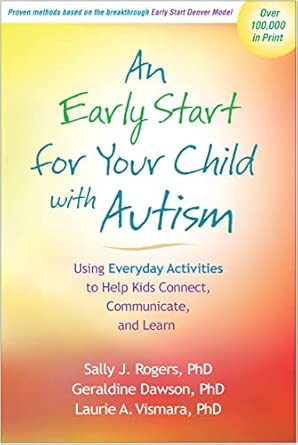 | Best for Practical Early Intervention Strategies | Focus: Early intervention, everyday activities | Intended Audience: Parents and caregivers | VIEW ON AMAZON | See Our Full Breakdown | |
| Sincerely, Your Autistic Child: What People on the Autism Spectrum Wish Their Parents Knew About Growing Up, Acceptance, and Identity |  | Best for Understanding the Autistic Perspective | Focus: Autistic identity and personal stories | Type of Content: Personal insights and reflections | VIEW ON AMAZON | See Our Full Breakdown | |
| The Practical Guide to Parenting Autistic Children: Effective Strategies for ASD Behavior Management, Social Communication, and Sensory Processing to Support Your Child’s Success on the Spectrum |  | Best for Behavior and Communication Strategies | Focus: Behavior management, social communication | Intended Audience: Parents of children with ASD | VIEW ON AMAZON | See Our Full Breakdown | |
| Autism Book for Early Intervention: A Parent’s Playbook for Guiding Young Kids with Autism to Their Full Potential Using Techniques for Communication, Play, Motor Skills, and Emotional Growth |  | Best for Early Development and Play-Based Strategies | Focus: Early intervention, play, emotional growth | Intended Audience: Parents of young children with autism | VIEW ON AMAZON | See Our Full Breakdown | |
| The Essential Autism Parenting Handbook: Thrive Amidst Spectrum Disorders, Manage Sensory Challenges, Foster Effective Communication, & Learn the Best Treatments for Your Child |  | Best for Comprehensive Autism Management | Focus: Spectrum management, sensory challenges, treatments | Scope: Wide-ranging | VIEW ON AMAZON | See Our Full Breakdown | |
| A Parent’s Guide to High-Functioning Autism Spectrum Disorder: How to Meet the Challenges and Help Your Child Thrive |  | Best Practical Strategies for Supporting High-Functioning Autism | Target Audience: Parents of children with high-functioning autism | Focus: Practical strategies for development | Content Type: Guidance-oriented | VIEW ON AMAZON | See Our Full Breakdown |
| Autism Parenting 101: A No-Nonsense Guide for New and Experienced Parents to Understanding the World of an ASD Child with Proven Strategies and Support |  | Best for Both New and Veteran Autism Parents | Target Audience: Parents new or experienced in ASD parenting | Content Focus: Proven strategies and support | Content Type: Practical guidance | VIEW ON AMAZON | See Our Full Breakdown |
| The AuDHD Parenting Guide: From Toddlers to Teens |  | Best for Navigating Autism and ADHD Across Childhood | Target Audience: Parents of children with autism and ADHD | Focus: Managing dual conditions from toddlers to teens | Content Type: Practical parenting strategies | VIEW ON AMAZON | See Our Full Breakdown |
| Uniquely Human: Updated and Expanded: A Different Way of Seeing Autism |  | Best for Understanding and Acceptance | Target Audience: Parents seeking understanding and acceptance | Focus: Empathy and human-centered view | Content Type: Conceptual and supportive | VIEW ON AMAZON | See Our Full Breakdown |
| Turn Autism Around: An Action Guide for Parents of Young Children with Early Signs of Autism |  | Best for Early Intervention in Young Children | Target Audience: Parents of young children with early autism signs | Focus: Early intervention and proactive support | Content Type: Actionable strategies | VIEW ON AMAZON | See Our Full Breakdown |
| Parenting a Child with Autism: A Modern Guide to Understand and Raise Your ASD Child to Success |  | Best Overall for Modern, Practical Strategies | Focus: Modern parenting strategies for ASD | Approach: Holistic and supportive | Content type: Practical advice | VIEW ON AMAZON | See Our Full Breakdown |
| The Simple Guide to Parenting Children with Autism: Everyday Strategies to Support Communication, Create Calm Routines, Encourage Social Growth, and Help Your Child Thrive |  | Best for Practical, Easy-to-Implement Strategies | Focus: Everyday strategies for communication and routines | Approach: Practical and straightforward | Content type: Tips and routines | VIEW ON AMAZON | See Our Full Breakdown |
| Positive Parenting for Autism: Powerful Strategies to Help Your Child Overcome Challenges and Thrive |  | Best for Empowerment and Positive Techniques | Focus: Empowering parenting strategies | Approach: Positive and strength-based | Content type: Strategies and advice | VIEW ON AMAZON | See Our Full Breakdown |
| autism parenting book | Focus | Content Type |
|---|---|---|
| An Early Start for Your Child | Early intervention, everyday activities | — |
| Sincerely | Autistic identity and personal stories | — |
| The Practical Guide to Parenti | Behavior management, social communication | — |
| Autism Book for Early Interven | Early intervention, play, emotional growth | — |
| The Essential Autism Parenting | Spectrum management, sensory challenges, treatments | — |
| A Parent’s Guide to High-Funct | Practical strategies for development | Guidance-oriented |
| Autism Parenting 101: A No-Non | — | Practical guidance |
| The AuDHD Parenting Guide: Fro | Managing dual conditions from toddlers to teens | Practical parenting strategies |
| Uniquely Human: Updated and Ex | Empathy and human-centered view | Conceptual and supportive |
| Turn Autism Around: An Action | Early intervention and proactive support | Actionable strategies |
| Parenting a Child with Autism: | Modern parenting strategies for ASD | Practical advice |
| The Simple Guide to Parenting | Everyday strategies for communication and routines | Tips and routines |
| Positive Parenting for Autism: | Empowering parenting strategies | Strategies and advice |
More Details on Our Top Picks
An Early Start for Your Child with Autism: Using Everyday Activities to Help Kids Connect, Communicate, and Learn
This book stands out for its focus on integrating simple, everyday activities into routines to support early developmental milestones in children with autism. Unlike more comprehensive guides like The Practical Guide to Parenting Autistic Children, it emphasizes accessible strategies that parents can implement immediately, but it doesn’t delve into detailed scientific explanations or specific age markers. Its strength lies in practicality, making it ideal for parents seeking actionable steps without complex technical jargon. However, the lack of targeted age range or scientific backing might limit its usefulness for those looking for a more evidence-based approach.
Pros:- Focuses on practical, easy-to-implement activities
- Supports parent involvement through everyday routines
- Suitable for caregivers without specialized training
Cons:- Lacks detailed scientific references or data
- Does not specify an age range or developmental stage
Best for: Parents of very young children who want straightforward, activity-based strategies for early intervention
Not ideal for: Parents seeking in-depth scientific insights or detailed age-specific guidance
- Focus:Early intervention, everyday activities
- Intended Audience:Parents and caregivers
Our verdict“This book is best suited for parents who want simple, everyday methods to foster early development in young children with autism.”
Sincerely, Your Autistic Child: What People on the Autism Spectrum Wish Their Parents Knew About Growing Up, Acceptance, and Identity
This book offers intimate insights into the experiences of individuals on the spectrum, making it a valuable resource for parents aiming to foster empathy and acceptance. Compared with The Essential Autism Parenting Handbook, which covers practical management strategies, this title emphasizes personal stories and identity, helping parents understand their child’s internal world. While it’s excellent for nurturing empathy, it lacks specific actionable strategies or scientific references, which might limit its usefulness for parents seeking concrete behavior management techniques.
Pros:- Provides authentic insights from autistic individuals
- Promotes empathy and acceptance
- Helps parents understand the emotional and social perspectives of their children
Cons:- No specific strategies or practical tips provided
- Limited guidance for behavior management or intervention
Best for: Parents looking to deepen their understanding of their autistic child’s personal experience and identity
Not ideal for: Parents seeking step-by-step behavioral or sensory management advice
- Focus:Autistic identity and personal stories
- Type of Content:Personal insights and reflections
Our verdict“This book is ideal for parents wanting to connect more deeply with their child’s inner experience and foster acceptance.”
This guide makes a clear choice for parents who want concrete, effective techniques for managing challenging behaviors and improving social skills, similar to The Essential Autism Parenting Handbook. It emphasizes behavior management and sensory processing, offering practical tools that support a child’s success. However, it lacks detailed product information and may not appeal to parents seeking a comprehensive or scientific overview. Its straightforward approach makes it accessible but potentially less comprehensive for parents wanting in-depth knowledge.
Pros:- Provides clear, practical strategies
- Focuses on behavior management and sensory issues
- Supports children’s developmental success
Cons:- Limited product details or format information
- Lacks scientific references or research backing
Best for: Parents needing practical, actionable strategies for behavior management and social skills development
Not ideal for: Parents looking for a detailed scientific background or in-depth emotional support techniques
- Focus:Behavior management, social communication
- Intended Audience:Parents of children with ASD
Our verdict“This guide is best for parents seeking straightforward, effective techniques to manage behaviors and foster communication in autistic children.”
Autism Book for Early Intervention: A Parent’s Playbook for Guiding Young Kids with Autism to Their Full Potential Using Techniques for Communication, Play, Motor Skills, and Emotional Growth
This pick makes the most sense for parents of very young children who want to focus on early development through play, communication, and emotional growth. Compared with the broader scope of The Essential Autism Parenting Handbook, it zooms in on early intervention, making it ideal for parents aiming to jumpstart developmental milestones. Its lack of detailed product information or reviews, however, may make it less appealing for those needing more evidence-based guidance or scientific backing. It’s a practical, play-focused resource for proactive parents but may leave others wanting more detailed or structured plans.
Pros:- Focuses on early intervention through play
- Addresses communication, motor, and emotional skills
- Practical strategies for guiding young children
Cons:- No reviews or detailed product info available
- Limited scientific references or evidence-based content
Best for: Parents of toddlers or preschoolers seeking early, play-based developmental strategies
Not ideal for: Parents of older children or those seeking comprehensive behavior management techniques
- Focus:Early intervention, play, emotional growth
- Intended Audience:Parents of young children with autism
Our verdict“This book is perfect for parents of young children who want to promote early growth through play and communication techniques.”
The Essential Autism Parenting Handbook: Thrive Amidst Spectrum Disorders, Manage Sensory Challenges, Foster Effective Communication, & Learn the Best Treatments for Your Child
This handbook makes sense for parents who want a wide-ranging resource covering sensory challenges, communication, and treatment options. Compared to more specialized or narrow guides, it aims to be a one-stop source, but it falls short on detailed scientific references, which might concern those seeking evidence-based treatment. Its broad scope can be overwhelming for new parents unfamiliar with autism, but it offers a solid foundation for understanding and supporting children across many spectrum issues. It’s a useful resource for parents craving a comprehensive overview, despite its generalist approach.
Pros:- Covers sensory challenges, communication, and treatments
- Provides practical strategies across spectrum issues
- Useful as a broad, starting point resource
Cons:- Lacks detailed scientific or research references
- May be overwhelming for those new to autism
Best for: Parents seeking an all-in-one resource to help manage multiple aspects of autism spectrum disorders
Not ideal for: Parents wanting in-depth scientific references or specialized treatment protocols
- Focus:Spectrum management, sensory challenges, treatments
- Scope:Wide-ranging
Our verdict“This handbook suits parents looking for a broad, practical overview of managing various autism spectrum challenges, despite its lack of scientific depth.”
A Parent’s Guide to High-Functioning Autism Spectrum Disorder: How to Meet the Challenges and Help Your Child Thrive
This book stands out for its focus on actionable strategies tailored to children with high-functioning autism, helping parents understand specific challenges and foster development. Compared to more general books like ‘Uniquely Human,’ it emphasizes practical tools over philosophical insights, making it ideal for parents seeking concrete guidance. While it excels in offering real-world solutions, it lacks detailed content on scientific background or case studies. This pick is best suited for parents who need straightforward approaches to support their child’s growth without wading through extensive theory. Its limited depth in content might disappoint those looking for comprehensive autism science or research. Overall, this book makes the most sense for parents eager for clear, practical steps to help their high-functioning child thrive.Pros:- Provides clear, practical strategies tailored to high-functioning autism
- Focuses on helping children thrive through actionable guidance
- Offers insights into specific challenges faced by high-functioning children
Cons:- Limited information on content depth and scientific foundation
- No detailed case studies or scientific data included
Best for: Parents of children with high-functioning autism who want practical, actionable strategies
Not ideal for: Parents seeking in-depth scientific explanations or theoretical background on autism
- Target Audience:Parents of children with high-functioning autism
- Focus:Practical strategies for development
- Content Type:Guidance-oriented
Our verdict“This book is ideal for parents looking for straightforward, practical guidance to support children with high-functioning autism.”
Autism Parenting 101: A No-Nonsense Guide for New and Experienced Parents to Understanding the World of an ASD Child with Proven Strategies and Support
This book makes the list for its broad appeal, offering proven strategies that work for both new and experienced parents navigating ASD challenges. Unlike ‘Uniquely Human,’ which leans into empathy and understanding, this guide emphasizes practical, step-by-step approaches, making it especially useful for parents seeking immediate tools. Its lack of detailed content or scientific references means it’s more of a quick-start manual than an academic resource. This pick is perfect for parents who want straightforward, proven methods without extensive background reading. However, those expecting in-depth scientific explanations or personal stories might find it somewhat superficial. Overall, this book suits parents looking for a reliable, no-nonsense guide to understanding and supporting their child.Pros:- Provides proven, straightforward strategies for ASD parenting
- Suitable for both beginners and experienced parents
- Offers practical support and guidance for daily challenges
Cons:- Lacks detailed content or scientific references
- No reviews or detailed feedback available
Best for: Parents new to autism parenting or seeking practical, proven strategies
Not ideal for: Parents who want detailed scientific explanations or nuanced personal stories
- Target Audience:Parents new or experienced in ASD parenting
- Content Focus:Proven strategies and support
- Content Type:Practical guidance
Our verdict“This guide is a strong choice for parents who prefer practical, proven strategies over theoretical or scientific detail.”
The AuDHD Parenting Guide: From Toddlers to Teens
This book stands out for its comprehensive approach to parenting children with both autism and ADHD, covering developmental stages from toddlers to teens. Unlike ‘Turn Autism Around,’ which mainly targets early intervention, this guide spans a wider age range, making it suitable for families with children at different stages. Its focus on responding effectively to unique needs can help parents manage complex behaviors, but the lack of detailed specifications or reviews limits understanding of its depth. This pick makes sense for parents who need a broad, adaptable approach for children with dual diagnoses, though those seeking in-depth scientific explanations might want to look elsewhere. Overall, this book offers practical strategies for parents managing both autism and ADHD across childhood.Pros:- Provides strategies for both autism and ADHD management
- Covers a wide age range from toddlers to teens
- Focuses on practical responses to children’s unique needs
Cons:- Lacks detailed specifications or scientific data
- No customer reviews or ratings available
Best for: Parents of children with autism and ADHD from toddlerhood through adolescence
Not ideal for: Parents looking for detailed scientific explanations or early intervention techniques exclusively
- Target Audience:Parents of children with autism and ADHD
- Focus:Managing dual conditions from toddlers to teens
- Content Type:Practical parenting strategies
Our verdict“This guide is suited for parents needing adaptable strategies across a broad developmental spectrum for children with dual diagnoses.”
Uniquely Human: Updated and Expanded: A Different Way of Seeing Autism
This book distinguishes itself through its compassionate, human-centered perspective on autism, emphasizing empathy and acceptance over technical details. Compared to ‘Turn Autism Around,’ which offers concrete strategies, ‘Uniquely Human’ encourages a shift in mindset that fosters understanding and emotional connection. Its lack of scientific data or detailed clinical information might disappoint readers seeking technical insights, but it excels at promoting acceptance and reducing stigma. This pick is perfect for parents who want to view autism through a more empathetic lens and foster a supportive environment. However, those needing step-by-step intervention techniques may find it too conceptual. Overall, this book is ideal for parents seeking to deepen their understanding and cultivate empathy around autism.Pros:- Provides a compassionate, empathetic view of autism
- Updated and expanded with new perspectives
- Promotes understanding, acceptance, and emotional connection
Cons:- Lacks detailed scientific or technical information
- May not satisfy readers seeking concrete intervention strategies
Best for: Parents seeking a compassionate, human-centered perspective on autism
Not ideal for: Parents looking for detailed clinical or scientific guidance
- Target Audience:Parents seeking understanding and acceptance
- Focus:Empathy and human-centered view
- Content Type:Conceptual and supportive
Our verdict“This book is perfect for parents wanting to foster empathy and acceptance in their understanding of autism.”
Turn Autism Around: An Action Guide for Parents of Young Children with Early Signs of Autism
This book makes the list for its focus on early intervention, offering practical, actionable strategies for parents of young children showing early signs of autism. Compared to ‘A Parent’s Guide to High-Functioning Autism,’ which targets older children, this guide is more proactive, aiming to empower parents at the earliest stage. Its emphasis on early support can be highly effective, but the lack of detailed scientific explanations or individual case coverage limits its depth. It is most suited for parents eager to take immediate steps in supporting their child’s development during early signs of autism. However, parents expecting a comprehensive scientific background or tailored solutions for complex cases might find it insufficient. Overall, this book is a solid choice for early-stage intervention guidance.Pros:- Provides practical strategies for early intervention
- Empowers parents to take proactive steps
- Focuses on supporting young children’s development
Cons:- Lacks detailed scientific explanations
- May not address complex or individual cases comprehensively
Best for: Parents of young children exhibiting early signs of autism seeking proactive support
Not ideal for: Parents of older children or those needing detailed scientific explanations
- Target Audience:Parents of young children with early autism signs
- Focus:Early intervention and proactive support
- Content Type:Actionable strategies
Our verdict“This guide is ideal for parents seeking immediate, practical steps to support their young child’s early signs of autism.”
Parenting a Child with Autism: A Modern Guide to Understand and Raise Your ASD Child to Success
This book stands out for its emphasis on contemporary parenting techniques tailored to the needs of children with autism, making it a strong complement to more behavior-focused titles like The Practical Guide to Parenting Autistic Children. Unlike some guides that focus heavily on specific behavior management, this one offers a holistic approach aimed at fostering understanding and success. Its focus on practical, real-world strategies helps parents feel equipped to support their child’s development across multiple domains. The main tradeoff is that it lacks detailed case studies or specific program outlines, which some parents might seek for more structured guidance.
Pros:- Provides modern, practical parenting strategies that are easy to implement
- Focuses on fostering understanding and long-term success for ASD children
- Helps parents develop a holistic view of supporting their child’s growth
Cons:- Lacks detailed content or specific program recommendations
- No reviews or user feedback to gauge effectiveness
Best for: Parents seeking a broad, up-to-date approach that emphasizes understanding and fostering success in children with autism
Not ideal for: Parents looking for a highly detailed, step-by-step behavior management plan or specific intervention techniques
- Focus:Modern parenting strategies for ASD
- Approach:Holistic and supportive
- Content type:Practical advice
- Intended audience:Parents of children with autism
Our verdict“This book makes sense for parents wanting an accessible, contemporary guide that emphasizes understanding and nurturing success, rather than strict protocols.”
The Simple Guide to Parenting Children with Autism: Everyday Strategies to Support Communication, Create Calm Routines, Encourage Social Growth, and Help Your Child Thrive
Compared with the broader approach of Parenting a Child with Autism, this book zeroes in on actionable, everyday techniques that can be quickly put into practice. Its focus on communication, routines, and social skills makes it especially useful for parents seeking tangible tools to support their child’s daily life. However, it offers limited details on the depth of content and doesn’t include case studies or in-depth explanations of strategies, which may leave some parents seeking more comprehensive guidance feeling somewhat underwhelmed. There’s also no information about its scope or editions, which makes gauging its full value difficult.
Pros:- Provides clear, easy-to-follow strategies for daily challenges
- Focuses on improving communication and social skills effectively
- Emphasizes creating calm routines to reduce daily stress
Cons:- No detailed content or case studies to support strategies
- Limited scope may not cover all aspects of autism support
Best for: Parents who need straightforward, easy-to-apply strategies for daily routines and communication
Not ideal for: Parents looking for a deep dive into clinical or therapeutic interventions or detailed program plans
- Focus:Everyday strategies for communication and routines
- Approach:Practical and straightforward
- Content type:Tips and routines
- Intended audience:Parents of children with autism seeking simple solutions
Our verdict“Ideal for parents wanting practical, quick-to-implement strategies that improve daily living and communication for children with autism.”
Positive Parenting for Autism: Powerful Strategies to Help Your Child Overcome Challenges and Thrive
This title is a strong choice for parents who prefer a positive, strength-based approach to raising children with autism, contrasting with more structured or behaviorist-focused books like The Practical Guide to Parenting Autistic Children. While it offers encouraging strategies that foster confidence and resilience, it falls short in providing detailed case studies or covering the full spectrum of autism variations—something that might limit its usefulness for parents dealing with complex or severe challenges. Its focus on empowerment makes it especially suitable for parents seeking to foster a positive outlook, but it may leave those needing more specific, tailored interventions wanting more.
Pros:- Focuses on positive, empowering parenting methods
- Provides practical strategies to help children overcome challenges
- Encourages a hopeful outlook and resilience
Cons:- Lacks detailed case studies or specific intervention techniques
- May not address the full diversity of autism spectrum needs
Best for: Parents who prioritize positive, empowering strategies and want to foster resilience in their children
Not ideal for: Parents seeking detailed behavior management plans or clinical intervention techniques
- Focus:Empowering parenting strategies
- Approach:Positive and strength-based
- Content type:Strategies and advice
- Intended audience:Parents wanting a hopeful, empowering guide
Our verdict“This book suits parents looking for an encouraging, positive approach that emphasizes strengths and resilience, rather than detailed clinical strategies.”

How We Picked
The evaluation process centered on clarity, practical applicability, and depth of content. We prioritized books that offer actionable advice backed by current best practices in autism support, rather than purely theoretical texts. Ease of reading and organization also played a role, ensuring the information is accessible to parents under stress. Books that integrated personal stories with professional guidance scored higher, as they provide both empathy and expertise. Our rankings reflect a balance between comprehensive coverage and usability, helping parents find resources suited to their specific needs and experience levels.Factors to Consider When Choosing Autism Parenting Books
Choosing the right autism parenting book involves considering several important factors beyond just content. Understanding your child’s age, your familiarity with autism, and your preferred learning style can help narrow down options. It’s also vital to recognize whether you need immediate practical strategies or more general understanding and acceptance. Budget considerations and the author’s background can influence your choice, ensuring you find a resource that fits your family’s unique situation.Focus on Your Child’s Age and Developmental Stage
Books tailored to specific age groups—such as early childhood or adolescence—offer targeted strategies that align with developmental needs. A book designed for toddlers may emphasize communication and sensory integration, while one for teens might focus on social skills and independence. Selecting a resource aligned with your child’s current stage can make the advice more relevant and easier to implement, preventing overwhelm from generic guidance that doesn’t fit your situation.
Balance Practical Strategies with Emotional Support
Effective autism books provide clear, actionable techniques but also acknowledge the emotional journey of parenting a child on the spectrum. Look for titles that blend behavioral advice with insights on managing stress, building resilience, and fostering acceptance. Avoid books that focus solely on behavior correction without addressing the emotional well-being of both child and parent, as this can lead to frustration and burnout.
Authors with clinical backgrounds or extensive experience working directly with children on the spectrum tend to offer more reliable guidance. However, personal stories and lived experiences add valuable context and relatability. Be cautious of books that lack references or evidence-based practices, as they might promote ineffective or outdated strategies. A balanced author profile often translates into well-rounded, trustworthy advice.
Evaluate the Depth and Scope of Content
Some books serve as comprehensive guides, covering multiple facets of autism, while others focus narrowly on specific skills or challenges. Consider whether you want an all-in-one resource or a targeted supplement. Keep in mind that more detailed books may require more time to digest but can offer a richer set of tools, whereas shorter guides can be quick references but might lack depth for complex issues.
Assess Your Budget and Reading Preferences
Prices for autism parenting books vary widely, reflecting differences in length, depth, and author reputation. Investing in a more expensive, detailed guide can pay off if you need extensive support, but there are also excellent affordable options. Additionally, consider the format—some prefer hardcover for durability, others favor digital for portability. Your preferences will influence which book offers the best value and fit for your lifestyle.
Frequently Asked Questions
How do I choose a book that’s suitable for my child’s specific needs?
Start by identifying your child’s main challenges and developmental stage. Look for books that address those areas specifically, whether it’s communication, behavior, sensory issues, or social skills. Reading reviews and summaries can help determine if the book’s approach aligns with your goals. Remember, a highly specialized book may be more helpful than a general guide if your focus is on a particular challenge, but a balanced approach often provides broader support.
Are more comprehensive books necessarily better than shorter guides?
Not always. While comprehensive books offer in-depth strategies and broader coverage, they can also be overwhelming if you’re new to autism parenting. Shorter guides tend to be more accessible and easier to implement quickly but might lack detailed plans for complex issues. Consider your experience level, available time, and specific needs when choosing between depth and brevity.
Should I prioritize books written by professionals or those with personal experience?
Both perspectives offer value. Books by professionals provide evidence-based strategies grounded in research, which can be highly reliable. Personal experience stories add empathy, practical tips, and relatable insights that can ease the emotional load. The best choice depends on what you need most—clear guidance or emotional reassurance—and many parents find a mix of both sources most helpful.
Is it worth investing in a premium-priced book?
Premium-priced books often contain detailed, well-researched content and may include additional resources like workbooks or online support. If you’re seeking an authoritative, comprehensive resource and ready to invest in your ongoing learning, a higher-quality book can be worthwhile. However, many effective guides are available at lower prices, so evaluate whether the extra content justifies the cost based on your specific needs and budget.
Can these books replace professional therapy or intervention?
While autism parenting books can offer valuable insights and strategies, they are not substitutes for professional guidance. They can complement therapy and support services by helping you implement techniques at home or prepare for sessions. If your child has complex needs or you’re unsure about how to proceed, consulting with qualified professionals remains essential to ensure tailored, effective support.
Conclusion
For parents just starting out or seeking quick, practical advice, a book like “The Simple Guide to Parenting Children with Autism” offers straightforward strategies. Those looking for a comprehensive, research-backed resource might prefer “An Early Start for Your Child with Autism” as the best overall pick. Parents managing complex or dual diagnoses, such as autism and ADHD, should consider “The AuDHD Parenting Guide” for tailored insights. For those wanting an empathetic, acceptance-focused approach, “Uniquely Human” stands out. Ultimately, your choice depends on your child’s needs, your experience level, and how much support you want to gather in one resource.
Cold & flu season Picks
humidifiers
As an affiliate, we earn on qualifying purchases.