

Turn the school run and nap time into listening time
- Thousands of audiobooks, podcasts and originals
- Listen on your phone, tablet or Echo — also offline
- Cancel anytime
Complete the kit



Key Takeaways
- The top books combine engaging illustrations with simple language to suit different developmental stages.
- Books with interactive elements, like lift-the-flap features, tend to better hold toddlers’ attention.
- A mix of story-driven and educational formats helps cater to both emotional understanding and vocabulary building.
- Price and durability vary widely; sturdier board books are better for little hands but often cost more.
- Choosing a book that aligns with your child’s specific emotional needs (anger, worry, frustration) improves relevance and impact.
| Little Monkey Calms Down (Hello Genius) |  | Best for Emotional Regulation and Mindfulness | Intended Age Range: Preschool (approx. 2-5 years) | Format: Hardcover or paperback | Activities: Storytelling and calming exercises | VIEW ON AMAZON | See Our Full Breakdown |
| Baby Faces |  | Best for Visual Engagement and Early Expression Recognition | Intended Age Range: Infants and toddlers | Format: Board book | Illustrations: Colorful, expressive faces | VIEW ON AMAZON | See Our Full Breakdown |
| The Crayons’ Book of Feelings (My First Crayons) | 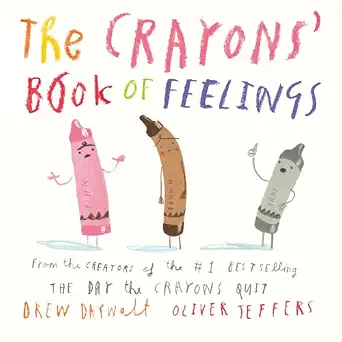 | Best for Colorful Emotional Learning | Intended Age Range: Preschool (approx. 3-6 years) | Format: Board book | Illustrations: Bright, colorful crayons depicting feelings | VIEW ON AMAZON | See Our Full Breakdown |
| Harper Handles Big Feelings: Lessons for Littles on Anger, Worry, Frustration, and Other Emotions |  | Best for Managing Big Emotions with Relatable Scenarios | Intended Age Range: Early elementary (approx. 4-8 years) | Format: Hardcover or paperback | Themes: Anger, worry, frustration, coping strategies | VIEW ON AMAZON | See Our Full Breakdown |
| Baby’s Feelings – A First Book of Emotions – Educational |  | Best for Recognizing and Understanding Emotions | Intended Age Range: Toddlers (1-3 years) | Format: Board book | Focus: Recognizing and understanding emotions | VIEW ON AMAZON | See Our Full Breakdown |
| Shady Baby Feels: A First Book of Emotions |  | Best for Engaging Early Learners with Visuals | Target Age: Ages 1-4 | Format: Board book | Illustration Style: Colorful and engaging | VIEW ON AMAZON | See Our Full Breakdown |
| A Little SPOT: My First Emotions |  | Best for Basic Emotional Recognition in Early Learners | Target Age: Ages 2-5 | Format: Board book | Illustration Style: Colorful and modern | VIEW ON AMAZON | See Our Full Breakdown |
| Baby Einstein My First Feelings Mirror Book |  | Best for Sensory Engagement and Feelings Recognition | Target Age: Ages 0-3 | Format: Board book with mirror | Sensory Features: Mirror included | VIEW ON AMAZON | See Our Full Breakdown |
| Making Faces: A First Book of Emotions |  | Best for Learning About Emotions Through Expression | Target Age: Ages 2-4 | Format: Board book | Illustration Style: Expressive and colorful | VIEW ON AMAZON | See Our Full Breakdown |
| The Color Monster: A Story About Emotions |  | Best for Narrative Emotional Understanding in Preschoolers | Target Age: Ages 3-6 | Format: Hardcover picture book | Illustration Style: Colorful and story-driven | VIEW ON AMAZON | See Our Full Breakdown |
| The Feelings Book |  | Best for Building Emotional Awareness in Young Children | Target Age: 3-6 years | Format: Paperback | Pages: 32 | VIEW ON AMAZON | See Our Full Breakdown |
| Babies Love Feelings – A Lift-a-Flap Board Book for Babies and Toddlers Learning about Emotions |  | Best for Interactive Learning in Toddlers | Target Age: 12 months to 3 years | Format: Board book | Pages: 16 | VIEW ON AMAZON | See Our Full Breakdown |
| baby emotions book | Format | Target Age |
|---|---|---|
| Little Monkey Calms Down | Hardcover or paperback | — |
| Baby Faces | Board book | — |
| The Crayons’ Book of Feelings | Board book | — |
| Harper Handles Big Feelings: L | Hardcover or paperback | — |
| Baby’s Feelings | Board book | — |
| Shady Baby Feels: A First Book | Board book | Ages 1-4 |
| A Little SPOT: My First Emotio | Board book | Ages 2-5 |
| Baby Einstein My First Feeling | Board book with mirror | Ages 0-3 |
| Making Faces: A First Book of | Board book | Ages 2-4 |
| The Color Monster: A Story Abo | Hardcover picture book | Ages 3-6 |
| The Feelings Book | Paperback | 3-6 years |
| Babies Love Feelings | Board book | 12 months to 3 years |
More Details on Our Top Picks
Little Monkey Calms Down (Hello Genius)
Little Monkey Calms Down stands out for its calming stories and activities that help young children manage their emotions through mindfulness. Compared with books like The Crayons’ Book of Feelings, it emphasizes soothing techniques suitable for very young kids, making it a strong choice for parents seeking calming tools. However, its limited features and lack of detailed content might leave some looking for more comprehensive emotional guidance. This pick is ideal for caregivers wanting a gentle, age-appropriate introduction to emotional regulation, though it may fall short for those seeking broad educational content.
Pros:- Helps children manage emotions effectively through soothing stories
- Engaging and calming storytelling suited for young kids
- Promotes emotional regulation and mindfulness
Cons:- Limited information on additional features or activities
- No customer reviews or ratings available
- No specified age range, which could confuse buyers
Best for: Parents of toddlers who need calming strategies and mindfulness exercises to help manage emotional outbursts
Not ideal for: Parents seeking a detailed emotional education or interactive activities beyond storytelling
- Intended Age Range:Preschool (approx. 2-5 years)
- Format:Hardcover or paperback
- Activities:Storytelling and calming exercises
Our verdict“This book is best for parents looking for a gentle, calming introduction to emotional regulation for very young children.”
Baby Faces
Baby Faces earns its spot by offering vibrant, colorful illustrations of various baby expressions, making it ideal for visual learners. Unlike The Color Monster, which explores complex emotions, Baby Faces focuses on basic facial cues that help very young children recognize emotions early. Its simplicity and decorative appeal make it more suitable for casual viewing than in-depth emotional education. This book makes the most sense for parents and caregivers wanting to introduce infants and toddlers to facial expressions in a fun, visual way, but it might lack the educational depth some seek for emotional understanding.
Pros:- Colorful and highly engaging illustrations
- Ideal for early recognition of facial expressions
- Suitable for educational and decorative purposes
Cons:- Lack of detailed content or activities
- No reviews or ratings available to assess engagement
- Limited educational depth beyond simple visuals
Best for: Parents of infants or toddlers interested in visual recognition of emotions and decorative decor
Not ideal for: Families wanting a detailed emotional literacy tool or activities for learning emotions
- Intended Age Range:Infants and toddlers
- Format:Board book
- Illustrations:Colorful, expressive faces
Our verdict“This book is perfect for very young children to develop initial recognition of facial cues, especially if visual appeal is a priority.”
The Crayons’ Book of Feelings (My First Crayons)
This pick excels at making feelings approachable through vibrant illustrations, similar to Making Faces, but with a focus on teaching young children about different emotions. Its bright visuals help children grasp feelings more easily than text-heavy books, which is advantageous for early learners. Still, the lack of detailed content or activities may limit its use for deeper emotional understanding. It’s best for parents seeking a visually engaging introduction to feelings, though it might not satisfy those wanting interactive or comprehensive emotional lessons.
Pros:- Colorful illustrations make emotions easy to understand
- Suitable for early learners to recognize feelings
- Encourages emotional expression in a fun format
Cons:- Limited content details and activities
- No specific features beyond visuals
- Could be too simple for children ready for more complex emotional concepts
Best for: Parents of preschoolers who learn best through colorful visuals and simple text about feelings
Not ideal for: Parents looking for books with activities or in-depth emotion management strategies
- Intended Age Range:Preschool (approx. 3-6 years)
- Format:Board book
- Illustrations:Bright, colorful crayons depicting feelings
Our verdict“Ideal for young children learning about feelings visually, but less suited for those seeking interactive or in-depth emotional development tools.”
Harper Handles Big Feelings: Lessons for Littles on Anger, Worry, Frustration, and Other Emotions
Harper Handles Big Feelings offers practical lessons for children grappling with intense emotions like anger and worry, similar in intent to Making Faces but with a more explicit focus on coping strategies. Its relatable scenarios help children see their feelings reflected and understood, making it useful for emotional development. However, the lack of detailed content description and reviews makes it harder to gauge its full effectiveness. This book is perfect for parents wanting to teach kids how to handle big feelings through relatable stories, but those seeking a detailed activity-based approach might find it lacking.
Pros:- Provides valuable lessons for managing intense feelings
- Engages children with relatable, real-life scenarios
- Helps kids understand and articulate their feelings
Cons:- Limited detailed content description
- No customer reviews or ratings available
- Potentially less engaging for children who prefer interactive activities
Best for: Parents of children who experience frequent big emotions and need strategies to cope
Not ideal for: Families seeking a comprehensive activity-focused emotional toolkit or detailed content
- Intended Age Range:Early elementary (approx. 4-8 years)
- Format:Hardcover or paperback
- Themes:Anger, worry, frustration, coping strategies
Our verdict“Best suited for parents wanting relatable stories that teach children to manage strong emotions effectively.”
Baby’s Feelings – A First Book of Emotions – Educational
Baby’s Feelings makes a strong case for early emotional literacy with its straightforward approach to helping children recognize and understand a variety of feelings. While it’s comparable to The Feelings Book, it emphasizes early recognition, making it particularly suitable for very young learners just beginning to identify emotions. Its limited content details and lack of reviews suggest it might not offer the depth some parents desire, but its educational focus makes it a solid choice for foundational emotion recognition.
Pros:- Helps children identify and understand different emotions early
- Educational and engaging for early learners
- Simple language suitable for toddlers
Cons:- Limited information on content details
- No reviews or ratings available to evaluate engagement
- Might lack depth for children ready for more complex emotions
Best for: Parents of toddlers just starting to learn about emotions who want an educational, easy-to-understand resource
Not ideal for: Families seeking detailed activities or comprehensive emotional management strategies
- Intended Age Range:Toddlers (1-3 years)
- Format:Board book
- Focus:Recognizing and understanding emotions
Our verdict“A good starting point for toddlers developing basic emotional recognition, especially if straightforward education is desired.”
Shady Baby Feels: A First Book of Emotions
Shady Baby Feels stands out for its vibrant, colorful illustrations that immediately capture young children’s attention. It simplifies emotions into accessible concepts, making it ideal for introducing feelings to preschoolers. Compared with The Color Monster, which offers a more narrative-driven approach, this book focuses solely on recognition and basic understanding, making it perfect for quick, engaging sessions. However, its limited scope means it lacks the depth or interactive features that might benefit children ready to explore emotions more deeply. This pick is better suited for parents and teachers seeking a straightforward, visually stimulating introduction to feelings.
Pros:- Engages children with colorful illustrations that stimulate visual learning
- Helps kids recognize and understand basic emotions quickly
- Suitable for early childhood development and short attention spans
Cons:- Limited content for children older than preschool age
- No interactive or supplementary educational features
Best for: Parents or educators looking for a visually appealing, simple emotion book for very young children just beginning to recognize feelings.
Not ideal for: Families wanting a book with additional educational activities or a more comprehensive emotional development tool for older kids.
- Target Age:Ages 1-4
- Format:Board book
- Illustration Style:Colorful and engaging
- Page Count:24 pages
Our verdict“A colorful, straightforward choice for introducing emotions to very young children who thrive on vivid visuals.”
A Little SPOT: My First Emotions
A Little SPOT: My First Emotions offers clear, simple explanations of basic feelings through bright, engaging illustrations. Its straightforward approach makes it comparable to Making Faces, but with a slightly more modern design. While it successfully introduces emotions for preschoolers, it shares the same drawback of lacking in-depth educational resources or activities that foster emotional skills beyond initial recognition. This book is ideal for parents seeking a gentle, visually appealing introduction to feelings, especially for children just starting to explore their emotions.
Pros:- Bright, engaging illustrations that attract young children
- Simple explanations that help kids identify and understand emotions
- Good for early emotional labeling and vocabulary building
Cons:- Limited depth for children who are ready for more complex emotional understanding
- No supplementary activities or interactive elements
Best for: Parents or caregivers wanting an easy-to-understand, visually engaging book for early emotion recognition.
Not ideal for: Those seeking a comprehensive emotional development program or interactive features for older children.
- Target Age:Ages 2-5
- Format:Board book
- Illustration Style:Colorful and modern
- Page Count:32 pages
Our verdict“An accessible, visually appealing intro to emotions perfect for preschoolers beginning to label their feelings.”
Baby Einstein My First Feelings Mirror Book
Baby Einstein My First Feelings Mirror Book combines feelings recognition with sensory exploration, making it ideal for very young children who benefit from multisensory stimulation. Its mirror element encourages self-recognition, similar to Making Faces, but with a focus on sensory development alongside emotion awareness. While it offers vibrant images and a playful format, it doesn’t include interactive features beyond the mirror, limiting engagement for children who enjoy more hands-on experiences. This book makes the most sense for parents seeking a dual-purpose tool that fosters both emotional and sensory development in infants and toddlers.
Pros:- Encourages early emotional recognition paired with sensory play
- Bright, colorful illustrations stimulate visual senses
- Includes a mirror that promotes self-awareness
Cons:- Limited content for children beyond toddler age
- No additional interactive or educational features
Best for: Parents of infants and toddlers looking for a sensory-rich, emotion recognition book with visual appeal.
Not ideal for: Families seeking detailed emotional education or interactive elements beyond visual and mirror features.
- Target Age:Ages 0-3
- Format:Board book with mirror
- Sensory Features:Mirror included
- Illustration Style:Bright and colorful
Our verdict“A sensory-focused book that helps infants connect feelings with self-awareness through engaging visuals and mirror play.”
Making Faces: A First Book of Emotions
Making Faces excels at teaching children about different emotions through expressive illustrations and simple, age-appropriate language. Compared to The Color Monster, which offers a more narrative approach, this book emphasizes recognizing emotions through facial expressions, making it especially good for children just learning to interpret feelings visually. Its straightforward content makes it less suitable for older children or those seeking in-depth emotional skills, but it’s perfect for early learners who enjoy exploring how emotions look on faces. The lack of interactive features means it’s best used as a quick, visual reference rather than a comprehensive emotional guide.
Pros:- Engages children with bright, expressive illustrations
- Helps kids learn to identify emotions through facial cues
- Simple, easy-to-understand language
Cons:- Limited content for children beyond early preschool age
- No interactive or supplementary features
Best for: Parents and teachers wanting a focused, visual tool to help children recognize emotions through facial expressions.
Not ideal for: Families seeking a narrative-driven story or more interactive emotional learning tools for older kids.
- Target Age:Ages 2-4
- Format:Board book
- Illustration Style:Expressive and colorful
- Page Count:24 pages
Our verdict“Ideal for young children learning to interpret facial expressions as indicators of feelings.”
The Color Monster: A Story About Emotions
The Color Monster offers a story-driven approach to understanding feelings through colorful characters and simple storytelling. It’s especially effective for preschoolers who enjoy stories that personify emotions, making complex feelings more approachable. Compared to Shady Baby Feels, which is more focused on recognition, this book emphasizes emotional expression and management within a narrative context. Its lack of detailed content or additional features may limit its usefulness for children who want deeper emotional exploration, but for story-loving early readers, it provides a gentle, engaging way to explore feelings with colorful visuals and a relatable story. It’s a strong pick for fostering emotional literacy through storytelling.
Pros:- Engages children with colorful, expressive illustrations
- Uses storytelling to help children relate to emotions
- Suitable for preschool-aged children
Cons:- Lacks detailed content or exercises
- Limited to basic emotional understanding without deeper activities
Best for: Parents seeking a story-based, visually engaging book that helps preschoolers understand and express their emotions.
Not ideal for: Families needing a more comprehensive or activity-based emotional development resource for older children.
- Target Age:Ages 3-6
- Format:Hardcover picture book
- Illustration Style:Colorful and story-driven
- Page Count:40 pages
Our verdict“A story-rich, visually appealing book perfect for preschoolers learning to relate to their feelings through narrative.”
The Feelings Book
This pick excels at helping children recognize and articulate their feelings through simple language and engaging activities. Compared with books like Baby Faces, which focus solely on facial expressions, The Feelings Book offers explanations that deepen understanding, making it ideal for parents seeking to promote emotional literacy. However, it falls short for older children who need more complex content or interactive features. The straightforward approach makes it a great starting point for preschoolers just beginning to grasp emotions, but it lacks supplementary activities that could extend engagement. This book is perfect for early childhood educators and parents wanting a gentle introduction to feelings.
Pros:- Helps children understand and express their feelings clearly
- Simple language and engaging illustrations suit young readers
- Good for early emotional development and communication
Cons:- Limited content for children above age 5
- No interactive features or activities beyond basic explanations
Best for: Parents and teachers of preschoolers who want a simple, engaging way to introduce emotions.
Not ideal for: Older children or families seeking more comprehensive activities or detailed emotional strategies.
- Target Age:3-6 years
- Format:Paperback
- Pages:32
- Themes:Emotion recognition, communication
- Illustrations:Colorful, simple
- Activities:Basic prompts, discussion questions
Our verdict“This book is an excellent choice for parents and educators looking for a straightforward, age-appropriate introduction to feelings for young children.”
Babies Love Feelings – A Lift-a-Flap Board Book for Babies and Toddlers Learning about Emotions
This lift-a-flap board book stands out for its durability and interactive approach, making learning about feelings fun and tactile for the youngest children. Unlike The Feelings Book, which targets slightly older preschoolers with explanations, Babies Love Feelings introduces emotions through engaging flaps and bright illustrations, capturing toddlers’ attention. Its sturdy construction is ideal for little hands, but the limited content and lack of deeper explanations mean it won’t serve children beyond toddlerhood. Parents of infants and toddlers who want a durable, playful introduction to feelings will find this book a good fit, though it won’t grow with more advanced emotional concepts. This pick is best for parents seeking a durable, interactive early learning tool for very young children.
Pros:- Interactive lift-a-flap design captivates young children
- Durable board construction withstands rough handling
- Simple, colorful illustrations make emotions accessible
Cons:- Limited content makes it less useful for children over age 3
- No additional activities or detailed explanations
Best for: Parents of infants and toddlers who want a durable, interactive introduction to emotions.
Not ideal for: Older children or families seeking comprehensive emotional strategies or detailed explanations.
- Target Age:12 months to 3 years
- Format:Board book
- Pages:16
- Interactive Features:Lift-a-flap
- Durability:High
- Themes:Basic emotions, recognition
Our verdict“This lift-a-flap book is a great choice for parents wanting a durable, engaging introduction to feelings for their toddlers, though it won’t expand beyond basic concepts.”

How We Picked
Our evaluation focused on several key factors: age-appropriateness, engagement level, educational content, durability, and visual appeal. We prioritized books that balance simplicity with meaningful messages, ensuring they are suitable for infants and toddlers. To reflect real-world usage, we considered reviews about durability and how well the books capture children’s attention. The ranking reflects a combination of these factors, emphasizing books that effectively foster emotional understanding while remaining accessible and durable for young children.| baby emotions book | Format |
|---|---|
| Little Monkey Calms Down | Hardcover or paperback |
| Baby Faces | Board book |
| The Crayons’ Book of Feelings | Board book |
| Harper Handles Big Feelings: L | Hardcover or paperback |
| Baby’s Feelings | Board book |
| Shady Baby Feels: A First Book | Board book |
| A Little SPOT: My First Emotio | Board book |
| Baby Einstein My First Feeling | Board book with mirror |
| Making Faces: A First Book of | Board book |
| The Color Monster: A Story Abo | Hardcover picture book |
| The Feelings Book | Paperback |
| Babies Love Feelings | Board book |
Factors to Consider When Choosing Baby Emotions Book
Choosing the right baby emotions book involves considering more than just illustrations and topics. It’s important to think about your child’s developmental stage, the book’s interactivity, durability, and how well the content aligns with your emotional goals. A good book can foster early emotional literacy, but a mismatch could lead to disinterest or confusion. Here are some broader factors to guide your decision beyond individual reviews.Age-Appropriateness and Complexity
Select a book that matches your child’s developmental level. Very simple books with bright images are perfect for infants, while toddlers can handle more nuanced stories that explore different emotions. Overly complex language or concepts might overwhelm younger children, while overly simplistic books may not challenge older toddlers enough to hold their interest.Interactivity and Engagement
Look for features like lift-the-flap elements, textured pages, or sound buttons that encourage active participation. Interactive books can help children connect with emotions on a tactile level, making learning more memorable. However, these features can also increase the cost and reduce durability, so weigh their benefits against practical considerations.Durability and Material Quality
Babies and toddlers are rough on books, so sturdiness is key. Board books with thick pages resist tearing and are easier for little hands to manipulate. While these tend to be more expensive, their longevity can justify the cost, especially if you plan to keep the book as part of your child’s early library for years.Content Focus and Relevance
Choose a book that addresses specific emotional needs your child is experiencing, whether it’s anger, worry, or frustration. Books that mirror your child’s feelings can foster empathy and understanding, making the lessons more relatable. Avoid overly abstract or complex stories that might not resonate with your child’s current emotional stage.Visuals and Illustrations
Bright, clear, and expressive illustrations help children recognize and identify emotions more easily. Some books use personified characters or relatable scenarios to make feelings tangible. Be cautious of overly busy or confusing artwork, which can distract or overwhelm young children, reducing engagement.Price and Value
While investing in durable, well-made books can be worthwhile, there are also budget-friendly options that perform well. Consider how often you’ll use the book and whether features like durability and interactivity justify a higher price. Sometimes, a simpler book with great content offers better value for early emotional learning.Frequently Asked Questions
How do I choose a baby emotions book for a very young infant?
For infants, look for books with high-contrast images, simple text, and sturdy construction like board books. At this stage, the goal is to introduce basic feelings through visual cues rather than complex stories. Books like ‘Baby Faces’ excel in this area, helping infants recognize expressions and start developing emotional awareness, even if they don’t fully understand the feelings yet.Are interactive features like flaps necessary for teaching emotions?
Interactive features can enhance engagement, especially for toddlers who enjoy tactile learning. Flaps, textures, and sounds can make emotions more tangible and memorable. However, these features often come with increased costs and may reduce the book’s durability. If your child is very young or prone to tearing, a simpler, sturdy book might serve better.Should I prioritize books that focus on specific emotions or general feelings?
Choosing between specific or general focus depends on your child’s current emotional needs. If your child is struggling with anger or frustration, a book dedicated to those feelings can provide targeted understanding. For broader emotional literacy, books covering a range of feelings help build a more comprehensive vocabulary and empathy over time.How important are illustrations in teaching emotions to babies?
Illustrations are central to capturing your child’s attention and conveying emotions clearly. Bright, expressive images help young children recognize and label feelings, which is foundational to emotional development. Avoid overly complex artwork that might distract or confuse; instead, choose books with simple, relatable visuals.Is it better to buy multiple books or one versatile book?
While multiple books can address different emotions and keep your child’s interest fresh, a single, well-rounded book can also be effective if it covers a variety of feelings. Consider your child’s attention span and your budget. Sometimes, a carefully selected versatile book, like ‘The Color Monster,’ can serve as a comprehensive tool for emotional literacy.Conclusion
For parents seeking the best overall, The Color Monster stands out for its engaging storytelling and visual appeal, making it ideal for most children. Those prioritizing affordability and durability might prefer simpler board books like Baby Faces. If you want a premium option with interactive features, consider books with textured pages or sound elements. Beginners or those new to emotional literacy should start with straightforward stories, while parents dealing with specific emotional challenges may choose books tailored to particular feelings. Ultimately, selecting the right book depends on your child’s age, developmental stage, and emotional needs.Fall Picks
fall essentials
As an affiliate, we earn on qualifying purchases.