
When searching for books for respectful parenting, many parents want guidance that fosters connection and mutual respect without resorting to punishment or coercion. The best picks combine practical strategies with compassionate principles, but they differ in focus—some emphasize emotional intelligence, others discipline, and some offer holistic approaches. The main tradeoffs involve balancing depth of insight with accessibility, and choosing between more traditional or innovative methods. Continue reading for a detailed breakdown of the top options and what makes each unique.
Complete the kit


Key Takeaways
- The top books balance practical strategies with underlying respectful principles, making them suitable for different parenting styles.
- Many of the best titles emphasize emotional intelligence and connection over punishment or authoritarian discipline.
- Price and complexity vary: some books are accessible for beginners, while others offer in-depth frameworks for experienced parents.
- Several titles focus specifically on emotional regulation and mindfulness, highlighting these as core components of respectful parenting.
- Tradeoffs often involve choosing between comprehensive theories and more straightforward, immediately applicable advice.
| Elevating Child Care: A Guide to Respectful Parenting |  | Best Overall for Foundational Respectful Parenting Principles | Language Focus: Emphasizes understanding and positive discipline | Approach: Relationship-based parenting | Practicality: Provides advice but limited specific exercises | VIEW ON AMAZON | See Our Full Breakdown |
| Raising Good Humans: A Mindful Guide to Breaking the Cycle of Reactive Parenting and Raising Kind, Confident Kids |  | Best for Mindful Parenting and Emotional Intelligence | Focus Area: Mindfulness and emotional growth | Approach: Breaking reactive patterns | Content Type: Practical strategies with focus on emotional intelligence | VIEW ON AMAZON | See Our Full Breakdown |
| No-Drama Discipline: The Whole-Brain Way to Calm the Chaos and Nurture Your Child’s Developing Mind |  | Best for Brain-Based Calm Discipline | Approach: Whole-brain, calm discipline | Focus: Emotional and cognitive development | Methodology: Science-backed strategies | VIEW ON AMAZON | See Our Full Breakdown |
| 1-2-3 Magic: Gentle 3-Step Child & Toddler Discipline for Calm, Effective, and Happy Parenting |  | Best for Simple, Effective Discipline for Young Children | Approach: Simple 3-step discipline | Target Age: Toddlers and young children | Focus: Calmness and happiness | VIEW ON AMAZON | See Our Full Breakdown |
| Parenting with Love and Logic: Teaching Children Responsibility |  | Best for Teaching Responsibility with Respect | Focus: Responsibility and respect | Approach: Logical consequences | Target Age: Older children and pre-teens | VIEW ON AMAZON | See Our Full Breakdown |
| The Book You Wish Your Parents Had Read: (And Your Children Will Be Glad That You Did) |  | Best Overall for Foundational Understanding | Type: Parenting guide | Focus: Emotional understanding and communication | Content: Insights and principles | VIEW ON AMAZON | See Our Full Breakdown |
| Tiny Humans, Big Emotions: How to Navigate Tantrums, Meltdowns, and Defiance to Raise Emotionally Intelligent Children |  | Best for Emotional Regulation Strategies | Type: Parenting guide | Focus: Emotion management and intelligence | Audience: Parents of children aged 0-8 | VIEW ON AMAZON | See Our Full Breakdown |
| Connection Parenting: Parenting Through Connection Instead of Coercion, Through Love Instead of Fear |  | Best for Relationship-Driven Parenting | Type: Parenting philosophy | Focus: Connection and empathy | Content: Relationship strategies | VIEW ON AMAZON | See Our Full Breakdown |
| Respectful Parents, Respectful Kids: 7 Keys to Turn Family Conflict into Cooperation |  | Best for Conflict Resolution and Respectful Communication | Type: Conflict resolution guide | Focus: Respectful communication | Content: 7 key principles | VIEW ON AMAZON | See Our Full Breakdown |
| How to Talk So Kids Will Listen & Listen So Kids Will Talk | 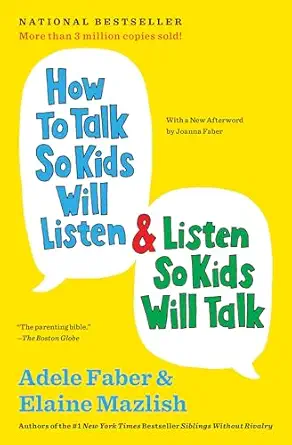 | Best Practical Communication Tool | Type: Communication guide | Focus: Listening and speaking | Content: Techniques and strategies | VIEW ON AMAZON | See Our Full Breakdown |
| Punishment-Free Parenting: The Brain-Based Way to Raise Kids Without Raising Your Voice |  | Best Overall for Neuroscience-Informed Respectful Parenting | Author: Dr. Daniel J. Siegel | Page Count: 256 pages | Publication Year: 2022 | VIEW ON AMAZON | See Our Full Breakdown |
| Peaceful Parent, Happy Kids: How to Stop Yelling and Start Connecting |  | Best Practical Strategies for Reducing Yelling and Building Connection | Author: Laura Markham | Page Count: 240 pages | Publication Year: 2016 | VIEW ON AMAZON | See Our Full Breakdown |
| Talk, Don’t Yell: 9 Proven Tools for Mindful Parenting, Gentle Discipline and Raising Emotionally Secure, Respectful Kids Without Yelling |  | Best for Practical Tools for Mindful and Respectful Parenting | Author: Dr. Laura Markham | Page Count: 192 pages | Publication Year: 2023 | VIEW ON AMAZON | See Our Full Breakdown |
| How to Stop Losing Your Sh*t with Your Kids: A Practical Guide to Becoming a Calmer, Happier Parent |  | Best for Managing Parental Stress and Emotional Outbursts | Author: K.J. Dell’Antonia | Page Count: 224 pages | Publication Year: 2020 | VIEW ON AMAZON | See Our Full Breakdown |
| The Whole-Brain Child: 12 Revolutionary Strategies to Nurture Your Child’s Developing Mind |  | Best for Supporting Emotional and Cognitive Development | Author: Daniel J. Siegel & Tina Payne Bryson | Page Count: 336 pages | Publication Year: 2011 | VIEW ON AMAZON | See Our Full Breakdown |
| books for respectful parenting | Focus |
|---|---|
| Elevating Child Care: A Guide | — |
| Raising Good Humans: A Mindful | — |
| No-Drama Discipline: The Whole | Emotional and cognitive development |
| 1-2-3 Magic: Gentle 3-Step Chi | Calmness and happiness |
| Parenting with Love and Logic: | Responsibility and respect |
| The Book You Wish Your Parents | Emotional understanding and communication |
| Tiny Humans | Emotion management and intelligence |
| Connection Parenting: Parentin | Connection and empathy |
| Respectful Parents | Respectful communication |
| How to Talk So Kids Will Liste | Listening and speaking |
| Punishment-Free Parenting: The | Neuroscience and respectful parenting |
| Peaceful Parent | Reducing yelling, relationship building |
| Talk | Mindful parenting, gentle discipline |
| How to Stop Losing Your Sh*t w | Parental stress management |
| The Whole-Brain Child: 12 Revo | Child brain development, emotional regulation |
More Details on Our Top Picks
Elevating Child Care: A Guide to Respectful Parenting
This book stands out for its emphasis on fostering respectful and positive parent-child relationships through practical advice. Compared with ‘No-Drama Discipline,’ it offers a broader focus on understanding the emotional foundation of respectful parenting, though it lacks specific tools or step-by-step strategies. It’s ideal for parents seeking a comprehensive philosophy rather than quick fixes, but those wanting immediate discipline techniques may find it less actionable. The book’s strengths lie in promoting empathy, nurturing healthy communication, and emphasizing the importance of understanding children’s perspectives. However, it doesn’t provide concrete exercises or measurable approaches, which could be a drawback for parents who prefer structured plans.
Pros:- Emphasizes empathy and understanding in parent-child interactions
- Provides a broad, solid foundation for respectful relationships
- Focuses on building healthy communication and emotional connection
Cons:- Lacks specific techniques or structured activities for immediate implementation
- May require time to fully integrate its principles into daily routines
Best for: Parents new to respectful parenting who want a solid theoretical foundation and emphasis on relationship-building.
Not ideal for: Parents seeking detailed step-by-step discipline strategies or quick, actionable tools without a broader philosophical approach.
- Language Focus:Emphasizes understanding and positive discipline
- Approach:Relationship-based parenting
- Practicality:Provides advice but limited specific exercises
Our verdict“A foundational read for parents wanting a respectful parenting philosophy, but less suited for those seeking quick, practical tools.”
Raising Good Humans: A Mindful Guide to Breaking the Cycle of Reactive Parenting and Raising Kind, Confident Kids
This pick excels at offering practical mindfulness strategies aimed at fostering emotional intelligence and kindness, making it a strong complement to more behavioral-focused titles like No-Drama Discipline. Compared with ‘Elevating Child Care,’ it emphasizes breaking reactive patterns, which can be transformative but may lack detailed discipline tactics. It’s best suited for parents who are already interested in mindfulness and want to cultivate a calm, confident approach to raising children. The main tradeoff is that it offers fewer concrete action steps and has no available ratings or reviews, which might leave some parents unsure of its effectiveness. Still, its focus on emotional growth makes it a valuable resource for holistic parenting.
Pros:- Provides practical mindfulness techniques for parents
- Focuses on fostering kindness and confidence in children
- Helps break reactive parenting cycles with emotional awareness
Cons:- Limited detail on specific discipline strategies
- No customer reviews or ratings, so effectiveness is less certain
Best for: Parents interested in mindfulness and emotional intelligence as core tools for respectful parenting.
Not ideal for: Parents looking for quick, specific discipline routines without a focus on emotional awareness.
- Focus Area:Mindfulness and emotional growth
- Approach:Breaking reactive patterns
- Content Type:Practical strategies with focus on emotional intelligence
Our verdict“Ideal for mindful parents aiming to cultivate emotional intelligence and kindness, but less suitable for those seeking immediate discipline solutions.”
No-Drama Discipline: The Whole-Brain Way to Calm the Chaos and Nurture Your Child’s Developing Mind
This book makes the list for its emphasis on understanding children’s brains to facilitate effective, calm discipline, setting it apart from more general respectful parenting titles like ‘Raising Good Humans.’ It offers science-backed strategies that help parents respond thoughtfully rather than reactively, fostering emotional regulation and connection. Compared to ‘1-2-3 Magic,’ it promotes a less punitive approach, though it may require time to master the techniques and adapt to each child’s unique needs. Parents looking for quick, simple rules might find it somewhat complex, but those committed to nurturing their child’s emotional and cognitive development will appreciate its depth and practical guidance.
Pros:- Provides science-based, practical discipline strategies
- Focuses on nurturing emotional and cognitive development
- Encourages calm, connected parenting rather than punitive methods
Cons:- Requires time to learn and implement effectively
- Less straightforward for parents seeking quick solutions
Best for: Parents who want to incorporate neuroscience into their discipline approach and foster calm, connected relationships.
Not ideal for: Parents seeking quick, straightforward discipline routines or those uninterested in understanding child brain development in detail.
- Approach:Whole-brain, calm discipline
- Focus:Emotional and cognitive development
- Methodology:Science-backed strategies
Our verdict“Best suited for parents interested in brain-based, calm discipline that nurtures emotional growth and connection.”
1-2-3 Magic: Gentle 3-Step Child & Toddler Discipline for Calm, Effective, and Happy Parenting
This guide offers a clear, three-step discipline method that can help parents achieve calm, effective control while raising happy children, making it a practical choice alongside ‘No-Drama Discipline.’ Its simplicity is a major strength, especially for busy parents who want straightforward techniques without extensive theory. However, the description offers limited detail, and mastering the steps may require practice. It’s a good fit for those who prefer a structured, easy-to-remember approach to discipline, but parents looking for in-depth insights into emotional development might find it somewhat superficial.
Pros:- Simple, easy-to-remember three-step process
- Helps promote calm and effective discipline
- Suitable for raising happy, well-behaved children
Cons:- Limited content detail in the description
- May require practice to implement effectively
Best for: Parents of toddlers and young children seeking an easy-to-apply discipline system that promotes calmness and happiness.
Not ideal for: Parents seeking detailed emotional or developmental insights rather than straightforward discipline tactics.
- Approach:Simple 3-step discipline
- Target Age:Toddlers and young children
- Focus:Calmness and happiness
Our verdict“A practical, straightforward discipline guide perfect for parents who want quick, calm, and effective techniques for young children.”
Parenting with Love and Logic: Teaching Children Responsibility
This book makes the list for its focus on teaching responsibility through love and logical consequences, aligning well with respectful parenting goals. Compared to ‘No-Drama Discipline,’ it emphasizes responsibility and respect over emotional regulation techniques, making it ideal for parents who want to foster accountability alongside respectful treatment. However, the lack of specific edition details or comprehensive content descriptions can make it harder to gauge its depth. It’s best suited for parents willing to invest time in applying consistent logical consequences, but those seeking quick fixes may find it less immediately applicable. Its strength lies in promoting respectful, responsible behavior over punitive measures.
Pros:- Focuses on respectful, responsible child behavior
- Provides practical strategies for teaching accountability
- Promotes loving, respectful parent-child relationships
Cons:- Lacks detailed product info and edition specifics
- Results may take time to materialize
Best for: Parents who want to teach responsibility with respect and logical consequences, especially older children.
Not ideal for: Parents seeking immediate behavioral fixes or those uninterested in long-term responsibility education.
- Focus:Responsibility and respect
- Approach:Logical consequences
- Target Age:Older children and pre-teens
Our verdict“Ideal for parents committed to fostering responsibility and respect through consistent, logical consequences over time.”
The Book You Wish Your Parents Had Read: (And Your Children Will Be Glad That You Did)
This book stands out for its emphasis on fostering emotional understanding and improving family communication, making it a strong choice for parents seeking a solid foundation in respectful parenting principles. Compared to Connection Parenting, which leans more into relationship-building strategies, this title offers broader insights into emotional well-being that can serve as a starting point. Its lack of specific content details and no available customer ratings mean it’s more of a conceptual guide than a practical manual, which could be a drawback for parents seeking actionable steps. Nonetheless, it supports a respectful approach by highlighting the importance of emotional health and understanding in family dynamics.
Pros:- Provides valuable insights into emotional understanding and family communication
- Helps foster healthier parent-child relationships
- Supports a respectful parenting philosophy focused on emotional well-being
Cons:- No specific strategies or tools are detailed, limiting immediate practical use
- Lacks detailed content description and customer ratings, making it harder to assess its practical applicability
Best for: Parents who want a broad, principle-based guide to understanding respectful parenting and emotional connection
Not ideal for: Parents looking for detailed, step-by-step techniques or practical tools for immediate application
- Type:Parenting guide
- Focus:Emotional understanding and communication
- Content:Insights and principles
- Audience:Parents and caregivers
Our verdict“This book makes the most sense for parents seeking to deepen their understanding of emotional connection within respectful parenting, rather than those needing quick fixes.”
Tiny Humans, Big Emotions: How to Navigate Tantrums, Meltdowns, and Defiance to Raise Emotionally Intelligent Children
This pick makes the most sense for caregivers wanting practical, age-specific techniques to handle children’s big feelings, especially from infancy through early elementary. Unlike Respectful Parents, Respectful Kids, which emphasizes respectful communication broadly, this book zeroes in on managing emotional outbursts and fostering emotional intelligence. Its focus on practical strategies is valuable, but the lack of detailed tools or user feedback suggests it may require supplementing with additional resources for comprehensive discipline techniques. It fills a niche for parents prioritizing emotional skills but may fall short for those seeking broader relationship-building advice.
Pros:- Offers practical strategies for managing tantrums and emotional meltdowns
- Focuses on developing emotional intelligence from a young age
- Suitable for caregivers of infants through early elementary
Cons:- No specific tools or exercises are included, limiting immediate application
- Lacks customer reviews or detailed content description, which may affect confidence in its effectiveness
Best for: Parents and caregivers of children aged 0-8 who want actionable strategies to manage emotional outbursts
Not ideal for: Parents seeking a comprehensive philosophy of respectful parenting beyond emotional management techniques
- Type:Parenting guide
- Focus:Emotion management and intelligence
- Audience:Parents of children aged 0-8
- Content:Strategies and insights
Our verdict“Ideal for parents who prioritize emotional regulation skills, but less suited for those seeking a broad respectful parenting framework.”
Connection Parenting: Parenting Through Connection Instead of Coercion, Through Love Instead of Fear
This title clearly stands out for its emphasis on building a parent-child bond rooted in empathy, love, and respect, making it highly suitable for those committed to a connection-based approach. Compared with Respectful Parents, Respectful Kids, which offers conflict resolution principles, this book dives deeper into daily relationship nurturing and emotional attunement. However, it may challenge traditional parents who are more accustomed to authoritative or disciplinary methods, as its focus is less on correction and more on relationship. Its practical strategies are rooted in fostering empathy, but it offers less in terms of discipline techniques, which could be a drawback for some.
Pros:- Promotes a compassionate, respectful, and empathetic parenting style
- Provides practical strategies for nurturing stronger relationships
- Encourages a mindset shift toward love-based discipline
Cons:- May require a significant mindset change for traditional or authoritarian parents
- Less focus on specific disciplinary techniques or behavioral management
Best for: Parents eager to strengthen emotional bonds and adopt a love-based, non-coercive approach
Not ideal for: Parents who prefer structured discipline methods or quick behavioral fixes
- Type:Parenting philosophy
- Focus:Connection and empathy
- Content:Relationship strategies
- Audience:Parents seeking love-based connection
Our verdict“This book is best suited for parents committed to deepening emotional connection through love and empathy, even if it challenges conventional discipline styles.”
Respectful Parents, Respectful Kids: 7 Keys to Turn Family Conflict into Cooperation
This book earns its place for offering a clear, principle-driven approach to transforming family conflicts into cooperative interactions through seven key strategies. It outshines some other titles in this roundup, like How to Talk So Kids Will Listen, by emphasizing respectful communication as a core method. However, the lack of detailed product specs and customer feedback means it might leave some parents wanting more concrete tools or examples. Still, its focus on turning conflicts into cooperation makes it especially valuable for families working on respectful dialogue and mutual respect.
Pros:- Provides practical, respectful strategies to reduce family conflicts
- Focuses on key principles for fostering cooperation
- Offers a structured approach to respectful communication
Cons:- Limited detailed content or customer reviews available
- No specific technical features or tools included
Best for: Parents who want practical conflict-resolution skills rooted in respect and cooperation
Not ideal for: Parents seeking a comprehensive or highly detailed disciplinary manual
- Type:Conflict resolution guide
- Focus:Respectful communication
- Content:7 key principles
- Audience:Families seeking cooperation
Our verdict“Ideal for parents aiming to improve family harmony through respectful dialogue and conflict resolution strategies.”
How to Talk So Kids Will Listen & Listen So Kids Will Talk
This pick makes the most sense for parents who want straightforward, effective communication techniques to foster understanding and cooperation. Compared with Respectful Parents, Respectful Kids, which emphasizes principles and mindset shifts, this book offers concrete skills that can be immediately applied. Its focus on listening and respectful dialogue helps build a foundation for respectful relationships, but the absence of detailed editions or up-to-date reviews might make some readers cautious about its current relevance or depth. Nonetheless, it remains a valuable resource for improving everyday conversations with children.
Pros:- Provides clear, practical communication techniques
- Helps improve understanding and cooperation
- Focuses on listening skills essential for respectful relationships
Cons:- No specific features or editions highlighted
- Lacks recent customer reviews or feedback for current relevance
Best for: Parents looking for practical, easy-to-implement communication strategies to enhance parent-child understanding
Not ideal for: Parents wanting a comprehensive philosophy on respectful parenting beyond communication techniques
- Type:Communication guide
- Focus:Listening and speaking
- Content:Techniques and strategies
- Audience:Parents and caregivers
Our verdict“Best suited for parents seeking immediate, practical ways to improve dialogue and foster respect through better listening and speaking skills.”
Punishment-Free Parenting: The Brain-Based Way to Raise Kids Without Raising Your Voice
This book stands out for its emphasis on integrating neuroscience insights into respectful parenting, providing a compassionate approach that aligns well with strategies in Respectful Parents, Respectful Kids. It offers a solid foundation for parents willing to shift away from traditional discipline, focusing on understanding children’s brains for better cooperation. Compared to books like How to Talk So Kids Will Listen, it is more grounded in science but lacks concrete step-by-step instructions, which may challenge parents needing immediate practical tools. Its biggest tradeoff is that it requires a mindset change, especially for those accustomed to more conventional discipline methods. This pick makes the most sense for parents eager to incorporate scientific understanding into their approach, while those seeking quick fixes might find it less practical.
Pros:- Integrates neuroscience to foster understanding and respect
- Promotes positive, non-punitive discipline methods
- Helps reduce stress for both parents and children
Cons:- Requires a significant mindset shift for traditional parents
- Lacks specific, detailed implementation strategies
Best for: Parents interested in a neuroscience-based, respectful approach who are open to changing traditional discipline habits
Not ideal for: Parents looking for detailed step-by-step routines or quick solutions without a focus on scientific explanation
- Author:Dr. Daniel J. Siegel
- Page Count:256 pages
- Publication Year:2022
- Focus:Neuroscience and respectful parenting
- Format:Paperback, eBook
- Language:English
Our verdict“This book is ideal for parents wanting a respectful, brain-based approach but needing patience with the conceptual shift.”
Peaceful Parent, Happy Kids: How to Stop Yelling and Start Connecting
Compared to Talk, Don’t Yell, this book offers a broader range of practical strategies aimed at reducing yelling and fostering stronger emotional bonds. Its guidance is straightforward and accessible, making it suitable for parents seeking immediate, gentle ways to improve their relationship with children. However, it does not delve into the underlying science or detailed parenting theories, which might leave some parents wanting a deeper understanding. The focus on building connection over correction makes it a good fit for those who prioritize emotional security, but it may demand patience as results unfold over time. This book makes the most sense for parents committed to consistent gentle strategies and seeking a calmer family environment.
Pros:- Offers clear, effective strategies to reduce yelling
- Focuses on building strong emotional bonds
- Easy-to-understand and accessible for all parents
Cons:- No specific product features or detailed techniques
- Results may take time to become noticeable
Best for: Parents looking for practical, easy-to-implement ways to reduce yelling and build emotional connection
Not ideal for: Parents wanting an in-depth scientific or developmental explanation of behavior or quick fixes
- Author:Laura Markham
- Page Count:240 pages
- Publication Year:2016
- Focus:Reducing yelling, relationship building
- Format:Paperback, eBook
- Language:English
Our verdict“This book is perfect for parents prioritizing calm, connection, and practical tools over scientific detail.”
Talk, Don’t Yell: 9 Proven Tools for Mindful Parenting, Gentle Discipline and Raising Emotionally Secure, Respectful Kids Without Yelling
This book shines in providing parents with concrete tools to practice mindful parenting, much like How to Talk So Kids Will Listen, but with a stronger focus on emotional security and gentle discipline. Its practical strategies can significantly improve communication and emotional connection, especially for parents seeking non-violent methods. Unlike Punishment-Free Parenting, which leans heavily on neuroscience, this book emphasizes hands-on tools, making it more accessible for parents needing quick, applicable techniques. The main tradeoff is that it might be more suited for those already inclined toward gentle discipline, as it doesn’t explore the science behind behavior deeply. It’s an excellent choice for parents who want actionable, respectful communication strategies.
Pros:- Provides nine proven tools for mindful parenting
- Focuses on emotional security and respectful communication
- Helps improve parent-child understanding
Cons:- Lacks detailed product features or scientific background
- Content may be less appealing to parents seeking theoretical insights
Best for: Parents seeking practical, actionable tools for mindful, respectful discipline and emotional security
Not ideal for: Parents preferring a theoretical or science-based approach without a focus on specific techniques
- Author:Dr. Laura Markham
- Page Count:192 pages
- Publication Year:2023
- Focus:Mindful parenting, gentle discipline
- Format:Paperback, eBook
- Language:English
Our verdict“This book is ideal for parents eager for practical, respectful discipline tools that promote emotional connection.”
How to Stop Losing Your Sh*t with Your Kids: A Practical Guide to Becoming a Calmer, Happier Parent
Compared with Peaceful Parent, Happy Kids, this book zeroes in on managing parents’ emotional responses during stressful moments, making it especially useful for parents struggling with temper control. Its practical advice offers immediate strategies to handle challenging behaviors calmly, promoting a more peaceful household. The main limitation is that it provides less insight into underlying child development or discipline principles, focusing instead on emotional regulation tactics. For parents who often feel overwhelmed, this book offers tools to reduce outbursts, but it might require consistent practice over time before noticeable shifts occur. It’s most beneficial for parents who want quick, tangible ways to stay calmer in chaos.
Pros:- Provides practical strategies for emotional regulation
- Helps reduce stress and emotional outbursts
- Promotes a calmer, happier family environment
Cons:- Limited content on underlying child psychology or discipline
- Results depend on consistent application over time
Best for: Parents prone to frustration seeking quick, practical stress management strategies
Not ideal for: Parents looking for comprehensive child development theories or long-term discipline plans
- Author:K.J. Dell’Antonia
- Page Count:224 pages
- Publication Year:2020
- Focus:Parental stress management
- Format:Paperback, eBook
- Language:English
Our verdict“This book is best for parents who need immediate tools to manage their own stress and reactions.”
The Whole-Brain Child: 12 Revolutionary Strategies to Nurture Your Child’s Developing Mind
This book offers a comprehensive look at understanding and nurturing your child’s brain development, making it a valuable complement to more behavior-focused titles like Respectful Parents, Respectful Kids. It provides 12 practical strategies to help parents facilitate emotional regulation and cognitive growth, fostering respectful interactions through understanding. Compared to Punishment-Free Parenting, it is more focused on developmental insights rather than discipline techniques, which makes it excellent for parents wanting to support growth from a neuroscience perspective. However, some may find it less directly applicable for immediate discipline issues. It’s most suitable for parents interested in long-term emotional intelligence and brain development support.
Pros:- Provides practical strategies grounded in brain science
- Helps understand emotional and cognitive development
- Supports respectful, developmentally appropriate interactions
Cons:- Less focused on specific discipline techniques
- May require time to implement effectively
Best for: Parents wanting to deepen understanding of child development and support emotional growth
Not ideal for: Parents seeking quick discipline strategies or immediate behavior management tactics
- Author:Daniel J. Siegel & Tina Payne Bryson
- Page Count:336 pages
- Publication Year:2011
- Focus:Child brain development, emotional regulation
- Format:Hardcover, eBook
- Language:English
Our verdict“This book suits parents interested in fostering emotional and cognitive growth through understanding child brain development.”

How We Picked
The books included in this roundup were selected based on their relevance to respectful parenting principles, clarity of communication, and practical applicability. We prioritized titles that have received strong reviews for fostering empathy, connection, and emotional intelligence, while also considering diversity of approach—from gentle discipline to attachment-based methods. The ranking reflects a balance of accessibility for new parents and depth for those seeking more comprehensive guidance. We also evaluated the books’ reputation, author expertise, and how well they address common parenting challenges with respectful strategies.Factors to Consider When Choosing Books For Respectful Parenting
Choosing the right book for respectful parenting involves understanding your goals, parenting style, and the specific challenges you face. Some books excel at providing practical tools, while others focus on mindset shifts or emotional development. Considering these factors can help you pick a resource that aligns with your values and your child’s needs, avoiding the trap of superficial advice or overly complex frameworks. The following factors will help clarify what to look for when selecting a respectful parenting book.Approach and Philosophy
Different books emphasize varied philosophies, from attachment parenting to mindful discipline. It’s important to select a book whose core principles resonate with your values—whether that’s gentle, firm, or collaborative parenting. Avoid titles that promote authoritarian methods or punitive discipline, as they conflict with respectful principles. Understanding the underlying philosophy helps ensure consistency in your approach and reduces confusion for your child.
Practicality and Actionability
Look for books that offer clear, actionable strategies rather than abstract theories. Practical advice—such as how to handle tantrums calmly or communicate effectively—can make a real difference in daily parenting. Beware of overly philosophical books that lack concrete steps, especially if you need immediate tools. The best books strike a balance, providing both insights and practical techniques you can implement right away.
Reader Level and Accessibility
Consider your familiarity with parenting concepts; some books are ideal for beginners, explaining concepts in simple language, while others are better suited for experienced parents looking for deeper frameworks. If you’re new to respectful parenting, opt for titles that are straightforward and easy to understand. More advanced books often contain complex theories that can be overwhelming without prior knowledge.
Focus Areas
Identify what matters most to you—whether emotional regulation, discipline, communication, or attachment. Different books focus on distinct aspects of respectful parenting. For example, some emphasize emotional intelligence, while others focus on boundaries and discipline without punishment. Choosing a book aligned with your priorities ensures you get relevant, useful guidance.
Author Credibility and Reviews
Check the author’s background and reputation—look for credentials, experience, and peer recognition. Reading reviews can also reveal how well the book has helped other parents implement respectful strategies. Be cautious of titles that lack credibility or rely on unproven methods, as they might not provide the respectful, evidence-based guidance you seek.
Frequently Asked Questions
Can respectful parenting work with very young children?
Yes, respectful parenting can be highly effective with infants and toddlers, as it emphasizes emotional connection and understanding their developmental needs. Techniques like gentle communication, patience, and modeling appropriate behavior help foster trust and security early on. While it requires consistency and patience, many parents find that respectful methods set a strong foundation for healthy relationships as children grow.
Is respectful parenting compatible with discipline and boundaries?
Absolutely. Respectful parenting doesn’t mean avoiding discipline; it means choosing methods that communicate boundaries without coercion or punishment. Strategies like natural consequences, setting clear expectations, and empathetic communication help children learn self-regulation and responsibility while feeling respected. This approach often leads to more cooperation and trust than authoritarian methods.
How do I handle tantrums without losing my patience?
Managing tantrums respectfully involves recognizing the child’s emotional needs and responding with calmness and empathy. Techniques such as validating feelings, offering comfort, and providing space for expression are key. Over time, practicing patience and self-regulation can help parents stay composed, turning difficult moments into opportunities for connection and teaching emotional resilience.
Are there respectful parenting books suitable for busy parents?
Many respectful parenting books are designed with practical, digestible advice that fits into busy schedules. Look for titles that offer quick tips, summaries, or concise chapters. Books emphasizing simple, everyday strategies—such as active listening or calm discipline—allow parents to incorporate respectful principles without feeling overwhelmed or needing extensive time commitment.
Should I choose a book based on my child’s age?
Yes, selecting a book tailored to your child’s developmental stage can be very helpful. Different ages present unique challenges and opportunities for respectful interaction. For example, books focused on toddlers address tantrums and independence, while those for older children might emphasize negotiation and emotional intelligence. Matching the book to your child’s age ensures the advice is relevant and effective.
Conclusion
For parents new to respectful parenting, a straightforward, easy-to-understand book like “Raising Good Humans” offers a gentle introduction to mindful, connected parenting. Those seeking a comprehensive, research-backed approach might prefer “The Whole-Brain Child” for its in-depth strategies aligned with emotional development. Budget-conscious parents will find value in titles like “No-Drama Discipline”, which combines practical techniques with respectful principles. For experienced parents or professionals, premium options such as “Connection Parenting” provide nuanced insights into fostering deep, respectful bonds. Ultimately, your choice should reflect your parenting goals, your child’s needs, and your preferred approach, ensuring a respectful, nurturing relationship for years to come.