
Searching for the best books on parenting a child with ADHD? The right guide can provide crucial strategies, emotional support, and practical tips to navigate the challenges of raising a neurodivergent child. The Essential Guide to Raising Complex Kids with ADHD, Anxiety, and More stands out as the top choice for comprehensive coverage, while What Your ADHD Child Wishes You Knew offers valuable insights into understanding your child’s perspective. Comparing these options reveals a common tradeoff: in-depth expertise versus accessible, beginner-friendly advice. Continue reading for a detailed breakdown of these top books and how they can meet different parent needs.
Complete the kit


Key Takeaways
- The top-ranked books excel at combining evidence-based strategies with compassionate parenting advice.
- There is a clear divide between comprehensive guides aimed at seasoned parents and quick-start options for newcomers.
- Many of the best books emphasize emotional regulation and strengthening parent-child bonds as core themes.
- Budget-friendly options often sacrifice some depth but remain practical for immediate use.
- The most highly rated books tend to include real-life stories alongside expert advice, adding relatability.
| The Essential Guide to Raising Complex Kids with ADHD, Anxiety, and More |  | Best for Comprehensive Support of Children with Multiple Needs | Target Audience: Parents and teachers of children with ADHD, anxiety, and complex needs | Focus: Practical strategies for supporting children with multiple challenges | Content Style: In-depth, strategic, and comprehensive | VIEW ON AMAZON | See Our Full Breakdown |
| What Your ADHD Child Wishes You Knew: Working Together to Empower Kids for Success in School and Life | 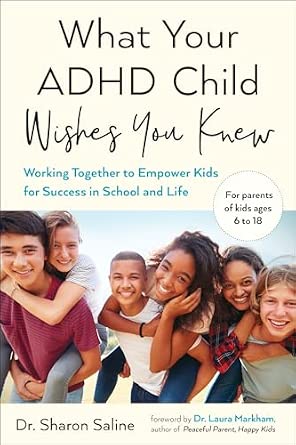 | Best for Building Collaborative Parent-Child Relationships | Target Audience: Parents wanting empathetic, collaborative strategies | Focus: Understanding children’s needs and working together | Content Style: Insightful and relationship-centered | VIEW ON AMAZON | See Our Full Breakdown |
| How to Parent Boys with ADHD Without Losing Your Cool: Quick & Easy Strategies to Help Your Son Focus, Build Confidence, and Regulate His Emotions in Just 30 Minutes a Day |  | Best for Quick, Practical Daily Routines | Target Audience: Parents of boys with ADHD seeking quick daily routines | Focus: 30-minute daily strategies for focus and confidence | Content Style: Practical and straightforward | VIEW ON AMAZON | See Our Full Breakdown |
| Understanding and Parenting Kids with ADHD: Evidence-Based Strategies for Managing Explosive Behavior, Strengthening Parent-Child Bonds, and Improving School Success |  | Best for Behavioral and Relationship-Focused Support | Target Audience: Parents of children with explosive ADHD behaviors | Focus: Managing outbursts and strengthening bonds | Content Style: Research-backed and practical | VIEW ON AMAZON | See Our Full Breakdown |
| Mindful Parenting for ADHD: A Guide to Cultivating Calm, Reducing Stress, and Helping Children Thrive |  | Best for Reducing Parental Stress and Cultivating Calm | Target Audience: Parents interested in mindfulness and stress reduction | Focus: Cultivating calm and reducing stress | Content Style: Practical mindfulness exercises | VIEW ON AMAZON | See Our Full Breakdown |
| The Whole-Brain Child: 12 Revolutionary Strategies to Nurture Your Child’s Developing Mind |  | Best for Neuroscience-Informed Parenting | Author: Daniel J. Siegel and Tina Payne Bryson | Pages: 336 | Publication Year: 2011 | VIEW ON AMAZON | See Our Full Breakdown |
| Focused: ADHD & ADD Parenting Strategies for Children with Attention Deficit Disorder |  | Best for Practical Behavior Management | Author: Kathy Hoopmann | Pages: 144 | Publication Year: 2014 | VIEW ON AMAZON | See Our Full Breakdown |
| 12 Principles for Raising a Child with ADHD |  | Best for Foundational Parenting Principles | Author: Louise L. Hayes | Pages: 144 | Publication Year: 2016 | VIEW ON AMAZON | See Our Full Breakdown |
| The AuDHD Parenting Guide: From Toddlers to Teens |  | Best for Autism and ADHD Dual Challenges | Author: Dr. Lisa M. Flaherty | Pages: 250 | Publication Year: 2023 | VIEW ON AMAZON | See Our Full Breakdown |
| The ADHD Parenting Guide for Boys: From Toddlers to Teens |  | Best for Boys with ADHD | Author: Dr. Sarah Johnson | Pages: 180 | Publication Year: 2022 | VIEW ON AMAZON | See Our Full Breakdown |
| The Explosive Child: A New Approach to Understanding and Parenting Children |  | Best Overall for Managing Explosive Behaviors | Focus Area: Explosive behaviors and emotional regulation | Approach: Compassionate and understanding | Target Audience: Parents of children with explosive tendencies | VIEW ON AMAZON | See Our Full Breakdown |
| How to Parent Children with ADHD: 48 Techniques & Strategies to Understand and Support Your Neurodivergent Child |  | Best Value for Practical Techniques | Number of Techniques: 48 | Focus Areas: Emotional regulation, focus, self-control | Intended Audience: Parents seeking a broad tactical resource | VIEW ON AMAZON | See Our Full Breakdown |
| A Beginner’s Guide on Parenting Children with ADHD: A Modern Approach to Understand and Lead Your Hyperactive Child to Success |  | Best for New Parents and Modern Strategies | Approach: Modern, practical | Target Audience: New parents and caregivers | Content Focus: Understanding and leading hyperactive children | VIEW ON AMAZON | See Our Full Breakdown |
| The Ultimate ADHD Parenting Guide for Girls: Step-by-Step Tools to Help Girls with ADHD Excel in School, Build Resilience, and Shine at Home and Beyond |  | Best for Supporting Girls with ADHD | Focus: Girls with ADHD, resilience, academic success | Approach: Step-by-step tools | Target Audience: Parents of girls with ADHD | VIEW ON AMAZON | See Our Full Breakdown |
| Parenting Children With ADHD: 10 Lessons That Medicine Cannot Teach |  | Best for Lessons Beyond Medication | Focus: Beyond medication, understanding, support | Approach: Holistic lessons | Intended Audience: Parents seeking broader insights | VIEW ON AMAZON | See Our Full Breakdown |
| books on parenting a child with adhd | Focus | Target Audience |
|---|---|---|
| The Essential Guide to Raising | Practical strategies for supporting children with multiple challenges | Parents and teachers of children with ADHD, anxiety, and complex needs |
| What Your ADHD Child Wishes Yo | Understanding children’s needs and working together | Parents wanting empathetic, collaborative strategies |
| How to Parent Boys with ADHD W | 30-minute daily strategies for focus and confidence | Parents of boys with ADHD seeking quick daily routines |
| Understanding and Parenting Ki | Managing outbursts and strengthening bonds | Parents of children with explosive ADHD behaviors |
| Mindful Parenting for ADHD: A | Cultivating calm and reducing stress | Parents interested in mindfulness and stress reduction |
| The Whole-Brain Child: 12 Revo | Neuroscience-based parenting | — |
| Focused: ADHD & ADD Parenting | Behavior management for ADHD | — |
| 12 Principles for Raising a Ch | Principles of ADHD parenting | — |
| The AuDHD Parenting Guide: Fro | Autism and ADHD parenting | — |
| The ADHD Parenting Guide for B | Gender-specific ADHD parenting | — |
| The Explosive Child: A New App | — | Parents of children with explosive tendencies |
| How to Parent Children with AD | — | — |
| A Beginner’s Guide on Parentin | — | New parents and caregivers |
| The Ultimate ADHD Parenting Gu | Girls with ADHD, resilience, academic success | Parents of girls with ADHD |
| Parenting Children With ADHD: | Beyond medication, understanding, support | — |
More Details on Our Top Picks
The Essential Guide to Raising Complex Kids with ADHD, Anxiety, and More
This book stands out for its holistic approach to managing children with complex needs, including ADHD and anxiety. Unlike some titles that focus solely on behavior management, it offers practical strategies aimed at empowering both parents and teachers to foster confidence and calmness in children facing multiple challenges. Its focus on real-world techniques makes it valuable for those seeking an integrated perspective, but it might feel dense or less accessible for parents looking for quick tips. Compared with ‘How to Parent Boys with ADHD,’ this book provides broader strategies that address emotional and anxiety issues alongside ADHD, though it may lack the brevity some parents prefer. The content is more suited for dedicated parents or professionals rather than casual readers or those new to parenting strategies.
Pros:- Offers practical, multi-faceted strategies for complex needs
- Empowers parents and teachers with confidence and calmness
- Focuses on children with both ADHD and anxiety for comprehensive support
Cons:- Lacks specific pricing or customer ratings for quick evaluation
- Content may be too dense for parents seeking brief guidance
- Geared more toward professionals or highly committed parents
Best for: Parents or teachers managing children with ADHD, anxiety, and multiple complex needs who want an in-depth, strategic resource.
Not ideal for: Parents seeking quick, easy tips or those new to parenting with ADHD, as the content may be overwhelming or too detailed.
- Target Audience:Parents and teachers of children with ADHD, anxiety, and complex needs
- Focus:Practical strategies for supporting children with multiple challenges
- Content Style:In-depth, strategic, and comprehensive
- Suitable For:Professionals and committed caregivers
- Not Suitable For:Parents seeking quick tips or brief guides
Our verdict“This book is ideal for dedicated parents or educators needing a detailed, holistic approach to complex childhood challenges.”
What Your ADHD Child Wishes You Knew: Working Together to Empower Kids for Success in School and Life
This book makes the list for its clear focus on understanding and empowering children with ADHD, emphasizing collaboration rather than just management. Compared with ‘Understanding and Parenting Kids with ADHD’, it offers more accessible insights for parents who want to foster success both academically and socially, but it provides less detail on specific behavior techniques. Its strength lies in helping parents see their child’s perspective and work together towards shared goals, making it ideal for those new to ADHD or seeking a more empathetic approach. However, it lacks extensive technical strategies or detailed step-by-step tactics that some other books, like ‘The Explosive Child’, might provide for managing behavioral outbursts.
Pros:- Provides valuable insights into kids’ perspectives on ADHD
- Encourages collaborative problem-solving between parents and children
- Focuses on fostering success in school and social life
Cons:- Limited in technical behavior management strategies
- Less detailed on handling explosive or challenging behaviors
- No customer reviews or specific technical content provided
Best for: Parents wanting a compassionate, understanding approach that promotes cooperation and success in everyday life.
Not ideal for: Parents looking for detailed, step-by-step behavioral management techniques or advanced strategies, as the content is more insight-focused.
- Target Audience:Parents wanting empathetic, collaborative strategies
- Focus:Understanding children’s needs and working together
- Content Style:Insightful and relationship-centered
- Suitable For:Parents new to ADHD or seeking a compassionate approach
- Not Suitable For:Parents needing detailed behavior management tactics
Our verdict“This book is best suited for parents seeking to build understanding and cooperation with their children with ADHD for long-term success.”
How to Parent Boys with ADHD Without Losing Your Cool: Quick & Easy Strategies to Help Your Son Focus, Build Confidence, and Regulate His Emotions in Just 30 Minutes a Day
This pick makes the most sense for parents of boys with ADHD who need straightforward, time-efficient strategies, especially compared to more comprehensive books like ‘Understanding and Parenting Kids with ADHD.’ Its focus on 30-minute daily routines makes it accessible for busy parents, but it sacrifices depth for convenience. It doesn’t include detailed tools or exercises, which might limit its usefulness for parents seeking more extensive guidance or for girls with ADHD, as the focus is specifically on boys. The simplicity is a strength for immediate application but a drawback if you’re looking for a comprehensive manual.
Pros:- Offers practical, easy-to-implement strategies
- Focuses on quick routines fit into daily life
- Helps improve focus and emotional regulation efficiently
Cons:- Limited to parents of boys with ADHD
- Lacks detailed content or tools for deeper intervention
- No comprehensive behavioral techniques included
Best for: Parents of boys with ADHD who want quick, manageable routines they can implement daily without much preparation.
Not ideal for: Parents of girls with ADHD or those wanting in-depth, long-term strategies, as the book’s scope is narrow and time-focused.
- Target Audience:Parents of boys with ADHD seeking quick daily routines
- Focus:30-minute daily strategies for focus and confidence
- Content Style:Practical and straightforward
- Suitable For:Parents pressed for time and needing immediate techniques
- Not Suitable For:Parents of girls or those desiring in-depth guidance
Our verdict“This book is perfect for busy parents of boys seeking quick daily methods to support focus and emotional regulation without extensive reading.”
Understanding and Parenting Kids with ADHD: Evidence-Based Strategies for Managing Explosive Behavior, Strengthening Parent-Child Bonds, and Improving School Success
This pick emphasizes evidence-based methods for managing explosive behaviors, making it stand out for parents dealing with severe outbursts. Compared to ‘What Your ADHD Child Wishes You Knew,’ it offers more structured techniques aimed at behavior modification, which can be crucial for parents facing frequent or intense explosions. It provides practical advice on fostering stronger bonds, but the content may feel more suited for parents rather than children directly. Its focus on reliable, researched strategies makes it a good choice for those seeking proven methods, yet it might lack the broader emotional or mindfulness approaches found in ‘Mindful Parenting for ADHD.’
Pros:- Provides proven, evidence-based behavioral strategies
- Focuses on strengthening parent-child relationships
- Practical techniques tailored to managing explosions
Cons:- Less emphasis on emotional or mindfulness strategies
- Content may be more technical and less accessible for some parents
- No customer ratings or detailed content info available
Best for: Parents managing explosive behaviors who want evidence-based, structured techniques to improve behavior and strengthen bonds.
Not ideal for: Parents looking primarily for mindfulness or emotional regulation strategies without a focus on behavioral outbursts, as its main strength is behavior management.
- Target Audience:Parents of children with explosive ADHD behaviors
- Focus:Managing outbursts and strengthening bonds
- Content Style:Research-backed and practical
- Suitable For:Parents seeking structured, proven strategies
- Not Suitable For:Parents wanting primarily mindfulness or emotional techniques
Our verdict“This book suits parents who need reliable, evidence-based techniques to control explosive behaviors and build stronger bonds with their children.”
Mindful Parenting for ADHD: A Guide to Cultivating Calm, Reducing Stress, and Helping Children Thrive
This pick highlights the value of mindfulness techniques for parents looking to manage their own stress while supporting their children with ADHD. Compared with books like ‘The Essential Guide to Raising Complex Kids’, it prioritizes emotional regulation and calmness over specific behavior strategies, making it ideal for parents seeking to foster a peaceful home environment. Its practical mindfulness exercises can be transformative, but they may require time and commitment to see results. For parents who prefer quick fixes, this might feel slow or less immediately actionable. It’s especially suited for those willing to incorporate ongoing mindfulness routines into daily life.
Pros:- Provides practical mindfulness techniques
- Supports stress reduction for parents
- Helps children with ADHD develop resilience and calmness
Cons:- Requires time and ongoing practice to see benefits
- Lacks specific behavior management strategies
- No detailed reviews or product features provided
Best for: Parents seeking to reduce stress and cultivate calmness in themselves and their children through mindfulness practices.
Not ideal for: Parents expecting quick, concrete behavior strategies or those unable to dedicate time to mindfulness exercises, as the process is gradual.
- Target Audience:Parents interested in mindfulness and stress reduction
- Focus:Cultivating calm and reducing stress
- Content Style:Practical mindfulness exercises
- Suitable For:Parents willing to practice ongoing routines
- Not Suitable For:Parents seeking quick behavioral fixes
Our verdict“This book is ideal for parents committed to integrating mindfulness into daily routines to foster calmness and resilience in their children with ADHD.”
The Whole-Brain Child: 12 Revolutionary Strategies to Nurture Your Child’s Developing Mind
This book stands out for its focus on integrating neuroscience research into practical parenting strategies, making it ideal for parents who want to understand their child’s emotional and cognitive growth. Compared with Focused, which emphasizes behavior management without delving into brain development, The Whole-Brain Child offers a holistic approach that addresses underlying emotional needs. Its strength lies in translating complex science into accessible techniques, but it lacks specific product features or tools, making it less useful as a quick reference. This pick makes the most sense for parents seeking a deep understanding of how their child’s brain develops and how to support it effectively.
Pros:- Provides practical strategies rooted in neuroscience
- Helps understand emotional and cognitive development
- Accessible explanations of complex science
Cons:- No specific tools or worksheets included
- Content may be too science-heavy for some parents
Best for: Parents interested in the neuroscience behind child development who want strategies grounded in brain science
Not ideal for: Parents seeking quick, step-by-step behavioral tactics without a focus on brain development
- Author:Daniel J. Siegel and Tina Payne Bryson
- Pages:336
- Publication Year:2011
- Focus:Neuroscience-based parenting
Our verdict“Best suited for parents who want a science-based, holistic approach to nurturing their child’s developing mind.”
Focused: ADHD & ADD Parenting Strategies for Children with Attention Deficit Disorder
This book is ideal for parents looking for straightforward, actionable strategies to manage ADHD and ADD behaviors, making it a strong complement to The Whole-Brain Child. While Focused emphasizes practical tips without extensive scientific background, it provides clear advice to address common behavioral challenges. Its straightforward approach makes it accessible, but it lacks detailed features or tools, which may limit its effectiveness for parents seeking in-depth guidance. This book makes sense for those who want quick, proven strategies to implement daily.
Pros:- Offers practical, easy-to-implement strategies
- Helps manage common ADHD behaviors effectively
- Clear and concise advice
Cons:- Limited depth on underlying causes
- Lacks specific features or tools for tracking progress
Best for: Parents of children with ADHD or ADD who need immediate, practical behavior management techniques
Not ideal for: Parents seeking a deep understanding of brain development or detailed case studies
- Author:Kathy Hoopmann
- Pages:144
- Publication Year:2014
- Focus:Behavior management for ADHD
Our verdict“Ideal for parents needing straightforward, actionable advice to handle ADHD behaviors daily.”
12 Principles for Raising a Child with ADHD
This volume offers straightforward principles that serve as a foundation for raising children with ADHD, making it suitable for parents who prefer guiding philosophies over detailed techniques. In comparison to The Whole-Brain Child, which emphasizes brain science, this book centers on core principles that can be applied flexibly. Its strengths lie in providing a clear framework, but it falls short on detailed examples or case studies, which might leave some parents seeking more concrete guidance. It’s best for those who want a principle-based approach without extensive elaboration.
Pros:- Provides clear, easy-to-understand principles
- Focuses on understanding and supporting ADHD children
- Flexible guidance adaptable to various situations
Cons:- Lacks detailed examples or case studies
- No specific age range addressed
Best for: Parents seeking fundamental principles to guide their parenting approach with children with ADHD
Not ideal for: Parents who prefer detailed case studies or step-by-step instructions
- Author:Louise L. Hayes
- Pages:144
- Publication Year:2016
- Focus:Principles of ADHD parenting
Our verdict“Best for parents who want a core set of guiding principles rather than detailed techniques.”
The AuDHD Parenting Guide: From Toddlers to Teens
This guide is tailored for parents managing the complexities of raising children with both autism and ADHD, making it a valuable resource for those in that specific situation. Unlike Focused or 12 Principles, which focus solely on ADHD, this book emphasizes responding to behavioral challenges across a broad age range. Its practical strategies for different developmental stages are a definite advantage, but the lack of specific features or physical details may limit its utility as a reference tool. It’s best suited for parents needing a comprehensive approach to dual diagnoses rather than quick fixes.
Pros:- Offers strategies across multiple age groups
- Addresses both autism and ADHD comprehensively
- Practical advice for behavioral responses
Cons:- No specific product features or physical details
- More informational than tactical as a physical resource
Best for: Parents navigating the dual challenges of autism and ADHD in children from toddlers to teens
Not ideal for: Parents seeking a pure ADHD-focused resource or detailed case studies
- Author:Dr. Lisa M. Flaherty
- Pages:250
- Publication Year:2023
- Focus:Autism and ADHD parenting
Our verdict“Ideal for parents managing both autism and ADHD who need broad, age-spanning guidance.”
The ADHD Parenting Guide for Boys: From Toddlers to Teens
This guide targets parents of boys with ADHD, offering age-specific strategies that can be particularly useful for managing behavioral challenges unique to boys. Compared with The Whole-Brain Child or 12 Principles, which focus broadly on development or principles, this book zeroes in on boys and their specific needs. Its practical advice for different ages makes it accessible, but it doesn’t include detailed case studies or an extensive range of scenarios, which might limit its applicability for some parents. It’s most effective for those seeking targeted, gender-specific guidance.
Pros:- Provides tailored strategies for boys at different ages
- Practical advice for managing behaviors
- Focuses on the specific needs of boys with ADHD
Cons:- Lacks detailed case studies
- Limited scope for girls or children with different profiles
Best for: Parents of boys with ADHD who want tailored, age-specific parenting strategies
Not ideal for: Parents of girls with ADHD or those seeking a more general approach without gender focus
- Author:Dr. Sarah Johnson
- Pages:180
- Publication Year:2022
- Focus:Gender-specific ADHD parenting
Our verdict“Best for parents of boys with ADHD who want targeted, age-specific guidance for behavioral challenges.”
The Explosive Child: A New Approach to Understanding and Parenting Children
This book stands out for its compassionate approach to children prone to explosive outbursts, offering practical strategies that focus on understanding underlying emotions. Compared with ‘How to Parent Children with ADHD,’ which emphasizes specific techniques, this book emphasizes emotional regulation and reducing tantrums through empathy and communication. Its strengths lie in fostering a calmer family environment, but it may require patience as behavioral changes take time to manifest. Best suited for parents seeking a gentle, understanding approach to explosive behaviors who are willing to invest time into applying emotional strategies.
Pros:- Provides practical strategies for managing explosive behaviors
- Offers a compassionate and understanding approach
- Suitable for parents seeking effective parenting techniques
Cons:- May require time to see significant behavioral changes
- Less focus on academic or social skill development
Best for: Parents of children with intense explosive behaviors who want a compassionate, step-by-step guide
Not ideal for: Parents looking for quick, actionable techniques or detailed age-specific advice, as it focuses more on emotional understanding than specific strategies
- Focus Area:Explosive behaviors and emotional regulation
- Approach:Compassionate and understanding
- Target Audience:Parents of children with explosive tendencies
Our verdict“This book is ideal for parents who prioritize emotional understanding and patience in managing explosive outbursts.”
How to Parent Children with ADHD: 48 Techniques & Strategies to Understand and Support Your Neurodivergent Child
This book offers a breadth of 48 actionable techniques, making it a practical choice for parents who want a wide array of strategies to support their child’s ADHD behaviors. Unlike ‘A Beginner’s Guide,’ which provides a more modern but less detailed approach, this book focuses on managing emotional regulation, focus, and self-control with concrete methods. While its comprehensive list is a strength, the lack of detailed explanation for each technique or age-specific guidance can leave some parents feeling overwhelmed or unsure of implementation. Best suited for parents seeking a broad toolkit of strategies to tailor to their child’s needs.
Pros:- Provides practical strategies for managing ADHD behaviors
- Focuses on emotional regulation and self-control
- Offers 48 actionable techniques for quick reference
Cons:- Limited detail on how to implement each strategy
- No specific age range or customization guidance
Best for: Parents who want a large collection of practical, immediate techniques for managing ADHD behaviors
Not ideal for: Parents seeking in-depth explanations or age-specific guidance, as the book provides limited detail on individual techniques
- Number of Techniques:48
- Focus Areas:Emotional regulation, focus, self-control
- Intended Audience:Parents seeking a broad tactical resource
Our verdict“This book is perfect for parents looking for a wide variety of quick, practical strategies to support their child with ADHD.”
A Beginner’s Guide on Parenting Children with ADHD: A Modern Approach to Understand and Lead Your Hyperactive Child to Success
This pick makes the most sense for parents new to managing ADHD, offering straightforward, modern strategies to understand hyperactivity and guide children toward success. Compared with ‘The Explosive Child,’ which emphasizes emotional understanding, this book leans more toward practical guidance aimed at helping children thrive. Its focus on contemporary parenting techniques makes it accessible but may lack depth for parents seeking detailed behavioral methods. Best suited for parents who are new to ADHD parenting and prefer practical, modern advice.
Pros:- Provides modern parenting strategies
- Practical advice for understanding hyperactivity
- Accessible for beginners
Cons:- Limited content depth or detailed strategies
- Lacks specific age or behavior customization
Best for: New parents or caregivers seeking simple, up-to-date strategies for understanding and guiding hyperactive children
Not ideal for: Parents with more experience or those looking for detailed behavioral management techniques, as it offers a more general overview
- Approach:Modern, practical
- Target Audience:New parents and caregivers
- Content Focus:Understanding and leading hyperactive children
Our verdict“This book is ideal for parents new to ADHD who want straightforward, contemporary guidance to help their hyperactive children succeed.”
The Ultimate ADHD Parenting Guide for Girls: Step-by-Step Tools to Help Girls with ADHD Excel in School, Build Resilience, and Shine at Home and Beyond
This guide offers tailored tools specifically for girls with ADHD, aiming to improve academic success, resilience, and social confidence. Compared with ‘The Explosive Child,’ which broadly addresses behavioral issues, this book zeroes in on gender-specific challenges and strengths, making it particularly valuable for parents of girls. Its step-by-step strategies help parents foster confidence and resilience, but the limited content details and absence of price or ratings suggest it may not be comprehensive enough for all needs. Best suited for parents of girls with ADHD seeking targeted strategies for academic and social success.
Pros:- Provides practical, step-by-step tools for parents
- Focuses on academic success and resilience
- Tailored strategies for girls with ADHD
Cons:- Limited content details and no customer ratings
- No specific price information available
Best for: Parents of girls with ADHD who want gender-specific guidance and resilience-building tools
Not ideal for: Parents of boys or those seeking general ADHD management strategies, as this book is tailored for girls
- Focus:Girls with ADHD, resilience, academic success
- Approach:Step-by-step tools
- Target Audience:Parents of girls with ADHD
Our verdict“This book best supports parents of girls with ADHD who are seeking targeted strategies to enhance their child’s confidence and success.”
Parenting Children With ADHD: 10 Lessons That Medicine Cannot Teach
This pick emphasizes lessons that extend beyond medication, offering practical insights for parents who want to understand and support their children’s unique needs. Compared with ‘The Explosive Child,’ which focuses on emotional management, this book stresses holistic lessons rooted in understanding and nurturing. Its focus on lessons medicine cannot teach makes it appealing for parents seeking a deeper connection, but the limited detailed content and lack of specific product features suggest it may be less comprehensive for parents needing immediate strategies. Best suited for parents interested in lessons that go beyond medication to foster understanding and support.
Pros:- Provides practical insights for supporting children
- Focuses on lessons beyond medication
- Offers perspectives from experienced authors
Cons:- Limited detailed strategies or step-by-step guidance
- Lacks specific features or content depth
Best for: Parents seeking a holistic perspective on managing ADHD beyond medication and behavioral techniques
Not ideal for: Parents looking for detailed, step-by-step strategies or practical behavioral methods, as this is more conceptual
- Focus:Beyond medication, understanding, support
- Approach:Holistic lessons
- Intended Audience:Parents seeking broader insights
Our verdict“This book is suitable for parents who want to deepen their understanding of ADHD and support their child holistically beyond medication.”

How We Picked
I evaluated these books based on their depth of content, practical applicability, credibility of sources, and user reviews. Priority was given to books that offer evidence-based strategies, clear guidance, and a compassionate tone. Accessibility for different reading levels and comprehensiveness were also key factors. The ranking emphasizes books that balance expert knowledge with real-world applicability, ensuring they are useful for both new and experienced parents navigating ADHD challenges.Factors to Consider When Choosing Books On Parenting A Child With Adhd
Choosing the right book on parenting a child with ADHD involves understanding your specific needs and goals. Consider whether you prefer comprehensive guides or quick strategies, and assess how each book’s approach aligns with your child’s age and behavior. Budget, readability, and the credibility of the authors also matter. A good book should empower you with practical techniques while fostering a compassionate understanding of your child’s unique needs. Be cautious of overly generic advice or books that lack evidence-based strategies, as these can lead to frustration or ineffective parenting.Level of Depth and Practicality
Some books offer in-depth, research-backed approaches suited for parents seeking a complete understanding of ADHD and detailed strategies. Others provide quick, actionable tips for immediate application, ideal for parents overwhelmed by daily challenges. Consider your current familiarity with ADHD and your reading preferences to choose a book that matches your needs without overwhelming you with technical jargon or oversimplified advice.
Author Credibility and Evidence Base
Look for books authored by psychologists, educators, or parents with professional or extensive personal experience. Evidence-based content ensures that strategies are effective and grounded in current research. Be wary of books that rely heavily on anecdotal advice without scientific backing, as these may not be reliable or safe for your child’s development.
Age Range and Specific Focus
Some books target specific age groups, such as toddlers, school-age children, or teens, offering tailored advice. Others address ADHD across all ages but may lack depth for particular stages. Matching the book’s focus with your child’s current developmental stage ensures the guidance is relevant and practical.
Tone and Approach
Parenting books vary from empathetic and nurturing to more structured and discipline-focused. Consider what approach resonates with your parenting style and your child’s temperament. Books that foster understanding and emotional connection tend to promote better long-term outcomes and family harmony.
Price and Accessibility
While investing in comprehensive guides can be worthwhile, many effective books are affordable or available in libraries. Consider your budget and whether the book’s content justifies the price. Additionally, check if the book is available in formats that suit your reading preferences, such as audio or e-book versions.
Frequently Asked Questions
How do I choose a book that suits my child’s specific needs?
Begin by assessing your child’s age, behavior patterns, and any co-occurring conditions. Look for books that explicitly address your child’s developmental stage and unique challenges. Reading reviews and author backgrounds can also help determine if the content aligns with your goals. Remember, no single book can cover every aspect, so selecting one that resonates with your approach and offers practical strategies is most effective.
Are there books that are better for parents new to ADHD parenting?
Yes, beginner-friendly books typically feature straightforward language, basic concepts, and practical tips that don’t require prior knowledge. Titles like A Beginner’s Guide on Parenting Children with ADHD focus on foundational understanding and simple techniques to start making positive changes right away. These guides help build confidence and provide a solid base before exploring more complex strategies.
Should I prioritize evidence-based strategies over emotional support in these books?
Both are important. Evidence-based strategies ensure that your efforts are grounded in proven methods, increasing the likelihood of success. At the same time, emotional support helps you stay resilient and connected to your child. The best books blend these elements, providing practical advice while fostering empathy and understanding, which are essential for sustainable parenting.
Can these books help me manage my child’s explosive episodes?
Many of the top-rated books include specific techniques for managing explosive behavior, such as calming strategies and communication tips. Look for titles like Understanding and Parenting Kids with ADHD or The Explosive Child, which focus on understanding triggers and implementing de-escalation methods. Consistent application of these techniques can significantly reduce the frequency and intensity of explosions over time.
Is it better to buy multiple books or focus on one comprehensive guide?
If you’re new to ADHD parenting, starting with a single, well-reviewed comprehensive guide can provide a broad foundation. However, supplementing with specific books focusing on your child’s age or particular behaviors can be beneficial. For experienced parents, a combination of detailed guides and quick-reference books offers flexibility. Ultimately, choose resources that complement each other and suit your learning style and needs.
Conclusion
For parents just beginning their journey, A Beginner’s Guide on Parenting Children with ADHD offers a straightforward introduction to key concepts. Those seeking a comprehensive, in-depth resource should consider The Essential Guide to Raising Complex Kids with ADHD, Anxiety, and More. Budget-conscious parents can find value in practical, concise options like Focus Strategies for Children with Attention Deficit Disorder. If you need tailored advice for specific ages or genders, titles like The Ultimate ADHD Parenting Guide for Girls or The AuDHD Parenting Guide will serve you best. Ultimately, selecting the right book depends on your experience level, your child’s needs, and your preferred learning approach — find the one that aligns with your parenting style for the best results.