Choosing the right laptop for high school students involves balancing performance, portability, and affordability. The HP 15.6″ FHD Laptop 2026 Edition stands out as the best overall choice for its solid performance and versatile features. The Lenovo IdeaPad 1 15.6″ FHD Student Laptop offers impressive value with generous storage and RAM, making it ideal for budget-conscious students. Meanwhile, the HP Ultralight Laptop for Students and Business excels in portability for students who need a lightweight device for everyday tasks. All these options present tradeoffs—such as storage capacity versus price or power versus weight—so continue reading for the full breakdown to find the best fit for your needs.

Turn the school run and nap time into listening time
- Thousands of audiobooks, podcasts and originals
- Listen on your phone, tablet or Echo — also offline
- Cancel anytime
Complete the kit


Key Takeaways
- The most balanced laptops combine decent performance with portability and affordability.
- Higher RAM and SSD capacity are key for multitasking and storing school files efficiently.
- Portability often comes with tradeoffs in storage or power—choose based on your primary use.
- Lightweight ultrabooks are perfect for students on the go, but may sacrifice some performance features.
- Budget options can handle basic tasks but might lack future-proofing for more demanding software.

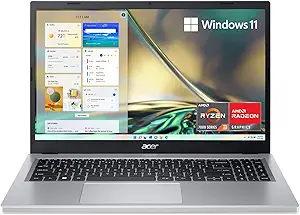


| laptop for high school student | Processor | Display | Storage | RAM |
|---|---|---|---|---|
| HP 14-inch Ultralight Laptop f | Intel Celeron | 14 inch HD Micro-edge | 192GB (64GB eMMC + 128GB Ghost Manta SD Card) | 8GB DDR4 |
| Acer Aspire 3 A315-24P-R7VH Sl | AMD Ryzen 3 7320U | 15.6" Full HD IPS | 128GB NVMe SSD | 8GB LPDDR5 |
| HP 15.6" FHD Laptop 2026 Editi | Intel N100 | 15.6 inches FHD | 256GB SSD | 8GB |
| HP Flagship 14" HD Student & B | 13th Gen Intel N150 | 14.0-inch HD | 128GB UFS + 1TB Docking Station | 4GB DDR4 |
| HP Essential Laptop Computer | Intel N150 | 14-inch HD | 128GB SSD | — |
| Lenovo IdeaPad 1 15.6" FHD Stu | Intel Celeron N4500, 2 cores, 1.1 GHz (up to 2.8 GHz) | 15.6" FHD (1920×1080), IPS, Anti-glare | 512GB PCIe NVMe SSD + 128GB eMMC | 12GB DDR4 SDRAM |
| HP 15.6 inch Touchscreen Lapto | AMD Ryzen 3 7320U | 15.6 inch HD Touchscreen | 128 GB PCIe NVMe SSD | 8 GB LPDDR5 |
| Dell 15.6" FHD Laptop with Int | Intel Core i3 100U | 15.6 inch FHD IPS | 512GB SSD | 8 GB |
| Lenovo IdeaPad 2026 Student La | Intel Celeron N4500 | 14" HD (1366×768) | 128GB eMMC | — |
| HP 14" Laptop Ultra-Portable C | Intel N150 Quad-Core up to 3.6 GHz | 14-inch HD | 128GB SSD + 500GB External | 4GB |
| HP 14-Inch Laptop Computer | Intel Processor N150 | 14-inch HD (1366 x 768) | 128GB SSD + 1TB Cloud Storage | 4GB DDR5 |
| HP 2026 Ultrabook Laptop for S | Intel Quad-Core N150 (up to 3.6GHz) | 14-inch HD (1366 x 768), anti-glare, micro-edge | 256GB SSD + 128GB UFS | 8GB DDR4 |
More Details on Our Top Picks
HP 14-inch Ultralight Laptop for Students and Business, Intel Quad-Core, 8GB RAM, 192GB Storage, Windows 11 S
This ultra-light HP model stands out for its portability, making it ideal for students who need a device to carry between classes and home. Compared to the larger HP 15.6″ models, it sacrifices some screen real estate for a significantly lighter profile, which benefits those prioritizing mobility. The Intel Celeron processor and limited storage mean it handles browsing, note-taking, and streaming well but struggles with multitasking or demanding applications. The inclusion of Office 365 and Windows 11 S mode adds value for schoolwork, yet the restricted app store and storage cap can be limiting for heavier media or software needs. Overall, this pick makes the most sense for students focused on lightweight, everyday use rather than intensive tasks or media editing.
Pros:- Lightweight and easy to carry all day
- Adequate RAM for multitasking with multiple tabs and apps
- Includes Office 365 subscription for productivity
Cons:- Processor may lag with multitasking or demanding applications
- Limited storage capacity for large files or multimedia
Best for: Students who prioritize portability and light productivity tasks
Not ideal for: Students needing to run intensive software, store large media files, or perform gaming
- Processor:Intel Celeron
- Display:14 inch HD Micro-edge
- RAM:8GB DDR4
- Storage:192GB (64GB eMMC + 128GB Ghost Manta SD Card)
- Ports:1 x USB 3.1 Type-C, 2 x USB 3.1 Type-A, HDMI, Headphone/Microphone Combo Jack, microSD slot
- Operating System:Windows 11 S
Our verdict“A solid choice for students who need a portable device for basic schoolwork and online learning.”
Acer Aspire 3 A315-24P-R7VH Slim Laptop, 15.6″ Full HD, AMD Ryzen 3 7320U, 8GB LPDDR5, 128GB NVMe SSD, Wi-Fi 6, Windows 11 Home
The Acer Aspire 3 offers a larger 15.6-inch Full HD display, making it more suitable for students who prefer a bigger screen for multitasking or media consumption. Compared with the HP 14-inch models, this laptop sacrifices some portability but compensates with a sharper display and better multitasking potential due to its AMD Ryzen 3 processor. Its 8GB RAM and fast NVMe SSD support smooth everyday use, though the 128GB storage might be restrictive for heavy media libraries. The inclusion of Wi-Fi 6 ensures faster, more reliable internet connections, which benefits remote learning. This model makes the most sense for students who want a good balance of performance, screen size, and modern connectivity, but it’s less ideal for those needing extensive storage or high-end graphics performance.
Pros:- Large, sharp Full HD display with narrow bezels
- Modern Wi-Fi 6 connectivity for faster internet
- Lightweight for a 15.6″ laptop
Cons:- Limited storage capacity at 128GB SSD
- Basic AMD Ryzen 3 processor may limit heavy multitasking
- No dedicated graphics card for gaming or design
Best for: Students seeking a larger screen for multitasking and media use without sacrificing portability
Not ideal for: Students with large media collections or those who need intensive processing power for creative work
- Display:15.6″ Full HD IPS
- Processor:AMD Ryzen 3 7320U
- RAM:8GB LPDDR5
- Storage:128GB NVMe SSD
- Connectivity:Wi-Fi 6
- Operating System:Windows 11 Home
Our verdict“Ideal for students wanting a larger screen and reliable daily performance in a portable package.”
HP 15.6″ FHD Laptop 2026 Edition, Intel Processor, 8GB RAM, 256GB SSD, Windows 11, Microsoft 365, 5-in-1 Hub
This HP 15.6-inch model combines a larger screen with a comprehensive bundle, including a 5-in-1 hub and a 256GB SSD, making it well-suited for students who need a versatile device. Compared with smaller or less equipped options, it offers more storage and expandability, suitable for students juggling schoolwork with entertainment or light content creation. The Intel N100 processor ensures reliable performance for typical tasks, but it may fall behind more demanding software. The included Microsoft 365 subscription and long-lasting battery are added benefits for remote learning. This choice makes the most sense for students who need a balance of performance, storage, and connectivity, but less so for those requiring high-end graphics or processing capacity.
Pros:- Large 15.6″ FHD display for better multitasking
- Generous 256GB SSD storage
- Includes a docking station and Office 365 subscription
Cons:- Processor may limit heavy multitasking or advanced tasks
- Battery life details are not specified, which could impact portability
- HD display may not satisfy professional graphics needs
Best for: Students who want a full-sized screen with extra storage and versatile connectivity options
Not ideal for: Students needing a lightweight ultra-portable or running intensive creative software
- Display:15.6 inches FHD
- Processor:Intel N100
- RAM:8GB
- Storage:256GB SSD
- Extras:5-in-1 Hub, Office 365
- Weight:3.64 lbs
Our verdict“A well-rounded choice for students who value storage, screen size, and connectivity in a portable form.”
HP Flagship 14″ HD Student & Business Laptop with AI Copilot, 13th Gen Intel, 4GB RAM, 1.12TB Storage, Docking Station, Windows 11 S
This HP flagship model offers a blend of powerful storage and AI capabilities, making it suitable for students interested in future-proof features and multitasking. Its 13th Gen Intel processor and 4GB RAM prioritize efficiency over raw power, unlike the more robust options like the Acer Aspire. The 1.12TB storage, including a docking station, provides ample space for files, media, and software. The device supports Wi-Fi 6 and comes with Windows 11 S mode for security, plus AI Copilot for added productivity. Compared to other lightweight options, this laptop emphasizes storage and AI features, but the limited RAM could hinder multitasking, especially when running multiple applications simultaneously. It’s best for students who need a versatile, high-storage device with future-ready features, not for those doing intensive multitasking or media editing.
Pros:- Generous 1.12TB storage plus docking station
- Supports Wi-Fi 6 and Windows 11 S mode
- Includes AI Copilot for productivity enhancement
Cons:- Limited 4GB RAM may restrict multitasking
- HD display might not meet professional graphics standards
- Processor may not handle intensive applications smoothly
Best for: Students interested in AI tools, high storage, and productivity features for work and study
Not ideal for: Students who need a budget-friendly, high-performance machine for demanding tasks
- Display:14.0-inch HD
- Processor:13th Gen Intel N150
- RAM:4GB DDR4
- Storage:128GB UFS + 1TB Docking Station
- Webcam:HD Webcam
- Connectivity:Wi-Fi 6
Our verdict“A good option for students wanting high storage and AI features, but less suited for multitasking or demanding software.”
HP Essential Laptop Computer, 2026 Edition, 128GB SSD, Intel N150 CPU, Windows 11, Microsoft 365
The HP Essential Laptop offers a slim, lightweight design with a 14-inch HD display, making it suitable for students who need a straightforward device for everyday tasks. Compared to the more feature-rich models like the HP 15.6″ FHD, this laptop focuses on portability and affordability, with a modest 128GB SSD that may require cloud storage for large files. Its Intel N150 processor ensures basic performance for browsing, note-taking, and streaming, but it’s not designed for multitasking with heavy applications. The inclusion of Microsoft 365 and Windows 11 provides productivity tools right out of the box. This pick is ideal for students on a tight budget or those primarily engaged in simple tasks, but it’s less suitable for media-heavy or multi-app workflows.
Pros:- Lightweight and easy to carry
- Includes Microsoft 365 and cloud storage options
- Affordable for budget-minded users
Cons:- Limited 128GB SSD storage for large files
- Processor may lag with demanding multitasking
- HD display brightness could be brighter
Best for: Budget-conscious students needing a reliable, portable device for light use
Not ideal for: Students requiring large storage, powerful multitasking, or media editing
- Processor:Intel N150
- Display:14-inch HD
- Storage:128GB SSD
- Operating System:Windows 11
- Included Software:Microsoft 365
- Weight:3.24 lbs
Our verdict“A practical choice for students who need a simple, affordable device for basic tasks and portability.”
Lenovo IdeaPad 1 15.6″ FHD Student Laptop with 12GB RAM and 512GB SSD
This Lenovo IdeaPad 1 stands out for offering a well-balanced combination of speed, storage, and display quality, making it ideal for high school students juggling multiple apps and projects. Compared with the Dell 15.6″ FHD, it supplies more RAM and a larger SSD, which means smoother multitasking and faster data access. However, its less powerful processor might struggle with intensive tasks like video editing or gaming. The 15.6-inch FHD IPS display with anti-glare coating is perfect for extended study sessions, while the 9-hour battery life supports all-day use. Its weight of 3.4 pounds makes it portable but slightly less so than ultralight options. Overall, this pick is best for students needing reliable performance without sacrificing screen size or storage.
Pros:- High-speed 12GB RAM supports smooth multitasking
- Fast 512GB SSD for quick boot and data transfer
- Full HD display with anti-glare technology
- Long battery life of up to 9 hours
Cons:- Processor may be less powerful for intensive tasks
- Limited ports for some connectivity needs
- Weight of 3.4 pounds slightly reduces portability
Best for: High school students who need a balanced device for multitasking, storage, and moderate creative work.
Not ideal for: Students requiring a lightweight ultrabook or high-end gaming capabilities, as the processor is limited for demanding apps.
- Display:15.6″ FHD (1920×1080), IPS, Anti-glare
- Processor:Intel Celeron N4500, 2 cores, 1.1 GHz (up to 2.8 GHz)
- RAM:12GB DDR4 SDRAM
- Storage:512GB PCIe NVMe SSD + 128GB eMMC
- Graphics:Intel UHD Graphics
- Battery Life:9 hours
Our verdict“This model is best for students needing reliable performance and ample storage in a portable package.”
HP 15.6 inch Touchscreen Laptop with AMD Ryzen 3, 8GB RAM, 128GB SSD, Windows 11 Home in S Mode, Natural Silver
This HP touchscreen laptop makes sense for students who value interactive features and long battery life, especially those involved in creative projects or media consumption. Compared with the Dell Core i3 model, it offers a responsive touchscreen and Radeon graphics, suitable for light creative work and browsing. Its limited storage of 128GB may be restrictive for larger files, but quick charging and privacy features add convenience and security. The display resolution of 1366×768, however, is less sharp than Full HD options, which could hinder detailed work. Its eco-friendly build from recycled materials appeals to environmentally conscious users. This device suits students focused on media and casual use rather than demanding tasks.
Pros:- Responsive touchscreen with anti-glare coating
- Fast SSD storage and 8GB RAM for multitasking
- Long-lasting battery with quick charge
- Eco-friendly recycled materials
Cons:- Limited storage capacity for large files
- Display resolution is basic (1366×768)
- Integrated Radeon graphics may not handle high-end gaming
Best for: Students who prioritize a touchscreen experience, media consumption, and portability for casual use.
Not ideal for: High-performance multitaskers or those with large storage needs, due to limited SSD space and basic resolution.
- Display:15.6 inch HD Touchscreen
- Processor:AMD Ryzen 3 7320U
- RAM:8 GB LPDDR5
- Storage:128 GB PCIe NVMe SSD
- Graphics:AMD Radeon Graphics
- Battery:45 W AC charger, 0-50% in 45 minutes
Our verdict“This is best for students seeking an interactive, portable device for media and light tasks.”
Dell 15.6″ FHD Laptop with Intel Core i3, 8GB RAM, 512GB SSD, Windows 11 Home
This Dell 15.6″ FHD laptop offers a solid foundation for typical high school tasks, including research, writing, and light multimedia work. Its Full HD IPS display provides clear visuals, and the 512GB SSD ensures quick startup times and ample space for documents. Compared to the Lenovo IdeaPad, it has a slightly less powerful processor but benefits from Dell’s reliable build quality and ergonomic design. It’s less suited for heavy multitasking or demanding creative projects, given the Core i3 processor and no dedicated graphics. The inclusion of anti-glare and blue light reduction features enhances comfort during long study sessions. Overall, this model fits students needing dependable daily use without high-end gaming or intensive editing.
Pros:- Clear Full HD IPS display with anti-glare technology
- Fast SSD storage for quick boot and load times
- Ergonomic design for comfortable extended use
- One-year onsite support service
Cons:- Powered by an entry-level Core i3 processor, limiting heavy multitasking
- Limited to 8GB RAM for demanding applications
- No dedicated graphics for high-end tasks
Best for: Students who want a dependable, straightforward device for schoolwork and browsing.
Not ideal for: Power users or students involved in media editing or gaming, due to modest processor and graphics capabilities.
- Display:15.6 inch FHD IPS
- Processor:Intel Core i3 100U
- RAM:8 GB
- Storage:512GB SSD
- Graphics:Intel UHD Graphics
- Display Brightness:250 nits
Our verdict“Ideal for students seeking a reliable and straightforward device for routine school tasks.”
Lenovo IdeaPad 2026 Student Laptop with Microsoft 365, 8GB RAM, 128GB Storage, 500GB External HDD, Windows 11 Home
This Lenovo IdeaPad 2026 is a lightweight, affordable option tailored for online learning and streaming, making it perfect for students with basic needs. Compared with the HP 14″ Ultralight, it offers a larger screen and includes a Microsoft 365 subscription plus an external hard drive, adding value for productivity. Its dual-core Intel Celeron processor and 128GB eMMC storage are sufficient for browsing, document editing, and streaming but fall short for demanding tasks. The display resolution of 1366×768 is basic, and the limited internal storage means reliance on external drives. Its portability and long battery life make it a practical choice for students on the go, but less suitable for intensive use or large file storage.
Pros:- Lightweight and portable design
- Includes Microsoft 365 subscription and external hard drive
- Long battery life for all-day use
- Webcam privacy shutter for security
Cons:- Processor may be too weak for demanding tasks
- Basic display resolution limits visual clarity
- Limited internal storage of 128GB
Best for: Students seeking an affordable, portable device primarily for online classes, note-taking, and streaming.
Not ideal for: Students needing a powerful machine for multitasking, high-storage needs, or demanding applications.
- Processor:Intel Celeron N4500
- Memory:8GB DDR4 RAM
- Storage:128GB eMMC
- External Storage:500GB Portable External Hard Drive
- Display:14″ HD (1366×768)
- Operating System:Windows 11 Home
Our verdict“This is best for budget-minded students who prioritize portability and basic functionality over performance.”
HP 14″ Laptop Ultra-Portable Computer 2026 Student Business, MS Office, Copilot AI, Intel 4-Core CPU, 4GB RAM, 628GB Storage, Win 11 Pro, Lavender
This HP 14″ model targets students balancing schoolwork and remote or business tasks, thanks to its quad-core Intel processor, Windows 11 Pro, and included accessories. Compared with the Lenovo IdeaPad 1, it emphasizes portability with a smaller 14-inch screen and a comprehensive accessory bundle, making it ideal for remote learning and light productivity. Its 4GB RAM, however, limits multitasking potential, and the external storage setup suggests internal space may be insufficient for large files. The device’s lightweight design and bundled accessories make it suitable for students who need mobility and a ready-to-go setup, but it isn’t geared for demanding creative or gaming workflows.
Pros:- Lightweight and portable with a 14-inch display
- Fast performance with quad-core CPU and SSD
- Includes Microsoft Office 2024 and useful accessories
- Windows 11 Pro for enhanced security and management
Cons:- Limited 4GB RAM affects heavy multitasking
- No dedicated graphics card for high-end visuals
- External storage needed for larger files
Best for: Students who need a portable device for remote learning, Microsoft Office tasks, and light multitasking.
Not ideal for: Power users or students involved in media editing or gaming, due to limited RAM and modest internal storage.
- Display:14-inch HD
- Processor:Intel N150 Quad-Core up to 3.6 GHz
- RAM:4GB
- Storage:128GB SSD + 500GB External
- Operating System:Windows 11 Pro
- Included Accessories:USB-C Docking Station, external drive, HDMI, wireless mouse
Our verdict“This device works best for students needing a portable, business-focused laptop for everyday productivity tasks.”
HP 14-Inch Laptop Computer, 2026 Edition, Intel N150, 4GB DDR5 RAM, 128GB SSD + 1TB Cloud Storage, Windows 11, Student & Home Use
This lightweight 14-inch HP model stands out for students who prioritize portability without sacrificing essential features. Its Intel N150 processor paired with 4GB DDR5 RAM handles everyday tasks like browsing, writing, and streaming efficiently, especially compared to bulkier options like the HP 15.6″ FHD Laptop which offers more screen real estate but less portability. The combination of a fast SSD and 1TB cloud storage simplifies file management, although the limited RAM can hinder multitasking with multiple applications open simultaneously. The HD display (1366 x 768) is basic, which might be noticeable during prolonged use, and the single USB 2.0 port limits peripheral connectivity. This pick is ideal for students who need a lightweight device with long battery life for on-the-go use, but it may not suit those running demanding multitasking or media editing.
Pros:- Lightweight and highly portable at just over 3 pounds
- Fast SSD combined with 1TB cloud storage for easy file access
- Includes a Microsoft 365 subscription for productivity
Cons:- Limited 4GB RAM may slow down multitasking
- HD display resolution feels basic for extended use
- Only one USB 2.0 port limits external device connections
Best for: Students who need a portable, budget-friendly laptop primarily for browsing, note-taking, and streaming.
Not ideal for: Students doing intensive multitasking, media editing, or gaming, due to limited RAM and basic display resolution.
- Processor:Intel Processor N150
- RAM:4GB DDR5
- Storage:128GB SSD + 1TB Cloud Storage
- Display:14-inch HD (1366 x 768)
- Operating System:Windows 11 Home 64-bit
- Battery Life:Up to 12 Hours
- Weight:3.24 lbs
- Color:Natural Silver
Our verdict“A solid choice for students prioritizing portability and affordability over screen resolution and multitasking power.”
HP 2026 Ultrabook Laptop for Students & Home with Microsoft Office 365 and Copilot AI
This HP Ultrabook combines a sleek design with reliable performance, making it suitable for students who value style and long-lasting battery life. Its Intel Quad-Core N150 processor with up to 3.6GHz and 8GB RAM outperforms the 4GB in the HP 14, providing smoother multitasking and faster responsiveness. The 256GB SSD paired with 128GB UFS storage offers quick access to files and apps, compared to the simpler storage setup of the HP 14. The 14-inch anti-glare, micro-edge display reduces eye strain and enhances visibility, especially compared to the basic HD screen of the other model. Connectivity options like WiFi 6, Bluetooth 5.4, USB-C, and HDMI make it versatile for various devices, but the HD resolution may be less sharp for media-heavy tasks. Limited to Windows 11 in S Mode, it restricts app installation without switching modes. This device suits students who need a stylish, dependable machine for all-day use, but it might be overkill for casual users who only browse or stream.
Pros:- Sleek, lightweight design making it easy to carry
- Reliable performance with a quad-core processor and 8GB RAM
- All-day battery life supports extended use without charging
- Versatile connectivity with WiFi 6 and USB-C
Cons:- HD display resolution may feel less sharp for media use
- S Mode limits installation of non-Microsoft apps
- No dedicated graphics card for intensive tasks
Best for: Students who want a stylish, lightweight laptop capable of multitasking and long battery life for school and home activities.
Not ideal for: Students needing to run demanding software or play high-end games, as it lacks dedicated graphics and has HD resolution.
- Processor:Intel Quad-Core N150 (up to 3.6GHz)
- RAM:8GB DDR4
- Storage:256GB SSD + 128GB UFS
- Display:14-inch HD (1366 x 768), anti-glare, micro-edge
- Graphics:Intel UHD Graphics
- Operating System:Windows 11 Home in S Mode
- Weight:3.11 lbs
- Connectivity:WiFi 6, Bluetooth 5.4, USB-C, HDMI
Our verdict“Ideal for students seeking a stylish, portable laptop with reliable performance for everyday school and home tasks, but not suited for high-performance needs.”

How We Picked
I evaluated these laptops based on performance, build quality, usability, and value for high school students. The criteria included processor speed, RAM capacity, storage options, portability, and battery life—factors crucial for schoolwork, note-taking, and multimedia tasks. Devices were ranked not only on specs but also on their overall user experience, durability, and price-to-performance ratio. This approach ensures that each recommendation targets specific student needs, whether they prioritize mobility, budget, or power, helping buyers find the most fitting options within their price range.| laptop for high school student | Operating System |
|---|---|
| HP 14-inch Ultralight Laptop f | Windows 11 S |
| Acer Aspire 3 A315-24P-R7VH Sl | Windows 11 Home |
| HP 15.6" FHD Laptop 2026 Editi | — |
| HP Flagship 14" HD Student & B | — |
| HP Essential Laptop Computer | Windows 11 |
| Lenovo IdeaPad 1 15.6" FHD Stu | — |
| HP 15.6 inch Touchscreen Lapto | — |
| Dell 15.6" FHD Laptop with Int | — |
| Lenovo IdeaPad 2026 Student La | Windows 11 Home |
| HP 14" Laptop Ultra-Portable C | Windows 11 Pro |
| HP 14-Inch Laptop Computer | Windows 11 Home 64-bit |
| HP 2026 Ultrabook Laptop for S | Windows 11 Home in S Mode |
Factors to Consider When Choosing Laptop For High School Students
When selecting a laptop for high school, it’s essential to consider several key factors beyond just specs. Understanding these broader considerations can prevent common mistakes, such as overpaying for unnecessary power or choosing a device that’s too bulky for daily use. Here are the most important factors to keep in mind:Performance and Processing Power
For school tasks like writing, browsing, and multimedia, an Intel Core i3 or AMD Ryzen 3 processor is sufficient. However, if a student plans to run more demanding software or multitask heavily, opting for a Core i5 or Ryzen 5 can provide a smoother experience. Overestimating requirements can lead to paying more without tangible benefits, so match the processor to the expected workload.
Portability and Size
Lightweight ultrabooks are ideal for students who carry their laptops daily, but they often have less storage or fewer ports. Larger 15.6-inch models might be bulkier but offer more screen space and sometimes better performance options. Consider how much weight and size are manageable for the student’s daily routine to avoid frustration or damage.
Battery Life
Long battery life is crucial for students who spend time in classes, libraries, or commuting. Devices with 8-10 hours of battery life minimize the need for frequent charging, but higher-performance models tend to drain faster. Balance performance with battery longevity to ensure the device supports a full school day without interruptions.
Storage and Memory
Most students benefit from at least 8GB of RAM to handle multiple applications smoothly. Storage capacity varies; while 128GB may suffice for basic use, 256GB or more is preferable for saving larger files, videos, or software. Cloud storage options can supplement local capacity but should not be the sole solution for important schoolwork.
Build Quality and Durability
High school students often face rough handling, so a sturdy build can extend the device’s lifespan. Metal chassis or reinforced plastics tend to withstand daily wear better than cheaper plastics. Investing in a well-built laptop reduces the risk of damage and replacement costs over time.
Budget and Long-Term Value
While it might be tempting to choose the cheapest option, consider the device’s longevity and performance. Spending a bit more on a reliable, future-proof model can save money in the long run by avoiding early replacements or upgrades. Assess your priorities—whether affordability or durability—and choose accordingly.
Frequently Asked Questions
Should I prioritize portability over performance?
Yes, if the student needs to carry the laptop daily without strain, portability should be a priority. Lightweight ultrabooks offer convenience but may have limited ports or storage. Conversely, if the device stays mostly at a desk, a slightly heavier but more powerful machine could be more suitable. Weigh daily usage against performance needs to find the right balance.
Is 8GB of RAM enough for high school students?
In most cases, 8GB of RAM is sufficient for typical school tasks such as browsing, document editing, and streaming. If a student intends to run multiple applications simultaneously or engage in light multimedia editing, upgrading to 12GB or more might be beneficial. Always consider future needs to avoid outgrowing the device too quickly.
How much storage do I really need?
For standard schoolwork, 128GB can be enough, especially with cloud storage options. However, if a student works with large files, videos, or installs multiple programs, 256GB or higher offers more breathing room. Balancing storage with price and performance helps avoid the frustration of running out of space.
Should I choose a touchscreen or traditional display?
Touchscreens can be helpful for note-taking and interactive learning but often add to the cost and battery drain. If budget is tight, a traditional display with a good keyboard and trackpad may be more practical. Consider the student’s preferred learning style and daily tasks to decide whether a touchscreen adds real value.
Is a warranty or extended support worth it?
Given the likelihood of rough handling or accidental drops, a warranty or support plan can be worthwhile, especially for higher-priced devices. These plans can cover repairs or replacements, saving money and hassle later on. Weigh the cost of coverage against the likelihood of damage and the device’s overall durability.
Conclusion
For general use and balanced performance, the HP 15.6″ FHD Laptop 2026 Edition makes an excellent choice as the best overall. Budget-conscious students should consider the Lenovo IdeaPad 1 for its strong specs at a lower price. If portability is key, the HP Ultralight Laptop offers lightweight convenience without sacrificing essential features. For those seeking a premium experience, investing in a more durable, higher-performance model may be worthwhile. Ultimately, matching the laptop to the student’s specific needs—whether it’s everyday schoolwork, portability, or future-proofing—will lead to the best long-term satisfaction.
Halloween Picks
halloween
As an affiliate, we earn on qualifying purchases.