For most people choosing a MacBook Pro for live streaming and content creation, I’d start with the 2025 14-inch model with M5, 24GB memory, and a 1TB SSD: it offers a current-generation platform and room for creative apps without the cost and capacity of the highest-tier configuration. The M5 Pro 14-inch is a stronger fit for heavier editing and multitasking, while the 2021 16-inch M1 Pro gives creators a larger display and a capable older-chip option. The main tradeoffs are processing headroom, memory and storage capacity, screen size, and the uncertainty that comes with renewed Intel models. Read on for the full breakdown and guidance on matching a MacBook Pro to your stream and editing workload.

Turn the school run and nap time into listening time
- Thousands of audiobooks, podcasts and originals
- Listen on your phone, tablet or Echo — also offline
- Cancel anytime
Complete the kit


Key Takeaways
- The 2025 M5 14-inch with 24GB memory and 1TB storage is the most balanced pick here for current software and a mix of streaming and content creation.
- The M5 Pro with 48GB memory is better suited to demanding editing, layered projects, and running several creator apps together than the standard M5.
- The 2021 16-inch M1 Pro pairs a larger workspace with a capable M-series chip, making it a sensible alternative for creators who value screen area over the newest generation.
- The M5 Max with 128GB memory and 2TB storage is a specialist workstation choice; many streamers will not use enough of its headroom to justify choosing it over an M5 Pro.
- Older 8GB refurbished models may suit basic or light-duty use, but their limited memory and aging platforms leave less room for demanding streaming and editing workloads.
| Apple 2021 MacBook Pro (16.2-inch, M1 Pro chip, 10-core CPU, 16-core GPU, 16GB RAM, 512GB SSD) – Space Gray |  | Best Overall for Mobile Production | Model: MacBook Pro (2021) | Display: 16.2-inch Liquid Retina XDR | Processor: Apple M1 Pro, 10-core CPU | VIEW ON AMAZON | See Our Full Breakdown |
| Apple MacBook Pro with M2 Chip, 13-inch Retina Display, 8GB RAM, 512GB SSD, Touch Bar, Backlit Keyboard, FaceTime HD Camera, Space Gray |  | Best Compact M-Series Pick | Display: 13-inch Retina LCD, 2560 x 1600 | Processor: Apple M2, 8-core CPU | Graphics: Integrated Apple GPU, up to 10 cores | VIEW ON AMAZON | See Our Full Breakdown |
| Apple MacBook Pro 16.2-inch with M5 Max, 128GB RAM, 2TB SSD, Space Black |  | Best Premium Studio Workstation | Display: 16.2-inch Liquid Retina XDR | Processor: M5 Max, 18-core CPU | Graphics: 40-core GPU | VIEW ON AMAZON | See Our Full Breakdown |
| Apple 13-inch MacBook Pro (Mid 2020, Space Gray, 8GB RAM, 256GB SSD, Core i5) |  | Best for Basic, Budget-Conscious Streaming | Model year: Mid 2020 | Condition: Renewed | Display size: 13 inches | VIEW ON AMAZON | See Our Full Breakdown |
| Apple MacBook Pro MPXV2LL/A Laptop (Renewed, Space Gray, 13.3-inch, 256GB SSD, 8GB RAM, Mac OS) | 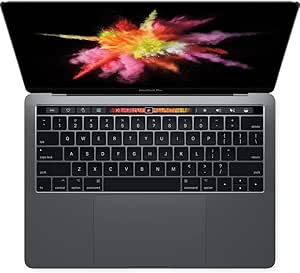 | Best for Lightweight Desk-to-Desk Creation | Display: 13.3-inch Retina, 2560 x 1600 | Processor: 3.1GHz dual-core Intel Core i5, Turbo Boost up to 3.5GHz | Memory: 8GB 2133MHz LPDDR3 | VIEW ON AMAZON | See Our Full Breakdown |
| Apple MacBook Pro 13-inch (Renewed) |  | Best Entry-Level Intel Pick | Processor: 8th-generation Intel Core i5, quad-core | Display: 13-inch Retina with True Tone | Memory: 8GB RAM | VIEW ON AMAZON | See Our Full Breakdown |
| Apple MacBook Pro 13-inch with M1 Chip (Renewed, Space Gray, 8GB RAM, 256GB SSD) |  | Best Portable Pick for Beginners | Processor: Apple M1 | CPU and GPU: 8-core CPU and 8-core GPU | Display: 13.3-inch Retina, 2560 x 1600 pixels | VIEW ON AMAZON | See Our Full Breakdown |
| Apple 2020 MacBook Pro 13-inch with 2.3GHz Intel Core i7, 32GB RAM, 1TB SSD, Space Gray (Renewed) |  | Best Intel Multitasking Pick | Processor: 2.3GHz 10th-generation quad-core Intel Core i7 | Display: 13-inch Retina with True Tone | Memory: 32GB RAM | VIEW ON AMAZON | See Our Full Breakdown |
| Apple MacBook Pro Laptop with M5 Pro Chip, 15-core CPU, 16-core GPU, 14.2-inch Liquid Retina XDR Display, 48GB RAM, 1TB SSD, Space Black |  | Best for Demanding Production | Processor: Apple M5 Pro, 15-core CPU | GPU: 16-core GPU | Display: 14.2-inch Liquid Retina XDR | VIEW ON AMAZON | See Our Full Breakdown |
| Apple 2025 MacBook Pro Laptop with M5 Chip, 14.2-inch Liquid Retina XDR Display, 24GB Memory, 1TB SSD, Space Black |  | Best Balanced Modern Pick | Processor: Apple M5 with 10-core CPU | GPU: 10-core GPU | Display: 14.2-inch Liquid Retina XDR | VIEW ON AMAZON | See Our Full Breakdown |
| macbook pro for live streaming and content creation | Processor | Memory | Storage | Display |
|---|---|---|---|---|
| Apple 2021 MacBook Pro | Apple M1 Pro, 10-core CPU | 16GB | 512GB SSD | 16.2-inch Liquid Retina XDR |
| Apple MacBook Pro with M2 Chip | Apple M2, 8-core CPU | 8GB unified memory | 512GB SSD | 13-inch Retina LCD, 2560 x 1600 |
| Apple MacBook Pro 16.2-inch wi | M5 Max, 18-core CPU | 128GB unified memory | 2TB SSD | 16.2-inch Liquid Retina XDR |
| Apple 13-inch MacBook Pro | 1.4GHz Intel Core i5 | 8GB | 256GB SSD | — |
| Apple MacBook Pro MPXV2LL/A La | 3.1GHz dual-core Intel Core i5, Turbo Boost up to 3.5GHz | 8GB 2133MHz LPDDR3 | 256GB SSD | 13.3-inch Retina, 2560 x 1600 |
| Apple MacBook Pro 13-inch | 8th-generation Intel Core i5, quad-core | 8GB RAM | 256GB SSD | 13-inch Retina with True Tone |
| Apple MacBook Pro 13-inch with | Apple M1 | 8GB RAM | 256GB SSD | 13.3-inch Retina, 2560 x 1600 pixels |
| Apple 2020 MacBook Pro 13-inch | 2.3GHz 10th-generation quad-core Intel Core i7 | 32GB RAM | 1TB SSD | 13-inch Retina with True Tone |
| Apple MacBook Pro Laptop with | Apple M5 Pro, 15-core CPU | 48GB unified memory | 1TB SSD | 14.2-inch Liquid Retina XDR |
| Apple 2025 MacBook Pro Laptop | Apple M5 with 10-core CPU | 24GB unified memory | 1TB SSD | 14.2-inch Liquid Retina XDR |
More Details on Our Top Picks
Apple 2021 MacBook Pro (16.2-inch, M1 Pro chip, 10-core CPU, 16-core GPU, 16GB RAM, 512GB SSD) – Space Gray
For streaming and content creation, I rank this 16-inch MacBook Pro above the compact options because its M1 Pro chip, 16-core GPU, and 16GB of memory offer more room for editing footage while keeping a stream and creative apps running. The Liquid Retina XDR display gives you a larger, high-contrast workspace for reviewing clips and timelines, while the 1080p camera is a useful built-in option for calls or simple webcam streams. Compared with the 13-inch MacBook Pro with M2, this model prioritizes screen space and heavier creative work over a smaller footprint. Its tradeoffs are the 512GB internal drive, which can fill quickly with recordings, and a larger chassis that is less convenient to carry. I’d choose it for creators who need a capable all-around production laptop without stepping up to the M5 Max.
Pros:- M1 Pro with a 10-core CPU and 16-core GPU suits demanding editing and streaming workloads.
- 16.2-inch Liquid Retina XDR display provides ample space for timelines and preview windows.
- 1080p FaceTime HD camera supports clearer built-in video calls and webcam use.
- Up to 21 hours of stated battery life supports longer sessions away from an outlet.
Cons:- 512GB SSD may require external storage for large video libraries and stream recordings.
- The 16-inch form factor is less portable than the 13-inch M2 model.
- 16GB of memory offers less headroom for exceptionally heavy multitasking than the 128GB M5 Max.
Best for: Video creators and live streamers who want a large built-in editing display and enough performance for multitasking on location.
Not ideal for: Creators who need extensive local storage for long recordings, or frequent travelers who put a compact, lightweight laptop first.
- Model:MacBook Pro (2021)
- Display:16.2-inch Liquid Retina XDR
- Processor:Apple M1 Pro, 10-core CPU
- Graphics:16-core GPU
- Memory:16GB
- Storage:512GB SSD
- Camera:1080p FaceTime HD
- Battery life:Up to 21 hours
Our verdict“Choose this model if you want a large-screen MacBook Pro with strong creative performance and do not need the M5 Max’s much larger memory capacity.”
Apple MacBook Pro with M2 Chip, 13-inch Retina Display, 8GB RAM, 512GB SSD, Touch Bar, Backlit Keyboard, FaceTime HD Camera, Space Gray
I’d put this 13-inch MacBook Pro on the shortlist for creators whose streaming setup needs to travel: its M2 chip and up to 20 hours of stated battery life make it a compact choice for mobile work and everyday editing. The 512GB SSD is roomier than the 256GB drives in the renewed Intel models here, but 8GB of unified memory is the limiting factor when a stream, browser tabs, and editing software all compete for resources. Compared with the 16-inch M1 Pro, this model is easier to carry but gives you less screen space and less memory for demanding production. Its Retina LCD is suitable for general editing, though it lacks the listed Liquid Retina XDR display of the larger models. I’d favor it for lighter projects, not as a long-term workstation for complex streams.
Pros:- M2 chip provides an Apple silicon platform in a compact 13-inch laptop.
- 512GB SSD offers more listed capacity than the 256GB renewed Intel models.
- Up to 20 hours of stated battery life supports mobile work sessions.
- 2560 x 1600 Retina display provides a detailed workspace for everyday editing.
Cons:- 8GB of unified memory leaves limited headroom for streaming and editing at the same time.
- Two Thunderbolt 3 ports may require a hub for a multi-device streaming setup.
- Smaller display offers less workspace than the 16-inch M1 Pro and M5 Max models.
Best for: Traveling creators who stream occasionally, edit shorter projects, and value a compact M-series laptop over extensive multitasking capacity.
Not ideal for: Editors who routinely handle high-resolution footage while streaming, since 8GB of memory can constrain simultaneous workloads.
- Display:13-inch Retina LCD, 2560 x 1600
- Processor:Apple M2, 8-core CPU
- Graphics:Integrated Apple GPU, up to 10 cores
- Memory:8GB unified memory
- Storage:512GB SSD
- Battery life:Up to 20 hours
- Weight:3 pounds
- Connectivity:Wi-Fi 6, Bluetooth, two Thunderbolt 3 ports
Our verdict“Pick this for portable, lighter-duty creation on Apple silicon, but choose the 16-inch M1 Pro if your streams and edits regularly run together.”
Apple MacBook Pro 16.2-inch with M5 Max, 128GB RAM, 2TB SSD, Space Black
This is the most capable production-focused configuration in this group: the 18-core M5 Max CPU, 40-core GPU, and 128GB of unified memory provide substantial headroom for complex creative workloads and simultaneous apps. Its 2TB SSD also reduces the need to move active projects to external drives compared with the 512GB M1 Pro or the 256GB renewed Intel models. For a fixed streaming desk, Thunderbolt 5, HDMI, and SDXC offer practical options for displays, cameras, and media cards. The 16.2-inch Liquid Retina XDR display adds room for editing, though the M5 Max’s power is excessive for simple webcam streams or light edits. It is also described as heavy and bulky, and its high-end configuration is a poor fit for buyers who value easy travel over maximum headroom.
Pros:- M5 Max combines an 18-core CPU and 40-core GPU for demanding creative work.
- 128GB unified memory provides far more multitasking headroom than the 16GB M1 Pro.
- 2TB SSD supplies substantially more internal project space than the other listed configurations.
- Thunderbolt 5, HDMI, and SDXC support a varied streaming and media workflow.
Cons:- The listed configuration is likely excessive for basic streaming and routine editing.
- Heavy, bulky construction is less suited to frequent travel.
- The product data lists no memory capacity beyond 128GB, limiting upgrade headroom in this configuration.
Best for: Professional creators handling demanding edits, large project files, and multi-app streaming workflows who want substantial memory and built-in connectivity.
Not ideal for: Casual streamers, light editors, and frequent travelers who do not need 128GB of memory, 2TB storage, or a larger workstation-style laptop.
- Display:16.2-inch Liquid Retina XDR
- Processor:M5 Max, 18-core CPU
- Graphics:40-core GPU
- Memory:128GB unified memory
- Storage:2TB SSD
- Battery life:All-day
- Ports:Three Thunderbolt 5, MagSafe 3, SDXC, HDMI, headphone jack
- Wireless:Wi-Fi 7, Bluetooth 6
Our verdict“Choose this premium workstation if your professional stream-and-edit workload can use its 128GB memory, 2TB drive, and extensive ports.”
Apple 13-inch MacBook Pro (Mid 2020, Space Gray, 8GB RAM, 256GB SSD, Core i5)
This renewed 2020 MacBook Pro is the entry-level choice for simple streams, calls, and light edits—not a machine I’d pick for a demanding production setup. Its 1.4GHz Core i5, 8GB RAM, and 256GB SSD are modest beside the 13-inch M2 model’s newer chip and 512GB drive, so expect less room for simultaneous apps and recorded footage. The 13-inch size keeps it more manageable than the 16-inch M1 Pro, but the supplied details do not list a display resolution or built-in camera specification, making it harder to judge its fit for a video-first setup. It is refurbished rather than Apple certified, and accessories may not be original. I’d consider it only for buyers comfortable with those uncertainties and whose creative work stays light.
Pros:- Professionally inspected and tested, according to the product description.
- Battery capacity is stated to exceed 80%.
- 13-inch chassis is smaller than the 16-inch M1 Pro and M5 Max.
- 256GB SSD provides solid-state storage for basic applications and files.
Cons:- 8GB RAM and a 1.4GHz Core i5 are less suited to simultaneous streaming and editing than the M2 and M1 Pro models.
- 256GB storage can fill quickly with footage and recordings.
- Renewed condition is not Apple certified, and accessories may not be original.
Best for: New creators who need a basic MacBook Pro for calls, simple webcam streams, and light editing, and are comfortable buying a renewed computer.
Not ideal for: Video editors and streamers who need substantial memory, ample project storage, or a clearly specified built-in camera and display.
- Model year:Mid 2020
- Condition:Renewed
- Display size:13 inches
- Processor:1.4GHz Intel Core i5
- Memory:8GB
- Storage:256GB SSD
- Battery condition:Capacity exceeds 80%
- Color:Space Gray
Our verdict“Buy this renewed model only for basic creative tasks and simple streams; the 13-inch M2 is a stronger fit for more frequent production.”
Apple MacBook Pro MPXV2LL/A Laptop (Renewed, Space Gray, 13.3-inch, 256GB SSD, 8GB RAM, Mac OS)
At a listed 2 pounds, this renewed 13.3-inch MacBook Pro is the portability pick for creators who move between workspaces and mostly handle basic editing, prep, or streaming tasks. Its 2560 x 1600 Retina display offers a sharper specified resolution than the 2020 Core i5 model’s provided details, but the dual-core Intel Core i5 and 8GB RAM put it well behind the M2 and M1 Pro options for concurrent encoding, editing, and browser-heavy workflows. The 256GB SSD also leaves less room for recordings than the M2 model’s 512GB drive. Integrated Intel Iris Plus graphics are a limitation for graphics-heavy work, and battery life is not specified. I’d choose this only when a light, portable renewed laptop matters more than current-generation performance or storage capacity.
Pros:- Listed weight of 2 pounds makes it the lightest specified option in this batch.
- 13.3-inch Retina display has a 2560 x 1600 resolution.
- 256GB SSD provides faster file access than a traditional hard drive.
- Backlit keyboard supports work in dimmer environments.
Cons:- Dual-core Intel Core i5 and 8GB RAM are less suited to demanding production than the M2 or M1 Pro models.
- 256GB storage may require external drives for video projects and stream archives.
- Battery life is not specified, making mobile session planning less certain.
Best for: Mobile creators who prioritize a lightweight laptop for basic content preparation, short edits, and occasional streaming.
Not ideal for: Creators who stream while editing, work with graphics-intensive footage, or need substantial internal space for recordings.
- Display:13.3-inch Retina, 2560 x 1600
- Processor:3.1GHz dual-core Intel Core i5, Turbo Boost up to 3.5GHz
- Memory:8GB 2133MHz LPDDR3
- Storage:256GB SSD
- Graphics:Intel Iris Plus Graphics 650
- Weight:2 pounds
- Battery:54.5-watt-hour lithium-ion
- Connectivity:USB, Wi-Fi 802.11ac, Bluetooth
Our verdict“Choose this renewed model for a lightweight laptop and basic creative work, not for sustained multi-app streaming or heavy editing.”
Apple MacBook Pro 13-inch (Renewed)
For a basic streaming setup, this 13-inch renewed MacBook Pro offers a sharp Retina screen for monitoring a broadcast and editing lighter projects. Its quad-core Intel Core i5 is a more capable starting point than the older 8GB Intel MacBook Pro MPXV2LL/A in this roundup, but it is a long way behind the M1 model’s newer chip for efficient sustained work. The 8GB of RAM can constrain multitasking when a stream, browser tabs, and editing software are open together, so I’d keep the workload modest. 256GB of storage also leaves little room for local footage, making external storage a likely addition. Touch ID is handy for everyday logins, but the renewed condition and warranty terms deserve scrutiny before buying.
Pros:- 13-inch Retina display with True Tone is useful for monitoring and editing
- Quad-core Intel Core i5 handles everyday creative tasks
- Touch ID adds convenient authentication
- SSD storage provides responsive file and app access
Cons:- 8GB RAM can limit simultaneous streaming and editing workloads
- 256GB SSD fills quickly with recorded footage
- Renewed condition and warranty coverage may vary
Best for: First-time creators running a simple single-camera stream, light edits, and mostly cloud-based workflows.
Not ideal for: Creators who edit high-resolution footage while streaming, need substantial local media storage, or want the longer battery life and stronger efficiency of an M-series MacBook.
- Processor:8th-generation Intel Core i5, quad-core
- Display:13-inch Retina with True Tone
- Memory:8GB RAM
- Storage:256GB SSD
- Graphics:Intel Iris Plus Graphics 645
- Color:Space Gray
- Condition:Renewed
Our verdict“Choose this renewed Intel model for modest streaming and basic editing, but step up to the M1 MacBook Pro 13-inch for better efficiency and a more capable everyday creative setup.”
Apple MacBook Pro 13-inch with M1 Chip (Renewed, Space Gray, 8GB RAM, 256GB SSD)
The M1 chip makes this renewed 13-inch MacBook Pro a more convincing starter machine for streaming than the 8th-generation Intel model in this roundup: its 8-core CPU and GPU, paired with up to 20 hours of stated battery life, suit mobile creators who value efficient operation. The 2560 x 1600 Retina display gives a clear workspace for stream controls and edits, while the compact 13.3-inch format is easier to carry than the 14.2-inch M5 MacBook Pro. The tradeoff is 8GB of memory, which can feel restrictive with streaming software, browser sources, and editing apps running at once. Its 256GB SSD also calls for external drives or cloud storage if recordings accumulate. As a renewed machine, its condition may vary.
Pros:- M1 8-core CPU and GPU offer a more efficient platform than the older Intel entry-level option
- Up to 20 hours of stated battery life supports long mobile work sessions
- 2560 x 1600 Retina display provides a detailed editing and monitoring workspace
- 13.3-inch design is compact for travel and remote streaming
Cons:- 8GB RAM may restrict demanding live production and multitasking
- 256GB SSD leaves limited space for video recordings
- Renewed condition can vary
Best for: Mobile beginners who stream with a lean setup, make short-form edits, and prioritize battery life and portability.
Not ideal for: Creators who run complex scenes, keep many applications open, or store a large video library on the laptop.
- Processor:Apple M1
- CPU and GPU:8-core CPU and 8-core GPU
- Display:13.3-inch Retina, 2560 x 1600 pixels
- Memory:8GB RAM
- Storage:256GB SSD
- Battery life:Up to 20 hours
- Weight:3 pounds
- Condition:Renewed
Our verdict“This is the better beginner choice over the 8th-generation Intel 13-inch model if portability and battery life matter more than memory headroom.”
Apple 2020 MacBook Pro 13-inch with 2.3GHz Intel Core i7, 32GB RAM, 1TB SSD, Space Gray (Renewed)
This renewed Intel 13-inch model earns its place through 32GB of RAM and a 1TB SSD—a combination that gives streamers more room for production apps, browser sources, and recorded files than either 8GB, 256GB model here. It is a more practical fit for multitasking than the M1 MacBook Pro 13-inch when memory capacity and built-in storage are the main needs. Still, its 10th-generation quad-core Intel Core i7 and integrated Intel Iris Plus graphics do not make it the obvious choice for demanding effects-heavy video work; the newer M5 models offer a more modern creative platform. The 13-inch screen also leaves less room for timeline and stream controls than their 14.2-inch displays. Check the renewed unit’s condition and warranty details, even though the listing specifies a one-year limited warranty.
Pros:- 32GB RAM gives more multitasking headroom than the 8GB models
- 1TB SSD can hold more active footage and project files
- 10th-generation quad-core Core i7 supports general creative workloads
- One-year limited warranty is specified in the product data
Cons:- Integrated Intel Iris Plus graphics are less suited to graphics-heavy production
- 13-inch display offers less workspace than the 14.2-inch M5 models
- Renewed condition still warrants careful review
Best for: Intel-dependent creators who need generous memory and local storage for moderate streaming, multitasking, and editing.
Not ideal for: Buyers seeking the newest chip generation, a larger editing workspace, or dedicated graphics for demanding visual effects.
- Processor:2.3GHz 10th-generation quad-core Intel Core i7
- Display:13-inch Retina with True Tone
- Memory:32GB RAM
- Storage:1TB SSD
- Graphics:Intel Iris Plus
- Ports:USB-C
- Warranty:One-year limited
- Condition:Renewed
Our verdict“Pick this over the 8GB M1 model when memory and built-in storage are your priorities, but choose an M5 model for a newer platform and a larger display.”
Apple MacBook Pro Laptop with M5 Pro Chip, 15-core CPU, 16-core GPU, 14.2-inch Liquid Retina XDR Display, 48GB RAM, 1TB SSD, Space Black
For creators running elaborate live scenes while editing substantial footage, this configuration brings the most listed headroom in the group: a 15-core CPU, 16-core GPU, and 48GB of unified memory. That makes it a stronger fit for parallel workloads than the standard M5 MacBook Pro, which has 24GB of memory, while its 14.2-inch Liquid Retina XDR display gives more room and visual detail than the 13-inch options. Its port selection also suits production desks: Thunderbolt 5, HDMI, and SDXC can reduce the need for adapters when connecting gear and importing media. The tradeoff is that this power may be unnecessary for simple webcam streams, and the larger Pro setup is less portable than the smaller models. I’d choose it for heavy creative workloads, not just for the MacBook Pro name.
Pros:- 15-core CPU and 16-core GPU target demanding creative workloads
- 48GB unified memory supports heavier multitasking than the standard M5 model
- 14.2-inch Liquid Retina XDR display provides a larger, high-detail workspace
- Thunderbolt 5, HDMI, and SDXC support varied production connections
Cons:- Its high-end capabilities may be unnecessary for basic streaming setups
- Less portable than the 13-inch models
- Apple ecosystem integration may not suit buyers using other platforms
Best for: Professional streamers and video creators who run complex scenes, edit demanding projects, and connect multiple types of production gear.
Not ideal for: Casual streamers, lightweight editors, and mobile creators who do not need 48GB memory or the advanced port selection.
- Processor:Apple M5 Pro, 15-core CPU
- GPU:16-core GPU
- Display:14.2-inch Liquid Retina XDR
- Memory:48GB unified memory
- Storage:1TB SSD
- Ports:Three Thunderbolt 5, MagSafe 3, SDXC, HDMI, headphone jack
- Camera:12MP Center Stage
- Connectivity:Wi-Fi 7 and Bluetooth 6
Our verdict“Choose this M5 Pro configuration over the standard M5 model when complex production workloads and extra memory headroom justify the more capable system.”
Apple 2025 MacBook Pro Laptop with M5 Chip, 14.2-inch Liquid Retina XDR Display, 24GB Memory, 1TB SSD, Space Black
This 2025 MacBook Pro is the more balanced modern choice for creators who want a current 14-inch production laptop without stepping up to the M5 Pro’s 48GB memory. Its M5 10-core CPU and GPU, 24GB unified memory, and 1TB SSD make it better equipped for streaming and editing together than the renewed 8GB M1 model. The 14.2-inch Liquid Retina XDR display gives stream controls and editing timelines more room than the 13-inch laptops, while the built-in HDMI and SDXC slot are useful for a camera-centered workflow. The M5 Pro model remains the more suitable pick for especially demanding parallel workloads, with more memory and a stronger listed CPU/GPU configuration. This model’s 24GB may still limit creators working with unusually complex scenes or large projects.
Pros:- M5 10-core CPU and GPU provide a modern platform for creative work
- 24GB unified memory offers more headroom than the 8GB renewed models
- 14.2-inch Liquid Retina XDR display gives more working space than the 13-inch options
- HDMI and SDXC slots support common streaming and media-import workflows
Cons:- 24GB memory is less suited to the heaviest workloads than the M5 Pro’s 48GB
- Three Thunderbolt 4 ports may not cover every professional setup without adapters
- The listed capabilities may be excessive for basic webcam streaming
Best for: Content creators who want a current, portable 14-inch MacBook Pro for regular streaming, editing, and camera-based workflows.
Not ideal for: Professionals running unusually complex live scenes or intensive projects who would benefit from the M5 Pro model’s 48GB memory and higher core counts.
- Processor:Apple M5 with 10-core CPU
- GPU:10-core GPU
- Display:14.2-inch Liquid Retina XDR
- Memory:24GB unified memory
- Storage:1TB SSD
- Ports:Three Thunderbolt 4, MagSafe 3, SDXC, HDMI, headphone jack
- Camera:12MP Center Stage
- Audio:Six speakers with Spatial Audio and Dolby Atmos
Our verdict“Choose this M5 model for a capable modern streaming and editing laptop; move to the M5 Pro if your projects demand more memory and processing headroom.”

How We Picked
I ranked these models around the work a creator actually asks a laptop to handle: running streaming software, managing browser tabs and capture tools, editing footage, and moving files between projects. I gave greater weight to chip generation, memory, and storage capacity than to the MacBook Pro name alone, since those differences affect how much room a machine has for simultaneous tasks and media files. Display size, portability, and whether a configuration is new or renewed also shaped each model’s role.
The order reflects a balance of capability and fit, not a claim that every buyer needs the most powerful configuration. Current M-series systems rank ahead of older Intel models for creators seeking a more current platform, while the M5 Pro and M5 Max rise for heavier production demands. I placed renewed and older 8GB options lower because their configurations involve clearer compromises; they may still make sense for lighter workloads or a tight hardware budget.
Factors to Consider When Choosing Macbook Pro For Live Streaming And Content Creation
Before choosing a model, I’d map the laptop to the whole production chain: capture, live software, audio, browser tools, recording, and post-production. A spec that sounds impressive matters only if it addresses a real pressure point in that workflow.
Match Processing Headroom to Your Stream
A simple single-camera stream with basic overlays places different demands on a laptop than a production with multiple sources, effects, and a local recording running at the same time. Think through what must happen concurrently, not just which editing app you plan to open later. Extra chip capability can help with heavier creative work, but it cannot fix a poor network connection, unreliable capture hardware, or a complicated software setup. A common mistake is paying for the biggest chip before checking whether the rest of the production chain is the actual bottleneck. If your work also involves demanding video projects, a higher-tier M-series system may earn its place; for a modest stream, a standard M-series option can leave more capacity for peripherals and storage.
Choose Memory for the Work You Keep Open
Memory affects how comfortably a system can handle streaming software, editing tools, browser tabs, and media tasks together. The 8GB configurations in this roundup are a tighter fit for creators who multitask or work with larger projects, even if they can serve lighter needs. Consider whether you record while streaming, switch between applications during a broadcast, or edit high-resolution footage soon after a session. Those habits matter more than a vague plan to become a creator someday. Buying too little memory can make a cheaper configuration feel restrictive, while paying for a very large capacity is hard to justify if your workload stays small and focused.
Treat Storage as Part of the Production Plan
Recorded streams, source footage, project files, and exports can consume internal storage quickly. Estimate how much material you expect to keep on the laptop and how often you can move completed work to external drives or another archive. A larger SSD makes active projects easier to keep close, but it does not replace a backup routine. Creators sometimes choose a smaller drive based on app needs alone, then find that media files take over the available space. If you regularly edit on the road or keep multiple projects active, capacity may be worth prioritizing; if you archive consistently, an external workflow can limit how much internal storage you need.
Decide Whether a Larger Display Helps More Than Portability
A larger screen can make timelines, chat, preview windows, and control panels easier to arrange during a production. It may reduce the need to constantly rearrange windows, especially when you edit and stream from one workspace. The tradeoff is a less compact laptop to carry between locations. A smaller model is easier to pack, but an external display may be useful when you need a more spacious editing layout at a desk. Decide where your production happens most often: a fixed home setup can favor screen area, while frequent travel can make a more compact machine the practical choice.
Weigh Renewed Hardware Against Workflow Risk
Renewed MacBook Pros can offer a lower-cost route into macOS, but they vary widely by generation, chip, memory, and storage. Check the exact configuration rather than relying on a listing title that only says “MacBook Pro 13-inch.” An older Intel model with generous memory may have a different use case from a newer M-series laptop with less memory, so compare the full spec and the software you intend to run. Also review the seller’s return terms, battery condition details, and included accessories before making a decision. For a paid live production, reliability and support matter: saving on the laptop may be a poor trade if downtime would disrupt your work.
Budget for the Rest of the Streaming Setup
The laptop is only one part of a reliable stream. A camera, microphone, lighting, capture device, cables, and backup storage can shape the result as much as a chip upgrade. Before spending more on laptop capacity, list the equipment and software your format requires and check how each item connects to the machine. A creator recording clean audio and stable video may gain more from improving those parts of the setup than moving from an already capable laptop to a flagship configuration. Keep a buffer for replacements and backups, especially if you use the system for work. This approach helps prevent a powerful computer from becoming the whole budget while essential production pieces remain missing.
Frequently Asked Questions
Is the M5 Pro worth choosing over the standard M5 for live streaming?
I’d choose the M5 Pro when your stream is only one part of a heavier workload, such as editing footage while keeping several creator applications open. For a straightforward broadcast and occasional editing, the standard M5 configuration in this roundup is a more balanced starting point. The 48GB memory on the M5 Pro also gives more room for complex projects than the standard model’s 24GB. Before paying for more headroom, consider whether you actually run multiple demanding tasks at once. If your stream is simple and you edit later, the standard M5 may be the more sensible fit.
Can an 8GB MacBook Pro handle streaming and content creation?
An 8GB model can suit basic streaming, light editing, and a focused application setup, but it gives you less flexibility when several tools run together. Browser tabs, streaming software, capture utilities, and editing apps can compete for working memory. This roundup includes several 8GB models, including older Intel and M-series options, so the chip alone does not remove that capacity limit. I’d avoid choosing one for a workflow that regularly combines a live broadcast with recording and substantial post-production. If you already own one, keep projects and background applications lean and test your full setup before relying on it for a paid stream.
Should I buy a renewed Intel MacBook Pro or a newer M-series model?
I’d compare the exact configuration and the cost of operational risk, rather than treating every renewed laptop as equivalent. A renewed Intel model with 32GB memory and 1TB storage may appeal to someone with a specific need for that configuration, while newer M-series options offer a more current chip generation and different performance headroom. Older 8GB renewed models make more sense for light use than for a growing production workflow. Check battery condition, return terms, and compatibility with the streaming and editing tools you depend on. If the computer is central to paid work, a newer system may be worth favoring for a less constrained long-term setup.
Do I need 2TB of storage for streaming and video editing?
Not every creator needs a 2TB internal drive, but recorded broadcasts and source footage can fill smaller drives faster than application installs do. The M5 Max configuration in this roundup offers 2TB, which suits someone who keeps many large projects on the laptop. If you regularly archive completed work to external storage and keep only active projects locally, a 1TB model may be enough. Make the decision from your actual recording habits and file-retention plan. Keep backups separate from your working drive so a single hardware problem does not put the only copy of your content at risk.
Which model makes the most sense if I stream at a desk but edit while traveling?
I’d weigh screen space against how much you carry, then decide whether an external monitor is part of your home setup. The 16-inch 2021 M1 Pro gives you more built-in workspace for timelines and production controls, while the 14-inch M5 and M5 Pro models are more compact choices for travel. The M5 Pro’s 48GB memory makes it a stronger option if your mobile editing projects are demanding. If your edits are lighter, the standard M5 14-inch may provide a better balance. Also account for portable drives and other accessories, since they add to the kit you carry.
Conclusion
For most creators, I’d choose the 2025 14-inch MacBook Pro with M5 as the best overall balance in this lineup. The 2021 16-inch M1 Pro is my best value-style pick for buyers who want a larger display and capable M-series hardware without stepping up to the newest tiers, while the M5 Max with 128GB memory and 2TB storage is the best premium choice for unusually demanding production workloads. Beginners with basic streaming needs should start by matching the standard M5’s capacity to their actual workflow rather than buying maximum specs; I’d skip the older 8GB options if growth and multitasking are priorities. For creators who edit substantial projects while traveling, the 14-inch M5 Pro with 48GB memory is the more focused choice. Pick the least costly configuration that comfortably supports your simultaneous workload, then reserve room in your setup for audio, capture gear, and backups.