

Finding the right parenting book can feel overwhelming given the wide array of advice and approaches available. The best overall pick, The Whole-Brain Child, stands out for its practical strategies rooted in neuroscience, ideal for parents seeking science-backed methods. How to Talk So Kids Will Listen remains a favorite for effective communication, though it may lack the emotional depth some parents need. Tradeoffs in this category often involve balancing actionable advice with philosophical differences—some books emphasize discipline, others focus on emotional intelligence. Keep reading for a detailed comparison to help you identify the best fit for your parenting style and needs.
Complete the kit


Key Takeaways
- The top books balance practical strategies with emotional understanding, but some lean more toward discipline while others focus on empathy.
- Books that integrate science, like The Whole-Brain Child, tend to offer more durable tools for long-term parenting success.
- Price doesn’t always reflect quality; some budget-friendly options provide surprisingly comprehensive guidance.
- Many books overlap in core themes like effective communication and emotional regulation, but their approaches vary widely.
- Readers should consider their own parenting philosophy—whether they prefer gentle, data-driven, or faith-based advice—before choosing a book.
| The Explosive Child: A New Approach to Understanding and Parenting Children, Sixth Edition |  | Best for Emotionally Challenging Children | Edition: Sixth | Focus: Behavioral and emotional challenges | Approach: Compassionate, practical strategies | VIEW ON AMAZON | See Our Full Breakdown |
| How to Talk So Kids Will Listen & Listen So Kids Will Talk (The How To Talk Series) | 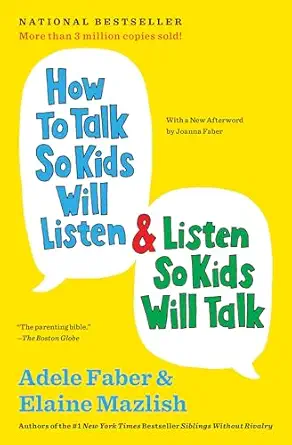 | Best for Improving Parent-Child Communication | Series: The How To Talk Series | Focus: Parent-child communication | Techniques: Active listening, respectful dialogue | VIEW ON AMAZON | See Our Full Breakdown |
| Parenting: 14 Gospel Principles That Can Radically Change Your Family |  | Best for Faith-Based Parenting | Principles: 14 gospel principles | Content: Practical guidance with reflection questions | Focus: Family faith and spiritual strengthening | VIEW ON AMAZON | See Our Full Breakdown |
| Raising Good Humans: A Mindful Guide to Breaking the Cycle of Reactive Parenting and Raising Kind, Confident Kids |  | Best for Mindful, Emotionally Intelligent Parenting | Focus: Mindfulness and emotional intelligence | Approach: Breaking reactive cycles | Target: Kindness and confidence in children | VIEW ON AMAZON | See Our Full Breakdown |
| The Book You Wish Your Parents Had Read: (And Your Children Will Be Glad That You Did) |  | Best for General Parent-Child Relationship Improvement | Focus: Parent-child relationship | Approach: Practical, communication-based advice | Audience: General family readers | VIEW ON AMAZON | See Our Full Breakdown |
| Cribsheet: A Data-Driven Guide to Better, More Relaxed Parenting, from Birth to Preschool |  | Best for Evidence-Based Parenting | Target Age Range: Birth to preschool | Approach: Data-driven, evidence-based | Format: Practical tips, research summaries | VIEW ON AMAZON | See Our Full Breakdown |
| 1-2-3 Magic: Gentle 3-Step Child & Toddler Discipline for Calm, Effective, and Happy Parenting |  | Best for Simple Discipline Techniques | Target Age Range: Toddlers and young children | Approach: Simple 3-step discipline | Format: Brief, easy-to-follow instructions | VIEW ON AMAZON | See Our Full Breakdown |
| Simplicity Parenting: Using the Extraordinary Power of Less to Raise Calmer, Happier, and More Secure Kids |  | Best for Reducing Overstimulation and Clutter | Target Age Range: All ages | Approach: Lifestyle simplification | Format: Practical strategies for decluttering and routines | VIEW ON AMAZON | See Our Full Breakdown |
| Parenting with Love and Logic: Teaching Children Responsibility |  | Best for Teaching Responsibility through Love | Target Age Range: All children | Approach: Love and logical consequences | Format: Practical parenting strategies | VIEW ON AMAZON | See Our Full Breakdown |
| Tiny Humans, Big Emotions: How to Navigate Tantrums, Meltdowns, and Defiance to Raise Emotionally Intelligent Children |  | Best for Emotional Intelligence and Managing Big Feelings | Target Age Range: Infancy to age 8 | Approach: Managing tantrums and emotions | Format: Practical strategies for emotional intelligence | VIEW ON AMAZON | See Our Full Breakdown |
| The Whole-Brain Child: 12 Revolutionary Strategies to Nurture Your Child’s Developing Mind |  | Best Overall for Practical, Neuroscience-Based Parenting | Author: Daniel J. Siegel and Tina Payne Bryson | Publication Year: 2011 | Pages: 336 | VIEW ON AMAZON | See Our Full Breakdown |
| No-Drama Discipline: The Whole-Brain Way to Calm the Chaos and Nurture Your Child’s Developing Mind |  | Best for Effective, Compassionate Discipline Rooted in Brain Science | Author: Daniel J. Siegel and Tina Payne Bryson | Publication Year: 2014 | Pages: 288 | VIEW ON AMAZON | See Our Full Breakdown |
| The Collapse of Parenting: How We Hurt Our Kids When We Treat Them Like Grown-Ups |  | Best for Reflective Parents Concerned About Modern Parenting Trends | Author: D. J. Taylor | Publication Year: 2019 | Pages: 240 | VIEW ON AMAZON | See Our Full Breakdown |
| reviewed parenting book | Focus | Approach | Format |
|---|---|---|---|
| The Explosive Child: A New App | Behavioral and emotional challenges | Compassionate, practical strategies | — |
| How to Talk So Kids Will Liste | Parent-child communication | — | — |
| Parenting: 14 Gospel Principle | Family faith and spiritual strengthening | — | — |
| Raising Good Humans: A Mindful | Mindfulness and emotional intelligence | Breaking reactive cycles | — |
| The Book You Wish Your Parents | Parent-child relationship | Practical, communication-based advice | — |
| Cribsheet: A Data-Driven Guide | — | Data-driven, evidence-based | Practical tips, research summaries |
| 1-2-3 Magic: Gentle 3-Step Chi | — | Simple 3-step discipline | Brief, easy-to-follow instructions |
| Simplicity Parenting: Using th | — | Lifestyle simplification | Practical strategies for decluttering and routines |
| Parenting with Love and Logic: | — | Love and logical consequences | Practical parenting strategies |
| Tiny Humans | — | Managing tantrums and emotions | Practical strategies for emotional intelligence |
| The Whole-Brain Child: 12 Revo | Neuroscience-based parenting | — | Hardcover, eBook |
| No-Drama Discipline: The Whole | Discipline rooted in neuroscience | — | Hardcover, eBook |
| The Collapse of Parenting: How | Cultural critique of parenting | — | Hardcover, eBook |
More Details on Our Top Picks
The Explosive Child: A New Approach to Understanding and Parenting Children, Sixth Edition
This book stands out for its compassionate, behaviorally-informed approach to children with emotional and behavioral difficulties. Compared with more general parenting books like The Book You Wish Your Parents Had Read, it offers specific strategies to reduce conflict and improve communication. While its methods are practical, they do require patience and consistent effort, which may challenge parents seeking quick fixes. The sixth edition’s updates include new insights into emotional regulation, making it highly relevant for parents dealing with explosive outbursts. However, some readers find the emotional toll of implementing these strategies demanding. Overall, this book is best suited for parents of children who struggle with emotional regulation and need a nuanced approach.
Pros:- Provides practical parenting strategies grounded in emotional understanding
- Focuses on reducing frustration through compassionate communication
- Updated sixth edition offers new insights on emotional regulation
- Helps parents better interpret their child’s emotional needs
Cons:- Implementing strategies can be time-consuming and emotionally taxing
- Some parents may find it emotionally challenging to adopt the recommended approaches
Best for: Parents of children with emotional outbursts or behavioral challenges who want practical, research-based strategies
Not ideal for: Parents seeking quick, straightforward solutions or children without significant emotional challenges
- Edition:Sixth
- Focus:Behavioral and emotional challenges
- Approach:Compassionate, practical strategies
Our verdict“This book is ideal for parents of children with emotional outbursts who are willing to invest time in understanding their child’s emotional needs.”
How to Talk So Kids Will Listen & Listen So Kids Will Talk (The How To Talk Series)
This book makes the list as a quintessential guide for parents who want to foster better communication and cooperation, contrasting with books like Raising Good Humans, which emphasizes emotional intelligence. Its focus on practical techniques like active listening and respectful dialogue helps build a foundation for mutual understanding. However, lacking specific features or detailed content explanations, it may feel less comprehensive than more recent titles like The Whole-Brain Child. It is especially useful for parents new to intentional communication strategies but may fall short for those seeking detailed behavioral management techniques. Overall, this pick is best for parents eager to strengthen everyday conversations with their children.
Pros:- Offers practical, easy-to-implement communication techniques
- Helps improve the quality of parent-child interactions
- Suitable for parents new to mindful communication
- Encourages mutual respect and understanding
Cons:- Lacks specific details on handling difficult behaviors
- No customer reviews or detailed content features provided
Best for: Parents looking to establish healthier, more respectful communication with children of all ages
Not ideal for: Parents seeking detailed discipline strategies or dealing with severe behavioral issues
- Series:The How To Talk Series
- Focus:Parent-child communication
- Techniques:Active listening, respectful dialogue
Our verdict“This book is best suited for parents who want to enhance everyday communication and build stronger relationships through respectful dialogue.”
Parenting: 14 Gospel Principles That Can Radically Change Your Family
This title makes the list as a faith-centered guide, offering spiritual principles to strengthen family bonds, contrasting with secular titles like Raising Good Humans which focus on emotional and social skills. Its emphasis on biblical principles and practical reflection questions appeals to parents seeking to integrate faith deeply into their parenting approach. However, the lack of detailed content descriptions and reviews limits understanding of how comprehensive or applicable its principles are in diverse family contexts. It’s best suited for parents committed to applying gospel principles as a core part of their parenting philosophy, especially within faith communities.
Pros:- Provides practical, faith-based parenting principles
- Includes reflection and study questions for deeper understanding
- Focuses on strengthening family faith and unity
- Offers a spiritual approach to family challenges
Cons:- Limited information on the depth of content
- May not resonate with secular or non-religious families
- No detailed reviews or ratings available
Best for: Parents who prioritize faith-based principles and want to incorporate gospel teachings into family life
Not ideal for: Parents seeking secular or science-based parenting advice without religious emphasis
- Principles:14 gospel principles
- Content:Practical guidance with reflection questions
- Focus:Family faith and spiritual strengthening
Our verdict“This book is best for faith-driven parents aiming to ground their parenting in gospel principles and spiritual growth.”
Raising Good Humans: A Mindful Guide to Breaking the Cycle of Reactive Parenting and Raising Kind, Confident Kids
This book stands out for its emphasis on mindfulness and emotional intelligence, making it a strong choice compared to more behavior-centric titles like 1-2-3 Magic. It offers practical advice for parents seeking to break reactive patterns and foster kindness and confidence in children. While its focus on mindfulness is appealing, the lack of detailed content descriptions or reviews makes it harder to gauge the depth of its strategies. It’s particularly suited for parents committed to self-awareness and emotional growth, but might be less effective for those looking for straightforward discipline techniques. Overall, this pick is ideal for parents eager to nurture emotionally resilient kids through mindful parenting.
Pros:- Focuses on cultivating kindness and confidence
- Promotes mindful parenting practices
- Provides practical strategies for emotional growth
- Helps break reactive parenting patterns
Cons:- No detailed information on content length or structure
- Lacks reviews or ratings for validation
Best for: Parents interested in mindfulness, emotional intelligence, and breaking reactive parenting cycles
Not ideal for: Parents seeking quick discipline methods or dealing with severe behavioral issues without an interest in mindfulness
- Focus:Mindfulness and emotional intelligence
- Approach:Breaking reactive cycles
- Target:Kindness and confidence in children
Our verdict“This book is best suited for parents committed to mindful, emotionally aware parenting and fostering resilience in kids.”
The Book You Wish Your Parents Had Read: (And Your Children Will Be Glad That You Did)
This title earns its spot by offering broad insights into improving communication and understanding, similar to How to Talk So Kids Will Listen. Its appeal lies in practical advice that can resonate with many families, but the lack of detailed specifications and variable content relevance makes it less targeted than specialized titles like The Explosive Child. It’s a good choice for parents seeking a general guide to better relationships without delving into specific behavioral issues or faith-based approaches. However, some may find the advice too broad or generic for complex challenges. Overall, it makes sense for parents wanting accessible, relationship-focused guidance.
Pros:- Offers valuable insights into family communication
- Practical advice that’s easy to understand
- Helps foster better relationships and understanding
- Appeals to a wide range of families
Cons:- Content may lack depth for complex issues
- No detailed specifications or reviews available
Best for: Parents seeking to improve overall communication and strengthen bonds with their children
Not ideal for: Parents dealing with specific emotional or behavioral challenges requiring targeted strategies
- Focus:Parent-child relationship
- Approach:Practical, communication-based advice
- Audience:General family readers
Our verdict“This book is best for parents who want a straightforward, relationship-focused guide to better family communication and connection.”
Cribsheet: A Data-Driven Guide to Better, More Relaxed Parenting, from Birth to Preschool
Cribsheet stands out for its emphasis on data-driven strategies that help parents feel more confident and less overwhelmed during the early years. Compared with Simplicity Parenting, which advocates reducing overstimulation through lifestyle changes, Cribsheet offers a more analytical approach grounded in research, making it ideal for parents who prefer evidence over intuition. However, its dense, information-rich style might feel heavy for those seeking quick, practical tips. Practical advice for early childhood and a focus on relaxed parenting make this a compelling choice for parents craving reassurance backed by data. Its main tradeoff is that the depth can be daunting for busy parents with little time to digest detailed research.
Pros:- Provides solid, research-backed parenting guidance
- Practical tips tailored for early childhood development
- Focuses on reducing parental stress through informed strategies
Cons:- Dense and potentially overwhelming for some readers
- Lacks quick-reference tools or step-by-step instructions
Best for: Parents who want evidence-based advice and are comfortable with detailed reading to inform their parenting choices
Not ideal for: Parents seeking quick, straightforward tips or those overwhelmed by dense, research-heavy content
- Target Age Range:Birth to preschool
- Approach:Data-driven, evidence-based
- Format:Practical tips, research summaries
Our verdict“This book is best suited for analytical parents looking for a scientific approach to relaxed parenting from birth to preschool.”
1-2-3 Magic: Gentle 3-Step Child & Toddler Discipline for Calm, Effective, and Happy Parenting
1-2-3 Magic offers a straightforward, easy-to-implement discipline system that appeals to parents who want calm and consistent boundaries. Unlike Parenting with Love and Logic, which emphasizes fostering responsibility through dialogue, this guide simplifies discipline into three manageable steps, making it accessible for busy parents. Nevertheless, its brevity means it doesn’t delve into complex behavioral issues or provide nuanced strategies for older children. This pick makes the most sense for parents of toddlers or young children who prefer clear rules over lengthy explanations. The simplicity is a strength, but it might leave some parents wanting more detailed guidance on specific challenges.
Pros:- Very easy to learn and apply
- Promotes calm, positive discipline
- Suitable for busy parents who want quick results
Cons:- Limited detail on complex behavioral problems
- No specific age range beyond toddlers
Best for: Parents of toddlers seeking a quick, effective discipline system without extensive explanation
Not ideal for: Parents dealing with complex or persistent behavioral issues who need more comprehensive strategies
- Target Age Range:Toddlers and young children
- Approach:Simple 3-step discipline
- Format:Brief, easy-to-follow instructions
Our verdict“Best for parents of young children who prefer a simple, effective discipline method that promotes calmness and consistency.”
Simplicity Parenting: Using the Extraordinary Power of Less to Raise Calmer, Happier, and More Secure Kids
Simplicity Parenting advocates for streamlining family life to foster emotional security and reduce stress, making it ideal for parents overwhelmed by clutter and overstimulation. Compared with Cribsheet, which offers evidence-based advice, this book emphasizes lifestyle changes—like reducing possessions and simplifying routines—to create a calmer environment. Its focus on reducing chaos can be transformative, but it offers fewer concrete steps for quick implementation, which might frustrate parents seeking immediate results. This book makes the most sense for families looking to overhaul their environment gradually rather than seeking quick fixes. The approach’s strength lies in its long-term benefits, though it may require patience and commitment.
Pros:- Provides practical ideas for reducing clutter and overstimulation
- Helps foster emotional security in children
- Promotes a calmer, more peaceful family atmosphere
Cons:- Lacks detailed, step-by-step implementation plans
- May not appeal to parents seeking quick results
Best for: Parents seeking to simplify their family life and create a calmer, more secure home environment
Not ideal for: Parents looking for quick, specific strategies or those resistant to lifestyle changes
- Target Age Range:All ages
- Approach:Lifestyle simplification
- Format:Practical strategies for decluttering and routines
Our verdict“Ideal for parents committed to simplifying their lives to nurture calmer, happier children over time.”
Parenting with Love and Logic: Teaching Children Responsibility
Parenting with Love and Logic emphasizes fostering responsibility and independence through logical consequences and loving guidance. Compared to The Whole-Brain Child, which focuses on emotional and developmental strategies, this book zeroes in on responsibility and decision-making. It’s especially suited for parents who want practical tools to help children learn accountability without harsh punishment. Its main limitation is the absence of detailed product specifications or reviews, which might leave some parents wanting more clarity on implementation. This book makes sense for parents eager to develop responsible children through respectful, love-based discipline, though it might fall short for those seeking comprehensive developmental insights.
Pros:- Offers practical, easy-to-apply strategies
- Focuses on responsibility and independence
- Builds positive parent-child relationships
Cons:- Lacks detailed product specifications or reviews
- May be too general for complex behavioral issues
Best for: Parents who want practical, responsible parenting strategies emphasizing independence
Not ideal for: Parents seeking detailed psychological insights or specific child development techniques
- Target Age Range:All children
- Approach:Love and logical consequences
- Format:Practical parenting strategies
Our verdict“Best suited for parents looking to teach responsibility through respectful, loving methods.”
Tiny Humans, Big Emotions: How to Navigate Tantrums, Meltdowns, and Defiance to Raise Emotionally Intelligent Children
Tiny Humans, Big Emotions provides parents and caregivers with targeted strategies to help children navigate intense emotions like tantrums and defiance. Compared with Simplicity Parenting, which advocates reducing overstimulation to prevent emotional overwhelm, this book offers actionable techniques for managing emotions as they arise. Its focus on emotional intelligence makes it especially useful for parents of children from infancy through age eight. The main tradeoff is that it doesn’t specify prices or include customer ratings, which can make assessing value difficult. This pick is ideal for caregivers seeking practical, emotion-focused tools to foster resilience and self-regulation in children, though it may require additional resources for comprehensive emotional development.
Pros:- Provides actionable strategies for emotional development
- Suitable for a wide age range from infancy to eight
- Focuses on raising emotionally intelligent children
Cons:- No specific price information or ratings available
- May require supplementary resources for deeper emotional work
Best for: Parents and caregivers wanting practical strategies to manage big feelings and foster emotional skills
Not ideal for: Parents looking for quick fixes or with children older than eight needing different approaches
- Target Age Range:Infancy to age 8
- Approach:Managing tantrums and emotions
- Format:Practical strategies for emotional intelligence
Our verdict“Best for parents who want practical tools to guide children through big feelings and develop emotional resilience.”
The Whole-Brain Child: 12 Revolutionary Strategies to Nurture Your Child’s Developing Mind
This book stands out for translating complex neuroscience into accessible parenting strategies that support both emotional and cognitive growth. Compared with No-Drama Discipline, it offers broader insights into fostering a balanced brain development rather than focusing solely on discipline. However, its practical techniques require parents to invest time in understanding and applying them, which may be challenging for busy families. The emphasis on understanding your child’s brain makes this a versatile resource for parents committed to nurturing well-rounded development. While it lacks specific product features, its research-based approach makes it a foundational read for those wanting to deepen their understanding of their child’s mind.
Pros:- Provides practical strategies rooted in neuroscience
- Helps parents understand their child’s emotional and cognitive development
- Offers a holistic approach to nurturing the developing brain
Cons:- Requires time and effort to implement strategies effectively
- Lacks specific step-by-step routines for immediate application
Best for: Parents eager to incorporate neuroscience insights into everyday parenting and foster emotional resilience.
Not ideal for: Parents seeking quick fixes or those who prefer less theory and more direct, step-by-step instructions.
- Author:Daniel J. Siegel and Tina Payne Bryson
- Publication Year:2011
- Pages:336
- Focus:Neuroscience-based parenting
- Format:Hardcover, eBook
- Language:English
- ISBN:0553386697
Our verdict“This pick is ideal for parents who want an in-depth, research-backed approach to fostering their child’s mental growth.”
No-Drama Discipline: The Whole-Brain Way to Calm the Chaos and Nurture Your Child’s Developing Mind
This book excels at offering practical discipline strategies that emphasize emotional connection, making it a strong complement to The Whole-Brain Child. While The Whole-Brain Child provides a broad foundation, No-Drama Discipline zeroes in on how to handle challenging behaviors with calm, effective techniques that nurture emotional development. Its focus on understanding your child’s brain helps avoid power struggles, but some parents might find its methods require consistent patience and practice. Unlike books that offer generic discipline advice, this one promotes a compassionate, brain-informed approach that reduces chaos and fosters trust. It’s most suitable for parents seeking a practical guide to managing tantrums and defiance without resorting to punishment.
Pros:- Offers practical, brain-based discipline techniques
- Focuses on nurturing emotional intelligence
- Helps reduce power struggles and promote calmness
Cons:- Requires consistent application and patience
- May feel too focused on discipline, less on overall child development
Best for: Parents looking for compassionate discipline strategies that promote emotional growth and reduce conflict.
Not ideal for: Parents seeking quick behavioral fixes or those uninterested in understanding the neurological basis of discipline.
- Author:Daniel J. Siegel and Tina Payne Bryson
- Publication Year:2014
- Pages:288
- Focus:Discipline rooted in neuroscience
- Format:Hardcover, eBook
- Language:English
- ISBN:034554806X
Our verdict“Ideal for parents who want to discipline with compassion while supporting their child’s emotional development.”
The Collapse of Parenting: How We Hurt Our Kids When We Treat Them Like Grown-Ups
This book offers a provocative critique of contemporary parenting practices, urging a return to healthier boundaries and more age-appropriate expectations. Compared with The Whole-Brain Child and No-Drama Discipline, which focus on strategies and brain science, The Collapse of Parenting emphasizes the cultural and societal shifts that undermine effective parenting. It appeals to parents who want to reflect deeply on their approach and are willing to challenge modern trends. Its insights are practical, but it lacks detailed step-by-step advice, making it more suitable for those seeking a philosophical overhaul rather than quick tips. While it has no customer reviews or ratings listed, its perspective can help parents reassess their roles in fostering healthy development.
Pros:- Provides thoughtful insights into modern parenting pitfalls
- Encourages healthier parent-child relationships
- Offers practical advice for fostering respect and independence
Cons:- Lacks detailed step-by-step strategies
- No customer ratings or reviews to gauge effectiveness
Best for: Parents questioning current parenting norms and seeking to rebuild healthier relationships with their children.
Not ideal for: Parents looking for straightforward techniques or quick guidance without engaging in broader cultural critique.
- Author:D. J. Taylor
- Publication Year:2019
- Pages:240
- Focus:Cultural critique of parenting
- Format:Hardcover, eBook
- Language:English
- ISBN:1541604539
Our verdict“Best suited for reflective parents aiming to reconsider their approach and foster more respectful, balanced relationships.”

How We Picked
To determine the best reviewed parenting books, I evaluated each title based on criteria that matter most to parents: clarity of advice, practical applicability, evidence-based strategies, and overall readability. I also considered how well each book addresses different parenting challenges—ranging from discipline to emotional development—and whether it offers fresh perspectives or reinforces common sense. Rankings reflect a balance of these factors, prioritizing books that provide actionable insights without overwhelming the reader. The goal was to identify titles that offer lasting value, whether for new parents or seasoned caregivers seeking to refine their approach.| reviewed parenting book | Format |
|---|---|
| The Explosive Child: A New App | — |
| How to Talk So Kids Will Liste | — |
| Parenting: 14 Gospel Principle | — |
| Raising Good Humans: A Mindful | — |
| The Book You Wish Your Parents | — |
| Cribsheet: A Data-Driven Guide | Practical tips, research summaries |
| 1-2-3 Magic: Gentle 3-Step Chi | Brief, easy-to-follow instructions |
| Simplicity Parenting: Using th | Practical strategies for decluttering and routines |
| Parenting with Love and Logic: | Practical parenting strategies |
| Tiny Humans | Practical strategies for emotional intelligence |
| The Whole-Brain Child: 12 Revo | Hardcover, eBook |
| No-Drama Discipline: The Whole | Hardcover, eBook |
| The Collapse of Parenting: How | Hardcover, eBook |
Factors to Consider When Choosing Reviewed Parenting Books
Choosing the right parenting book depends on your unique family needs, parenting style, and what areas you want to improve. Beyond the book’s content, consider how accessible and relatable the advice feels, as well as whether it aligns with your values. A good book should offer practical tools you can implement immediately, without requiring a complete overhaul of your parenting approach. Keep in mind that no single book can address every challenge—prioritize those that resonate most with your current goals and challenges.Parenting Philosophy
Different books promote varying philosophies—ranging from gentle, empathetic approaches to more structured discipline methods. Reflect on what aligns with your values: Do you prefer fostering independence or emphasizing boundaries? Selecting a book that matches your core beliefs ensures you’re more likely to implement its strategies consistently and confidently.
Practicality and Usability
Look for books that translate theory into actionable steps. If a book offers clear examples, scripts, or routines, it’s easier to apply its advice in real-life situations. Beware of overly abstract or philosophical texts that may leave you unsure how to implement their concepts effectively.
Evidence Base and Credibility
Books grounded in research or written by experts in child development tend to provide more reliable guidance. Check the author’s credentials and whether the book references scientific studies or proven techniques—this can make a significant difference in the long-term effectiveness of the advice.
Scope and Focus
Some books concentrate on specific issues like discipline or emotional intelligence, while others cover a broad range of topics. Consider your immediate needs—are you struggling with tantrums, sleep routines, or communication? Choosing a book that targets your priority areas can yield faster, more noticeable results.
Tone and Readability
Parenting books vary from conversational and humorous to formal and academic. Select a tone that keeps you engaged and motivated to read through the entire book. A well-written, relatable style often leads to better retention and application of the advice.
Frequently Asked Questions
How do I choose a parenting book that aligns with my child’s age?
When selecting a parenting book, consider the recommended age range or developmental stage it addresses. Books tailored to infants, toddlers, or teens focus on age-specific challenges and strategies, making their advice more relevant and effective. Reading reviews or summaries can also help determine if the content suits your child’s current needs, ensuring you get targeted guidance that can be implemented immediately.
Is it better to choose a book by a psychologist or a parent author?
Both can offer valuable insights, but books written by licensed psychologists or child development experts tend to be more evidence-based and grounded in research. Parent authors often provide practical, relatable tips based on personal experience, which can be equally helpful if they have a background in child psychology. Consider your preference for scientific rigor versus personal anecdotal advice when making your choice.
Can one parenting book really address all my family’s needs?
Most books specialize in specific areas such as discipline, emotional intelligence, or communication, making it unlikely that a single title can cover every aspect of parenting comprehensively. Instead, look for a core book that aligns with your primary concerns and supplement it with others as needed. Combining insights from different titles can create a well-rounded approach tailored to your family’s unique dynamics.
How do I avoid choosing a book that promotes outdated or unhelpful advice?
Check the publication date and author credentials to ensure the book reflects current research and best practices. Reading reviews from trusted sources or parenting experts can also reveal whether the advice is still relevant. Be wary of books that rely heavily on traditional discipline methods without considering modern psychological understanding or those that promote rigid, punitive approaches.
What should I do if I find conflicting advice in different books?
Conflicting advice often reflects different parenting philosophies or cultural perspectives. Identify what resonates most with your values and your child’s temperament. It can also be helpful to test different techniques gradually and observe what works best in your family context. Remember, flexibility and adaptation are key—what works for one child or parent may not suit another.
Conclusion
For those seeking a comprehensive, science-backed approach, The Whole-Brain Child offers lasting strategies that foster emotional and cognitive development. Budget-conscious parents will appreciate Cribsheet for its practical, data-driven advice without breaking the bank. New parents or those unfamiliar with specific techniques should consider How to Talk So Kids Will Listen for straightforward communication tips. For families focused on emotional intelligence and gentle discipline, Raising Good Humans provides a mindful, compassionate perspective. Ultimately, your choice should align with your parenting style, goals, and the specific challenges you face—this guide helps narrow the options to find your ideal match.