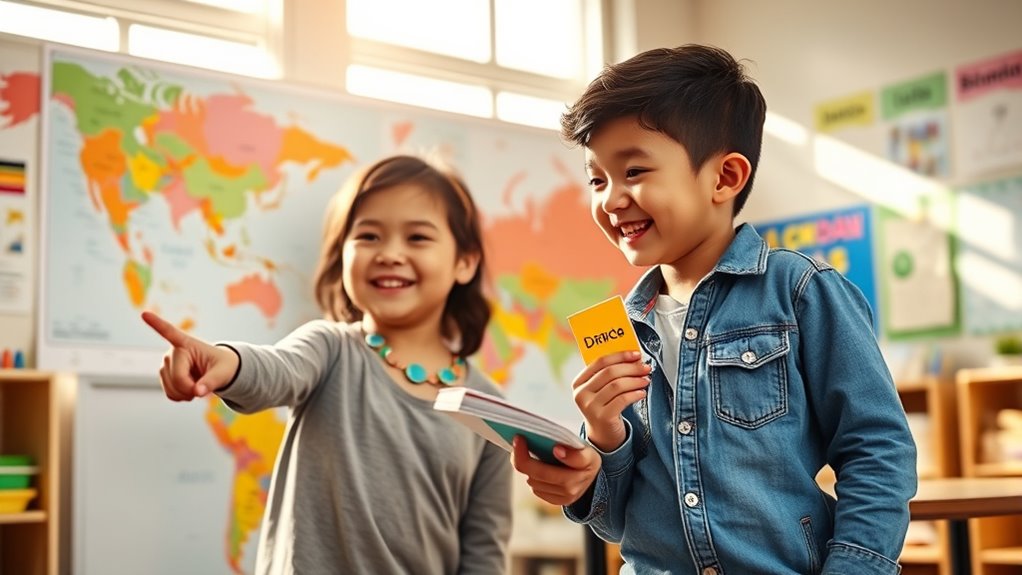

Many myths about raising bilingual kids aren’t true. Being exposed to multiple languages doesn’t confuse your child or delay their development. Instead, their language abilities shift naturally based on environment and experience, showing their flexibility. Code switching is a sign of competence, not confusion, and helps children express themselves fully. Supporting both languages creates a rich, adaptable linguistic skill set. Keep exploring, and you’ll see how embracing these truths benefits your child’s bilingual journey.

Turn the school run and nap time into listening time
- Thousands of audiobooks, podcasts and originals
- Listen on your phone, tablet or Echo — also offline
- Cancel anytime
Key Takeaways
- Bilingual children’s language switching is a normal, healthy part of language development, not a sign of confusion.
- Code switching demonstrates linguistic competence and adaptability, not a lack of ability or confusion.
- Language dominance can shift over time based on exposure and environment, reflecting natural developmental changes.
- Favoring one language at times does not indicate loss or confusion but shows context-specific language use.
- Supporting bilingualism with meaningful exposure fosters linguistic flexibility and counters common myths about confusion or delay.
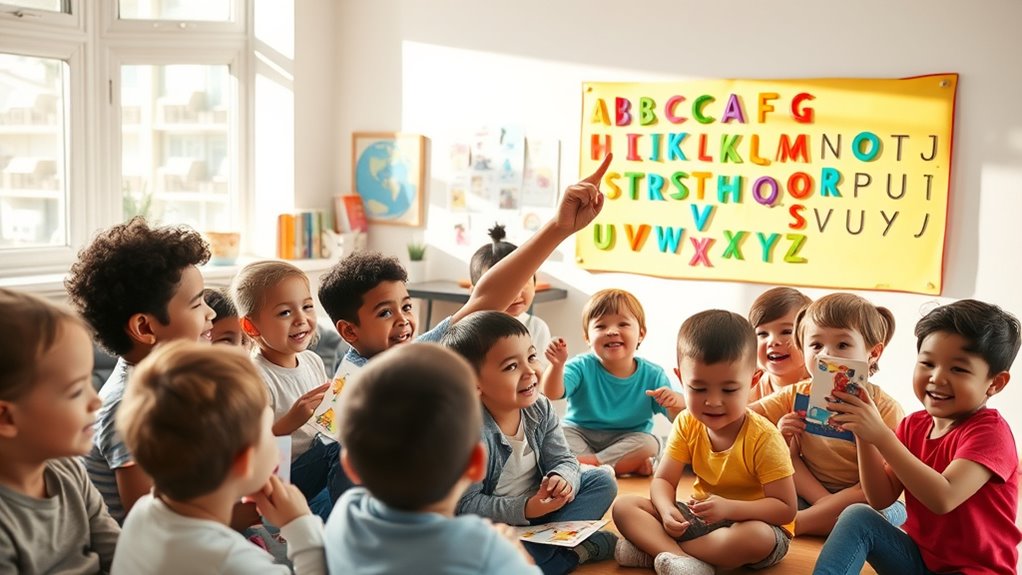
Raising bilingual kids can be a rewarding experience that opens up a world of opportunities for them. Many parents worry about how their child’s language skills will develop, especially when it comes to language dominance and code switching. You might have heard that children could favor one language over the other or that mixing languages indicates confusion. But these ideas are myths. In reality, language dominance isn’t static; it can shift over time depending on the environment, exposure, and social context. Your child might be more proficient in one language at school and another at home, and that’s perfectly normal. It doesn’t mean they’re losing one language or that they’re confused. It simply reflects how they’re maneuvering their linguistic world.
Code switching, often misunderstood, is another common concern. Many think it shows a lack of language ability or confusion, but linguists have proven otherwise. When your child switches between languages within a conversation or even a sentence, they’re demonstrating linguistic flexibility and competence. It’s a natural, sophisticated way for bilinguals to communicate, adapt, and express themselves fully. They might switch to emphasize a point, find a word more easily, or match the language of their listener. It’s a sign of bilingual proficiency, not confusion.
Code switching shows linguistic flexibility and proficiency, not confusion, reflecting a child’s rich bilingual communication skills.
Understanding these linguistic phenomena helps dispel misconceptions. You don’t need to worry if your child favors one language in certain settings or switches between them. Instead, recognize that these behaviors are signs of healthy bilingual development. Your child’s language skills are not fixed; they evolve with time and experience. Encouraging exposure to both languages in meaningful contexts will support balanced language development, reducing the likelihood of one language dominating excessively. Remember, language dominance can be fluid, and some children naturally shift their proficiency depending on their social environment.
Moreover, fostering an environment where your child feels comfortable using both languages without judgment helps strengthen their ability to switch codes seamlessly. It’s important to understand that code switching isn’t a sign of confusion but a reflection of their rich linguistic repertoire. As they grow, their language skills will continue to develop, and they’ll become adept at maneuvering multiple languages with ease. So, instead of worrying about these common myths, embrace your child’s bilingual journey, knowing that what might seem like confusion is actually a sign of their linguistic competence and adaptability.
As an affiliate, we earn on qualifying purchases.
Frequently Asked Questions
Can Bilingualism Delay a Child’s Overall Language Development?
You might worry that bilingualism causes a language delay or slows speech development, but research shows otherwise. Bilingual kids may take slightly longer to reach certain language milestones, but this is normal and temporary. It doesn’t mean there’s a delay or issue. Instead, you’re supporting your child’s cognitive growth, and with consistent exposure and encouragement, their language skills will develop just fine across both languages.
Is It Better to Speak Only One Language at Home?
You might wonder if speaking only one language at home is better. While focusing on one language can reduce confusion, it may also limit your child’s exposure to diverse cultures. Bilingual children often develop language dominance, favoring one language over the other, and engage in code switching naturally. This isn’t harmful; it reflects their linguistic flexibility. Embracing both languages supports cognitive growth and cultural identity.
Do Bilingual Kids Struggle More With Reading and Writing?
Think of bilingual kids as steering two roads at once. They might face some language interference, which can momentarily slow vocabulary development or make reading and writing feel tricky. However, with proper support, they often catch up quickly, turning these challenges into strengths. Bilingualism doesn’t inherently cause reading or writing struggles; instead, it offers a rich foundation for developing multiple skills simultaneously.
How Early Should Parents Introduce a Second Language?
You should introduce a second language early, ideally during your child’s first year when language exposure is most effective. Early exposure aligns with developmental milestones, making it easier for them to acquire pronunciation and vocabulary naturally. The sooner your child experiences the second language, the better their chances of becoming truly bilingual, benefiting from enhanced cognitive skills and cultural awareness. Don’t wait—start introducing the language during this critical period.
Are There Long-Term Cognitive Benefits to Raising Bilingual Children?
Like a well-tuned orchestra, your child’s brain develops more harmoniously when raised bilingual. Research shows long-term cognitive benefits, including enhanced executive function, problem-solving, and multitasking skills. Bilingualism strengthens brain development, making neural pathways more adaptable. This mental agility can help your child excel academically and socially, providing advantages that last a lifetime. So, nurturing two languages boosts brain power and sharpens critical thinking skills well into the future.
Conclusion
Raising bilingual kids isn’t about perfect fluency; it’s like planting a garden. Some seeds sprout quickly, others take time, but with patience and nurturing, all can flourish. I once met a parent whose child struggled at first but eventually embraced both languages, blossoming into a confident communicator. Remember, myths may try to uproot your efforts, but your dedication is the true growth catalyst. Keep nurturing your child’s language journey—beautiful diversity will follow.
Cold & flu season Picks
humidifiers
As an affiliate, we earn on qualifying purchases.