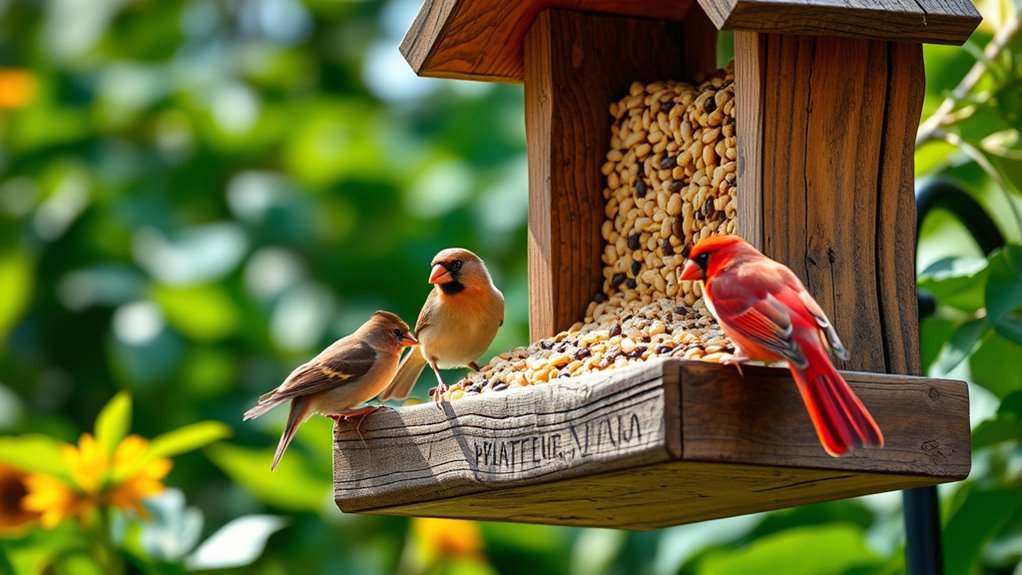

Bird watching and creating feeders connect you directly with nature, revealing the fascinating diversity of local birds right outside your window. As you observe their behaviors, you’ll learn which plants to attract specific species and how to support their habitats. Supporting natural processes like insect control and pollination becomes easier through mindful feeder craft. By exploring these activities, you’ll deepen your understanding of ecosystems and your role in preserving them—keep going to discover even more ways to make a difference.
Key Takeaways
- Bird watching and feeder crafting foster a deeper connection with nature and enhance understanding of local bird species.
- Creating bird feeders supports habitat preservation and encourages healthy ecosystems in your backyard.
- Observing bird behaviors reveals their ecological roles, such as insect control and seed dispersal.
- Tailoring feeder supplies helps attract specific bird species and educates about their habitat needs.
- Engaging in these activities promotes environmental awareness and personal responsibility for conservation efforts.
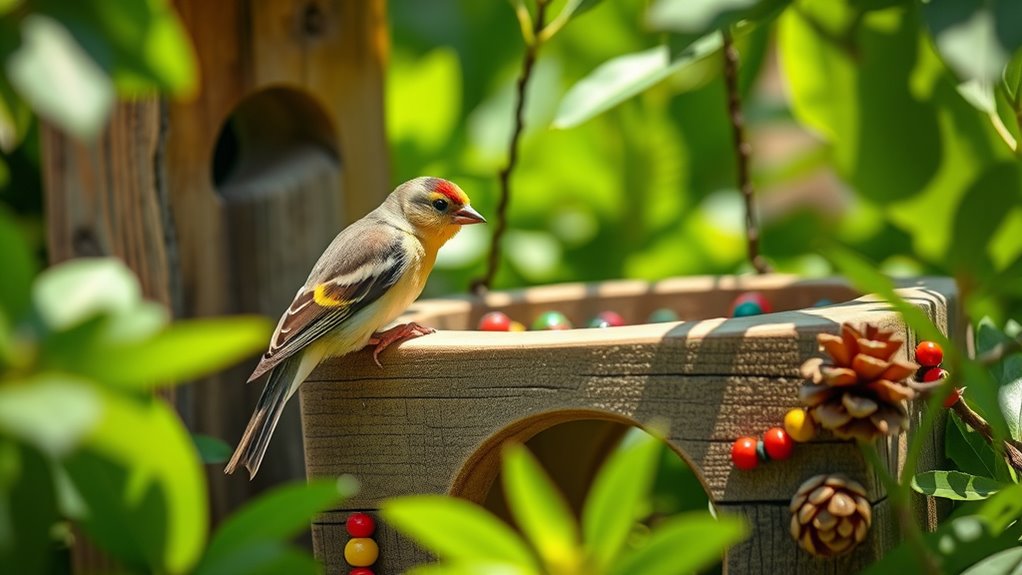
Bird watching and feeder craft offer a wonderful way to connect with nature right in your own backyard. As you set up a feeder and start observing, you quickly realize how diverse and fascinating local bird species can be. Learning to identify different birds becomes a rewarding challenge. You start noticing subtle differences in size, color, and markings, which helps you sharpen your bird identification skills. Recognizing these unique features not only enhances your enjoyment but also deepens your understanding of the species that visit your feeder. It’s like uncovering a secret world right outside your window.
Engaging in bird identification also highlights the importance of habitat preservation. When you see which birds frequent your yard, it becomes clear how essential healthy habitats are for their survival. Birds depend on specific plants, trees, and water sources, so your efforts to maintain or improve your yard’s environment directly support their well-being. By planting native trees and shrubs, providing clean water, and avoiding pesticides, you create a welcoming habitat that encourages a variety of species to thrive. This proactive approach helps sustain local bird populations and preserves the delicate balance of your local ecosystem. As you observe, you may notice how different birds prefer different areas or types of food, giving you clues about their habitat needs. This insight motivates you to adopt more environmentally friendly practices that benefit not just the birds, but the entire habitat they rely on.
Creating a welcoming habitat supports local birds and sustains the balance of your ecosystem.
Creating a bird feeder is also an educational experience that ties into habitat preservation. You learn which seeds and foods attract specific species, and in doing so, you become more conscious of the ecological roles they play. For example, some birds help control insects, while others pollinate plants or disperse seeds. By supporting these natural processes through your feeder craft, you contribute to the health of your local environment. Plus, as you observe the birds’ behaviors, you gain a greater appreciation for their resilience and adaptability, which further fuels your commitment to habitat preservation. Recognizing the importance of bird conservation emphasizes how your small efforts can make a meaningful difference in protecting bird populations.
In essence, bird watching and feeder craft serve as a powerful reminder of our connection to nature. They encourage you to look closely at the birds visiting your yard, to identify them accurately, and to understand how your actions can support their habitats. This newfound awareness transforms a simple hobby into a meaningful effort to protect and preserve the natural world around you. Through these simple activities, you discover that you’re not just observing birds—you’re actively participating in the ongoing effort to sustain the ecosystems that make our environment vibrant and alive.

Blue Marble National Geographic Build Your Own Bird Feeder Kit – DIY Wooden Feeder Craft with Paints, Brush, Bird-Watching Journal & Educational Poster for Kids, Easter Basket Stuffers
BUILD, PAINT & DISCOVER – Create a one-of-a-kind bird feeder with this hands-on kit! Kids & adults will…
As an affiliate, we earn on qualifying purchases.
As an affiliate, we earn on qualifying purchases.
Frequently Asked Questions
What Are the Best Times of Day for Bird Watching?
The best times of day for bird watching are early morning and late afternoon. During dawn, you’ll catch the dawn chorus, when many birds are most active and singing loudly. In the late afternoon, bird activity picks up again as they prepare for the night. These times offer the richest bird activity, making it easier to observe different species and enjoy the lively sounds of nature.
How Do I Attract Rare or Elusive Bird Species?
Ever wonder how to attract rare birds to your yard? You can enhance their bird habitat with native plants, water sources, and quiet areas. Use seasonal feeding strategies, offering specialized foods during migration or breeding seasons. By creating a welcoming environment and tailoring your approach, you increase your chances of spotting elusive species. Patience and consistency are key—soon, you’ll enjoy the thrill of observing those rare, beautiful visitors.
What Safety Precautions Should I Take While Bird Watching?
When bird watching, you should always prioritize safety by avoiding bird handling, which can stress or harm birds. Keep a respectful distance to prevent wildlife disturbance, and use binoculars instead of trying to get too close. Wear appropriate clothing, stay quiet, and be mindful of your surroundings. If you encounter nesting or injured birds, contact local wildlife authorities rather than intervening yourself. This guarantees both your safety and the well-being of the birds.
How Can I Identify Bird Calls and Songs Accurately?
You might think identifying bird calls is difficult, but with practice, it gets easier. Focus on bird call identification by listening closely and noting the song pattern recognition. Use apps or recordings to compare and learn different species’ sounds. Pay attention to timing, pitch, and rhythm, and repeat listening sessions. Over time, you’ll confidently recognize various bird calls, enhancing your overall bird watching experience.
What Are Eco-Friendly Materials for Building Bird Feeders?
You can build eco-friendly bird feeders using sustainable wood like cedar or bamboo, which are renewable and durable. Recycled plastics, such as repurposed milk jugs or plastic bottles, also make excellent, eco-conscious options. These materials reduce waste and environmental impact. By choosing sustainable wood or recycled plastics, you create a safe, environmentally friendly space for birds while helping conserve natural resources.

Wildflower Seeds Bulk – National Wildflower Seed Collection – Perennial Wildflowers Mix – Flower Seeds for Planting – Wild Flowers (Save The Monarchs)
🦋 100,000+ HEIRLOOM WILDFLOWER SEEDS – SAVE THE MONARCHS – This premium seed mix includes 13 essential wildflowers…
As an affiliate, we earn on qualifying purchases.
As an affiliate, we earn on qualifying purchases.
Conclusion
As you spend time bird watching and creating feeders, you connect deeply with nature’s beauty. Imagine a family who started noticing more birds visiting their backyard, like a brave robin that became a symbol of hope during tough times. Your efforts not only bring joy and wonder but also support local wildlife. Keep exploring and crafting—each moment outdoors enriches your soul and helps protect the precious creatures we share this world with.
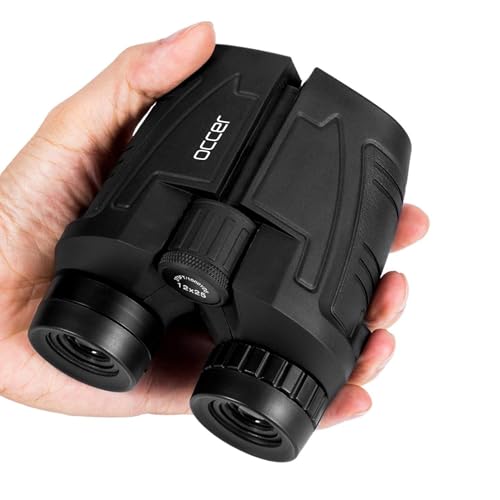
Occer 12×25 Compact Binoculars for Adults and Kids, Large Eyepiece Waterproof Binocular with Low Light Vision,High Powered Easy Focus Binoculars for Bird Watching,Outdoor Hunting,Travel,Sightseeing
【HIGH-POWERED LARGE EYEPIECE BINOCULARS】 This binoculars for adults has 12x magnification, 25mm objective lens and wide field of…
As an affiliate, we earn on qualifying purchases.
As an affiliate, we earn on qualifying purchases.

The Backyard Bird Sanctuary: A Beginner's Guide to Creating a Wild Bird Habitat at Home
As an affiliate, we earn on qualifying purchases.
As an affiliate, we earn on qualifying purchases.