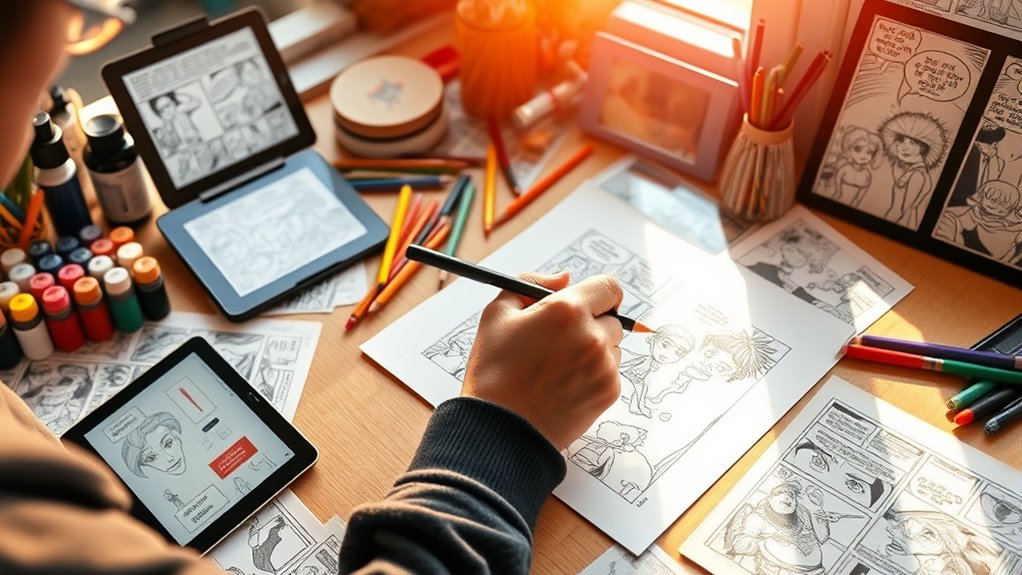

To create a compelling comic strip, focus on both drawing and storytelling. Develop relatable characters with clear personalities and emotions, using expressive sketches to showcase reactions. Carefully plan your panel layout to guide the viewer’s eye and emphasize key moments, experimenting with angles and pacing. Combining strong character development with thoughtful panel design makes your story engaging and visually appealing. Keep refining these elements, and you’ll discover how to elevate your comic strip to the next level.
Key Takeaways
- Develop compelling characters with distinct personalities, motivations, and visual traits to engage readers.
- Plan panel layouts that guide the viewer’s eye, control pacing, and emphasize key story moments.
- Use expressive facial expressions and body language to convey emotions and reactions effectively.
- Integrate character development with thoughtful panel design to enhance storytelling clarity and impact.
- Experiment with angles, perspectives, and panel sizes to create dynamic, visually interesting scenes.
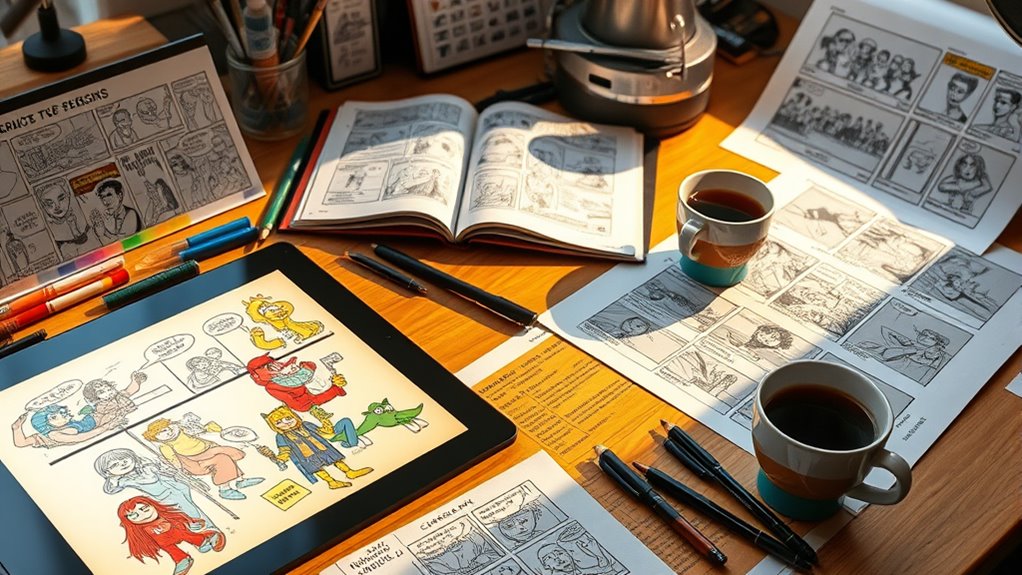
Have you ever wondered how a simple idea transforms into an enthralling comic strip? It all begins with your creativity and understanding of two essential elements: character development and panel layout. When you start crafting your comic, you want your characters to feel real and relatable. You need to think about their personalities, motivations, and how they evolve throughout the story. Do they have quirks, strengths, or flaws that make them memorable? Developing your characters thoroughly helps readers connect with them, making your comic more engaging. As you sketch, keep in mind that their expressions and body language should reflect their emotions and reactions, adding depth to each scene. This ongoing character development ensures your story feels authentic and compelling.
Once your characters are well-formed, focus on how to present your story visually through panel layout. The way you arrange panels on the page guides your reader’s eye and influences the pacing of your comic. A clear panel layout helps tell the story smoothly, highlighting key moments and emotions. For example, larger panels can emphasize dramatic scenes, while smaller, quick succession panels create a sense of urgency or humor. Think about how each panel flows into the next—using borders, spacing, and positioning to control timing and emphasis. Good panel layout also allows you to experiment with angles and perspectives, making your scenes more dynamic and visually interesting. Remember, the goal is to make the story easy to follow while maintaining visual interest, so your panel choices should support the narrative rhythm you want to establish. Additionally, understanding panel layout principles can significantly enhance your storytelling clarity and impact.
As you develop your comic strip, you’ll find that character development and panel layout go hand in hand. Strong characters will shine when placed in thoughtfully designed panels that showcase their personalities and actions. Conversely, a clever panel layout can enhance character moments, making expressions and gestures more impactful. When you plan your comic, sketch out your characters first, fleshing out their traits and quirks. Then, experiment with different panel arrangements to see which best conveys the mood and flow of your story. Keep your focus on clarity and purpose—every panel should serve a specific function, whether it’s revealing character emotions, advancing the plot, or creating atmosphere. Combining these elements skillfully transforms your initial idea into a captivating comic strip that draws readers in from start to finish.

Blank Comic Book For Kids : Create Your Own Comics With This Comic Book Journal Notebook: Over 100 Pages Large Big 8.5" x 11" Cartoon / Comic Book With Lots of Templates
As an affiliate, we earn on qualifying purchases.
As an affiliate, we earn on qualifying purchases.
Frequently Asked Questions
What Are the Best Tools for Digital Comic Strip Creation?
To create digital comic strips, you should use tools like Clip Studio Paint or Adobe Photoshop, which offer customizable color palettes and flexible panel layouts. These programs allow you to easily experiment with colors and organize your storytelling visually. They also support drawing tablets, making sketching and coloring smoother. With these tools, you can craft dynamic, professional-looking comics that effectively communicate your story and style.
How Do I Develop Unique Characters for My Comic Strip?
You develop unique characters by creating compelling character backstories that shape their personalities and motivations. Focus on distinctive visual design elements like clothing, expressions, and features to make them memorable. Mix familiar traits with surprising quirks, and consider how their backstory influences their appearance and behavior. This combination makes your characters stand out and resonate with readers, giving your comic strip depth and originality.
What Pacing Techniques Improve Storytelling in Comic Strips?
Imagine guiding a spaceship through a nebula—smooth, deliberate movements matter. To improve storytelling, focus on dialogue pacing to keep conversations natural and engaging. Use panel shifts effectively: quick cuts for action, longer panels for emotional moments. Varying the pacing controls the story’s flow, drawing readers in and maintaining their interest. Balance fast and slow scenes, ensuring every panel advances the story without overwhelming or boring your audience.
How Can I Publish My Comic Strip Online Effectively?
To publish your comic strip online effectively, focus on consistent posting and optimize your content for social media marketing. Share your strips on popular platforms like Instagram, Twitter, and TikTok to reach a broader audience. Engage with your followers by responding to comments and encouraging feedback. Use hashtags strategically to increase visibility, and consider collaborating with other creators to boost audience engagement and grow your readership organically.
What Are Common Mistakes to Avoid in Comic Strip Storytelling?
You wanna keep readers hooked, so avoid common storytelling mistakes like inconsistent visuals that confuse your audience or unclear dialogue that leaves them lost. If you let visual consistency slip or muddle your dialogue, your story might lose its momentum. Always double-check that your characters look the same and that your dialogue is crisp. These small details create a seamless experience, keeping your readers enthusiastic to see what happens next.

Storyboard Notebook 16:9: Blank Storybook Sketchbook | 16:9 Thumbnail Template Panels | Large Story Board Sketch Pad | Professional Storyboard Journal … Directors, Students, Animators & Artists
As an affiliate, we earn on qualifying purchases.
As an affiliate, we earn on qualifying purchases.
Conclusion
Think of your comic strip as a garden—you plant ideas, nurture characters, and watch your story grow. With each stroke and panel, you’re tending to this vibrant landscape, shaping its future with your creativity. Remember, the more care you give, the richer your world becomes. So keep cultivating your skills, and soon, your comic will flourish like a thriving paradise—proof that patience and passion can turn simple sketches into a masterpiece.
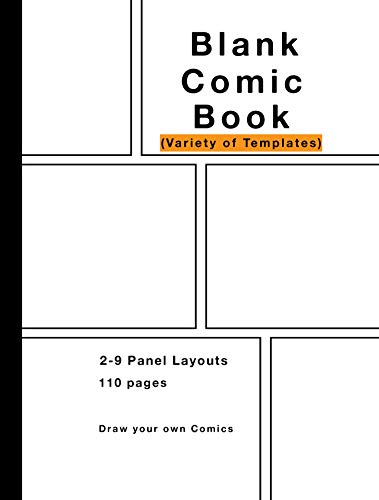
Blank Comic Book: Variety of Templates, 2-9 panel layouts, draw your own Comics
As an affiliate, we earn on qualifying purchases.
As an affiliate, we earn on qualifying purchases.

Facial Expressions: A Visual Reference for Artists
As an affiliate, we earn on qualifying purchases.
As an affiliate, we earn on qualifying purchases.