
TL;DR
Listen free for 30 days with Audible
Thousands of audiobooks and originals — cancel anytime.
Start your free trialAs an affiliate, we earn on qualifying purchases.
Children in a designated food desert are actively involved in a community-led gardening initiative, resulting in the harvest of more than 30,000 pounds of produce. This effort aims to improve local access to fresh food and combat food insecurity.
Children in a food desert are actively involved in a community gardening project that has produced over 30,000 pounds of fresh produce. This initiative, led by local organizations, aims to improve access to healthy food and reduce food insecurity in the area.
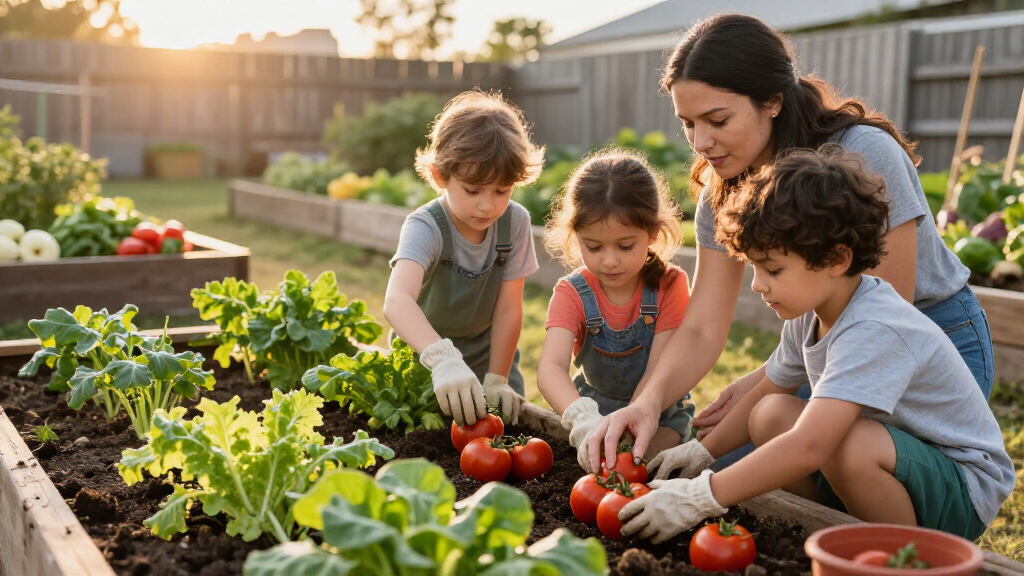
The project involves children from local schools and community centers who participate in planting, tending, and harvesting crops. According to organizers, the effort has resulted in more than 30,000 pounds of vegetables and fruits since its inception. The produce is distributed to local food banks, community centers, and residents in need, directly addressing the area’s limited access to fresh food.
Local officials and project leaders emphasize that this initiative not only provides nutritious food but also educates children about healthy eating and sustainable agriculture. The project was launched two years ago in response to persistent food insecurity in the neighborhood, which is classified as a food desert, lacking sufficient access to affordable, fresh produce.
Participants, including children aged 8 to 16, have reported gaining valuable skills and a sense of community ownership. The project also received funding from local government grants and private donations, enabling expansion and ongoing support.
Impact of Youth-Led Agriculture in Food Deserts
This initiative demonstrates how involving children in food production can directly address food insecurity in underserved areas. By producing over 30,000 pounds of fresh produce, the project significantly increases local access to healthy foods, which can improve nutritional outcomes. Additionally, it fosters community engagement and educates the next generation about sustainable practices, potentially inspiring future food justice efforts.
As an affiliate, we earn on qualifying purchases.
Community Efforts to Combat Food Insecurity
Food deserts are characterized by limited availability of affordable, nutritious food, often affecting low-income neighborhoods. In recent years, various communities have launched urban gardening and youth engagement programs to mitigate these issues. The current project builds on previous efforts, with similar initiatives showing promising results in improving food access and community cohesion.
Prior to this project, residents relied heavily on food assistance programs and distant grocery stores, which often lacked fresh produce. The recent harvest of 30,000 pounds reflects a substantial step toward local self-sufficiency and healthier diets for residents.
Unresolved Questions About Project Sustainability
It is not yet clear how long the current level of production can be maintained without additional funding or resources. The project’s long-term sustainability, potential expansion, and impact on local food prices and access remain to be evaluated. Additionally, the exact number of participating children and the full scope of distribution channels are still being documented.
Plans for Future Growth and Community Engagement
Organizers plan to expand the garden and involve more schools and community groups in the coming year. They aim to establish a permanent program that continues to produce and distribute fresh food, while also integrating nutrition education into local schools. Monitoring and reporting on the project’s long-term impact will be key in the coming months.
Key Questions
How are children involved in the gardening process?
Children participate in planting, watering, tending, and harvesting crops, gaining hands-on experience in sustainable agriculture and food production.
Where does the harvested produce go?
The produce is distributed to local food banks, community centers, and residents in need, directly improving access to fresh food in the area.
How is the project funded?
The initiative is supported by local government grants, private donations, and community fundraising efforts.
Can this model be replicated in other food deserts?
Yes, similar youth-led urban gardening projects have shown promise elsewhere, though success depends on local support, resources, and community engagement.
What are the long-term goals of the project?
The project aims to sustain and expand food production, improve nutritional outcomes, and foster ongoing community involvement and education about sustainable food systems.
Source: rss
Fall Picks
fall essentials
As an affiliate, we earn on qualifying purchases.