

To navigate new laws protecting child influencers, you need to understand key requirements like securing explicit parental consent before involving minors and ensuring transparency about data collection and content sharing. It’s essential to follow privacy regulations, avoid exploitative language, and protect the child’s online presence. Compliance with these laws helps you avoid fines and legal issues. By focusing on responsible practices, you can promote a safe environment—continue to explore how these regulations impact your content and responsibilities.
Key Takeaways
- Obtain explicit, documented parental consent before involving minors in content creation or sharing.
- Comply with privacy laws by protecting children’s personal data and disclosing data collection practices.
- Ensure content is age-appropriate, respectful, and avoids exploitative language or imagery.
- Tailor privacy settings and sharing strategies to safeguard minors’ online presence and well-being.
- Stay informed of jurisdiction-specific regulations and consult legal experts to ensure full compliance.

Have you ever wondered how new laws are changing the way child influencers operate online? If you’re involved in creating content with or for young creators, understanding these legal shifts is vital. Recent regulations focus heavily on protecting children’s privacy and ensuring their well-being, which means you’ll need to pay close attention to how you handle parental consent and adhere to privacy regulations. These laws aim to give children more control over their digital presence and prevent exploitation, making it essential for you to stay compliant.
New laws are reshaping child influencers’ online presence to prioritize privacy and protection.
Parental consent is now a cornerstone of these regulations. Before involving a child in any online activity that could generate revenue or public attention, you’re often required to get explicit permission from a parent or guardian. This isn’t just a formality; it’s a legal safeguard designed to make sure parents are aware of how their child’s image and data are being used. You might need to provide detailed information about the content, its distribution, and potential monetization. Failing to secure proper parental consent can lead to hefty fines and legal challenges, so it’s best to establish clear, documented permissions before publishing any content involving minors.
Privacy regulations have become more stringent to prevent children from being targeted or exploited online. Platforms are now mandated to implement measures that restrict data collection from young users and protect their personal information. This means that as a creator or platform operator, you need to be transparent about what data you collect, why you collect it, and how you use it. Additionally, you should ensure that any data pertaining to children is stored securely and only used for the purposes explicitly approved by parents or guardians. These rules extend to advertising practices, requiring disclosures that clearly inform both children and their parents about sponsored content and data collection. Staying informed about child influencer regulations is crucial for compliance and responsible content creation.
Moreover, these regulations influence how content is created and shared. You must avoid using language or imagery that could be considered intrusive or exploitative. The goal is to foster a safe environment where children can participate without feeling pressured or vulnerable. This might mean adjusting your content strategies or implementing age-appropriate privacy settings, making sure that minors’ online footprints are protected from undue exposure.
Staying compliant with these laws isn’t just about avoiding penalties; it’s about respecting the rights and safety of young influencers. Educate yourself on the specific requirements applicable in your jurisdiction, and consult legal experts if needed. By prioritizing parental consent and adhering to privacy regulations, you help create a safer online space for children while building trust with parents and your audience. Ultimately, these laws aim to promote responsible content creation and protect the youngest voices in digital media.
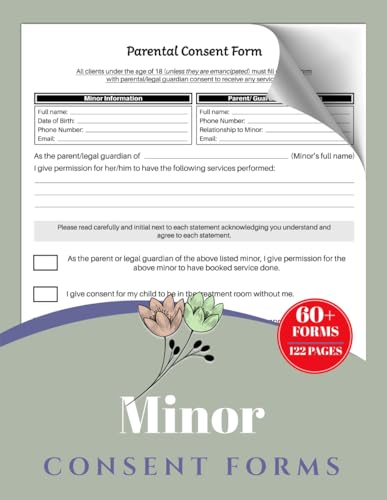
Minor Consent Forms: Parental Liability Release Logbook for Salons, Aesthetic Clinics, & Beauty Businesses | 60+ Forms, 120 Pages
As an affiliate, we earn on qualifying purchases.
As an affiliate, we earn on qualifying purchases.
Frequently Asked Questions
How Do the Laws Define a Child Influencer?
A child influencer is typically defined by age restrictions, usually under 18, who create content aimed at or appealing to children. Laws also specify content guidelines to make certain safety and appropriate messaging. You need to follow these rules closely, including restrictions on advertising, sponsored posts, and data collection, to protect young influencers and their audiences. Understanding these definitions helps you stay compliant and responsible in your influencer activities.
What Are the Penalties for Non-Compliance?
Ignoring compliance guidelines can lead to penalties so severe, they might feel like a seismic shift in your career. Penalty enforcement varies but often includes hefty fines, license suspensions, or even criminal charges if violations are serious. To avoid this chaos, follow all regulations carefully. Staying compliant not only protects the child influencer but also keeps your business safe from costly legal repercussions. Don’t risk it—prioritize adherence to the law!
Are There Exceptions for Educational Content?
Yes, there are exceptions for educational content under age restrictions and content exemptions. You can create educational material featuring child influencers without violating laws, as long as the content aligns with specific exemptions and guidelines. However, you must guarantee the content clearly qualifies as educational and follows all relevant rules. Always verify the current regulations to stay compliant, and consider consulting legal experts for clarity on specific exemptions.
How Do These Laws Affect International Influencers?
Sure, international influencers might think these laws are just for local creators, but they’re caught in a web of cross border regulations and cultural considerations. You’ll need to adapt content for different countries, respecting their unique laws protecting child influencers. Ironically, what’s legal in one nation could be illegal in another. So, you’re constantly steering legal minefields, ensuring your content’s compliant worldwide—no small feat when borders blur.
What Resources Are Available for Parents and Creators?
You can find valuable resources for child privacy and parental rights through organizations like the FTC and Child Privacy Law Centers. These offer guides, legal advice, and support networks to help you understand your rights and responsibilities. Additionally, online communities and legal professionals specialize in laws protecting child influencers. Use these resources to stay informed, guarantee compliance, and advocate effectively for your child’s privacy and well-being online.

Cybersecurity for Beginners: 10+ Easy Ways to Hack Proof your Digital Life, Protect Your Privacy, and Browse the Web with Confidence
As an affiliate, we earn on qualifying purchases.
As an affiliate, we earn on qualifying purchases.
Conclusion
As you navigate these new laws, remember they’re designed to protect young influencers and ensure ethical content creation. Did you know that over 70% of child influencers report feeling pressure to perform or gain followers? These regulations aim to lessen such stress and safeguard their well-being. By staying informed and compliant, you help create a safer online environment where kids can share their talents without fear or exploitation. Your awareness makes a real difference.
age-appropriate content moderation tools
As an affiliate, we earn on qualifying purchases.
As an affiliate, we earn on qualifying purchases.
child influencer privacy settings
As an affiliate, we earn on qualifying purchases.
As an affiliate, we earn on qualifying purchases.