

Telehealth services for children’s mental health offer a convenient and accessible way for you to support your child’s well-being, especially when in-person visits are challenging. With telehealth, care comes directly to your home, allowing you to participate actively and reinforce coping skills learned during sessions. Ensuring reliable technology and flexible scheduling helps maximize benefits. Supporting your child’s mental health through these services is essential, and discovering more ways to make it work can be helpful for your family.
Key Takeaways
- Telehealth offers accessible mental health support for children, especially when in-person care is limited or challenging.
- Parental engagement enhances treatment effectiveness by facilitating communication and reinforcing therapy strategies at home.
- Reliable technology and internet access are essential to ensure effective and continuous telehealth sessions.
- The flexibility of scheduling outside traditional hours helps maintain consistent mental health care for children.
- Supporting parents in understanding and implementing treatment plans at home strengthens therapy outcomes.

Telehealth services have become an essential resource for supporting children’s mental health, especially as access to traditional in-person care can be limited or challenging. When you consider telehealth, you recognize it’s more than just a convenience—it’s a way to bring mental health support directly into your home. As a parent, your involvement plays a critical role, not only in helping your child access these services but also in supporting their emotional well-being throughout the process. Being actively engaged allows you to better understand your child’s needs, communicate effectively with providers, and reinforce strategies learned during sessions. Your participation can make a significant difference in how your child benefits from telehealth, helping them feel supported and understood.
Technology accessibility is a key factor that influences how effectively telehealth services work for your family. If your home has reliable internet and a suitable device, you can facilitate regular, uninterrupted sessions. However, technology barriers can pose challenges, especially in underserved communities or low-income households. As a parent, you might need to advocate for better access or explore local resources that support digital connectivity. Ensuring your child has the necessary tools to engage in virtual therapy helps maximize the benefits of telehealth. It also reduces stress and frustration that could arise from technical difficulties, making each appointment more productive.
Furthermore, telehealth offers flexibility that fits into busy schedules, making it easier for you to prioritize your child’s mental health. You can often schedule sessions outside of traditional office hours, which helps avoid disruptions to school or extracurricular activities. This convenience means your child can receive consistent care, which is vital for managing mental health concerns. Your role extends beyond just facilitating appointments—you’re also a partner in the therapeutic process. By maintaining open communication with your child’s provider and providing a supportive environment, you help your child feel safe and comfortable during virtual sessions.
In addition, parental involvement in telehealth can help reinforce coping strategies and skills learned during therapy. You can work with your child’s provider to understand the treatment plan, ask questions, and implement exercises or routines at home. This ongoing support helps your child build resilience and develop healthier habits. Recognizing the importance of technology accessibility can help you address potential barriers and ensure your child’s consistent participation. Overall, the success of telehealth services hinges on your active participation and ensuring that technology barriers are addressed. When you stay involved and advocate for your child’s needs, you enable them to fully benefit from the convenience and accessibility that telehealth offers, ultimately supporting their mental health journey more effectively.
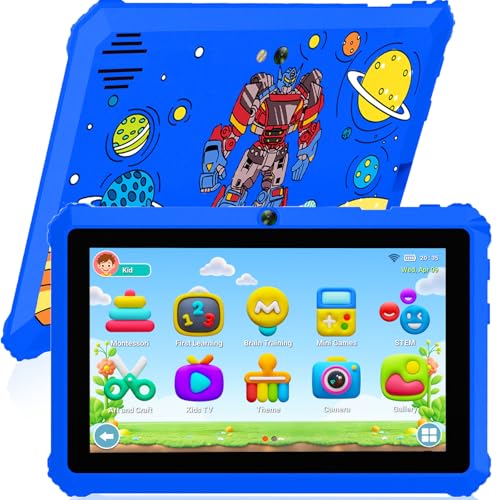
YINOCHE 7 inch Kids Tablet for Kids 3-7 Andoird Toddler Tablet for Toddlers with Case 32G Kids Tablets with Parental Controls Tabletas WiFi Dual Camera GMS Certified Tablets for Children (Blue1)
【Fast, Smooth, and Built Tablet for Kids】The YINOCHE KIDS711 Kids Tablet is powered by a quad-core processor, delivering…
As an affiliate, we earn on qualifying purchases.
As an affiliate, we earn on qualifying purchases.
Frequently Asked Questions
How Do Telehealth Services Ensure Confidentiality for Children?
You can trust telehealth services to guarantee confidentiality through privacy assurance measures like secure, encrypted platforms. These services also involve parental involvement to help monitor sessions and safeguard your child’s privacy. Providers follow strict confidentiality policies and educate both you and your child on privacy practices. By combining technology safeguards with parental oversight, telehealth offers a safe, confidential environment for children to receive mental health support.
What Technology Is Needed for Children to Access Telehealth Mental Health Services?
You need a device with internet access, like a tablet, smartphone, or computer, to access telehealth mental health services. Make certain it has a child-friendly interface and parental controls enabled, which help keep the experience safe and appropriate. Additionally, you should have a secure, private space for sessions, and guarantee the platform is HIPAA-compliant to protect confidentiality. These tools help create a safe, accessible environment for your child’s mental health support.
Are Telehealth Sessions as Effective as In-Person Therapy for Kids?
Telehealth sessions can be just as effective as in-person therapy for kids, depending on the individual child’s needs. Research shows that the effectiveness comparison of telehealth and in-person therapy often yields similar therapy outcomes, especially when technology is used properly. You might find that telehealth offers convenience and comfort for children, helping them engage better. Keep in mind, a trained therapist can adapt their approach to guarantee positive outcomes regardless of the setting.
How Can Parents Support Their Child During a Telehealth Appointment?
During a telehealth appointment, you can support your child by actively participating and showing parental involvement. Create a supportive environment by ensuring a quiet, comfortable space free from distractions. Encourage your child to express their feelings and reassure them that you’re there to help. Stay attentive, listen carefully, and follow the therapist’s guidance. Your support and involvement help your child feel secure and engaged, making the session more effective.
What Should I Do if My Child Experiences Technical Difficulties During a Session?
If your child experiences technical difficulties during a session, stay calm and try basic tech troubleshooting first, like checking the internet connection or restarting the device. If issues persist, contact the provider to discuss options, which may include session rescheduling. Keep a backup plan, such as a phone call or alternative platform, prepared to guarantee your child’s support continues smoothly without interruptions.

TP-Link AX1800 WiFi 6 Router (Archer AX21) – Dual Band Wireless Internet, Gigabit, Easy Mesh, Works with Alexa – A Certified for Humans Device, Free Expert Support
DUAL-BAND WIFI 6 ROUTER: Wi-Fi 6(802.11ax) technology achieves faster speeds, greater capacity and reduced network congestion compared to…
As an affiliate, we earn on qualifying purchases.
As an affiliate, we earn on qualifying purchases.
Conclusion
As you explore telehealth options for children’s mental health, remember it’s like planting a seed that can grow into a strong, healthy tree. With easy access and support at your fingertips, you’re nurturing your child’s well-being from the comfort of your home. Embrace this digital tool as a guiding light through difficult times, helping your child flourish and thrive, even from afar. Telehealth isn’t just a service; it’s a bridge to brighter, healthier futures.

Feelings Builder – Therapy Games for Kids & Teens, Therapist Office Must Haves, Anger Management Toys, CBT Game for Kids, Teens, and Adults, Therapy Tools, Mental Health Games, ADHD Tools
TRUSTED BY PROFESSIONALS — Pediatrician and Psychologist recommended and trusted by therapists, teachers, and parents, this tumbling tower…
As an affiliate, we earn on qualifying purchases.
As an affiliate, we earn on qualifying purchases.
parental control device for virtual therapy
As an affiliate, we earn on qualifying purchases.
As an affiliate, we earn on qualifying purchases.