TL;DR

Turn the school run and nap time into listening time
- Thousands of audiobooks, podcasts and originals
- Listen on your phone, tablet or Echo — also offline
- Cancel anytime
Ergonomic backpacks evenly distribute weight and reduce strain, preventing back pain. Look for adjustable straps, padded support, and lightweight materials. Proper fit makes all the difference.
Ever carried a backpack that felt like a brick on your shoulder? Now imagine that feeling every day, multiplied. For students, the right backpack isn’t just about style — it’s about health. Ergonomic backpacks are designed to support growing bodies, distribute weight evenly, and keep discomfort at bay. If you’re tired of seeing your kid limping home from school, it’s time to consider what makes a backpack truly ergonomic.
In this article, you’ll learn what features to look for, how recent innovations improve comfort, and simple tips to pick the perfect fit. Because a good backpack isn’t just an accessory — it’s a key part of your child’s health and daily routine.
Always aim for a backpack that weighs no more than 10-15% of your child’s body weight.
Look for adjustable, padded straps and a contoured back panel for optimal comfort.
Modern ergonomic backpacks often include tech features like sensors or USB ports, plus eco-friendly materials.
Proper fit is key: measure torso length and test for comfort before buying.
Small, supportive design choices can prevent long-term back pain and musculoskeletal issues.
What Makes an Ergonomic Backpack Actually Good?
Ergonomic backpacks are built to support the back, shoulders, and hips. Think of them as a carefully balanced weight-shield, designed to follow your child’s body’s natural curves.
Look for features like padded, adjustable shoulder straps, a contoured back panel, and a waist strap that helps distribute weight closer to the hips. For example, a student carrying 20 pounds daily will benefit from a backpack with a padded back panel and chest strap to stabilize the load, preventing slouching or uneven pressure.
Remember, the goal is to keep the load below 10-15% of your child’s body weight. An ergonomic design helps achieve this by making the load feel lighter and more balanced.
Deeply understanding these features reveals why they matter: padded straps and contoured panels reduce localized pressure points that can cause discomfort or long-term muscular strain. The waist strap shifts some weight from shoulders to hips, which are better equipped to handle load due to their stronger muscles and bones. This redistribution minimizes slouching, which can lead to poor posture or spinal issues over time. The tradeoff is that more features may add weight or cost, so balancing support with weight and budget is key.
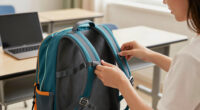
ergonomic student backpack with adjustable straps
As an affiliate, we earn on qualifying purchases.
As an affiliate, we earn on qualifying purchases.
The Top 5 Features to Spot in a Student-Friendly Ergonomic Backpack
| Feature | Why It Matters |
|---|---|
| Padded, Adjustable Straps | Customize fit to distribute weight evenly, reducing shoulder strain and preventing slipping or digging into the skin, which can cause discomfort over time. |
| Contoured Back Panel | Aligns with the natural curve of the spine, providing support that encourages proper posture and reduces fatigue, especially during long wear. |
| Waist and Chest Straps | Help stabilize the load, preventing excess movement that can cause imbalance or muscle strain. Properly used, they reduce the tendency to slouch or lean forward. |
| Lightweight & Durable Material | Prevents the backpack itself from adding unnecessary weight, which can quickly lead to fatigue or overexertion, especially when carrying multiple books or supplies. |
| Multiple Compartments | Allows for better organization, which helps distribute weight more evenly, avoiding uneven load that can cause imbalances and strain on one side of the body. |
For instance, a backpack with a padded waist strap can shift some weight from shoulders to hips, making a 15-pound load feel much lighter. The right combination of these features ensures your child stays comfortable, even after a full day of classes. Choosing one with these features is a tradeoff between added support and potential weight, but the health benefits often outweigh the minor extra weight or cost.
How to Pick the Perfect Fit for Your Child
- Measure their torso length — from the base of the neck to the top of the hips. This measurement is crucial because a backpack that’s too long or too short can cause discomfort and improper weight distribution.
- Choose a backpack with adjustable straps that match their torso length. Proper adjustment ensures the backpack sits high enough to avoid pulling on the shoulders or sagging below the hips, which can cause strain and poor posture.
- Load the backpack with typical school items — it should sit just below the shoulders and not sag or bulge excessively. A well-fitted pack distributes weight across the back and shoulders, reducing localized pressure.
- Ensure the backpack’s weight doesn’t exceed 10-15% of their body weight. Overloading can negate ergonomic features and lead to pain or injury, so careful measurement and load management are vital.
- Test for comfort: ask your child to walk around with it for a few minutes. It should feel snug but not tight, and not cause any pinching or shifting that could indicate poor fit or design flaws.
For example, a teenager with a 15-inch torso will need a backpack with straps that can extend enough to sit high on the back, avoiding strain on the shoulders and neck. Proper measurement and adjustment are critical because even small misalignments can lead to discomfort, especially over months of daily use. Investing time in this step prevents future health issues and ensures the backpack supports healthy development.
Why Recent Tech and Eco-Friendly Designs Matter
New backpacks are smarter and greener. Many now include built-in sensors that alert students when they’re carrying too much or if the straps aren’t adjusted properly. These innovations can help prevent overloading and poor fit, which are common causes of discomfort and injury. For example, a sensor system might vibrate or send a notification if the weight exceeds recommended limits, prompting the student to adjust.
Eco-conscious options use recycled fabrics and sustainable materials, reducing environmental impact. These choices appeal to environmentally aware consumers and often do not compromise on durability or support. For instance, brands like Patagonia and Eastpak now offer backpacks made from 100% recycled plastics, combining support for student health with planet-friendly choices.
These innovations mean your child gets a backpack that supports health, tech needs, and environmental values — all in one. The tradeoff here is that these features may add cost but provide long-term benefits in durability, sustainability, and health monitoring, making them a worthwhile investment.
Real-Life Success: How a Student Avoided Back Pain
Meet Emma, a 14-year-old who used to complain about constant backaches after school. Her parents switched her to an ergonomic backpack with adjustable straps, a padded back panel, and waist support. These features are designed to support proper posture and reduce strain by evenly distributing weight and encouraging correct alignment.
Within weeks, Emma reported feeling much better, and her posture improved visibly. Her backaches diminished because her backpack supported her body’s natural shape rather than forcing her into awkward positions. Emma’s story isn’t just about comfort; it exemplifies how ergonomic design can prevent long-term musculoskeletal issues. When her backpack weighed just 12% of her body weight and she adjusted the straps daily, she minimized strain and learned habits that promote spinal health.
Small, consistent adjustments and choosing the right support features can lead to significant health benefits over months and years of daily use, emphasizing the importance of ergonomic design in everyday school routines.
Frequently Asked Questions
What features should I look for in an ergonomic backpack for my child?
Prioritize adjustable padded straps, a contoured back panel, waist and chest straps, lightweight durable materials, and multiple compartments. These features support proper weight distribution and comfort.
How heavy is too heavy for a student’s backpack?
The general guideline is that a backpack should not exceed 10-15% of your child’s body weight. For example, a 100-pound student shouldn’t carry more than 15 pounds to prevent strain and long-term issues.
Are ergonomic backpacks significantly better than regular backpacks?
Yes. Ergonomic backpacks are specifically designed to support healthy posture, reduce strain, and prevent back pain. Regular backpacks often lack these support features, increasing the risk of discomfort and musculoskeletal problems.
Can ergonomic backpacks prevent back pain?
Properly designed ergonomic backpacks can significantly reduce the risk of back pain by promoting even weight distribution and supporting natural spinal alignment. But correct fit and load management are essential for maximum benefit.
How often should a student replace their backpack?
Replace a backpack every 1-2 years or when it shows signs of wear, such as torn straps or frayed fabric. Regularly check the support features to ensure continued comfort and safety.
Conclusion
Choosing an ergonomic backpack isn’t just about style — it’s about health. A well-designed pack supports your child’s growing body, keeps discomfort at bay, and even boosts confidence. In the end, a good backpack is an investment in their well-being, helping them carry tomorrow’s loads without pain.
So next time you shop, focus on fit, support, and features that promote comfort. Because when your child’s backpack fits right, they carry their day with a smile — and a healthier back.
Halloween Picks
halloween
As an affiliate, we earn on qualifying purchases.