To rebuild trust after infidelity, focus on emotional healing by allowing yourself to express feelings honestly and processing them in healthy ways. Communicate openly with your partner, set clear boundaries, and prioritize transparency and accountability. Be patient and consistent, understanding that trust takes time and ongoing effort from both of you. Embrace forgiveness as a step toward healing and relationship growth. If you keep moving forward thoughtfully, you’ll find ways to reconnect more deeply.
Key Takeaways
- Prioritize open, honest communication to express feelings and rebuild understanding.
- Establish new boundaries to create safety and emotional security.
- Practice forgiveness intentionally to let go of resentment and facilitate healing.
- Demonstrate consistent honesty and accountability to rebuild trust over time.
- Exercise patience and perseverance, recognizing trust rebuilding is a gradual, ongoing process.

Have you ever wondered if trust can truly be rebuilt after infidelity? It’s a question many people ask when their world feels shattered. Rebuilding trust isn’t easy, and it requires patience, commitment, and a willingness to work through deep emotional pain. The first step in this process often involves understanding that forgiveness isn’t about forgetting or excusing the betrayal. Instead, it’s about actively choosing to let go of resentment and anger, which can be incredibly empowering for both partners. Forgiveness is a gradual journey that plays an essential role in the forgiveness process, allowing emotional healing to take root. As you work through forgiveness, you begin to release the heavy burden of betrayal, opening space for healing and renewed connection.
During this time, emotional healing becomes the foundation for rebuilding trust. You need to give yourself permission to feel hurt, angry, or confused without judgment. Suppressing these emotions only prolongs the pain, so it’s imperative to acknowledge them and express them in healthy ways—whether through conversation, journaling, or therapy. As you process these feelings, you start to gain clarity and a sense of control over your emotional state. This clarity is fundamental because it helps you distinguish between your pain and the actions of your partner, enabling you to approach the healing process with honesty and compassion. Recognizing the importance of emotional health can support your journey towards trust rebuilding.
Allow yourself to feel and express emotions honestly for true emotional clarity and healing.
Rebuilding trust also involves establishing new boundaries that protect your emotional well-being. These boundaries serve as safeguards, helping you regain your sense of safety and control. Open communication becomes a key part of this journey. You need to share your feelings honestly and listen to your partner’s perspective without defensiveness. This openness fosters understanding and demonstrates a commitment to transparency. Over time, consistent actions—such as honesty, accountability, and patience—reinforce the trust you’re trying to rebuild. Remember, trust isn’t restored overnight; it’s a gradual process that demands ongoing effort from both of you.
Ultimately, the road to rebuilding trust after infidelity is about more than just fixing what’s broken. It’s about transforming your relationship by cultivating emotional healing and practicing forgiveness. With perseverance, empathy, and genuine commitment, you can emerge stronger, with a deeper understanding of each other and a renewed sense of connection. Trust may have been damaged, but through this healing journey, it can be rebuilt—sometimes even more resilient than before.

BestSelf Couples Journal for Him and Her 13 Week Marriage workbooks for couples to Grow Love Together – relationship journal for couples, Ideal Couples Gifts
💬 𝑪𝒐𝒖𝒑𝒍𝒆𝒔 𝑱𝒐𝒖𝒓𝒏𝒂𝒍 𝒕𝒐 𝑭𝒊𝒍𝒍 𝑶𝒖𝒕 𝑻𝒐𝒈𝒆𝒕𝒉𝒆𝒓: This couples therapy journal is a unique gift that allows you…
As an affiliate, we earn on qualifying purchases.
As an affiliate, we earn on qualifying purchases.
Frequently Asked Questions
How Long Does It Typically Take to Rebuild Trust?
Rebuilding trust after infidelity can take anywhere from months to years, depending on your emotional patience and the effort both of you put in. It’s important to stay consistent with honesty, even when it’s difficult. You might notice progress gradually, but don’t rush the process. Trust develops through ongoing openness and understanding. By staying committed and patient, you’ll eventually see your relationship healing and strengthening again.
Can a Relationship Survive Infidelity Without Therapy?
Yes, a relationship can survive infidelity without therapy, but it depends on your commitment to the forgiveness process and emotional healing. You might find that open communication and mutual understanding help rebuild trust, yet therapy often accelerates healing and provides valuable tools. If both partners are willing to work through the pain and rebuild honesty, lasting recovery is possible without formal counseling, though professional support can enhance the process.
What Are Signs of Genuine Remorse From a Partner?
Genuine remorse from your partner shows through emotional honesty and consistent actions. You’ll notice they openly acknowledge their mistakes and express sincere regret, not just words but through their behavior. They prioritize rebuilding trust by being transparent, keeping promises, and showing patience. Their actions match their words over time, demonstrating true remorse. If they’re committed to making amends and consistently act with integrity, it’s a strong sign they genuinely regret their actions.
How Do I Handle Ongoing Doubts During Rebuilding?
Doubts can feel like emotional triggers, pulling you back into mistrust despite progress. To handle ongoing doubts, communicate openly about your feelings and set clear trust boundaries. Recognize that rebuilding takes time, and it’s okay to have questions. Stay patient, practice self-compassion, and seek reassurance from your partner while trusting your instincts. Remember, consistency and honesty are key to transforming doubts into renewed confidence.
Is It Possible to Fully Forget About the Betrayal?
You can’t fully forget about the betrayal, but emotional healing can help you process it. During the forgiveness process, you learn to accept what happened and gradually lessen its impact on your life. While the pain may never completely disappear, focusing on rebuilding trust and your well-being allows you to move forward. Remember, healing is a journey, and over time, the emotional wounds become less painful and easier to manage.

Rebuilding Trust: Guided Therapy Techniques and Activities to Restore Love, Trust, and Intimacy in Your Relationship
As an affiliate, we earn on qualifying purchases.
As an affiliate, we earn on qualifying purchases.
Conclusion
So, you’ve survived the betrayal and somehow managed to rebuild trust. Who knew honesty, patience, and a little bit of therapy could save a relationship? Just remember, trust isn’t a magical switch—it’s more like a houseplant; it needs constant care, watering, and maybe a little gossip to stay alive. So go ahead, prove that your love is stronger than a scandal—because, honestly, what’s more romantic than a little chaos?

Boundaries in Marriage: Understanding the Choices That Make or Break Loving Relationships
As an affiliate, we earn on qualifying purchases.
As an affiliate, we earn on qualifying purchases.
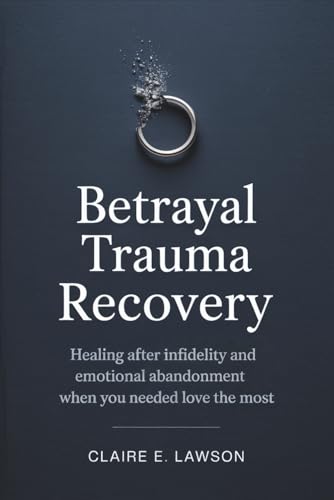
Betrayal Trauma Recovery: Healing After Infidelity and Emotional Abandonment When You Needed Love the Most
As an affiliate, we earn on qualifying purchases.
As an affiliate, we earn on qualifying purchases.