Emotional intelligence is your ultimate relationship superpower, helping you connect authentically and understand others deeply. By recognizing and managing your emotions while interpreting subtle cues like body language and tone, you build trust and empathy. This skill improves communication, strengthens bonds, and makes conflicts easier to navigate. Developing emotional intelligence is a lifelong journey that benefits every part of your life. If you keep exploring, you’ll discover how to master these impactful abilities even more.
Key Takeaways
- Emotional intelligence enhances understanding and trust, making relationships more authentic and resilient.
- Recognizing subtle emotional cues improves communication and prevents misunderstandings.
- Developing empathy fosters deeper connections and stronger social bonds.
- Emotional literacy enables better self-regulation, reducing conflicts and promoting harmony.
- Continual growth in emotional skills enhances personal and professional relationship success.

Have you ever wondered why some people navigate social situations with ease while others struggle? The secret often lies in their emotional intelligence, specifically in how they develop empathy and build emotional literacy. When you focus on these areas, you release a powerful skill that enhances your relationships, communication, and overall understanding of others. Empathy development isn’t just about feeling sorry for someone; it’s about genuinely understanding their emotions and perspectives. As you sharpen this skill, you become more attuned to subtle cues—body language, tone of voice, facial expressions—that reveal what someone is truly feeling. This heightened awareness allows you to respond more thoughtfully, creating a sense of connection and trust that can transform ordinary interactions into meaningful exchanges. Regularly practicing emotional regulation can further strengthen your ability to manage your reactions in social settings.
Empathy transforms interactions by enhancing understanding, connection, and trust through genuine emotional awareness and subtle cues.
Emotional literacy, on the other hand, is your ability to recognize, understand, and articulate your own emotions. When you improve your emotional literacy, you gain clarity about what you’re experiencing internally, which helps you manage your reactions more effectively. This self-awareness acts as a foundation for empathy, because understanding your emotions makes it easier to relate to others’ feelings. For example, if you recognize that you’re feeling frustrated, you’re less likely to lash out and more likely to approach the situation with patience and curiosity. Developing this literacy isn’t complicated; it’s about paying attention to your emotions without judgment, labeling them accurately, and reflecting on why you feel a certain way. Over time, this practice becomes second nature, and your ability to empathize deepens.
Strengthening your empathy development and emotional literacy can profoundly improve your social skills. You’ll find it easier to connect with people on a genuine level, which can lead to stronger friendships, better teamwork, and even more effective leadership. When others sense that you understand and respect their feelings, they’re more likely to open up and engage authentically. Additionally, these skills help you navigate conflicts more smoothly, as you’re better equipped to see the situation from multiple perspectives and respond with compassion rather than defensiveness.
In essence, cultivating empathy and emotional literacy transforms you into a more emotionally intelligent person—someone who can read the room, validate others’ experiences, and express your own feelings clearly. It’s a continuous journey of learning and self-discovery, but the benefits ripple through every aspect of your life. By investing in these skills, you unlock a relationship superpower that enhances your understanding of others and enriches your connections, making social interactions less intimidating and more fulfilling.

The Emotional Intelligence Training Book: From Reaction to Response: 50 Short Lessons in Self-Awareness, Self-Regulation, and Relationships
As an affiliate, we earn on qualifying purchases.
As an affiliate, we earn on qualifying purchases.
Frequently Asked Questions
How Can Emotional Intelligence Improve Workplace Relationships?
You can improve workplace relationships by developing your emotional intelligence through empathy development, which helps you understand others’ perspectives. This makes it easier to navigate conflicts and resolve disagreements calmly. When you actively listen and show understanding, you build trust and rapport. As a result, your team becomes more cohesive, motivated, and productive, creating a positive environment where everyone feels valued and supported.
What Are Practical Ways to Develop Emotional Intelligence Daily?
To develop emotional intelligence daily, start with mindfulness practices like meditation or deep breathing to stay aware of your emotions. Practice active listening by giving your full attention during conversations, which helps you understand others better. Reflect on your emotional responses and learn from them. By consistently applying these strategies, you’ll enhance your empathy, self-awareness, and relationship skills, making interactions more genuine and effective.
Is Emotional Intelligence Innate or Can It Be Learned?
Emotional intelligence is a mix of nature and nurture, so it can be both innate and learned. While some people naturally have a higher emotional awareness, you can develop and improve it through practice and experience. By actively working on self-awareness, empathy, and communication skills, you nurture your emotional intelligence. So, even if it feels innate at first, you have the power to learn and grow in this essential skill.
How Does Emotional Intelligence Affect Leadership Skills?
Your emotional intelligence greatly impacts your leadership skills by enhancing empathy development and conflict resolution. When you understand and manage your emotions, you can better connect with others, fostering trust and collaboration. This ability helps you navigate conflicts effectively, turning challenges into opportunities for growth. Leaders with high emotional intelligence inspire loyalty, motivate teams, and create a positive work environment, ultimately driving success and organizational resilience.
Can Emotional Intelligence Help in Managing Stress Better?
Yes, emotional intelligence can help you manage stress better. By practicing mindfulness, you become more aware of your emotions and reactions, which boosts your stress resilience. When you recognize stress triggers early, you can respond calmly instead of reacting impulsively. Building emotional intelligence enables you to stay grounded, handle challenging situations with clarity, and maintain your well-being, making stress easier to manage in both personal and professional settings.

Emotional Literacy Journal: Build Emotional Intelligence Notebook – Mental Health Emotion Tracker For Adults – Includes List of Emotions -Light Baby … – Daily Monitoring- 150 pages (6 x 9 inches)
As an affiliate, we earn on qualifying purchases.
As an affiliate, we earn on qualifying purchases.
Conclusion
Mastering emotional intelligence opens a superpower inside you that can transform your relationships and life. When you understand and manage your emotions, you become unstoppable—like a superhero wielding the greatest power of all. Your ability to empathize, communicate, and connect can sway worlds, turning everyday interactions into extraordinary moments. So, embrace your emotional intelligence; it’s the secret weapon that makes you feel invincible in a sea of chaos. Unleash it and watch your world change forever.

The Definitive Book of Body Language: The Hidden Meaning Behind People's Gestures and Expressions
Used Book in Good Condition
As an affiliate, we earn on qualifying purchases.
As an affiliate, we earn on qualifying purchases.
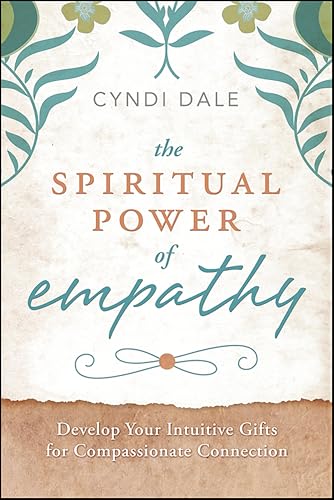
Spiritual Power of Empathy: Develop Your Intuitive Gifts for Compassionate Connection
As an affiliate, we earn on qualifying purchases.
As an affiliate, we earn on qualifying purchases.