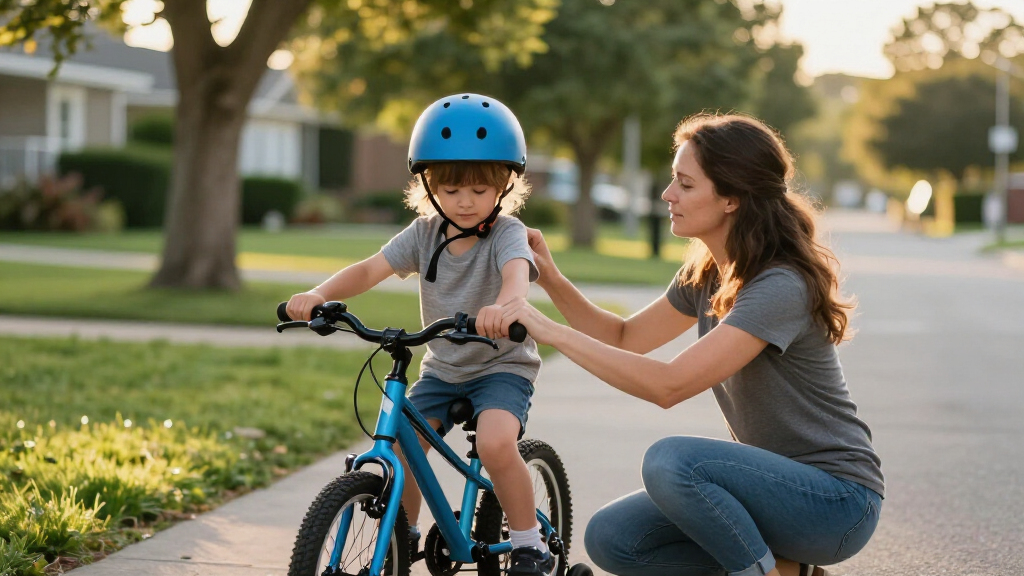

After comparing 15 popular children’s bicycle helmets, the Thousand Jr Collection stands out as the best overall pick thanks to its magnetic no-pinch buckle, thoughtful fit system and included reflective sticker pack that kids actually want to wear. The Schwinn Thrasher makes the most sense for parents who want proven ventilation and easy adjustability on a budget, while the Bell Richter Youth is better suited to older kids who need a lightweight helmet for longer rides. The main tradeoff in this category is between polished fit systems and multi-sport versatility — some helmets here, like the OUWOER and BURSUN, double as skate and scooter helmets but run warmer and heavier. Toddler-specific options like the MOUNTALK and Auka prioritize coverage and grow-with-you sizing over ventilation. Read on for the full breakdown of all 15 helmets.

Turn the school run and nap time into listening time
- Thousands of audiobooks, podcasts and originals
- Listen on your phone, tablet or Echo — also offline
- Cancel anytime
Complete the kit


Key Takeaways
- The Thousand Jr Collection separated itself from the field with its magnetic no-pinch buckle — no other helmet in this lineup solves the chin-pinching problem as cleanly, which matters most for younger kids who resist wearing helmets.
- A clear pattern emerged: multi-sport helmets (OUWOER, BURSUN, Bienbee) offer the widest age and size coverage but consistently run hotter and heavier than bike-specific models like the Schwinn Thrasher and Bell Richter.
- Toddler helmets (MOUNTARK MOUNTALK, Auka) trade ventilation for coverage and lower rear profiles — the right choice for balance-bike riders but oversized and sweaty for kids already pedaling confidently.
- Several budget generic-brand helmets (Kids Bike Helmet with LED Light, SIFVO, the unbranded Ages 3-14 model) match name brands on adjustability hardware but lag on strap quality and long-term durability, which is where the price gap actually shows up.
- The Retrospec Remi and Scout are nearly interchangeable on fit; the deciding factor between them is style preference and shell finish, not performance — worth knowing before paying for one over the other.
| Kids Bike Helmet with LED Light |  | Best for Low-Light Visibility | Brand: Bavilk | Material: PC shell with EPS foam (in-mold) | Head Circumference: 50-57 cm | VIEW LATEST PRICE | See Our Full Breakdown |
| MOUNTALK Toddler Bike Helmet for Boys and Girls Ages 1-6 |  | Best for First Riders | Brand: MOUNTALK | Model: MT-KH | Age Range: 1-6 years | VIEW LATEST PRICE | See Our Full Breakdown |
| OUWOER Kids Bike Helmet, Adjustable Multi-Sport, Toddler to Youth, 3 Sizes |  | Best Multi-Sport Value | Brand: OUWOER | Model: W-001 | Shell Material: ABS with EPS foam | VIEW LATEST PRICE | See Our Full Breakdown |
| Bienbee Kids Bike Helmet, Adjustable & Multi-Sport, Ages 3-14 |  | Best Simple All-Rounder | Brand: Bienbee | Sizes: X-Small (1-3 yrs), Small (3-8 yrs), Medium (8-14 yrs) | Material: ABS shell with thickened EPS foam | VIEW LATEST PRICE | See Our Full Breakdown |
| Auka Toddler & Kids Bike Helmet (Boys/Girls, Ages 1-8, 2 Sizes) |  | Best for Hot-Weather Comfort | Brand: Auka | Material: PC shell with EPS foam | Sizes: XS: 48-50 cm (ages 1-3); S: 51-54 cm (ages 3-8) | VIEW LATEST PRICE | See Our Full Breakdown |
| Thousand Jr Collection Kids Helmet with Reflective Sticker Pack and Magnetic No-Pinch Buckle |  | Best for Style-Minded Kids | Brand: Thousand | Certifications: CPSC, ASTM, CE | Head Circumference: 49-53cm | VIEW LATEST PRICE | See Our Full Breakdown |
| Retrospec Remi Youth Kids Bike Helmet |  | Best Ventilation for Active Riders | Brand: Retrospec | Model: Remi | Intended Use: Biking, skateboarding, scooting | VIEW LATEST PRICE | See Our Full Breakdown |
| SIFVO Kids Bike Helmet with Removable Visor, Adjustable Lightweight Youth Helmet |  | Best Coverage and Airflow Combo | Brand: SIFVO | Model: SF40 Kids Helmet | Age Range: 5-14 years | VIEW LATEST PRICE | See Our Full Breakdown |
| Bell Richter Youth Bike Helmet |  | Best Easy-Adjust Fit for Older Kids | Brand: Bell | Style: Low profile | Fit System: True Fit one-step adjustment | VIEW LATEST PRICE | See Our Full Breakdown |
| Schwinn Thrasher Bike Helmet |  | Best Lightweight Pick for Young Riders | Suggested Age Range: 5-8 years | Head Circumference: 19.63-22.0 inches | Fit System: Adjustable dial fit knob with full-range padding | VIEW LATEST PRICE | See Our Full Breakdown |
| Kids Bike Helmet for Boys and Girls, Ages 3-5, 5-8, 8-14 |  | Best for Visibility | Head circumference: 19.7–22.4 in (50–57 cm) | Recommended ages: 3–5, 5–8, 8–14 | Weight: 290 g | VIEW LATEST PRICE | See Our Full Breakdown |
| Retrospec Scout Kids Bike Helmet |  | Best for Easy Cleanup | Model: Scout | Intended use: Bike, skateboard, and scooter | Audience: Kids and toddlers; boys and girls | VIEW LATEST PRICE | See Our Full Breakdown |
| Schwinn Thrasher Kids Bike Helmet, 55-58 cm, Ages 8-14 |  | Best for Older Kids | Head circumference: 55–58 cm | Recommended age: 8–14 years | Construction: Microshell | VIEW LATEST PRICE | See Our Full Breakdown |
| Bell Rally Child Bike Helmet |  | Best for Straightforward Fit | Recommended age: 5–8 years | Head circumference: 52–56 cm | Fit system: True Fit one-step adjustment | VIEW LATEST PRICE | See Our Full Breakdown |
| BURSUN Kids Bike Helmet, Adjustable Ventilated Multi-Sport Helmet for Ages 2-14 |  | Best for Multi-Sport Use | Age range: 2–14 years | Head size: 18.9–21.3 in (48–54 cm) | Shell and foam: ABS shell, EPS foam | VIEW LATEST PRICE | See Our Full Breakdown |
| children’s bicycle helmet | Brand | Safety Standard | Fit System |
|---|---|---|---|
| Kids Bike Helmet with LED Ligh | Bavilk | U.S. CPSC bicycle helmet standard, ages 5+ | — |
| MOUNTALK Toddler Bike Helmet f | MOUNTALK | — | Rear dial with adjustable straps |
| OUWOER Kids Bike Helmet | OUWOER | U.S. CPSC bicycle helmet standard, ages 5+ | — |
| Bienbee Kids Bike Helmet | Bienbee | — | — |
| Auka Toddler & Kids Bike Helme | Auka | CPSC certified, ages 1+ (Extended Head Coverage) | — |
| Thousand Jr Collection Kids He | Thousand | — | Adjustable dial |
| Retrospec Remi Youth Kids Bike | Retrospec | U.S. CPSC | ErgoKnob dial |
| SIFVO Kids Bike Helmet with Re | SIFVO | — | — |
| Bell Richter Youth Bike Helmet | Bell | — | True Fit one-step adjustment |
| Schwinn Thrasher Bike Helmet | — | U.S. CPSC Safety Standard for Persons Age 5 and Older | Adjustable dial fit knob with full-range padding |
| Kids Bike Helmet for Boys and | — | CPSC bicycle helmet standard for persons aged 5 and older | 360° adjustable dial with side straps |
| Retrospec Scout Kids Bike Helm | — | — | Adjustable dial system with chin strap |
| Schwinn Thrasher Kids Bike Hel | — | U.S. CPSC bicycle helmet standard | Adjustable dial retention system |
| Bell Rally Child Bike Helmet | — | U.S. CPSC Safety Standard for Bicycle Helmets for Persons Age 5 and Older | True Fit one-step adjustment |
| BURSUN Kids Bike Helmet | — | U.S. CPSC Safety Standard for Bicycle Helmets, Age 1+ | — |
More Details on Our Top Picks
Kids Bike Helmet with LED Light
This Bavilk helmet earns its spot for one feature no other pick in this lineup offers: a rear LED warning light with three flash modes. For families where kids ride home from school in the early evening or along dusk suburban streets, that extra visibility is a genuine safety gain, not a gimmick. The build quality holds its own too — the in-mold PC shell with EPS foam matches what you get on the pricier Thousand Jr, and the 16 ventilation channels beat the 11 vents on both the MOUNTALK toddler helmet and the OUWOER multi-sport model, which matters on hot summer rides. The tradeoff is that visibility depends on a single CR2032 coin-cell battery, which will die eventually and can be forgotten until you need it. Compared with the Auka toddler helmet, the fit range is wider (50-57 cm), making it a better growth pick, but younger riders under 50 cm will need a smaller option.
Pros:- Rear LED light with three flash modes adds real safety in low light
- 16 ventilation channels out-cool most comparably priced rivals
- In-mold PC shell with EPS foam is lighter and more durable than basic ABS builds
- Detachable visor lets kids customize for sun or trail riding
Cons:- LED runs on a single CR2032 battery that will need replacing
- Fit range of 50-57 cm excludes younger riders with smaller heads
- Dial fit can feel loose on narrow head shapes without careful strap adjustment
Best for: Parents of school-age kids and teens who ride in the early morning or evening and want an extra layer of visibility beyond reflectors
Not ideal for: Toddlers or small-headed children under 50 cm circumference — the shell will simply be too large to fit safely
- Brand:Bavilk
- Material:PC shell with EPS foam (in-mold)
- Head Circumference:50-57 cm
- Weight:250 g
- Ventilation:16 airflow channels
- LED Light Modes:Steady flash, slow flash, fast flash
- Battery:1 x CR2032 3.0V 210mAh
- Visor:Detachable
- Safety Standard:U.S. CPSC bicycle helmet standard, ages 5+
Our verdict“Buy this if your child rides in dim conditions and you want built-in visibility; skip it for toddlers whose heads are too small for the shell.”
MOUNTALK Toddler Bike Helmet for Boys and Girls Ages 1-6
For the smallest heads in the family, the MOUNTALK is the most focused pick here. Where the OUWOER and Bienbee spread themselves across a 2-to-14-year range, this helmet is built specifically around first rides and early scooter years, starting at an XS size of just 46 cm — smaller than the Auka’s 48 cm floor. That makes it one of the few options that genuinely fits one-year-olds. It also carries dual certification (CPSC 16 CFR Part 1203 and ASTM F1447), a step above single-standard helmets like the Bienbee, which lists no certification details at all. The removable washable pads are a quietly practical feature for a toddler helmet, because sweat, juice, and playground grime are inevitable. The compromise is airflow: 11 vents and 6 cooling channels trail the Bavilk’s 16, and the ambiguous gap between XS and S sizing means parents of 2-to-4-year-olds should measure head circumference rather than trust age labels.
Pros:- Dual CPSC and ASTM F1447 certification exceeds many rivals’ safety credentials
- XS size starts at 46 cm, fitting children most helmets can’t accommodate
- Removable, washable pads handle the mess that comes with toddler use
- Rear fit dial allows fine adjustment as a child grows
Cons:- 11 vents provide less cooling than the 14-16 vent competitors here
- XS vs S sizing boundary is ambiguous for ages 2-4 without measuring
- No visor or extras — it’s a pure starter helmet
Best for: Parents of toddlers aged 1-6 who need a certified helmet sized for very small heads and easy-to-clean padding
Not ideal for: Kids over 6 or with heads above 54 cm — the size range tops out where youth helmets begin
- Brand:MOUNTALK
- Model:MT-KH
- Age Range:1-6 years
- Sizes:XS (46-50 cm), S (50-54 cm), M/L
- Ventilation:11 air vents, 6 cooling channels
- Certifications:CPSC 16 CFR Part 1203, ASTM F1447
- Fit System:Rear dial with adjustable straps
- Warranty:1 year
Our verdict“This is the pick for parents of genuine toddlers who need certified protection for the smallest heads, provided they measure before ordering.”
OUWOER Kids Bike Helmet, Adjustable Multi-Sport, Toddler to Youth, 3 Sizes
OUWOER’s pitch is simple: one helmet for the whole childhood, from a Small covering ages 2-8 up to a Large for teens and beyond (57-61 cm). No other pick in this batch spans that range — the MOUNTALK stops at age 6 and the Auka at age 8 — which makes this the natural choice for families with multiple kids or a child who skates, scooters, and bikes in the same week. The ABS shell over EPS foam is the classic rugged multi-sport construction, tougher against repeated knocks than the in-mold PC build of the Bavilk, though noticeably heavier. Fit flexibility is a real strength: a crank dial, two pad thicknesses, and adjustable chin straps let you tune the fit more precisely than the Bienbee’s simpler setup. One caveat gives me pause, though — the CPSC certification covers ages 5 and up, while the Small size is marketed from age 2, so parents of 2-to-4-year-olds may prefer the MOUNTALK, which is certified for that group.
Pros:- Three sizes spanning 48-61 cm cover toddlers through teens
- ABS shell handles the repeated impacts of skatepark and multi-sport use
- Crank dial plus two pad thicknesses allow a genuinely dialed-in fit
- Cheaper than buying separate helmets for each sport
Cons:- ABS construction is heavier than in-mold PC helmets like the Bavilk
- Certification listed for ages 5+, creating a mismatch with the youngest size
- 11 vents run warm during hard summer riding
Best for: Budget-minded families with kids aged 5+ who bike, skate, and scooter and want one durable helmet that covers siblings of different ages
Not ideal for: Parents of 2-4-year-olds, since the CPSC certification applies only to ages 5 and older despite the smaller size being marketed younger
- Brand:OUWOER
- Model:W-001
- Shell Material:ABS with EPS foam
- Sizes:S: 48-54 cm; M: 54-57 cm; L: 57-61 cm
- Age Range:Small: 2-8 yrs; Medium: 8-14 yrs; Large: 14+ yrs
- Vents:11 top and side vents
- Adjustability:Crank dial, two pad thicknesses, adjustable chin straps
- Safety Standard:U.S. CPSC bicycle helmet standard, ages 5+
Our verdict“The smart buy for multi-sport households with kids 5 and up; families with toddlers should choose a helmet certified for that age instead.”
Bienbee Kids Bike Helmet, Adjustable & Multi-Sport, Ages 3-14
The Bienbee is the straightforward pick for parents who don’t want to overthink it: three sizes covering ages 1 through 14, an ABS-and-thickened-EPS build, and enough color options to get a reluctant rider to actually wear the thing. Compared with the OUWOER, it covers a similar multi-sport mission — biking, skateboarding, scootering, even ice skating — but trades the OUWOER’s crank dial and dual pad thicknesses for a simpler adjustment system, which is easier for kids to manage themselves but less precise for odd head shapes. At 13.2 oz, it sits in the middle of this lineup: lighter than some ABS builds, heavier than the 250 g Bavilk. The honest weakness here is documentation — unlike the MOUNTALK with its dual certification and the Auka with CPSC coverage from age 1, no specific safety certification is listed, which will matter to safety-conscious parents who want that reassurance in writing.
Pros:- Three sizes span toddler through teen, reducing replacement purchases
- ABS shell with thickened EPS foam suits skateboarding and ice skating as well as biking
- Multiple color options make it easier to get kids on board with wearing it
- Lightweight 13.2 oz build with breathable foam keeps longer rides comfortable
Cons:- No published safety certification to verify against CPSC or ASTM standards
- Simpler fit system is less adjustable than the OUWOER’s dial-plus-pads setup
- Broad age labels require careful head measurement to size correctly
Best for: Families who want an easy, no-fuss adjustable helmet across a broad age range and aren’t fussed about premium fit hardware
Not ideal for: Parents who want documented safety certifications before buying — none are specified for this model
- Brand:Bienbee
- Sizes:X-Small (1-3 yrs), Small (3-8 yrs), Medium (8-14 yrs)
- Material:ABS shell with thickened EPS foam
- Weight:13.2 oz
- Adjustable:Yes
- Recommended Use:Biking, skateboarding, scooter, ice skating
- Color Options:Multiple colors
Our verdict“A sensible, low-hassle choice for casual multi-sport families, though certification-minded shoppers should look to the MOUNTALK or Auka instead.”
Auka Toddler & Kids Bike Helmet (Boys/Girls, Ages 1-8, 2 Sizes)
Where the MOUNTALK is the pure safety-first toddler pick, the Auka wins on everyday comfort. Its 14 air vents out-cool the MOUNTALK’s 11, which matters more than parents expect — an overheated toddler is a toddler who pulls the helmet off mid-ride. The CPSC certification covers ages 1 and older with extended head coverage, matching the MOUNTALK’s legitimacy for the youngest riders while offering more color personality than most rivals here, including gradient finishes. Two genuinely thoughtful touches set it apart: two sets of removable washable pads (so one can dry while the other is in use) and an integrated insect net over the vents — a small thing that saves a lot of tears on buggy summer trails. The limitation is range: it tops out at 54 cm around age 8, so unlike the OUWOER, it won’t carry a child into their teen years. And like every helmet in this roundup, the age labels are only a guide — measuring head circumference before ordering is non-negotiable.
Pros:- 14 air vents beat the 11-vent toddler competitors for cooling
- CPSC certified for ages 1+ with extended head coverage
- Two sets of washable pads allow rotation and easy cleanup
- Integrated insect net keeps bugs out of vents on trail rides
Cons:- Size range ends at 54 cm, so it won’t last into the teen years
- Age-based sizing is approximate and requires head measurement
- Only two sizes means less granularity between growth stages than three-size rivals
Best for: Parents of 1-to-8-year-olds in warm climates who want strong ventilation, washable padding, and bug-protected vents for summer riding
Not ideal for: Kids over 8 or with heads above 54 cm — the size range ends where youth helmets like the Bavilk begin
- Brand:Auka
- Material:PC shell with EPS foam
- Sizes:XS: 48-50 cm (ages 1-3); S: 51-54 cm (ages 3-8)
- Air Vents:14
- Safety Standard:CPSC certified, ages 1+ (Extended Head Coverage)
- Adjustment:Rear spin dial, adjustable chin straps, quick-release buckle
- Padding:2 sets of removable washable pads with insect net
- Suitable Activities:Cycling, skating, skateboarding, scooter, tricycle
Our verdict“The most comfortable certified helmet for young kids in warm-weather climates, as long as you accept replacing it once they outgrow 54 cm.”
Thousand Jr Collection Kids Helmet with Reflective Sticker Pack and Magnetic No-Pinch Buckle
Most kids’ helmets treat personalization as an afterthought, but the Thousand Jr Collection makes it the headline feature. The included reflective sticker pack does double duty: kids get to decorate their own helmet, which makes them far more likely to actually want to wear it, and the reflective elements add visibility on dim evening rides. The magnetic no-pinch buckle is a genuine step up from the standard snap buckles on the Schwinn Thrasher, especially for younger kids who fasten their own chin straps. The tradeoff is ventilation — with only 6 vents, it runs noticeably warmer than the Retrospec Remi’s 11, and the 49-53cm fit range is one of the narrowest in this lineup, so measure carefully before buying.
Pros:- Reflective sticker pack boosts visibility and gives kids ownership over their helmet
- Magnetic buckle eliminates painful skin pinching
- Triple-certified for biking, skating, and skateboarding
- Dial fit system adjusts within the 49-53cm range as heads grow
Cons:- Narrow head-size range of 49-53cm limits lifespan
- Only 6 vents means less airflow than most rivals here
Best for: Parents of kids aged roughly 3-7 who resist wearing helmets and respond to personalization and style
Not ideal for: Hot climates or long summer rides — 6 vents lag well behind competitors like the SIFVO’s 15
- Brand:Thousand
- Certifications:CPSC, ASTM, CE
- Head Circumference:49-53cm
- Vents:6
- Buckle Type:Magnetic no-pinch
- Fit System:Adjustable dial
- Included Accessories:Removable reflective sticker pack
- Suitable Sports:Biking, roller skating, skateboarding
Our verdict“Buy this if your child needs a helmet they’ll be excited to wear — skip it if your child’s head already measures over 53cm.”
Retrospec Remi Youth Kids Bike Helmet
For kids who ride hard enough to sweat, ventilation is the difference between a helmet that stays on and one that gets ditched at the first opportunity. The Retrospec Remi leads this batch with 11 air vents, nearly double the Thousand Jr’s six, making it the obvious pick for scooter and skateboard sessions in warm weather. The protective visor adds sun and debris protection the Bell Richter lacks, and the no-chafe reflective straps are a thoughtful touch for kids sensitive to strap irritation. Cleaning is easier than most thanks to quick-release removable padding, though the padding still needs hand washing rather than a machine cycle. Compared with the Retrospec Scout elsewhere in this roundup, the Remi skews slightly older and sportier.
Pros:- 11 air vents deliver the best airflow in this batch
- Protective visor blocks sun glare and flying debris
- No-chafe reflective straps improve comfort and low-light visibility
- Quick-release padding pops out for easy cleaning
Cons:- Not rated for children under 5
- Padding requires hand washing and air drying
- Fit needs re-adjusting as children grow
Best for: Kids 5 and up who ride daily in warm climates or sweat heavily during scooter and skate sessions
Not ideal for: Families with riders under age 5, since the CPSC rating starts at 5 years
- Brand:Retrospec
- Model:Remi
- Intended Use:Biking, skateboarding, scooting
- Recommended Age:5 years and up
- Safety Standard:U.S. CPSC
- Ventilation:11 air vents
- Fit System:ErgoKnob dial
- Straps:No-chafe reflective straps
- Padding:Removable quick-release padding
Our verdict“The pick for hot-weather, high-energy riders who need airflow above all else.”
SIFVO Kids Bike Helmet with Removable Visor, Adjustable Lightweight Youth Helmet
The SIFVO SF40 threads a needle most kids’ helmets miss: full-coverage protection that extends down the back of the head and class-leading 15 ventilation openings. That vent count beats even the Retrospec Remi’s 11, and the fuller shell gives it more of a skate-style safety envelope than the shorter-cut Bell Richter. The PC shell over EPS foam construction is triple-certified across CE, CPSC, and ASTM standards, and the 50-57cm range spans one of the widest age spans here at 5-14 years, giving it real longevity. The compromises: the visor attaches and detaches with a firmness that requires care, and the full-coverage design makes it a bit bulkier and heavier than low-profile rivals like the Bell Richter — something smaller 5-year-olds may notice.
Pros:- Full-coverage shell protects the back of the head better than short-cut designs
- 15 vents — the most airflow in this batch
- Triple certification (CE, CPSC, ASTM) across multiple sports
- 50-57cm range covers ages 5-14 for long-term use
Cons:- Bulkier and heavier than low-profile helmets like the Bell Richter
- Removable visor can be lost or damaged if handled roughly
Best for: Parents who want maximum head coverage for multi-sport use, from trail biking to skateboarding, across a long age span
Not ideal for: Very small 5-year-olds or kids who complain about helmet weight — the full-coverage build is bulkier than low-profile options
- Brand:SIFVO
- Model:SF40 Kids Helmet
- Age Range:5-14 years
- Head Size:50-57 cm
- Certifications:CE, CPSC, ASTM
- Vents:15
- Visor:Removable
- Lining:Removable
- Warranty:1 year
Our verdict“The strongest pick for all-around protection and airflow if your child can handle a little extra bulk.”
Bell Richter Youth Bike Helmet
Bell’s True Fit system is the standout here — a one-step adjustment that self-balances the helmet on the head, where rivals like the SIFVO and Schwinn Thrasher require fiddling with a dial and side straps to get right. For parents tired of re-adjusting helmets every few weeks, that simplicity is the whole pitch. The Pinch Guard buckle matches the Thousand Jr’s magnetic buckle in sparing chins from pinches, and the low-profile silhouette looks less ‘bubble head’ than full-coverage options — older kids care about this more than they admit. The catch is sizing: at 54-58cm, it’s the largest-fit helmet in this batch, aimed squarely at 8-14 year olds. It offers no visor, unlike the Retrospec Remi, and its ventilation is unexceptional for hard riders.
Pros:- True Fit one-step adjustment is the easiest dial-free setup here
- Pinch Guard buckle prevents painful chin pinches
- Meets U.S. CPSC bicycle helmet standard for ages 5+
- Low-profile styling appeals to image-conscious older kids
Cons:- 54-58cm range excludes most kids under 8
- No visor, unlike the Retrospec Remi or SIFVO
- Fit varies by head shape, so measuring before buying is necessary
Best for: Parents of 8-14 year olds who want a set-it-and-forget-it fit and a grown-up look
Not ideal for: Kids under 8 or with heads under 54cm — the size range simply won’t accommodate them
- Brand:Bell
- Style:Low profile
- Fit System:True Fit one-step adjustment
- Buckle:Pinch Guard pinch-free buckle
- Safety Compliance:U.S. CPSC Safety Standard for Persons Age 5 and Older
- Recommended Age:8-14 years
- Head Circumference:54-58 cm
Our verdict“The right choice for older kids with bigger heads who value a simple, secure fit over sporty features.”
Schwinn Thrasher Bike Helmet
Aimed squarely at the 5-8 year old crowd, the Schwinn Thrasher wins on weight — its lightweight two-layer microshell construction is easier on small necks than the bulkier SIFVO full-coverage design, which matters on longer family rides. The adjustable dial knob with full-range padding lets the helmet grow across the 19.63-22.0 inch range, and the detachable visor can come off for kids who find it distracting. It meets the CPSC standard like everything else here, so the safety baseline is intact. The limitations are clear, though: the fit range is the tightest sizing story in this batch once your child’s head passes 22 inches, and ventilation sits in the middle of the pack — fine for casual riding, short of the Retrospec Remi for sweaty adventurers.
Pros:- Lightweight build reduces neck fatigue for smaller riders
- Dial fit knob with full-range padding adjusts through the growth years
- Detachable visor reduces glare when wanted, removes when not
- Meets U.S. CPSC bicycle helmet safety standard
Cons:- Narrow 19.63-22.0 inch head range means a short usable lifespan
- Detachable visor is easy to misplace
- Ventilation is only adequate for high-exertion riding
Best for: Casual riders aged 5-8 who need a light, comfortable helmet for neighborhood biking and family rides
Not ideal for: Kids older than about 8 or with heads over 22 inches — they’ll outgrow it quickly
- Suggested Age Range:5-8 years
- Head Circumference:19.63-22.0 inches
- Fit System:Adjustable dial fit knob with full-range padding
- Construction:Two microshell layers with full-coverage EPS foam
- Straps:Adjustable side straps
- Visor:Detachable
- Safety Standard:U.S. CPSC Safety Standard for Persons Age 5 and Older
Our verdict“A dependable, featherweight first helmet for the elementary-school years — plan to size up by age 9.”
Kids Bike Helmet for Boys and Girls, Ages 3-5, 5-8, 8-14
For families who want a little more visibility after daylight, this helmet pairs a rear LED with a dial fit and a removable visor. The light has steady, slow, and fast modes, a useful addition that the Bell Rally and Retrospec Scout descriptions do not list. Its 290 g weight and 16 vents also make it a relatively light, airy choice for longer rides. The tradeoff is fit range: it covers 50–57 cm, so it may not suit a child outside that band despite the broad age labels. The stated CPSC standard applies to riders aged 5 and older, so parents shopping for a younger child should check the product’s labeling and suitability carefully. Measure first, and keep track of the detachable visor.
Pros:- Rear LED offers steady, slow, and fast modes to help improve visibility.
- 360° dial and side straps allow fit adjustment.
- At 290 g, it is relatively light.
- Sixteen vents support airflow.
Cons:- Fit is limited to 50–57 cm.
- The removable visor can be misplaced.
- The stated CPSC standard is for bicycle helmets for persons aged 5 and older.
Best for: Families with a child whose head measures 50–57 cm who want a built-in light for rides in lower visibility.
Not ideal for: Caregivers shopping for a child under 5 or a rider outside the 50–57 cm range, since the listed standard and fit range may not match their needs.
- Head circumference:19.7–22.4 in (50–57 cm)
- Recommended ages:3–5, 5–8, 8–14
- Weight:290 g
- Construction:In-mold
- Shell and foam:PC shell, EPS impact foam
- Ventilation:16 vents
- Fit system:360° adjustable dial with side straps
- Other features:Removable visor; LED with steady, slow, and fast modes
- Safety standard:CPSC bicycle helmet standard for persons aged 5 and older
Our verdict“Choose this model for a properly sized rider aged 5 or older when an integrated visibility light is a priority.”
Retrospec Scout Kids Bike Helmet
The Scout is a practical pick for households where a helmet gets used for biking, scootering, and skating and needs regular cleaning. Its removable, washable padding makes that upkeep easier than the Bell Rally, whose supplied details do not specify washable liners. A dial and chin strap provide adjustment, while 14 vents and a built-in visor cover everyday comfort and glare. Compared with the LED-equipped Kids Bike Helmet for Boys and Girls, the Scout gives up an added visibility feature and has two fewer listed vents, but keeps the setup simpler with a visor that stays attached. The supplied specifications do not give a head-size range or identify a safety standard, so I would verify sizing and certification on the helmet’s label before buying.
Pros:- Removable, washable padding simplifies cleaning.
- Adjustable dial and chin strap support a customized fit.
- Fourteen vents promote airflow.
- Built-in visor stays attached and can shade the eyes.
Cons:- Product details do not specify a head-circumference range.
- Product details do not identify a safety standard.
- The integrated visor may not suit riders who prefer an unobstructed design.
Best for: Families looking for one multi-sport helmet with removable padding that can be washed after frequent use.
Not ideal for: Buyers who need a stated head-size range, a listed safety standard, or a rear visibility light in the product details.
- Model:Scout
- Intended use:Bike, skateboard, and scooter
- Audience:Kids and toddlers; boys and girls
- Fit system:Adjustable dial system with chin strap
- Ventilation:14 vents
- Shell and impact protection:Durable shell and impact-absorbing foam
- Visor:Built-in
- Padding:Removable and washable
Our verdict“Pick the Scout if washable padding and a fixed visor suit your child, after confirming fit and certification from the product labeling.”
Schwinn Thrasher Kids Bike Helmet, 55-58 cm, Ages 8-14
Older children with larger heads may find the Thrasher a better match than the Bell Rally, which is specified for 52–56 cm and ages 5–8. Schwinn lists the Thrasher for ages 8–14 and head circumferences of 55–58 cm, with an adjustable dial and side and chin straps to fine-tune the fit. Its 20 vents are the highest count among these five options, and the removable, washable full-coverage padding helps with regular use. This is a more age-specific choice than the broad-range BURSUN, but it also has a narrow fit window: younger children and anyone outside 55–58 cm should look elsewhere. The removable visor adds sun coverage, though it can be lost when taken off.
Pros:- Dial retention system plus adjustable side and chin straps.
- Twenty vents support airflow.
- Full-coverage padding is removable and washable.
- Complies with the U.S. CPSC bicycle helmet standard.
Cons:- The 55–58 cm fit range excludes many younger children.
- The removable visor can be misplaced.
- Its youth sizing may not work for adults or smaller-headed riders.
Best for: Older children aged 8–14 whose heads measure 55–58 cm and who want adjustable fit with washable padding.
Not ideal for: Younger children or riders whose head circumference is below 55 cm or above 58 cm.
- Head circumference:55–58 cm
- Recommended age:8–14 years
- Construction:Microshell
- Fit system:Adjustable dial retention system
- Straps:Adjustable side and chin straps
- Padding:Removable, washable full-coverage padding
- Ventilation:20 air vents
- Visor:Removable
- Safety standard:U.S. CPSC bicycle helmet standard
Our verdict“Choose the Thrasher for an older child who measures 55–58 cm and needs a ventilated helmet with washable padding.”
Bell Rally Child Bike Helmet
The Bell Rally suits parents who want fewer fit adjustments to manage: its True Fit one-step system is designed to make setting the helmet easier, and the Pinch Guard buckle helps reduce discomfort during fastening. That makes it a simpler alternative to the more adjustable Thrasher, which uses a dial plus separate side and chin strap adjustments. The Rally has a classic low-profile shape and is listed for ages 5–8 with a 52–56 cm fit range, so it is not the choice for toddlers or older kids whose heads measure larger. The supplied details do not list vent count, weight, or washable padding, leaving fewer comfort specifics to compare with Schwinn’s 20-vent design. Measuring still matters because fit can vary by head shape.
Pros:- True Fit one-step adjustment simplifies fitting.
- Pinch Guard buckle helps prevent pinching during fastening.
- Low-profile design is listed with good coverage.
- Complies with the U.S. CPSC standard for bicycle helmets for ages 5 and older.
Cons:- Fit can vary with head shape, so measuring is necessary.
- The 52–56 cm range excludes smaller and larger heads.
- Supplied details do not list ventilation, weight, or washable padding.
Best for: Parents of children aged 5–8 with a 52–56 cm head who want a simple adjustment routine and an easier-to-fasten buckle.
Not ideal for: Families shopping for children under 5 or for a child outside the 52–56 cm fit range.
- Recommended age:5–8 years
- Head circumference:52–56 cm
- Fit system:True Fit one-step adjustment
- Buckle:Patented Pinch Guard
- Design:Classic low-profile bicycle helmet
- Coverage:Good coverage
- Safety standard:U.S. CPSC Safety Standard for Bicycle Helmets for Persons Age 5 and Older
Our verdict“The Rally is a sensible option for a 5–8-year-old in its size range when simple adjustment and a pinch-guard buckle matter most.”
BURSUN Kids Bike Helmet, Adjustable Ventilated Multi-Sport Helmet for Ages 2-14
The BURSUN is the broadest-use pick here: the listing covers bicycles, skateboards, roller skates, scooters, and balance bikes. Its 48–54 cm range is narrower than the age label “2–14” suggests, so measuring matters more than relying on the age claim. Compared with the Retrospec Scout, BURSUN specifies its shell and foam materials and lists a CPSC standard; the Scout instead calls out washable padding. BURSUN’s ABS shell, EPS foam, dial, and adjustable straps make for a straightforward multi-sport setup, but its 11 vents are fewer than the 16 on the LED-equipped Kids Bike Helmet for Boys and Girls and the Thrasher’s 20. No advanced impact-protection feature is specified.
Pros:- Listed for cycling, skateboarding, roller skating, scooters, and balance bikes.
- Dial system and adjustable straps allow fit adjustment.
- ABS shell and EPS foam are specified.
- CPSC bicycle helmet standard is listed.
Cons:- The 48–54 cm fit range may not cover the full stated age range.
- Eleven vents are fewer than the 16 on the LED-equipped kids’ helmet and the Thrasher’s 20.
- No advanced impact-protection features are specified.
Best for: Families who want one listed helmet for cycling, balance biking, skating, and scooter rides, with a child whose head measures 48–54 cm.
Not ideal for: Buyers relying on the stated ages to fit every child from 2 to 14, or those seeking listed advanced impact-protection features.
- Age range:2–14 years
- Head size:18.9–21.3 in (48–54 cm)
- Shell and foam:ABS shell, EPS foam
- Ventilation:11 air vents
- Adjustment:Dial system and adjustable straps
- Intended use:Bicycle, skateboard, roller skating, scooter, balance bike
- Safety standard:U.S. CPSC Safety Standard for Bicycle Helmets, Age 1+
- Colors:Black, blue, pink, red, green
Our verdict“Choose BURSUN for multi-sport flexibility if your child’s measured head falls within 48–54 cm.”
How We Picked
I evaluated each helmet against the factors that actually determine whether a child will wear it safely every ride: fit adjustment range (dial systems and pad sets), strap and buckle design, ventilation, weight relative to the child’s age group, certification for cycling use, and how well the sizing accommodates head growth. A helmet that fits perfectly on day one but can’t adjust through a growth spurt scores lower than one with a wider fit range, because replacing helmets every season is a real cost for families.
Ranking also reflected practical wearability: pinch-free buckles, moisture-wicking pads and kid-approved styling all influence whether the helmet stays on the head or gets left by the door. Premium picks like the Thousand Jr earned top placement for solving friction points (pinching, discomfort) that cheaper helmets ignore. Value picks like the Schwinn Thrasher and Bell Rally ranked high because they deliver brand-backed construction and clean adjustability without premium pricing, while generic-brand entries ranked lower where strap quality, pad durability or vague sizing guidance raised concerns.
Factors to Consider When Choosing Best Children’s Bicycle Helmets
Choosing a children’s helmet involves more than picking a design your kid likes. These are the factors that separate a helmet that gets worn daily from one that ends up in a closet.Measure the Head, Not the Age
Age ranges printed on packaging are the single most common cause of poor-fitting helmets, because head circumference varies enormously between children of the same age. Measure your child’s head just above the eyebrows with a soft tape and match that number to the helmet’s centimeter range — a 4-year-old with a 52 cm head may need a “youth” helmet while a 7-year-old with a 49 cm head fits a “toddler” size. A helmet that’s too large can shift during impact, which reduces the protection parents are actually paying for. Sizes that overlap multiple ranges (like the OUWOER’s three-size system or BURSUN’s 2-14 age span) give you more room to grow, but only if you start with an accurate measurement. Buy the helmet your child’s head fits today, with modest room to adjust upward — never buy large “to grow into.”
Buckle Design Matters More Than Parents Expect
The chin buckle is where young children form their opinion of helmets: if it pinches skin every time it’s fastened, the child fights wearing it, and a helmet left on the hook protects no one. Magnetic buckles, like the one on the Thousand Jr, snap together without trapping skin and let kids fasten their own helmet, which builds independence and consistency. Traditional pinch-guard buckles on the Bell and Schwinn models work well but require an adult’s careful hand for younger riders. When comparing helmets for kids under six, this single feature can outweigh ventilation or weight differences. Test the buckle yourself in the store or check the return policy — a child who screams at buckle time will sabotage even the safest helmet purchase.
Bike-Specific vs. Multi-Sport: Know the Tradeoff
Multi-sport helmets like the BURSUN, OUWOER and Bienbee cover skateboarding, scootering and cycling in one purchase, which is genuinely economical for active families. The cost is thermal and gravitational: multi-sport shells use denser foam and more coverage, so they run hotter and heavier than bike-specific helmets like the Schwinn Thrasher or Bell Richter. For summer cycling, a sweaty helmet is one a child will loosen or remove, quietly undoing the safety benefit. If your child rides a bike 90% of the time, a ventilated bike-specific helmet is the smarter buy. Reserve multi-sport models for kids who genuinely split time between skate parks, scooters and bikes — otherwise you’re paying a comfort tax for versatility you don’t use.
Ventilation and Weight Scale With Age
A toddler helmet can be heavier and less ventilated because toddlers ride slowly and briefly, but the same design on an eight-year-old doing a two-mile ride produces a soaked, miserable kid. As a rough guide, look for more vents and lighter shells once your child passes age six or starts riding real distances. In this comparison, the youth-focused models (Bell Richter, Schwinn Thrasher) clearly out-ventilated the all-ages options. Weight also compounds: 100 extra grams is negligible for an adult but noticeable on a child’s neck over a long ride. Check vent counts and listed weight, and remember that more vents typically means less shell coverage — the balance point differs by riding style.
When to Replace a Helmet
Every helmet in this roundup is designed to absorb one major impact; after a crash, the compressed foam no longer protects even if the shell looks intact. Replace any helmet after a significant fall, and inspect it after minor ones. Beyond crashes, children’s helmets need replacing roughly every two to three years as foam degrades from sweat, sunlight and general handling — a longer interval than most parents assume is safe. Growth matters too: a helmet that leaves a red mark or sits above the eyebrows has been outgrown. This replacement reality is a quiet argument for mid-priced helmets like the Schwinn or Bell over premium buys, since you’ll likely purchase two or three sizes before your child stops riding altogether.
Style Is a Safety Feature
The safest helmet is the one your child will wear without argument, which makes color and design decisions part of the safety equation rather than vanity. Helmets with customizable elements — the Thousand Jr’s reflective sticker pack, or the character-driven graphics on toddler models — get children emotionally invested in wearing them. Involve your child in the final choice between two safety-equivalent options; a kid who picked their own helmet will put it on unprompted. Avoid overly dark colors for road riding, where visibility matters, and look for reflective detailing if your child rides at dusk. Parents who dismiss style as a gimmick often end up replacing a perfectly good helmet their child refuses to wear.
Frequently Asked Questions
How tight should a children’s bike helmet be?
Is it worth paying more for a premium helmet like the Thousand Jr?
Can my toddler and older child share one multi-sport helmet?
Do helmets with LED rear lights actually improve safety?
When should I move my child from a toddler helmet to a youth helmet?
Conclusion
The right pick depends on your child’s age, riding habits and the friction points causing trouble in your household. For best overall, the Thousand Jr Collection justifies its premium with the magnetic no-pinch buckle, quality fit system and reflective sticker pack that together make daily wear effortless. For best value, the Schwinn Thrasher and Bell Rally deliver brand-backed construction, clean dial adjustment and good ventilation without premium pricing — ideal for weekend riders and growing heads. For beginners and toddlers, the MOUNTALK and Auka prioritize the extended rear coverage and stability that balance-bike riders need. For multi-sport families, the BURSUN and OUWOER cover skate, scooter and bike duty across wide size ranges, accepting extra weight and warmth as the tradeoff. For older kids and longer rides, the Bell Richter is the standout lightweight, ventilated choice. Whatever you choose, measure your child’s head first and replace any helmet after a major crash — the best helmet on this list is always the one that fits and actually gets worn.
Fall Picks
fall essentials
As an affiliate, we earn on qualifying purchases.