

The best family toys make it easy for different ages and play styles to share the fun, and my best overall pick is Sorry! Classic Family Board Game for its familiar, easy-to-follow race-to-the-finish format. For active households, Nex Playground brings movement into indoor play, while Do You Really Know Your Family? is a better fit for conversation-led game nights. The main tradeoffs are active versus seated play, quick rounds versus longer games, and simple rules versus more strategy. I compare all 15 options by how they fit real family routines, age ranges, and group sizes. Read on for the full breakdown and help choosing the right toy for your household.

Give the gift of listening to the whole family
- Choose a 1-, 3-, 6- or 12-month membership
- They pick the audiobooks they love
- Easy to send by email
Complete the kit


Key Takeaways
- Sorry! Classic Family Board Game leads for all-around appeal: it offers familiar rules and direct competition without needing a screen or a large play area.
- Nex Playground is the standout for active indoor play, but it calls for more room and a different setup than compact tabletop games.
- The lineup splits between strategy choices like Kollide, chess, and Connect 4, and quick, chance-driven games like Trouble and Let’s Go Fishin’.
- For younger players, Pop Up Super Mario, Operation, and Potato Head offer approachable, hands-on play, though their appeal and challenge differ as children grow.
- The strongest fit depends on family routine: conversation games suit seated gatherings, while Jenga, stacking blocks, and the giant reversible mat favor movement and physical interaction.
| Sorry! Classic Family Board Game |  | Best for Competitive Family Game Nights | Brand: Hasbro Gaming | Players: 2–4 | Recommended age: 6 years and up | VIEW LATEST PRICE | See Our Full Breakdown |
| Kollide Magnetic Strategy Board Game by Relatable |  | Best Compact Strategy Pick | Brand: Relatable / What Do You Meme? | Model: Kollide | Players: 2 | VIEW LATEST PRICE | See Our Full Breakdown |
| Nex Playground Active Play System | 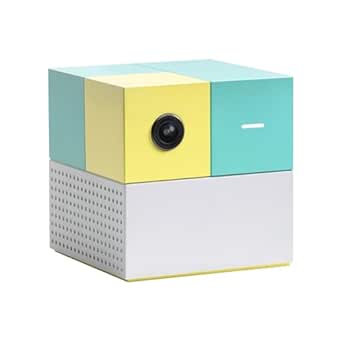 | Best for Active Indoor Group Play | Players: Up to 4 | Included games: Fruit Ninja, Starri, Whac-a-Mole, Go Keeper, and Party Fowl | Age guidance: 5 years and up | VIEW LATEST PRICE | See Our Full Breakdown |
| TOMY Pop Up Super Mario Family Action Game |  | Best for Younger Beginners | Brand: TOMY | Players: 2–4 players or teams | Recommended age: 4 years and up | VIEW LATEST PRICE | See Our Full Breakdown |
| Do You Have Any Farting Unicorns? Silly Go Fish Card Game |  | Best for Travel and Short Rounds | Brand: DSS Games | Players: 2–6 | Recommended age: 4 years and up | VIEW LATEST PRICE | See Our Full Breakdown |
| Hasbro Jenga Game with Digital Die |  | Best for Tension-Filled Family Game Nights | Brand: Hasbro Gaming | Age range: 6 years and up | Players: 1 or more | VIEW LATEST PRICE | See Our Full Breakdown |
| Let’s Go Fishin’ Game by Pressman | 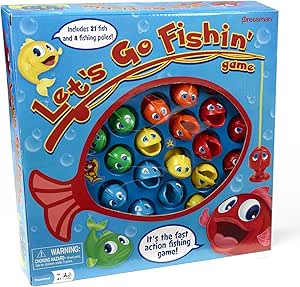 | Best for Fast Play with Younger Kids | Brand: Pressman | Players: 1–4 | Age range: 4 years and up | VIEW LATEST PRICE | See Our Full Breakdown |
| JOYIN 3-in-1 Giant Checkers and Tic-Tac-Toe Game with Reversible Mat |  | Best for Indoor-Outdoor Versatility | Brand: JOYIN | Games: Checkers, tic-tac-toe, giant tic-tac-toe | Players: 2 | VIEW LATEST PRICE | See Our Full Breakdown |
| Hasbro Gaming Operation Electronic Board Game |  | Best for Fine-Motor Challenges | Brand: Hasbro Gaming | Age range: 6 years and up | Players: 1 or more | VIEW LATEST PRICE | See Our Full Breakdown |
| Do You Really Know Your Family? Card Game |  | Best for Family Conversation | Brand: Do You Really Know Your Family? | Age range: 8+ years | Players: 3–8 | VIEW LATEST PRICE | See Our Full Breakdown |
| Hasbro Gaming Trouble Board Game |  | Best for Younger Family Game Nights | Brand: Hasbro | Age range: 5 years and up | Players: 2–4 | VIEW LATEST PRICE | See Our Full Breakdown |
| Bameca Magnetic Chess Game with Full-Size Stones and Rope |  | Best for Portable Push-Your-Luck Play | Brand: Bameca | Minimum age: 4 years and up | Players: 2–4 | VIEW LATEST PRICE | See Our Full Breakdown |
| Ziogogco 48-Piece Balance Stacking Blocks Game |  | Best for Hands-On Family Challenges | Brand: Ziogogco | Material: ABS plastic | Age range: 3–14 years | VIEW LATEST PRICE | See Our Full Breakdown |
| Hasbro Connect 4 Game, 2025 Edition |  | Best Compact Two-Player Game | Brand: Hasbro Gaming | Edition: 2025 Edition | Age range: 6 years and up | VIEW LATEST PRICE | See Our Full Breakdown |
| Potato Head Create Your Family Set with 44 Parts and Pieces |  | Best for Preschool Imaginative Play | Brand: Mr. Potato Head | Manufacturer: Hasbro | Age range: 2 years and up | VIEW LATEST PRICE | See Our Full Breakdown |
| family toy | Brand | Players | Included components | Age range |
|---|---|---|---|---|
| Sorry! Classic Family Board Ga | Hasbro Gaming | 2–4 | Gameboard, 12 pawns, 45 cards, and instructions | — |
| Kollide Magnetic Strategy Boar | Relatable / What Do You Meme? | 2 | 20 magnets, 1 rope/fence piece, and instructions | — |
| Nex Playground Active Play Sys | — | Up to 4 | — | — |
| TOMY Pop Up Super Mario Family | TOMY | 2–4 players or teams | 1 Mario figure, 1 pipe, 24 paddles, and instructions | — |
| Do You Have Any Farting Unicor | DSS Games | 2–6 | — | — |
| Hasbro Jenga Game with Digital | Hasbro Gaming | 1 or more | 54 hardwood blocks, stacking sleeve, instructions | 6 years and up |
| Let’s Go Fishin’ Game by Press | Pressman | 1–4 | 21 colorful fish, 4 plastic fishing poles, deluxe plastic game base, instructions | 4 years and up |
| JOYIN 3-in-1 Giant Checkers an | JOYIN | 2 | Reversible checkerboard mat, 24 checkers (12 red, 12 black) | — |
| Hasbro Gaming Operation Electr | Hasbro Gaming | 1 or more | Gameboard with Cavity Sam, tweezers, 26 cards, 12 Funatomy parts, play money, rubber band, instructions | 6 years and up |
| Do You Really Know Your Family | Do You Really Know Your Family? | 3–8 | — | 8+ years |
| Hasbro Gaming Trouble Board Ga | Hasbro | 2–4 | Gameboard, plastic game unit with Pop-O-Matic die roller, 16 pegs, instructions | 5 years and up |
| Bameca Magnetic Chess Game wit | Bameca | 2–4 | 1 game rope, 20 stones, 1 storage bag | — |
| Ziogogco 48-Piece Balance Stac | Ziogogco | Multiplayer | — | 3–14 years |
| Hasbro Connect 4 Game | Hasbro Gaming | 2 | Grid and tray, 42 discs (21 red and 21 yellow), game rules | 6 years and up |
| Potato Head Create Your Family | Mr. Potato Head | — | 2 large potato bodies, 1 small potato body, 41 accessories | 2 years and up |
More Details on Our Top Picks
Sorry! Classic Family Board Game
Sorry! brings the most direct player-versus-player tension among these picks: cards move pawns around the board, while slides and send-backs can undo an opponent’s progress. That makes each turn feel consequential, unlike the quick, mostly luck-driven surprises in TOMY Pop Up Super Mario. The card choices add some decision-making, though luck still plays a large part, so this is better for families who enjoy friendly rivalry than those seeking a cooperative activity. It accommodates up to four players and suits children six and older. The tradeoff is pacing: the listed 120-minute playing time is much longer than the short rounds of Do You Have Any Farting Unicorns?, and a pawn being returned to start can frustrate younger or less patient players.
Pros:- Card-driven moves add choices beyond simply rolling and moving.
- Slides and send-backs create lively interaction between players.
- Components support games with up to four players.
- Familiar rules make it a straightforward choice for traditional board-game nights.
Cons:- The listed 120-minute playing time is a substantial commitment for a family game.
- A move can send a pawn back to start, which may feel punishing to younger players.
- The competitive setback mechanic may not suit families who prefer cooperative play.
Best for: Families with children six and older who enjoy competitive turn-taking, tactical choices, and a longer game around the table.
Not ideal for: Families looking for a quick activity or children who become upset when an opponent can send their progress back to start.
- Brand:Hasbro Gaming
- Players:2–4
- Recommended age:6 years and up
- Playing time:120 minutes
- Included components:Gameboard, 12 pawns, 45 cards, and instructions
- Language:English
- Edition:Standard Edition
Our verdict“Choose Sorry! if your family enjoys a longer, competitive board game and can take setbacks in stride.”
Kollide Magnetic Strategy Board Game by Relatable
Kollide is the most compact head-to-head strategy option in this group: players take turns placing magnets inside a rope boundary and try to avoid letting them touch. Its small set of pieces makes setup and storage simpler than Sorry!, while the magnetic tension gives each placement an immediate consequence. The format is strictly for two players, though, so it cannot include a whole family in one round the way TOMY Pop Up Super Mario can with up to four. The product information also gives conflicting age guidance—eight years and up in one description, while the manufacturer lists 14+—so I would check the packaging and supervise younger players. Small magnets present a serious choking hazard for young children, and the simple central mechanic may feel repetitive to players who want a deeper game.
Pros:- Compact components make it easy to store and take along.
- Magnetic placement creates a distinctive mix of planning and suspense.
- Simple setup lets players begin without assembling a large board.
- Focused two-player format gives each move a clear tactical purpose.
Cons:- Only two players can take part in a game.
- Small magnets pose a choking hazard for young children.
- Age guidance conflicts between the description and manufacturer listing.
- The limited mechanics may offer less variety than larger board games.
Best for: Two older children, teens, or adults who want a portable, quick-to-set-up strategy game for head-to-head play.
Not ideal for: Families with toddlers or preschoolers, groups of more than two, or players seeking a varied game with evolving rules.
- Brand:Relatable / What Do You Meme?
- Model:Kollide
- Players:2
- Age guidance:Description lists 8+; manufacturer listing states 14+
- Included components:20 magnets, 1 rope/fence piece, and instructions
- Manufacturer part number:KLDE4056
- UPC:810192984862
Our verdict“Pick Kollide for portable, two-player tactical play, but keep its small magnets away from young children and verify the age guidance.”
Nex Playground Active Play System
Nex Playground shifts family play from the table to the living room: its built-in camera tracks body movement, so players use no controllers, and up to four can join the action at once. That makes it the movement-focused choice here, unlike the seated card and board games such as Sorry! or Do You Have Any Farting Unicorns?. Five games are included, including Fruit Ninja and Whac-a-Mole, giving families activities to start with; access to the broader catalog and monthly additions requires a separate Play Pass purchase. The console connects to a TV or projector by HDMI and is described as suitable from age five. It needs a screen and power, so it is less spontaneous than a pocket card deck, and active play needs clear indoor space. Families who want a purely physical toy or dislike subscription-dependent content should look elsewhere.
Pros:- Controller-free motion tracking lets players use natural body movements.
- Supports up to four players for shared active play.
- Five games are included, offering several activities without an additional game purchase.
- Compact unit connects to a TV or projector through HDMI.
Cons:- The full game catalog and new monthly games require a separate Play Pass.
- Play depends on a TV or projector, HDMI connection, and corded power.
- Active games need enough clear indoor space for players to move safely.
Best for: Families with children five and older who have a TV, clear indoor play space, and want several people moving together.
Not ideal for: Buyers seeking a screen-free toy, families without an available TV or projector, or anyone unwilling to pay separately for expanded game access.
- Players:Up to 4
- Included games:Fruit Ninja, Starri, Whac-a-Mole, Go Keeper, and Party Fowl
- Age guidance:5 years and up
- Display connection:HDMI to a TV or projector
- Motion input:Built-in camera; no controllers required
- Power source:Corded electric
- Storage capacity:64 GB
- Dimensions:3 × 3 × 3 inches
- Weight:13.76 ounces
Our verdict“Choose Nex Playground if you want group movement-based play at home and are comfortable with the screen, space, and optional subscription requirements.”
TOMY Pop Up Super Mario Family Action Game
TOMY Pop Up Super Mario is the easiest entry point for younger family players, with an age recommendation of four and rules built around choosing paddles until Mario pops from the pipe. Its three modes—Classic, Coin Collection, and Team Play—add variety without the long card-driven turns of Sorry!. Up to four people can play, and team rules offer a way to share the moment rather than simply compete individually. The surprise pop-up mechanic keeps turns simple, but it also means the game relies more on anticipation and chance than on sustained strategy; older players may tire of it sooner than they would of Kollide. The 24 paddles and Mario figure make it a hands-on tabletop activity, though the small parts call for care around children younger than the recommended age.
Pros:- Recommended from age four, making it accessible to younger players.
- Three modes offer different ways to play with the same components.
- Team Play can involve players together rather than relying only on individual competition.
- Quick setup and simple rules suit casual family sessions.
Cons:- The pop-up outcome depends heavily on chance, limiting strategic choices.
- The simple central mechanic may lose appeal for older players.
- Small paddles should be kept away from children below the recommended age.
Best for: Families introducing preschoolers and early elementary-age children to turn-taking games, especially households with Mario fans.
Not ideal for: Older children and adults seeking strategic depth, or families who want a game with longer-term decision-making rather than a pop-up surprise.
- Brand:TOMY
- Players:2–4 players or teams
- Recommended age:4 years and up
- Play modes:Classic Play, Coin Collection, and Team Play
- Included components:1 Mario figure, 1 pipe, 24 paddles, and instructions
- Educational objectives:Decision-making, color recognition, and speech development
- Dimensions:9.45 × 6.5 × 6.1 inches
- Weight:11.04 ounces
Our verdict“Choose Pop Up Super Mario for an easy, playful first board game with younger children, not for families seeking deep strategy.”
Do You Have Any Farting Unicorns? Silly Go Fish Card Game
This Go Fish twist is the easiest game here to bring along: its 52-card deck fits in a pocket, supports two to six players, and takes about five to 15 minutes per round. Familiar matching rules and bold illustrations help non-readers join in, unlike Kollide, which is restricted to two players and asks for more careful tactical placement. Its short rounds also make it easier to fit into a trip or a brief family break than the listed 120-minute Sorry! session. The main tradeoff is its humor: farting unicorns and other potty jokes will delight some children and put off some adults. Matching cards offers little strategic depth, so families who want evolving decisions or a longer challenge may prefer a board game.
Pros:- Pocket-sized deck is convenient for travel and small storage spaces.
- Short rounds fit brief play sessions and make it easy to play again.
- Go Fish-style rules are familiar and quick to explain.
- Illustrations help non-readers and early readers take part.
Cons:- Potty humor may not suit every family or setting.
- Matching-focused play offers limited strategic depth.
- Repeated phrases and the same basic mechanic may feel repetitive over time.
Best for: Families with children four and older who want a portable, short, easy-to-learn game for travel or gatherings of up to six.
Not ideal for: Adults who dislike potty humor, or families seeking strategic gameplay that holds older players’ attention over longer sessions.
- Brand:DSS Games
- Players:2–6
- Recommended age:4 years and up
- Cards:52 cards and 1 rules card
- Game duration:5–15 minutes
- Model number:R007774
- UPC:859575007774
Our verdict“Pick this card game for brief, portable play with young children if your family enjoys silly potty humor.”
Hasbro Jenga Game with Digital Die
Jenga’s simple rules make it easy for a mixed-age family to start playing, while the digital die adds six challenges for groups that want more than the classic block-pulling routine. Its 54 hardwood blocks give the tower a physical, hands-on feel that contrasts with the screen-based activity of Nex Playground. Compared with Operation, Jenga asks for fewer small-piece maneuvers at the start, but its challenge grows as the tower becomes unstable and players need a careful touch. The included stacking sleeve helps with setup and packing, though the digital challenges call for a phone to scan a QR code or open a web app. I’d choose it for families who enjoy suspense and turn-taking, not players seeking a purely screen-free experience.
Pros:- Six digital die challenges add variety to classic block-stacking play.
- Can be played solo or with a group.
- Stacking sleeve helps with setup and storage.
- Compact packaging suits travel and family game nights away from home.
Cons:- Digital challenges require a phone to scan a QR code or access a web app.
- The tower gets less steady as blocks are removed, which can frustrate players who dislike dexterity challenges.
Best for: Families with children ages 6 and up who want a portable, turn-based game that gets more suspenseful as play continues.
Not ideal for: Households that want every game feature to work without a phone, or players who prefer low-pressure play without the risk of knocking over a tower.
- Brand:Hasbro Gaming
- Age range:6 years and up
- Players:1 or more
- Included components:54 hardwood blocks, stacking sleeve, instructions
- Digital die challenges:6
- Material:Hardwood blocks; product information also lists plastic
- Model number:G1499
Our verdict“Choose Jenga if your family wants a portable, suspenseful group game and is comfortable using a phone for its bonus challenges.”
Let’s Go Fishin’ Game by Pressman
Let’s Go Fishin’ turns a simple catch-and-release idea into a quick dexterity contest: the pond rotates, fish open and close their mouths, and players try to hook them with mini poles. That active rhythm suits younger children who may find Jenga’s increasingly careful turns slow or tense. The game supports one to four players, so a child can practice alone or compete with family, though the listed 30-minute playing time makes it less of a quick round than its fast-action premise might suggest. The rotating base and colorful fish give it a more hands-on, kinetic feel than the conversation-focused Do You Really Know Your Family? Card Game. The tradeoff is battery dependence: it needs a C battery that isn’t included, and the plastic pieces may not hold up to rough handling.
Pros:- Rotating pond and moving fish turn hand-eye coordination into active play.
- Supports one to four players, including solo play.
- Simple, competitive gameplay is accessible to younger children.
- Portable format works for home play and trips.
Cons:- Requires one C battery, which is not included.
- Plastic components may be susceptible to breakage with rough handling.
- The listed playing time is 30 minutes, which may feel long for a game built around quick turns.
Best for: Families with children ages 4 and up who want a lively dexterity game that can also be played solo.
Not ideal for: Families who want a battery-free activity or need durable pieces for frequent rough play.
- Brand:Pressman
- Players:1–4
- Age range:4 years and up
- Playing time:30 minutes
- Included components:21 colorful fish, 4 plastic fishing poles, deluxe plastic game base, instructions
- Power source:1 C battery (not included)
- Edition:Classic Edition
Our verdict“Pick Let’s Go Fishin’ for younger players who enjoy quick, hands-on competition and have a C battery ready.”
JOYIN 3-in-1 Giant Checkers and Tic-Tac-Toe Game with Reversible Mat
Three classic games in one set give this JOYIN mat more variety than a single-purpose tabletop game: families can switch between checkers, standard tic-tac-toe, and giant tic-tac-toe using the reversible board. At 25.5 inches square, it creates a larger play area than compact card games such as Do You Really Know Your Family?, and the plastic pieces and mat suit indoor or outdoor use. That flexibility is useful for families who want to take game time onto a patio or floor without bringing a traditional board. The main limitation is player count: this is a two-player set, so it won’t involve a whole family at once like Let’s Go Fishin’. Its broad, simple games also offer less variety in challenge than the digital challenges in Jenga.
Pros:- Combines checkers, tic-tac-toe, and giant tic-tac-toe in one set.
- Reversible mat supports different games and indoor or outdoor play.
- Includes 24 pieces in two colors.
- Plastic pieces are described as non-toxic and non-BPA.
Cons:- Designed for two players, limiting its use for larger family groups.
- The game selection centers on classic, relatively simple formats rather than varied challenge levels.
Best for: Families who want a portable, wipeable set for two players that can move between the floor, patio, and other play spaces.
Not ideal for: Families looking for a game that keeps three or more players involved at the same time.
- Brand:JOYIN
- Games:Checkers, tic-tac-toe, giant tic-tac-toe
- Players:2
- Recommended minimum age:36 months
- Mat dimensions:25.5 × 25.5 inches
- Included components:Reversible checkerboard mat, 24 checkers (12 red, 12 black)
- Checker width:Approximately 2.8 inches
- Material:Plastic
- Weight:0.58 kg
Our verdict“Choose this set if you want a flexible two-player game for indoor and outdoor play, but skip it when everyone needs a turn at once.”
Hasbro Gaming Operation Electronic Board Game
Operation makes careful hand control the main event: players use tweezers to remove 12 ailment pieces without touching the metal edges, which triggers a buzzer and lights Cavity Sam’s nose. That focused challenge sets it apart from the broader, more physical play of Let’s Go Fishin’, while its cards and play money add a win condition beyond simply completing a task. It supports solo or group play and is aimed at ages 6 and up, making it a fit for families who enjoy suspenseful turns and a little friendly pressure. Compared with Jenga, the challenge is concentrated in small, precise movements rather than managing a whole structure. The tradeoffs are a steady-hand requirement and two D batteries, so it suits patient players better than anyone seeking relaxed, battery-free play.
Pros:- Twelve ailment pieces create a focused fine-motor challenge.
- Can be played solo or with a group.
- Cards and play money add a competitive scoring element.
- Instructions are provided in English and Spanish.
Cons:- Requires two D batteries.
- Players need a steady hand to avoid triggering the buzzer.
- The small pieces and careful tweezers play may be difficult for children who struggle with precise movements.
Best for: Families with children ages 6 and up who enjoy precision challenges, buzzer suspense, and a clear competitive goal.
Not ideal for: Players who find fine-motor tasks frustrating, or families who want a battery-free game with fewer small pieces.
- Brand:Hasbro Gaming
- Age range:6 years and up
- Players:1 or more
- Included components:Gameboard with Cavity Sam, tweezers, 26 cards, 12 Funatomy parts, play money, rubber band, instructions
- Skills:Fine motor coordination and strategy
- Batteries:2 D batteries required
- Instruction languages:English and Spanish
Our verdict“Choose Operation for a family that enjoys careful, competitive dexterity play, but not for players who want a relaxed game or dislike battery-powered toys.”
Do You Really Know Your Family? Card Game
This card game makes conversation the activity, using trivia-style questions and silly challenges to prompt family members to share answers and learn more about one another. That gives it a different role from Jenga or Operation, where the fun centers on physical dexterity and suspense. Its simple rules and portable tin make it easy to bring to a family game night or on a trip, with no batteries or board setup. It is designed for ages 8 and up and needs at least three players, so it works best when a small group can join in rather than as a parent-and-child two-player activity. Families looking for an outdoor or action-oriented toy may prefer Let’s Go Fishin’; this pick is better for indoor gatherings where talking and playful challenges are welcome.
Pros:- Questions and silly challenges encourage family conversation.
- Simple rules make it quick to start.
- Portable tin is convenient for travel and storage.
- Requires no batteries.
Cons:- Requires at least three players to function effectively.
- Designed for indoor use rather than active or outdoor play.
- Cardstock components offer a different kind of play than hands-on dexterity games such as Operation.
Best for: Families with children ages 8 and up who can gather at least three players and want a low-setup game built around conversation.
Not ideal for: Two-player households, younger children under the listed age range, or families seeking active outdoor play.
- Brand:Do You Really Know Your Family?
- Age range:8+ years
- Players:3–8
- Material:Cardstock
- Dimensions:2 × 4.7 × 6.7 inches
- Container type:Tin
- Theme:Trivia
- Battery required:No
Our verdict“Pick this card game for an indoor group of three or more who want conversation and playful challenges rather than physical activity.”
Hasbro Gaming Trouble Board Game
Trouble is the easiest pick here for a quick, shared board-game session: its Pop-O-Matic keeps the die contained, and the race-to-the-finish rules are simple for many children to grasp. Compared with Connect 4, it accommodates up to four players rather than only two, making it a better fit when siblings or parents want to join the same game. Its Power Up spaces add a little variety without changing the basic format. The tradeoff is that play depends heavily on random rolls, and sending a peg back to start can frustrate children who were close to finishing. Older players seeking sustained tactical choices may prefer Bameca Magnetic Chess; Trouble is better for accessible, lively family play than strategic depth.
Pros:- Pop-O-Matic keeps the die attached to the game and gives younger players a satisfying way to roll.
- Simple rules and quick setup make it approachable for new board-game players.
- Supports two to four players, unlike the two-player Connect 4.
- Classic and Power Up modes offer a choice between straightforward play and a tougher variation.
Cons:- Random rolls can undo progress and frustrate players.
- The straightforward race mechanic may feel repetitive to older children and adults.
- Offers less strategic depth than Bameca Magnetic Chess.
Best for: Families with children around five and older who want a simple board game that lets two to four people play together.
Not ideal for: Families seeking a strategy-heavy game or a low-frustration option for children upset by random setbacks and being sent back to start.
- Brand:Hasbro
- Age range:5 years and up
- Players:2–4
- Edition:Classic Edition
- Included components:Gameboard, plastic game unit with Pop-O-Matic die roller, 16 pegs, instructions
- Gameplay modes:Classic rules and Power Up spaces variant
- Model number:A5064
Our verdict“Choose Trouble for an easy, up-to-four-player family game with tactile dice play, but skip it if your group wants strategy with less luck.”
Bameca Magnetic Chess Game with Full-Size Stones and Rope
Bameca brings a different kind of family challenge: players place magnetic stones inside a rope boundary and try not to trigger an attraction. That push-your-luck tension makes each move matter more than a typical race game like Trouble, while the compact set and storage bag suit travel or camping. It supports two to four players and lists an age range starting at four, so it can bring mixed-age groups together, though younger children need close supervision around the small magnets. Unlike Connect 4, there is no fixed grid or familiar four-in-a-row goal; the appeal is tactical placement and nerve. The package includes no rulebook, which may leave families with questions about how to play, and its small parts are a poor match for homes with children who still mouth toys.
Pros:- Compact set and storage bag make it easy to pack for trips and outdoor outings.
- Push-your-luck placement gives players a different challenge from Trouble’s dice-driven race.
- Supports two to four players.
- Includes 20 full-size stones and a rope for defining the play area.
Cons:- Small magnets pose a choking hazard and call for supervision around young children.
- No rulebook is included, so families may need to work out the rules themselves.
- The 2–4 player limit excludes larger groups.
Best for: Families with children old enough to handle small magnetic pieces who want a compact, portable group game with tactical, push-your-luck turns.
Not ideal for: Households with toddlers or families who want printed instructions and a familiar, structured board-game format.
- Brand:Bameca
- Minimum age:4 years and up
- Players:2–4
- Materials:Plastic, stone
- Weight:0.34 kg
- Dimensions:7.48 × 0.59 × 0.1 inches
- Included components:1 game rope, 20 stones, 1 storage bag
- Game mechanics:Push-your-luck, tactical placement
Our verdict“Pick Bameca for portable, tactical family play if everyone can safely handle small magnets and your group is comfortable without included instructions.”
Ziogogco 48-Piece Balance Stacking Blocks Game
This stacking game turns family play into a shared test of steady hands, with 48 bricks, a base, and draw cards that can add direction to each turn. The card prompts give it more variation than simply taking turns building a tower, while its travel bag makes it easier to bring along than a larger tabletop setup. Compared with Trouble, Ziogogco asks players to focus on balance and hand control instead of racing pieces around a board; that makes it a better fit for families who want a physical, watch-the-tower challenge. The listed age range is broad, but small components still need care around very young children. The ABS plastic is suited to durable play, though it lacks the traditional feel of wooden blocks, and pieces can go missing if cleanup is rushed.
Pros:- Draw cards add variety to the balance challenge beyond ordinary tower building.
- ABS plastic is described as resistant to chipping and damage.
- A storage bag and compact set make it practical for travel.
- Encourages hand-eye coordination, concentration, and planning.
Cons:- Plastic bricks may feel less substantial than traditional wooden blocks.
- Small pieces can be lost without careful storage.
- The included components require more sorting and packing than a self-contained game such as Connect 4.
Best for: Families with children ages three to fourteen who want a portable, hands-on game that rewards concentration and careful movement.
Not ideal for: Buyers who prefer the feel of wooden blocks, or households that need a game with no small pieces to keep track of.
- Brand:Ziogogco
- Material:ABS plastic
- Age range:3–14 years
- Players:Multiplayer
- Pieces:48 bricks, 1 base, 22 cards
- Colors:Blue, red, green, yellow
- Dimensions:6.69 × 5.51 × 2.75 inches
- Storage:Travel storage bag
Our verdict“Choose Ziogogco for portable, hands-on family play with card-driven variety, provided your group is comfortable keeping track of many small pieces.”
Hasbro Connect 4 Game, 2025 Edition
Connect 4 is the clearest choice for two people who want a fast, tactical contest: each disc placement can build a line or block an opponent, so turns offer more direct choices than the luck-led movement in Trouble. The 2025 edition folds into a handled case, stores its discs inside, and includes sliding trackers for round wins. That built-in storage makes it more travel-friendly than a loose-piece game such as Ziogogco’s Balance Stacking Blocks, though the discs still need to be returned to the tray to avoid losses. Its main limitation is also its defining format: it is designed for exactly two players. Families hoping for one game everyone can join at once should look to Trouble or Bameca instead. Short rounds make it easy to fit in a quick rematch, but this is not a group game.
Pros:- Folds into a handled carrying case for easier transport.
- Built-in disc storage helps keep the pieces together between games.
- Sliding score trackers make it simple to follow round wins.
- Quick setup and short rounds suit brief play sessions.
Cons:- Designed for two players only.
- Small discs can be lost if they are not returned to the tray.
- Offers less group participation than Trouble or Bameca.
Best for: Two-player households, siblings, or a parent and child who want a portable strategy game with quick rounds and built-in score tracking.
Not ideal for: Families needing a game for three or more players, or anyone who tends to leave small pieces outside their storage tray.
- Brand:Hasbro Gaming
- Edition:2025 Edition
- Age range:6 years and up
- Players:2
- Included components:Grid and tray, 42 discs (21 red and 21 yellow), game rules
- Storage:Folding grid with built-in disc storage
- Scorekeeping:Sliding score trackers
- Model number:G1500
Our verdict“Choose Connect 4 for portable, head-to-head strategy and built-in scorekeeping, but pick another game if more than two people need to play.”
Potato Head Create Your Family Set with 44 Parts and Pieces
Create Your Family is the most open-ended pick in this group for toddlers and preschoolers: instead of competing to win, children mix accessories across three potato bodies and invent their own characters. That makes it a better fit for free-form pretend play than Connect 4, which depends on taking turns and following a fixed goal. Built-in storage compartments in the bodies help contain the 41 accessories after play, and compatibility with most Potato Head toys can expand play for families who already own the line. The tradeoff is that some small parts call for supervision around very young children, despite the set’s two-and-up age range. It also offers less structured group gameplay than Trouble, so families seeking a shared game with rules and a clear winner should choose something else.
Pros:- Three potato bodies and 41 accessories offer many combinations for imaginative play.
- Storage compartments inside the bodies make cleanup easier.
- Compatible with most Potato Head toys, giving existing owners room to mix sets.
- Designed for children ages two and up.
Cons:- Small accessories may need supervision for younger children.
- Expansion through other Potato Head sets requires separately purchased toys.
- Does not provide the structured, shared competition found in Trouble or Connect 4.
Best for: Families with toddlers and preschoolers who want creative, screen-free pretend play and a set with built-in places to store accessories.
Not ideal for: Buyers seeking a rule-based game for family competition, or caregivers who want play with no small accessories to supervise.
- Brand:Mr. Potato Head
- Manufacturer:Hasbro
- Age range:2 years and up
- Piece count:44
- Included components:2 large potato bodies, 1 small potato body, 41 accessories
- Compatibility:Compatible with most Potato Head toys
- Model number:F9408
Our verdict“Choose this set for preschoolers who enjoy inventing characters and can use the small accessories safely, rather than for families seeking a competitive game.”

How We Picked
I compared these 15 options as shared family activities, rather than judging them only by their individual gameplay. The main criteria were how quickly a mixed-age group can get started, whether the play supports cooperation or friendly competition, how well the format fits different group sizes, and how much space or setup it asks of a household. I also weighed replay potential, tactile or active appeal, and whether the toy is likely to suit more than one occasion.
The ranking favors versatility and low-friction play: options that can bring a family together without a steep rules burden or specialized setup rank ahead of more specific picks. The list still includes focused choices for active play, younger children, strategy fans, and conversation-led gatherings. Those options rank lower overall not because they lack appeal, but because they suit narrower ages, moods, spaces, or play styles. Build, cleanup, and age fit matter too, since a toy that is hard to store or mismatched to the youngest player may see less family use.
Factors to Consider When Choosing Best Family Toys
Choosing a family toy is less about finding one activity everyone loves equally and more about matching the format to your household’s routines. I would start with who will play, how much time and space are available, and whether your family prefers movement, conversation, luck, or strategy.
Match the game to the age spread
Look beyond the youngest player’s ability to follow the rules and ask whether older players will stay engaged too. Simple mechanics can help children join in, but a game built entirely around luck may feel brief for adults who want meaningful choices. For a wide age range, prioritize rules that are easy to explain while leaving room for suspense, social interaction, or changing outcomes. Check the maker’s age guidance and consider how much help a child may need with reading, dexterity, or turn-taking. A common mistake is buying for the child who requested the toy without checking whether siblings can comfortably participate. When age gaps are large, having a quick game available alongside a more strategic option can work better than expecting one toy to fit every occasion.
Choose a play format your family will actually use
Active systems, board games, card games, and building toys create different kinds of family time. A movement-based option can help break up a rainy afternoon, while a compact card game is easier to pull out before dinner or on a trip. Conversation games can suit relatives who prefer talking over keeping score, whereas abstract strategy games appeal to players who enjoy planning. Think about your household’s usual energy level and how often everyone can gather at once. Buying a toy because it sounds exciting can backfire if its format does not fit your regular routine. A practical choice is one that complements the play your family already enjoys, or offers a clear alternative when everyone wants something different.
Check space, setup, and storage before buying
Family play can take place around a small table, on the floor, or across a room, and those settings are not interchangeable. Before choosing a large mat or active-play system, measure the area where it will be used and think about nearby furniture and breakable objects. Small games are easier to store and bring out, but pieces can be easier to lose, especially in homes with younger children. For any toy with multiple components, consider where the pieces will go between sessions and how long setup takes. A good rule is to choose based on the space you can reliably make available, not the biggest room you might use once. This can prevent an engaging toy from becoming inconvenient to set up or put away.
Decide how much competition feels right
Competition can give a family game energy, but the right level depends on the group. Direct take-that mechanics and elimination can frustrate players who dislike setbacks, especially when turns are long or children are still learning to lose gracefully. Cooperative play, shared challenges, and conversation prompts can shift attention from winning toward participating, though some players may prefer a clear contest. Consider whether your family enjoys surprises and tactical decisions, or would rather keep outcomes light. A frequent buying mistake is assuming that a toy labeled for families will suit every temperament. If competitive moods vary, favor games with short rounds or low-stakes outcomes so a difficult turn does not define the whole gathering.
Balance replay value with variety
Replay value comes from more than a large number of pieces: changing decisions, new combinations, social responses, and different player counts can all keep a toy fresh. A familiar classic may be easy to revisit, while a novelty game can create an immediate laugh but depend on the group’s sense of humor. For family collections, variety across formats can matter more than buying several toys that all deliver the same kind of competition. Think about whether the toy can work with two players as well as a larger group, and whether it remains enjoyable when the same people play repeatedly. If your family tires of repeated routines, prioritize flexible play or pair a simple option with one that rewards learning. The best choice is not always the one with the most rules; it is the one that fits how often your family will return to it.
Know when a more involved option is worth it
A toy that needs more room, setup, or adult involvement can still be the right choice if it fills a specific gap in family play. Movement-focused systems may suit households seeking screen-based activity, while larger floor games can help a group play together away from a table. In contrast, a low-setup card or board game is usually easier to use spontaneously. Consider the ongoing effort as well as the initial appeal: charging, keeping pieces together, explaining rules, or clearing space can affect how often a toy gets used. Paying for added complexity makes sense when the family will use that feature regularly, not just because it sounds more elaborate. For first-time buyers, a straightforward game is often a safer starting point; experienced game-night households may get more from a specialized pick.
Frequently Asked Questions
Which of these family toys is easiest to bring out for a short game?
For a brief session, look for a game with compact components, simple setup, and rounds that can end cleanly. Small card and tabletop games are generally easier to fit into a short window than a room-scale activity or a longer strategy session. The best fit also depends on whether players can learn the rules quickly without an adult explaining each turn. If family time is often interrupted, choose something that is easy to pause or restart. That may matter more than having the deepest gameplay.
What should I choose if adults and young children will play together?
Start with the youngest child’s ability to participate, then check whether the play still gives older players something to enjoy. Hands-on games and clear, short-turn formats can help children stay involved, while conversation or light strategy can add interest for adults. Be realistic about reading, fine-motor skills, and how long a child can wait between turns. An age recommendation is a useful starting point, but it cannot account for every child’s experience. If adults are willing to help with rules, a wider range of games can work than a child could manage independently.
Is an active-play system a better choice than a board game for family time?
It depends on whether your family wants movement or a seated shared activity. An active-play system can make indoor time more energetic and may suit households looking for a physical alternative to a conventional game night. It also needs room and more setup than a small board game, so it may be less convenient for spontaneous play. A tabletop game is easier to store and can work in a smaller home, but it will not provide the same movement. Choose the format your family will use repeatedly, rather than the one that sounds most novel.
Are classic games a better family purchase than newer or novelty games?
Classic games often have an advantage in familiarity: returning players may already know the rules, which makes it easier to start. Novelty games can bring a different social tone or mechanic, which is useful if your family already owns several traditional board games. Neither type is automatically more replayable; that depends on whether players enjoy repeating the same challenge. Consider what is missing from your current collection before buying another familiar format. A new style can add more variety than a second game that fills the same role.
How can I choose a family game when not everyone likes losing?
Look for shorter rounds, playful outcomes, or activities where the group can focus on conversation and participation rather than only the final winner. Direct competition can be fun for some families but uncomfortable for players who take setbacks personally. Explain the rules before starting and, where possible, let younger players practice without pressure. A game that can be reset quickly makes a rough round easier to move past. It can also help to keep a cooperative or low-stakes alternative on hand for mixed moods.
Conclusion
For the broadest mix of shared play, my best overall recommendation is Sorry! Classic Family Board Game, thanks to its approachable, competitive format. Best value for a household seeking multiple ways to play is JOYIN 3-in-1 Giant Checkers and Tic-Tac-Toe, though it needs floor space. For a more involved, movement-led experience, Nex Playground is my best premium-style pick; choose it only if your home has room for active play. Best for beginners is TOMY Pop Up Super Mario for families seeking a straightforward, hands-on game for younger players. For specific needs, pick Do You Really Know Your Family? for conversation, Kollide or Bameca chess for strategic play, and Potato Head Create Your Family Set for open-ended, tactile play. Match the choice to your family’s age range, available space, and usual energy, and you will have a clearer path to a toy people actually want to play together.