

Starting your parenting journey can feel overwhelming, and choosing the right early parenting books is essential for building confidence and understanding your baby’s development. The best overall pick is The Sears Baby Book, Revised Edition, which offers comprehensive guidance from birth through age two. For those seeking a more mindful approach, Raising Good Humans stands out, emphasizing emotional intelligence and mindful parenting. Comparing these options reveals a tradeoff between detailed, traditional advice and more modern, psychological insights. Keep reading for a full breakdown of the best books to support your early parenting efforts in 2026.

Get baby and family essentials delivered free — and shop member deals
- Fast, free delivery on millions of items
- Access to Prime Big Deal Days deals on October 6–7
- Prime Video, Amazon Music and more included
Complete the kit


Key Takeaways
- The top-rated books balance practical advice with developmental science, helping parents feel more confident.
- Many highly rated options focus on emotional intelligence and mindful parenting to foster healthier parent-child relationships.
- Some books prioritize straightforward, easy-to-follow guidance, making them better suited for first-time parents.
- Price and depth vary significantly; more comprehensive guides tend to be more expensive but offer broader insights.
- Choosing the right book depends on your parenting style—whether you prefer traditional methods or modern, psychological approaches.
| The Sears Baby Book, Revised Edition: Everything You Need to Know About Your Baby from Birth to Age Two |  | Best Overall for New Parents Seeking Comprehensive Guidance | Target Age Range: Birth to 2 years | Author: William Sears, Martha Sears | Edition: Revised Edition | VIEW ON AMAZON | See Our Full Breakdown |
| Good Inside: A Guide to Becoming the Parent You Want to Be |  | Best for Compassionate, Relationship-Focused Parenting | Target Audience: Parents interested in emotional connection | Focus: Parent-child relationship, emotional intelligence | Approach: Compassionate, practical advice | VIEW ON AMAZON | See Our Full Breakdown |
| Raising Good Humans: A Mindful Guide to Breaking the Cycle of Reactive Parenting and Raising Kind, Confident Kids |  | Best for Mindful, Emotionally Intelligent Parenting | Target Audience: Emotionally conscious parents | Focus: Mindfulness, emotional intelligence | Approach: Practical exercises and character-building | VIEW ON AMAZON | See Our Full Breakdown |
| The Simplest Baby Book in the World: The Illustrated, Grab-and-Do Guide for a Healthy, Happy Baby |  | Best for Visual, Easy-to-Follow Guidance for New Parents | Target Audience: First-time parents | Focus: Basic baby care, routines | Format: Illustrated guide | VIEW ON AMAZON | See Our Full Breakdown |
| Mayo Clinic Guide to Your Baby’s First Years, 3rd Edition |  | Best for Medical, Evidence-Based Guidance | Target Age: Birth to 3 years | Author: Mayo Clinic Staff | Edition: 3rd Edition | VIEW ON AMAZON | See Our Full Breakdown |
| Bright from the Start: The Simple, Science-Backed Way to Nurture Your Child’s Developing Mind from Birth to Age 3 |  | Best for Evidence-Based Early Development Strategies | Author: Jill Stamm | Focus: Birth to age 3 | Approach: Science-backed strategies | VIEW ON AMAZON | See Our Full Breakdown |
| No-Drama Discipline: The Whole-Brain Way to Calm the Chaos and Nurture Your Child’s Developing Mind |  | Best for Practical Discipline and Emotional Growth | Author: Dan Siegel and Tina Payne Bryson | Focus: Whole-brain development | Approach: Emotionally intelligent discipline | VIEW ON AMAZON | See Our Full Breakdown |
| Tiny Humans, Big Emotions: How to Navigate Tantrums, Meltdowns, and Defiance to Raise Emotionally Intelligent Children |  | Best for Managing Children’s Strong Emotions | Author: Sharon S. Bayliss | Focus: Emotional regulation | Approach: Practical strategies | VIEW ON AMAZON | See Our Full Breakdown |
| Mayo Clinic Guide to Your Baby’s First Years, 2nd Edition | 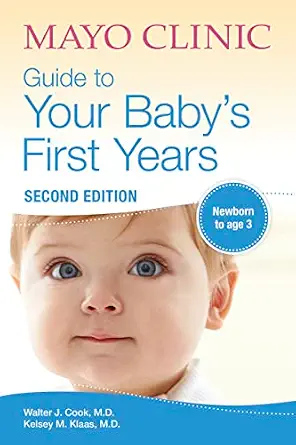 | Best for Trusted Medical and Parenting Advice | Author: Mayo Clinic Experts | Focus: Health and safety | Approach: Medical guidance | VIEW ON AMAZON | See Our Full Breakdown |
| Cribsheet: A Data-Driven Guide to Better, More Relaxed Parenting, from Birth to Preschool |  | Best for Evidence-Based, Stress-Reducing Parenting | Author: Gretchen Rubin | Focus: Data-driven parenting | Approach: Evidence-based advice | VIEW ON AMAZON | See Our Full Breakdown |
| Moms on Call Basic Baby Care 0-6 Months, 20th Anniversary Edition |  | Best for New Parents Seeking Clear Routines | Target Age: 0-6 months | Edition: 20th Anniversary | Content Focus: Practical routines and tips | VIEW ON AMAZON | See Our Full Breakdown |
| The Sears Baby Book: Everything You Need to Know About Your Baby from Birth to Age Two |  | Best for Comprehensive Early Childhood Coverage | Coverage: Birth to age 2 | Authorship: Trusted pediatricians | Content Focus: Health, development, parenting tips | VIEW ON AMAZON | See Our Full Breakdown |
| Brain Rules for Baby: How to Raise a Smart and Happy Child from Zero to Five |  | Best for Neuroscience-Informed Parenting Strategies | Focus: Neuroscience and child development | Target Age: Birth to five | Edition: Updated and expanded | VIEW ON AMAZON | See Our Full Breakdown |
| The Whole-Brain Child: 12 Revolutionary Strategies to Nurture Your Child’s Developing Mind |  | Best for Emotional and Cognitive Development | Target Age: Toddler to early school age | Focus: Emotional and cognitive development | Authors: Child psychology experts | VIEW ON AMAZON | See Our Full Breakdown |
| early parenting book | Focus | Format | Author | Pages |
|---|---|---|---|---|
| The Sears Baby Book | Parenting, health, development | Paperback | William Sears, Martha Sears | 400+ |
| Good Inside: A Guide to Becomi | Parent-child relationship, emotional intelligence | Hardcover, ebook | L.R. Knost | 320 |
| Raising Good Humans: A Mindful | Mindfulness, emotional intelligence | Paperback | Alison Green | 250 |
| The Simplest Baby Book in the | Basic baby care, routines | Illustrated guide | Various illustrators | 100 |
| Mayo Clinic Guide to Your Baby | Health, growth, development | Hardcover | Mayo Clinic Staff | 350+ |
| Bright from the Start: The Sim | Birth to age 3 | Print, digital | Jill Stamm | 240 |
| No-Drama Discipline: The Whole | Whole-brain development | Print, digital | Dan Siegel and Tina Payne Bryson | 288 |
| Tiny Humans | Emotional regulation | Sharon S. Bayliss | 240 | |
| Mayo Clinic Guide to Your Baby | Health and safety | Mayo Clinic Experts | 400 | |
| Cribsheet: A Data-Driven Guide | Data-driven parenting | Gretchen Rubin | 320 | |
| Moms on Call Basic Baby Care 0 | — | Print, no digital content | — | — |
| The Sears Baby Book: Everythin | — | Print, no digital features | — | — |
| Brain Rules for Baby: How to R | Neuroscience and child development | — | — | — |
| The Whole-Brain Child: 12 Revo | Emotional and cognitive development | — | — | — |
More Details on Our Top Picks
The Sears Baby Book, Revised Edition: Everything You Need to Know About Your Baby from Birth to Age Two
This edition of The Sears Baby Book stands out for its thorough coverage of baby care from birth through age two. Compared with the Mayo Clinic Guide to Your Baby’s First Years, it offers more detailed parenting tips rooted in pediatric expertise, making it ideal for parents who want a one-stop resource. Its strengths lie in its broad scope, trusted advice, and practical tips, but it lacks recent updates or specific features that address modern parenting nuances. The book’s comprehensive approach helps parents navigate health, feeding, sleep, and development, but its broad coverage may feel overwhelming for those seeking quick, targeted answers. Best for parents who prefer a classic, trusted guide with detailed, long-term information.
Pros:- Extensive coverage of baby care from birth to age two
- Expert advice from trusted pediatricians and family practitioners
- Practical tips that help guide new parents through multiple stages
Cons:- No recent edition updates, potentially missing the latest parenting trends
- Lacks detailed specifications or modern technological advice
Best for: Parents looking for an all-in-one, trusted reference to support their infant and toddler care from birth to two years.
Not ideal for: Parents seeking quick, quick-reference tips or the latest research updates—this book’s depth may feel overwhelming or outdated for fast-paced modern parenting.
- Target Age Range:Birth to 2 years
- Author:William Sears, Martha Sears
- Edition:Revised Edition
- Focus:Parenting, health, development
- Format:Paperback
- Pages:400+
Our verdict“This book is ideal for new parents who want a comprehensive, trusted guide to early childhood care and development.”
Good Inside: A Guide to Becoming the Parent You Want to Be
Good Inside offers a compassionate approach for parents aiming to foster understanding and empathy in their relationships with children. Unlike the more clinical Mayo Clinic Guide to Your Baby’s First Years, this book emphasizes emotional connection and behavior management rooted in kindness. It’s especially suited for parents who want to develop a nurturing, respectful style rather than just following routines. Its strengths include practical strategies for building strong bonds and understanding children’s emotional needs, but it offers limited specifics on developmental milestones or health issues. The focus on emotional intelligence makes it less ideal for parents seeking detailed medical or developmental guidance. This book makes the most sense for parents prioritizing emotional connection and positive discipline strategies.
Pros:- Focuses on fostering empathy and understanding
- Provides practical, compassionate parenting strategies
- Helps build stronger emotional bonds with children
Cons:- Limited focus on developmental milestones or health issues
- Lacks detailed, step-by-step parenting routines
Best for: Parents who want to cultivate a nurturing, respectful relationship with their children through understanding and compassion.
Not ideal for: Parents seeking in-depth medical advice or quick, practical tips for day-to-day baby care—this book emphasizes emotional growth over technical details.
- Target Audience:Parents interested in emotional connection
- Focus:Parent-child relationship, emotional intelligence
- Approach:Compassionate, practical advice
- Format:Hardcover, ebook
- Pages:320
- Author:L.R. Knost
Our verdict“This book is perfect for parents seeking to nurture their child’s emotional well-being through compassionate, respectful approaches.”
Raising Good Humans: A Mindful Guide to Breaking the Cycle of Reactive Parenting and Raising Kind, Confident Kids
Raising Good Humans emphasizes mindfulness and emotional regulation to help parents foster confident, kind children. Compared with the more general advice in The Sears Baby Book, this book offers specific techniques to break reactive parenting patterns and promote emotional intelligence. It’s ideal for parents who want to consciously raise children with strong social skills and resilience. Its strengths include practical mindfulness exercises and a focus on long-term character development, but it provides limited insights into early developmental milestones or health concerns. For parents seeking a more structured, milestone-focused resource, this may feel less comprehensive. This pick makes the most sense for parents committed to emotional growth and mindful parenting practices.
Pros:- Offers practical mindfulness techniques for parents
- Focuses on fostering kindness and confidence
- Helps break reactive parenting cycles
Cons:- Limited details on early developmental milestones
- Less suited for parents looking for quick, practical tips
Best for: Parents interested in integrating mindfulness and emotional intelligence into their parenting approach.
Not ideal for: Parents seeking quick, straightforward advice on baby health and development—this book emphasizes emotional strategies over technical guidance.
- Target Audience:Emotionally conscious parents
- Focus:Mindfulness, emotional intelligence
- Approach:Practical exercises and character-building
- Format:Paperback
- Pages:250
- Author:Alison Green
Our verdict“This book is best for parents who want to intentionally incorporate mindfulness and emotional skills into raising confident, kind children.”
The Simplest Baby Book in the World: The Illustrated, Grab-and-Do Guide for a Healthy, Happy Baby
The Simplest Baby Book makes a compelling choice for parents who prefer quick, visual guidance to navigate early parenting. Its illustrated, straightforward approach simplifies complex topics, making it perfect for overwhelmed or first-time parents who need clear, step-by-step tips. Compared with the more comprehensive The Sears Baby Book, this guide sacrifices depth for clarity and ease of use, which can be a drawback for those seeking detailed developmental milestones or health advice. Its strength lies in its simplicity and user-friendly format, but it’s less suitable for parents wanting an in-depth resource. This book is ideal for parents who want quick, visual reassurance and basic guidance.
Pros:- Clear, illustrated instructions for common parenting tasks
- Concise and easy to read for overwhelmed parents
- Practical tips for establishing routines
Cons:- Lacks detailed developmental or health information
- Limited content for parents seeking advanced guidance
Best for: Parents seeking a simple, visual guide to baby care that’s easy to understand and implement.
Not ideal for: Parents wanting comprehensive information on baby development or advanced parenting topics—this book offers only basic, visual guidance.
- Target Audience:First-time parents
- Focus:Basic baby care, routines
- Format:Illustrated guide
- Pages:100
- Language:Simple, visual
- Author:Various illustrators
Our verdict“This book suits new parents who prefer quick, visual, and straightforward guidance for caring for their baby.”
Mayo Clinic Guide to Your Baby’s First Years, 3rd Edition
The Mayo Clinic Guide to Your Baby’s First Years offers authoritative, evidence-based advice on health, growth, and development during a child’s first years. Unlike The Sears Baby Book, which covers a wide range of parenting topics, this guide zeroes in on health and medical concerns, making it ideal for parents who want reassurance rooted in medical expertise. Its strengths include clear, accessible guidance on common health issues and developmental phases, but the lack of specific pricing details and customer ratings makes it harder to gauge its value. For parents seeking a medically focused, reliable resource, this book provides confidence, but those looking for broader parenting advice might find it too specialized. This pick makes sense for health-conscious parents wanting expert-backed guidance during early childhood.
Pros:- Authoritative advice from Mayo Clinic experts
- Covers all phases of early childhood development and health
- Clear, accessible guidance suitable for non-medical readers
Cons:- No specific price or customer rating info available
- Less focus on emotional or behavioral aspects of parenting
Best for: Parents seeking trusted, medical-based guidance for navigating health and developmental milestones in early childhood.
Not ideal for: Parents wanting a broad parenting guide that covers routines, behavior, and emotional development—this is primarily a health and medical reference.
- Target Age:Birth to 3 years
- Author:Mayo Clinic Staff
- Edition:3rd Edition
- Focus:Health, growth, development
- Format:Hardcover
- Pages:350+
Our verdict“This book is ideal for health-focused parents who want a medically grounded, reliable guide through their child’s first years.”
Bright from the Start: The Simple, Science-Backed Way to Nurture Your Child’s Developing Mind from Birth to Age 3
This book stands out for offering clear, science-backed strategies that emphasize early childhood development from birth to age 3. Unlike some more general parenting guides, it zeroes in on how to support your child’s brain growth with practical, research-supported advice. While it’s rich in developmental insights, it doesn’t provide specific product features or step-by-step routines, which may leave some parents wanting more concrete, actionable plans. Compared with other titles like Cribsheet, which emphasizes data-driven decisions, this book is more focused on understanding developmental milestones and nurturing from a scientific perspective. Its main tradeoff is the lack of detailed implementation tools, making it better suited for parents seeking foundational knowledge rather than hands-on routines.
Pros:- Provides science-based parenting strategies for early brain development
- Focuses on practical advice rooted in research
- Supports understanding of developmental milestones
Cons:- Lacks detailed, actionable routines or step-by-step guidance
- No specific product features or tools included
Best for: Parents looking for a research-based, developmental approach to early childhood, especially those interested in the science behind growth.
Not ideal for: Parents who prefer detailed daily routines or step-by-step guides, as this book emphasizes concepts over specific activities.
- Author:Jill Stamm
- Focus:Birth to age 3
- Approach:Science-backed strategies
- Content type:Developmental guidance
- Format:Print, digital
- Pages:240
Our verdict“This book is ideal for parents who want a solid, science-backed foundation to support their child’s early development without needing detailed routines.”
No-Drama Discipline: The Whole-Brain Way to Calm the Chaos and Nurture Your Child’s Developing Mind
This book makes a strong case for discipline rooted in understanding your child’s brain, promoting emotional regulation and connection. Compared to Tiny Humans, Big Emotions, which offers specific strategies for managing tantrums, No-Drama Discipline provides a broader framework for calming chaos through nurturing interactions. Its focus on whole-brain development helps parents foster emotional intelligence, but it requires time and effort to implement these strategies consistently. The lack of detailed product features means parents need to adapt the principles to their specific routines, which can be a challenge for those seeking quick fixes. Still, it’s a valuable resource for parents committed to respectful discipline that supports emotional growth.
Pros:- Provides practical, brain-based discipline strategies
- Emphasizes emotional development and connection
- Helps parents understand their child’s behavior through neuroscience
Cons:- Requires time and patience to see results
- Lacks quick, step-by-step routines
Best for: Parents interested in understanding their child’s emotional needs and seeking respectful discipline techniques.
Not ideal for: Parents looking for quick, specific tactics for immediate behavior management, as this approach emphasizes gradual understanding and emotional connection.
- Author:Dan Siegel and Tina Payne Bryson
- Focus:Whole-brain development
- Approach:Emotionally intelligent discipline
- Content type:Parenting strategies
- Format:Print, digital
- Pages:288
Our verdict“This book is best suited for parents committed to respectful, emotionally intelligent discipline over quick fixes.”
Tiny Humans, Big Emotions: How to Navigate Tantrums, Meltdowns, and Defiance to Raise Emotionally Intelligent Children
This book offers practical tools for handling children’s tantrums, meltdowns, and defiance, making it particularly useful for caregivers managing children from infancy through age eight. Unlike No-Drama Discipline, which covers broader emotional strategies, this book focuses specifically on emotional regulation during challenging moments, providing step-by-step techniques. However, it lacks detailed product information or customer ratings, which may leave some readers uncertain about its effectiveness or style. It’s especially helpful for parents who want specific, actionable methods to foster emotional intelligence and manage difficult behaviors, but might be less appealing to those seeking a comprehensive parenting philosophy.
Pros:- Provides clear, practical strategies for emotional management
- Suitable for children from infancy to age eight
- Focuses on raising emotionally intelligent children
Cons:- No specific customer ratings available
- Lacks detailed product features or tools
Best for: Caregivers of children dealing with frequent tantrums and emotional outbursts who want clear, practical advice.
Not ideal for: Parents seeking a broad, developmental parenting approach without a focus on emotional regulation tactics.
- Author:Sharon S. Bayliss
- Focus:Emotional regulation
- Approach:Practical strategies
- Content type:Child emotional management
- Format:Print
- Pages:240
Our verdict“This guide is ideal for caregivers seeking straightforward techniques to help children manage big emotions effectively.”
Mayo Clinic Guide to Your Baby’s First Years, 2nd Edition
This comprehensive guide by Mayo Clinic offers trusted medical insights into caring for your baby’s first years, covering health, development, and parenting tips in a clear, accessible manner. Compared with Bright from the Start, which emphasizes developmental strategies, this book provides more health-focused guidance, making it ideal for new parents seeking reliable medical advice. Its strength lies in being a trusted source from a reputable institution, but it lacks specific features or detailed specifications, which might limit its appeal for those wanting more interactive or detailed routines. It’s best suited for parents who prioritize health and safety information, rather than broader developmental or behavioral guidance.
Pros:- Trusted medical advice from Mayo Clinic
- Comprehensive coverage of baby’s first year
- Updated and easy to understand
Cons:- Lacks specific features or interactive content
- Limited focus on behavioral or developmental routines
Best for: New parents wanting a trusted, medical-oriented guide to their baby’s health and early care.
Not ideal for: Parents looking for in-depth developmental strategies or behavioral management tips beyond health advice.
- Author:Mayo Clinic Experts
- Focus:Health and safety
- Approach:Medical guidance
- Content type:Baby care
- Format:Print
- Pages:400
Our verdict“This book is best for health-conscious parents seeking authoritative medical guidance during their baby’s first year.”
Cribsheet: A Data-Driven Guide to Better, More Relaxed Parenting, from Birth to Preschool
This book differentiates itself by offering parents data-driven advice to make informed parenting decisions from birth through preschool. It appeals to those who prefer evidence-based guidance over anecdotal tips, making it more analytical than titles like No-Drama Discipline. However, its focus on data and statistics may feel overwhelming or impersonal for parents seeking a more intuitive or emotional approach. Its main strength is helping parents reduce stress by clarifying common dilemmas with factual insights, but it doesn’t include specific product features or routines, which might be a drawback for parents wanting ready-made plans. Overall, it’s best for analytical parents who want to understand the science behind parenting choices.
Pros:- Offers evidence-based parenting advice
- Helps reduce decision-making stress
- Provides practical, data-supported tips
Cons:- May feel too technical or impersonal for some
- Lacks specific routines or product features
Best for: Parents who prefer evidence-based, data-driven advice to reduce stress and make informed decisions.
Not ideal for: Parents seeking quick routines or emotional storytelling, as this book emphasizes research and data over narrative or practical step-by-step guidance.
- Author:Gretchen Rubin
- Focus:Data-driven parenting
- Approach:Evidence-based advice
- Content type:Informed decision-making
- Format:Print
- Pages:320
Our verdict“This guide is ideal for parents who want to base their decisions on research and data, rather than intuition or anecdote.”
Moms on Call Basic Baby Care 0-6 Months, 20th Anniversary Edition
This edition stands out for its straightforward, step-by-step routines that help new parents feel more confident caring for an infant during the critical first six months. Compared with The Sears Baby Book, which offers broader guidance, this book focuses specifically on practical daily routines, making it ideal for parents seeking structure. However, it lacks detailed features or updated digital content, which could limit its usefulness for tech-savvy parents. Its practical tips are perfect for those overwhelmed by advice overload, but it may feel too narrow for parents wanting a more holistic approach to early parenting.
Pros:- Clear, easy-to-follow routines for infants 0-6 months
- Practical tips that reduce parental stress
- Celebrates 20 years of experience in early baby care
Cons:- Limited scope, focusing mainly on routines rather than overall development
- No detailed specifications or digital content updates
Best for: First-time parents who want clear routines and practical guidance for caring for their newborns.
Not ideal for: Parents looking for comprehensive development advice or digital resources, as it concentrates mainly on basic routines.
- Target Age:0-6 months
- Edition:20th Anniversary
- Content Focus:Practical routines and tips
- Format:Print, no digital content
Our verdict“This book is ideal for new parents wanting straightforward routines but may fall short for those seeking broader developmental guidance.”
The Sears Baby Book: Everything You Need to Know About Your Baby from Birth to Age Two
This classic guide offers extensive coverage of caring for a baby from birth through age two, including health, development, and parenting strategies. Unlike Brain Rules for Baby, which emphasizes neuroscience-backed strategies, this book provides practical advice rooted in pediatric experience, making it a go-to for parents seeking a broad, reliable resource. Its lack of digital features or updates might be a drawback for tech-oriented parents, and it doesn’t focus as deeply on early brain development as The Whole-Brain Child. Nonetheless, its comprehensive scope makes it a trusted choice for parents wanting a one-stop reference.
Pros:- Comprehensive coverage from birth to age two
- Trusted advice from experienced pediatricians
- Practical tips for everyday care and growth
Cons:- Lacks digital or interactive features
- No specific recent updates or editions highlighted
Best for: Parents who prefer a detailed, trusted manual covering all aspects of early childhood from birth to age two.
Not ideal for: Parents seeking a focus on neuroscience or emotional regulation strategies, as it leans more towards general care tips.
- Coverage:Birth to age 2
- Authorship:Trusted pediatricians
- Content Focus:Health, development, parenting tips
- Format:Print, no digital features
Our verdict“This book is perfect for parents wanting a thorough, trusted resource on early childhood care, but less suited for those seeking interactive or tech-based content.”
Brain Rules for Baby: How to Raise a Smart and Happy Child from Zero to Five
This book makes a case for using neuroscience insights to optimize a child’s early development, offering evidence-based strategies for raising intelligent and emotionally resilient children. Compared with The Whole-Brain Child, which emphasizes practical techniques for emotional regulation, Brain Rules for Baby digs deeper into the science behind development, appealing to parents interested in the ‘why’ behind parenting methods. The lack of specific product features or customer ratings might make it less tangible for some, but its focus on early brain development makes it a standout for parents eager to apply scientific principles. It’s less about day-to-day routines and more about understanding foundational growth.
Pros:- Evidence-based strategies grounded in neuroscience
- Focuses on raising smart, happy children
- Updated and expanded edition adds current insights
Cons:- No specific pricing or rating info available
- More theoretical than routine-oriented, which may feel abstract
Best for: Parents who want a science-backed understanding of early childhood development and practical strategies grounded in neuroscience.
Not ideal for: Parents seeking a quick, routine-focused guide, as it emphasizes theory and evidence over simplicity or step-by-step routines.
- Focus:Neuroscience and child development
- Target Age:Birth to five
- Edition:Updated and expanded
- Content Type:Theoretical, practical advice
Our verdict“Ideal for parents interested in the science behind early development who value evidence-based approaches over routine checklists.”
The Whole-Brain Child: 12 Revolutionary Strategies to Nurture Your Child’s Developing Mind
This book provides a clear framework for understanding and nurturing a child’s emotional and intellectual growth through practical strategies rooted in child psychology. Compared with Brain Rules for Baby, which leans more into neuroscience, The Whole-Brain Child translates science into actionable techniques that parents can implement daily. Its focus on emotional intelligence makes it especially valuable for parents dealing with challenging behaviors or seeking to foster resilience. However, it doesn’t delve deeply into physical health or routine management, making it less suited for parents looking for comprehensive care guidance. Its strength lies in helping build a balanced, adaptable mind.
Pros:- Practical, easy-to-understand strategies
- Supports emotional and cognitive growth simultaneously
- Written by recognized child psychology experts
Cons:- Lacks detailed physical health or routine guidance
- No specific product features or pricing info
Best for: Parents wanting actionable strategies to support emotional and cognitive growth in children from toddlerhood onward.
Not ideal for: Parents seeking detailed health or routine advice, since the focus is mainly on emotional and mental development.
- Target Age:Toddler to early school age
- Focus:Emotional and cognitive development
- Authors:Child psychology experts
- Content Type:Practical strategies
Our verdict“This book is ideal for parents wanting practical techniques to nurture emotional intelligence alongside cognitive skills, though it’s less suited for broad care routines.”

How We Picked
I evaluated these early parenting books based on several key criteria: clarity of advice, scientific backing, practical usability, and overall value. I prioritized books that offer actionable guidance, whether through step-by-step instructions or evidence-based insights. The rankings reflect a balance between depth of content and accessibility, ensuring each pick serves a specific reader need—be it beginners, experienced parents, or those seeking emotional intelligence strategies. I also considered reader reviews, reputation of the authors, and how well each book addresses common parenting challenges in the first years. This approach ensures a curated list that covers different parenting philosophies and needs, helping readers find the best fit for their circumstances.Factors to Consider When Choosing Early Parenting Books
Choosing the right early parenting book involves more than picking the most popular title. Consider your parenting philosophy, the specific challenges you face, and how much guidance you want. The best books should complement your lifestyle and provide practical, evidence-based advice that empowers you in your unique journey. Here are some key factors to keep in mind:Parenting Philosophy and Approach
Identify whether you prefer traditional, science-based, or mindfulness-oriented guidance. Some books emphasize discipline and routines, while others focus on emotional intelligence and attachment. Matching your preferred approach ensures the advice resonates and feels manageable.
Level of Detail and Practicality
Decide if you want a quick-reference guide with straightforward tips or a comprehensive resource covering every aspect of early childhood. Keep in mind that more in-depth books may be overwhelming for some, while others will appreciate the thoroughness.
Author Credibility and Evidence Base
Check the authors’ backgrounds—are they medical professionals, psychologists, or experienced parents? Books rooted in scientific research tend to provide more reliable advice, reducing the risk of following outdated or ineffective methods.
Cost and Format
Prices vary widely, from affordable paperbacks to pricier comprehensive guides. Consider whether a hardcover, paperback, or digital version best suits your reading style and budget. Sometimes investing in a more expensive book pays off if it offers actionable, well-researched content.
Supplemental Resources and Updates
Some books include access to online communities, updates, or companion resources. These can enhance your learning experience and provide ongoing support as your child grows.
Frequently Asked Questions
How do I choose a parenting book that aligns with my parenting style?
Start by reflecting on your core beliefs about discipline, attachment, and child development. Look for books that explicitly state their philosophy and approach. Reading reviews or sample chapters can also help determine if the tone and advice match your values, ensuring the guidance feels authentic and applicable to your parenting style.
Are scientific or research-based books better than anecdotal guides?
Books grounded in scientific research generally provide more reliable and universally applicable advice. They often explain the rationale behind recommendations, helping you make informed decisions. However, anecdotal guides can offer practical tips based on real-life experiences, which may resonate more if you prefer a personal touch. Ideally, look for a balance of both—research-backed insights complemented by relatable stories.
Is it worth buying multiple parenting books, or should I stick to one?
While it’s tempting to buy several titles, starting with one comprehensive, well-reviewed book that aligns with your approach is usually best. You can then supplement it with shorter guides or articles as needed. Overloading on books might cause confusion or conflicting advice, so focus on quality over quantity to build a clear, consistent parenting strategy.
How important is the book’s format (hardcover, paperback, digital)?
The format depends on your reading habits and preferences. Hardcovers are durable and ideal for frequent reference, while paperbacks are more portable and budget-friendly. Digital versions offer instant access and search features, which can be helpful when looking up specific topics quickly. Choose a format that encourages regular use and fits your lifestyle to maximize its benefits.
Should I prioritize books written by pediatricians or psychologists?
Books authored by medical or mental health professionals tend to offer more scientifically sound guidance. Pediatricians and psychologists base their advice on research and clinical experience, reducing the risk of misinformation. If you’re unsure, check the author’s credentials and look for references to scientific studies within the book to ensure credibility.
Conclusion
For first-time parents seeking comprehensive guidance, The Sears Baby Book, Revised Edition remains a strong overall choice thanks to its thorough coverage. Families interested in nurturing emotional intelligence might prefer Raising Good Humans, which emphasizes mindful parenting strategies. Budget-conscious parents should consider Cribsheet for its practical, data-driven advice without a hefty price tag. For those new to parenting or feeling overwhelmed, books with straightforward, easy-to-implement tips like Moms on Call Basic Baby Care can provide reassurance. Ultimately, your ideal pick depends on your parenting style, experience level, and specific needs—this guide helps you find the best match to support your journey in 2026.
Cold & flu season Picks
humidifiers
As an affiliate, we earn on qualifying purchases.