

Finding the right parenting books for 4 year olds can be challenging, as this age combines rapid emotional development with increasing independence. The best overall choice is Your Four-Year-Old: Wild and Wonderful, which offers a comprehensive look at typical behaviors and practical advice. For emotional intelligence, Tiny Humans, Big Emotions stands out, while Raising Good Humans guides mindful, respectful parenting. Each book addresses different priorities, from discipline to social skills, but tradeoffs often involve balancing practical strategies with age-specific insights. Continue reading for a detailed breakdown of each recommendation and help narrowing down your ideal pick.

Turn the school run and nap time into listening time
- Thousands of audiobooks, podcasts and originals
- Listen on your phone, tablet or Echo — also offline
- Cancel anytime
Complete the kit



Key Takeaways
- The top books balance developmental insights with practical parenting strategies tailored to 4-year-olds.
- Many of the best options focus on emotional regulation, highlighting the importance of social-emotional learning at this stage.
- Discipline-focused books tend to emphasize gentle, consistent methods, but vary in their approach to behavioral challenges.
- Books with a mindful or respectful approach often require more parental investment in understanding and implementing principles.
- Price and depth vary widely; the most comprehensive options tend to be more expensive but offer longer-term value.
| Your Four-Year-Old: Wild and Wonderful |  | Best for Understanding Developmental Behaviors | Focus: Developmental stages and behaviors of four-year-olds | Approach: Practical and insight-based | Target Audience: Parents and caregivers | VIEW ON AMAZON | See Our Full Breakdown |
| Tiny Humans, Big Emotions: How to Navigate Tantrums, Meltdowns, and Defiance to Raise Emotionally Intelligent Children |  | Best for Emotional Regulation Strategies | Focus: Managing tantrums and emotional outbursts | Target Age: Infancy to age eight | Approach: Practical strategies for emotional intelligence | VIEW ON AMAZON | See Our Full Breakdown |
| Raising Good Humans: A Mindful Guide to Breaking the Cycle of Reactive Parenting and Raising Kind, Confident Kids |  | Best for Mindful Parenting and Behavioral Change | Focus: Mindful parenting and behavior change | Target Audience: Parents seeking emotional and behavioral growth | Approach: Mindfulness and self-awareness | VIEW ON AMAZON | See Our Full Breakdown |
| My Magical Choices – A Social-Emotional Learning Book to Teach Kids Responsibility, Kind Behavior, and Decision-Making |  | Best for Social-Emotional Skills Development | Focus: Responsibility, kindness, decision-making | Target Age: Preschoolers | Approach: Stories and activities | VIEW ON AMAZON | See Our Full Breakdown |
| Positive Discipline for Preschoolers, Revised 4th Edition |  | Best for Respectful Discipline Techniques | Focus: Respectful discipline and responsibility | Target Audience: Parents of preschoolers | Approach: Positive discipline philosophy | VIEW ON AMAZON | See Our Full Breakdown |
| Parenting the Strong-Willed Child, Expanded Fourth Edition: The Clinically Proven Five-Week Program for Parents of Two- to Six-Year-Olds |  | Best for Structured, Clinically-Informed Approaches | Target age: 2-6 years | Program length: 5 weeks | Focus: Behavior management | VIEW ON AMAZON | See Our Full Breakdown |
| 1-2-3 Magic: Gentle 3-Step Child & Toddler Discipline for Calm, Effective, and Happy Parenting |  | Best for Simple, Gentle Discipline Techniques | Target age: Toddlers and preschoolers | Discipline approach: 3-step method | Tone: Gentle | VIEW ON AMAZON | See Our Full Breakdown |
| Moms on Call Toddler Book 15 Months-4 Years, 20th Anniversary Edition |  | Best for Practical Routines and Developmental Guidance | Target age: 15 months to 4 years | Edition: 20th Anniversary | Focus: Routines and sleep | VIEW ON AMAZON | See Our Full Breakdown |
| The Whole-Brain Child: 12 Revolutionary Strategies to Nurture Your Child’s Developing Mind |  | Best for Emotional and Cognitive Development | Target age: Preschool to elementary | Focus: Emotional and cognitive growth | Content type: Strategies and insights | VIEW ON AMAZON | See Our Full Breakdown |
| Phase Guide – Parenting Your Four Year Old: A Guide to Making the Most of the ‘Why?’ Phase |  | Best for Understanding and Managing Curiosity | Target age: 4 years | Focus: ‘Why?’ phase management | Approach: Practical strategies | VIEW ON AMAZON | See Our Full Breakdown |
| No-Drama Discipline: The Whole-Brain Way to Calm the Chaos and Nurture Your Child’s Developing Mind |  | Best for Emotional and Cognitive Development-Focused Discipline | Author: Daniel J. Siegel and Tina Payne Bryson | Edition: Revised | Pages: 368 | VIEW ON AMAZON | See Our Full Breakdown |
| Teach Your Child to Read in 100 Easy Lessons: Revised and Updated Second Edition |  | Best for Step-by-Step Reading Foundations | Author: Susan L. Strickland | Edition: Revised and Updated Second Edition | Pages: 192 | VIEW ON AMAZON | See Our Full Breakdown |
| How to Talk So Little Kids Will Listen: A Survival Guide to Life with Children Ages 2-7 |  | Best for Effective Communication and Reducing Conflict | Author: Adele Faber and Elaine Mazlish | Edition: Revised | Pages: 352 | VIEW ON AMAZON | See Our Full Breakdown |
| parenting books for 4 year old | Focus | Target Age | Approach |
|---|---|---|---|
| Your Four-Year-Old: Wild and W | Developmental stages and behaviors of four-year-olds | — | Practical and insight-based |
| Tiny Humans | Managing tantrums and emotional outbursts | Infancy to age eight | Practical strategies for emotional intelligence |
| Raising Good Humans: A Mindful | Mindful parenting and behavior change | — | Mindfulness and self-awareness |
| My Magical Choices | Responsibility, kindness, decision-making | Preschoolers | Stories and activities |
| Positive Discipline for Presch | Respectful discipline and responsibility | — | Positive discipline philosophy |
| Parenting the Strong-Willed Ch | Behavior management | 2-6 years | Clinically proven |
| 1-2-3 Magic: Gentle 3-Step Chi | Behavior management | Toddlers and preschoolers | — |
| Moms on Call Toddler Book 15 M | Routines and sleep | 15 months to 4 years | — |
| The Whole-Brain Child: 12 Revo | Emotional and cognitive growth | Preschool to elementary | Brain-based parenting |
| Phase Guide | ‘Why?’ phase management | 4 years | Practical strategies |
| No-Drama Discipline: The Whole | Emotional regulation and brain development | Preschool | — |
| Teach Your Child to Read in 10 | Reading instruction | Preschool to early elementary | — |
| How to Talk So Little Kids Wil | Parent-child communication | Ages 2-7 | — |
More Details on Our Top Picks
Your Four-Year-Old: Wild and Wonderful
This book stands out for its clear insights into typical four-year-old behaviors, making it especially helpful for parents seeking to understand their child’s energetic and curious nature. Compared with more strategy-focused titles like Positive Discipline for Preschoolers, this guide emphasizes developmental stages over specific techniques, which may leave some parents wanting more actionable advice. Its practical approach provides a solid foundation but lacks detailed scientific references, making it less ideal for those seeking evidence-based strategies. This pick makes the most sense for parents who want a compassionate overview of their child’s growth and behavior, rather than step-by-step discipline methods.
Pros:- Provides valuable insights into four-year-old behavior
- Helpful for parents and caregivers new to this age group
- Includes practical advice for everyday parenting
Cons:- Lacks detailed scientific references for further research
- May not address all individual child differences comprehensively
Best for: Parents who need a broad understanding of four-year-old developmental behaviors and gentle guidance.
Not ideal for: Parents looking for specific discipline strategies or detailed scientific explanations, as it provides general insights without in-depth methods.
- Focus:Developmental stages and behaviors of four-year-olds
- Approach:Practical and insight-based
- Target Audience:Parents and caregivers
Our verdict“This book suits parents seeking an empathetic overview of four-year-old development rather than technical parenting techniques.”
Tiny Humans, Big Emotions: How to Navigate Tantrums, Meltdowns, and Defiance to Raise Emotionally Intelligent Children
This book excels in offering practical techniques for managing challenging emotions, making it ideal for parents struggling with tantrums and defiance, especially in children up to age eight. Unlike Raising Good Humans, which promotes mindfulness and long-term confidence, this title zeroes in on immediate emotional regulation, providing concrete communication strategies that can be applied right away. Its focus on emotional intelligence makes it especially useful for parents wanting to foster resilience, though the lack of specific pricing or reviews might make some hesitant. Overall, it makes sense for caregivers who prioritize managing emotional outbursts effectively over broader parenting philosophies.
Pros:- Provides practical parenting strategies for emotional regulation
- Focuses on developing emotional intelligence in children
- Suitable for caregivers of children from infancy to age eight
Cons:- No specific price information available
- Lacks customer ratings, limiting assessment of effectiveness
Best for: Parents of children experiencing frequent tantrums or emotional outbursts who want actionable strategies.
Not ideal for: Parents looking for a comprehensive mindfulness or behavioral change approach, as this book emphasizes quick strategies over long-term mindset shifts.
- Focus:Managing tantrums and emotional outbursts
- Target Age:Infancy to age eight
- Approach:Practical strategies for emotional intelligence
Our verdict“This book is best for parents who need immediate, practical tools to handle their child’s big emotions.”
Raising Good Humans: A Mindful Guide to Breaking the Cycle of Reactive Parenting and Raising Kind, Confident Kids
This pick makes the most sense for parents interested in adopting mindfulness techniques to reshape reactive parenting patterns. It emphasizes fostering kindness and confidence through self-awareness, offering insights that go beyond behavior management to nurture emotional growth. Compared with My Magical Choices, which uses stories and activities, this book concentrates more on internal shifts in parenting mindset, which might require a time investment. Its focus on breaking reactive cycles appeals to parents committed to long-term behavioral change, though the lack of detailed content descriptions could leave some unsure of its practical application.
Pros:- Provides practical mindfulness strategies for parents
- Focuses on fostering kindness and confidence in children
- Offers insights into breaking reactive parenting cycles
Cons:- No specific features or detailed contents provided
- May require significant time and effort to implement effectively
Best for: Parents seeking to cultivate mindfulness and reduce reactive responses in their parenting style.
Not ideal for: Parents who prefer quick-fix discipline strategies or immediate behavior modification, as this approach emphasizes internal reflection and gradual change.
- Focus:Mindful parenting and behavior change
- Target Audience:Parents seeking emotional and behavioral growth
- Approach:Mindfulness and self-awareness
Our verdict“Ideal for parents committed to mindful, thoughtful parenting that emphasizes emotional growth over quick fixes.”
My Magical Choices – A Social-Emotional Learning Book to Teach Kids Responsibility, Kind Behavior, and Decision-Making
This book is a bright, engaging resource for helping children develop core social-emotional skills, making it especially suitable for parents wanting to teach responsibility and kindness through stories and activities. Unlike Positive Discipline for Preschoolers, which offers discipline strategies, My Magical Choices emphasizes positive decision-making and emotional growth via fun interactions. The lack of detailed content descriptions and ratings makes it harder to assess its depth, but its focus on social-emotional learning makes it a good companion for early childhood development. It makes the most sense for parents who want to incorporate social-emotional skills into daily learning and play.
Pros:- Helps children learn important social-emotional skills
- Includes engaging stories and activities
- Promotes positive behavior and decision-making
Cons:- No specific content details available
- No reviews or ratings to gauge effectiveness
Best for: Parents looking for an engaging tool to teach responsibility and kindness through stories and activities.
Not ideal for: Parents seeking comprehensive discipline techniques or behavioral management tools, as this focuses more on emotional skills than behavior correction.
- Focus:Responsibility, kindness, decision-making
- Target Age:Preschoolers
- Approach:Stories and activities
Our verdict“Best suited for parents who want to foster social-emotional growth through fun, story-based learning activities.”
Positive Discipline for Preschoolers, Revised 4th Edition
This book makes the most sense for parents who want practical, respectful discipline strategies tailored for preschoolers. While it does not detail specific tools or include a step-by-step program like 1-2-3 Magic, it offers a philosophy of nurturing responsibility and respect that can be integrated into daily routines. Compared with the more behavior-focused Teach Your Child to Read in 100 Easy Lessons, this book emphasizes emotional and behavioral guidance over academic skills. Its lack of detailed content descriptions might make it less appealing for parents seeking structured plans, but its emphasis on respectful discipline aligns well with those wishing to foster cooperation without harsh punishments.
Pros:- Provides practical discipline strategies
- Emphasizes respectful and responsible parenting
- Suitable for early childhood development
Cons:- No specific features or tools detailed
- Limited information on content depth
Best for: Parents wanting a respectful, compassionate approach to discipline tailored for preschoolers.
Not ideal for: Parents seeking a detailed, structured discipline program or quick fixes, as this offers more philosophy than specific step-by-step tools.
- Focus:Respectful discipline and responsibility
- Target Audience:Parents of preschoolers
- Approach:Positive discipline philosophy
Our verdict“Ideal for parents who prioritize respectful, gentle discipline methods for preschoolers over rigid strategies.”
Parenting the Strong-Willed Child, Expanded Fourth Edition: The Clinically Proven Five-Week Program for Parents of Two- to Six-Year-Olds
This book stands out for offering a clear, five-week program grounded in clinical research, making it especially helpful for parents dealing with strong-willed children who need a structured approach. Compared to more general advice in books like The Whole-Brain Child, it provides a step-by-step plan that can lead to measurable progress, but the focus on specific behavior management may feel rigid for some. Its practical strategies are ideal for parents seeking a targeted intervention, though the lack of detailed content beyond the program could leave those wanting broader parenting techniques wanting more. Tradeoffs include a narrow focus on strong-willed behaviors and limited customization options.
Pros:- Provides a clear, structured five-week program
- Offers practical, actionable strategies
- Suitable for parents of children aged two to six
Cons:- No specific price information available
- Lacks customer ratings for quick assessment
Best for: Parents of young children who want a proven, step-by-step plan to manage challenging behaviors.
Not ideal for: Parents looking for broad emotional or developmental guidance without a specific focus on behavioral issues.
- Target age:2-6 years
- Program length:5 weeks
- Focus:Behavior management
- Approach:Clinically proven
Our verdict“This book is best suited for parents seeking a disciplined, evidence-based approach to managing strong-willed children.”
1-2-3 Magic: Gentle 3-Step Child & Toddler Discipline for Calm, Effective, and Happy Parenting
This guide makes the list for its straightforward three-step discipline method that promotes calm and positive interactions, making it a good alternative to the more intensive programs like Parenting the Strong-Willed Child. Compared with more comprehensive guides, it emphasizes simplicity and consistency, which can be appealing for busy parents but might fall short for those wanting deeper emotional insight. It’s especially effective for parents who prefer a no-nonsense, easy-to-implement system, though some may find its techniques require persistent application to see lasting change. Its main tradeoff is less focus on emotional development or underlying behavioral causes.
Pros:- Simple and easy-to-follow steps
- Promotes calm and positive discipline
- Suitable for parents of toddlers and preschoolers
Cons:- Requires consistent implementation for best results
- May not address underlying emotional issues
Best for: Parents who want a straightforward, easy-to-apply discipline system for young children.
Not ideal for: Parents seeking a detailed emotional or developmental approach beyond behavior management.
- Target age:Toddlers and preschoolers
- Discipline approach:3-step method
- Tone:Gentle
- Focus:Behavior management
Our verdict“This book makes sense for parents wanting quick, practical discipline strategies that are gentle and effective.”
Moms on Call Toddler Book 15 Months-4 Years, 20th Anniversary Edition
This book is ideal for parents who want clear routines and sleep strategies, similar to the focus in The Whole-Brain Child, but with a more practical, day-to-day orientation. It offers useful tips on sleep and developmental milestones, making it especially valuable for parents who need a reliable reference for managing a busy toddler’s needs. However, it doesn’t delve deeply into emotional or behavioral issues, which could leave some parents wanting more comprehensive guidance. The 20th Anniversary Edition updates make it a current resource, though it remains more of a practical handbook than a deep emotional guide. The main tradeoff is its limited scope, focusing on routines rather than emotional or social development.
Pros:- Provides practical routines and sleep tips
- Updated content with 20th Anniversary Edition
- Clear guidance for ages 15 months to 4 years
Cons:- No specific tools or interactive features
- Limited focus on emotional or social issues
Best for: Parents of toddlers needing structured routines, sleep help, and developmental tips.
Not ideal for: Parents seeking in-depth emotional or behavioral management strategies beyond routines.
- Target age:15 months to 4 years
- Edition:20th Anniversary
- Focus:Routines and sleep
- Content type:Practical guidance
Our verdict“This book is best for parents seeking reliable routines and developmental guidance for young children.”
The Whole-Brain Child: 12 Revolutionary Strategies to Nurture Your Child’s Developing Mind
This book excels at helping parents understand their child’s emotional and cognitive growth, making it a strong complement to more behavior-focused books like Parenting the Strong-Willed Child. Its strategies promote emotional intelligence and resilience, but it lacks specific step-by-step routines or discipline techniques that some parents might prefer. Compared to 1-2-3 Magic, it offers deeper insights into brain development, though it might require more effort to translate concepts into daily practices. This makes it ideal for parents wanting to foster emotional depth rather than just compliance. The main tradeoff is that it doesn’t provide a clear, structured discipline plan.
Pros:- Provides practical strategies for emotional and cognitive growth
- Helps understand child’s developing brain
- Focuses on emotional resilience and self-regulation
Cons:- Lacks specific routines or discipline steps
- Requires effort to implement strategies consistently
Best for: Parents interested in fostering emotional intelligence and understanding their child’s developmental needs.
Not ideal for: Parents seeking quick discipline solutions or routine management without emphasis on emotional growth.
- Target age:Preschool to elementary
- Focus:Emotional and cognitive growth
- Content type:Strategies and insights
- Approach:Brain-based parenting
Our verdict“Ideal for parents who want to nurture emotional and cognitive development in their children, beyond behavior management.”
Phase Guide – Parenting Your Four Year Old: A Guide to Making the Most of the ‘Why?’ Phase
This guide targets the common challenge of the ‘Why?’ phase, making it a good match for parents who find this stage draining or confusing. Unlike The Whole-Brain Child, which covers a broad range of developmental topics, this book hones in on managing curiosity and behavioral challenges specific to four-year-olds, providing practical strategies. However, its focus on this single aspect may leave parents seeking a more comprehensive approach feeling underwhelmed. The lack of detailed content descriptions and absence of reviews make it harder to gauge its overall usefulness, but its targeted advice can make a real difference for parents struggling with endless questions and boundary setting. The main tradeoff is its narrow scope.
Pros:- Provides practical strategies for managing curiosity
- Focuses on a common developmental challenge
- Helpful for setting boundaries and expectations
Cons:- Limited content description and reviews
- Narrow focus may not suit all parenting needs
Best for: Parents of four-year-olds who need specific guidance on handling curiosity and ‘Why?’ questions.
Not ideal for: Parents looking for a broad parenting resource covering multiple developmental aspects beyond curiosity management.
- Target age:4 years
- Focus:‘Why?’ phase management
- Approach:Practical strategies
- Scope:Curiosity and behavior
Our verdict“Best suited for parents seeking targeted advice on navigating the ‘Why?’ phase of four-year-olds.”
No-Drama Discipline: The Whole-Brain Way to Calm the Chaos and Nurture Your Child’s Developing Mind
This book stands out for its focus on understanding your child’s brain and applying respectful discipline techniques. Unlike Positive Discipline for Preschoolers, which offers more general behavioral strategies, No-Drama Discipline emphasizes emotional regulation and connection, making it ideal for parents seeking to foster empathy alongside discipline. Its practical strategies help reduce power struggles and promote a calm, nurturing environment, though it lacks detailed step-by-step routines that some parents might prefer. The emphasis on emotional intelligence makes it a strong choice for those valuing long-term social skills over immediate compliance.
Pros:- Provides practical, respectful discipline strategies
- Focuses on nurturing emotional and cognitive growth
- Helps parents understand the child’s brain development
Cons:- Lacks specific step-by-step routines or exercises
- Limited content on handling severe behavioral issues
Best for: Parents who want to discipline without conflict while nurturing emotional growth and understanding their child’s developing brain
Not ideal for: Parents seeking quick-fix discipline routines or those preferring a more traditional, behavior-focused approach without emphasis on emotional development
- Author:Daniel J. Siegel and Tina Payne Bryson
- Edition:Revised
- Pages:368
- Focus:Emotional regulation and brain development
- Target Age:Preschool
- Genre:Parenting, Child Psychology
Our verdict“This book is best for parents prioritizing emotional intelligence and respectful discipline over quick behavioral fixes.”
Teach Your Child to Read in 100 Easy Lessons: Revised and Updated Second Edition
This book makes the most sense for parents who want a clear, structured approach to teaching reading at home, especially compared to The Whole-Brain Child, which focuses more on emotional development than literacy. Its straightforward, daily lessons are designed to build confidence in young readers, but the requirement for consistent daily practice can be demanding for busy families. While highly effective for children who thrive with routine, it may not suit children who prefer more exploratory or multi-sensory learning styles. This edition’s updated content enhances clarity, making it accessible for parents new to teaching reading.
Pros:- Clear, step-by-step instructions for teaching reading
- Suitable for parents and educators to use at home
- Updated edition with revised, user-friendly content
Cons:- Requires daily commitment, which may be challenging for some families
- May not fit children who learn better through play or multi-sensory methods
Best for: Parents eager to develop a confident, independent reader in their 4-year-old through structured daily lessons
Not ideal for: Parents seeking a more flexible, play-based approach to early literacy or those with limited time for daily practice
- Author:Susan L. Strickland
- Edition:Revised and Updated Second Edition
- Pages:192
- Focus:Reading instruction
- Target Age:Preschool to early elementary
- Genre:Educational, Parenting
Our verdict“This book is ideal for parents committed to a disciplined, routine-based approach to teaching reading at home.”
How to Talk So Little Kids Will Listen: A Survival Guide to Life with Children Ages 2-7
This book is especially useful for parents who want practical communication techniques to foster cooperation and reduce conflicts, making it an excellent complement or alternative to No-Drama Discipline. While How to Talk So Little Kids Will Listen focuses solely on communication skills rather than discipline routines, it provides actionable tips that can lead to smoother daily interactions. The content is limited to advice rather than physical products or structured activities, so it’s best for parents who want straightforward strategies to improve dialogue and understanding. Its focus on positive communication makes it suitable for parents aiming to strengthen their relationship with their 4-year-old through better listening and speaking skills.
Pros:- Offers practical, easy-to-apply communication techniques
- Helps improve cooperation and reduce conflicts
- Suitable for a wide age range, including 4-year-olds
Cons:- Content is limited to advice, not a physical product or activities
- Lacks detailed routines or step-by-step procedures
Best for: Parents of 2- to 7-year-olds seeking practical, easy-to-implement communication strategies
Not ideal for: Parents looking for a comprehensive discipline program or detailed routines, as this is primarily advice-based
- Author: Adele Faber and Elaine Mazlish
- Edition:Revised
- Pages:352
- Focus:Parent-child communication
- Target Age:Ages 2-7
- Genre:Parenting, Communication
Our verdict“This book excels for parents wanting immediate, practical communication strategies to foster cooperation and reduce conflicts with their 4-year-old.”
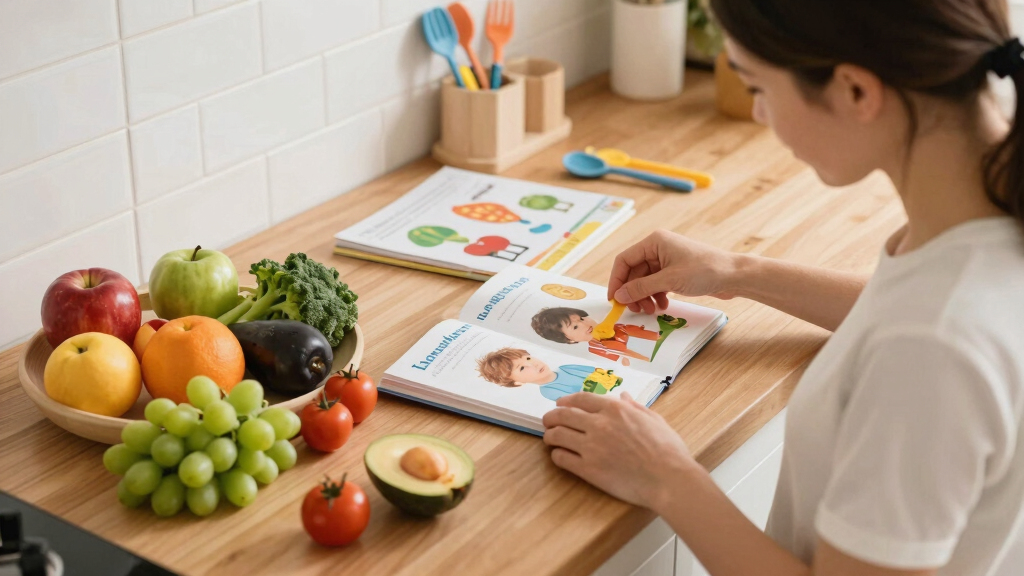
How We Picked
These books were evaluated based on their relevance to the developmental needs of 4 year olds, clarity of advice, and practical usability for parents. We prioritized titles that offer actionable strategies, evidence-based insights, and age-specific guidance. Books were also assessed for clarity, tone, and the balance between emotional and behavioral advice. To create a well-rounded list, we included a mix of comprehensive guides, specialized emotional intelligence books, and discipline-focused titles. The ranking reflects a combination of expert reputation, user feedback, and how well each book addresses common challenges faced by parents of 4-year-olds.Factors to Consider When Choosing Parenting Books For 4 Year Olds
Choosing the right parenting book for your 4 year old depends on your priorities—whether that’s emotional development, discipline, early literacy, or a combination. It’s important to consider how much time and effort you’re willing to invest in applying the advice, as some books require ongoing commitment. Additionally, understanding your child’s temperament can help determine whether a gentle, structured, or more active approach suits your family. Quality and clarity of the guidance are equally vital, ensuring you can implement strategies without confusion. Lastly, consider your own parenting style and values to select a book that resonates and feels sustainable.Developmental Focus
Some books emphasize emotional regulation and social skills, which are critical at this age, while others concentrate on discipline or early learning skills like reading. Identifying what areas your child needs most support with will help narrow your choice. For example, if tantrums are frequent, a book like ‘Tiny Humans, Big Emotions’ may be the best fit. Conversely, if you’re interested in fostering independence and responsibility, a social-emotional learning guide might be more appropriate. Understanding your child’s current developmental stage will guide you toward a title that offers relevant and actionable advice.Parenting Philosophy
Different books reflect diverse parenting approaches, from gentle and respectful to structured and disciplined. Consider whether you prefer a mindful, empathetic style or a more rule-based approach. Some titles focus on emotional intelligence and connection, while others prioritize behavioral boundaries. Choosing a book aligned with your core values will make it easier to implement strategies consistently. Keep in mind that adopting a philosophy too far from your natural style can lead to frustration and inconsistency.Ease of Use and Practicality
Look for books that provide clear, actionable strategies rather than abstract concepts. Practical tips, real-life examples, and step-by-step guidance make it easier to apply advice day-to-day. Some titles include activities or scripts, which can be especially helpful for new parents or those unfamiliar with behavioral techniques. Beware of overly theoretical books that lack concrete tools, as they may be less helpful during stressful moments. Balancing depth with accessibility is key to making the most of your reading.Price and Depth
More comprehensive books tend to be more expensive but often provide a broader range of strategies and insights. If you’re seeking a quick read or targeted advice, a shorter or more focused book may suffice. Consider whether investing in a detailed guide aligns with your parenting goals and your willingness to engage with longer material. Sometimes, a less costly book that addresses specific issues—like tantrums or bedtime struggles—can be more effective for immediate concerns.Long-term Value
Think about whether the book offers principles and skills that can be applied beyond age four, making it a useful resource for the years ahead. Books emphasizing foundational social-emotional skills tend to have lasting relevance, while those focused solely on specific behaviors might be less versatile. Choosing a title that promotes parenting growth and understanding will serve you well as your child continues to develop.Frequently Asked Questions
How do I choose a parenting book that aligns with my child’s temperament?
Understanding your child’s unique personality is key to selecting a book that will resonate. If your child is particularly sensitive, a book emphasizing gentle discipline and emotional understanding might be more effective. For more assertive or energetic children, strategies that incorporate active engagement and boundaries could work better. Reading summaries or reviews that highlight the approach’s flexibility can help you find a book that fits your child’s temperament while aligning with your parenting style.Are these books suitable for first-time parents?
Yes, many of these books are designed with beginners in mind, offering clear guidance and practical strategies. Titles that include step-by-step advice or real-life examples can be especially helpful for those new to parenting. However, it’s important to choose a book that matches your comfort level and learning style—more detailed guides may be overwhelming for some, while others benefit from comprehensive information. Starting with a straightforward, accessible book can build confidence as you navigate this stage.Should I focus more on discipline or emotional intelligence at this age?
Both are important, and the best approach often integrates discipline with emotional understanding. At age four, children are developing their ability to regulate emotions and understand social cues, making emotional intelligence a key focus. Simultaneously, setting boundaries and consistent discipline help foster security and respect. Select a book that balances these elements, ensuring your child learns self-control while feeling supported emotionally.Can I use these books alongside other parenting resources or therapies?
Absolutely. These books are designed to complement other parenting tools, including counseling, preschool programs, or community resources. They often provide foundational principles that can enhance your overall parenting approach. If your child has specific behavioral or emotional challenges, consulting with a professional alongside reading can offer tailored support and strategies, making these books part of a broader, integrated approach.How do I avoid feeling overwhelmed by conflicting advice in different books?
It’s normal to encounter differing opinions, but focusing on your child’s unique needs and your parenting values can help you filter advice. Start with one or two titles that align with your style, and give yourself time to implement their strategies before exploring others. Remember, no single book has all the answers; adapting principles to your situation ensures more sustainable progress. Trust your instincts and prioritize approaches that feel natural and manageable for your family.Conclusion
For parents new to guidance or seeking straightforward advice, “Your Four-Year-Old: Wild and Wonderful” offers a comprehensive, approachable foundation. Those prioritizing emotional growth should consider “Tiny Humans, Big Emotions,” while families focused on gentle discipline might prefer “Raising Good Humans.” For a premium, evidence-based approach, “The Whole-Brain Child” is an excellent investment. Budget-conscious parents looking for targeted strategies may find shorter books or guides more practical. Ultimately, your choice should align with your child’s temperament, your parenting philosophy, and your goals for this important developmental stage.
Fall Picks
fall essentials
As an affiliate, we earn on qualifying purchases.