

AI tutors can offer you personalized homework help with instant feedback and explanations tailored to your learning style, making studying more engaging and flexible outside class. However, relying too much on them might tempt you to copy answers, risking academic honesty and limiting your critical thinking skills. Access can also be uneven, which could widen educational gaps. If you explore further, you’ll discover how to use AI tools responsibly and maximize their benefits.
Key Takeaways
- AI tutors provide personalized, instant feedback, enhancing engagement and supporting continuous learning outside the classroom.
- They pose risks of academic dishonesty and over-reliance, potentially hindering critical thinking skills.
- Accessibility issues and the digital divide may limit benefits for students in underserved or rural areas.
- Responsible use emphasizes supplementing, not replacing, student effort while promoting academic integrity.
- AI tutors can revolutionize education through tailored experiences but require ethical implementation to maximize positive impact.

Have you ever wondered how technology is transforming education? AI tutors are becoming more common, offering personalized homework help and instant feedback. They can be incredibly useful, but they also bring some challenges you should consider. One major concern is plagiarism. Since AI tutors can generate detailed explanations and solutions, it’s tempting to copy their work directly. This raises questions about academic honesty and whether students are truly learning or just relying on AI to do the thinking for them. Schools are still figuring out how to handle this, but it’s important to use AI tools responsibly. Cheating isn’t the goal, and over-reliance on AI can hinder your development of critical thinking skills. Striking a balance is key; use AI for guidance and understanding rather than bypassing the effort needed to learn.
Another issue tied to AI tutors is accessibility. While they promise to make learning easier, not everyone has equal access to the latest technology or reliable internet. Students in underserved communities or rural areas might find it challenging to benefit fully from AI-powered homework help. This digital divide can widen existing educational gaps instead of narrowing them. Additionally, some students may face difficulties using AI tools due to language barriers or lack of familiarity with new technology. Accessibility issues mean that, without proper support, AI tutors could unintentionally exclude some learners rather than include them. Educators and developers need to guarantee that these tools are designed with inclusivity in mind, offering support for diverse needs and ensuring everyone can benefit. Recognizing that AI tutors can be enhanced by features like adaptive learning can help address some of these challenges.
Despite these concerns, AI tutors have the potential to revolutionize how you approach homework. They can provide tailored explanations, adapt to your learning style, and offer instant assistance outside the classroom. However, it’s vital to acknowledge that they’re tools meant to supplement your learning, not replace your effort. You should be cautious about plagiarism and make sure to develop your understanding rather than just copying answers. Likewise, be aware of accessibility issues and advocate for equitable technology distribution so that everyone can access these advancements. When used responsibly, AI tutors can enhance your educational experience, making learning more engaging and personalized. But it’s essential to stay mindful of the limitations and challenges that come with these new tools, ensuring they support your growth rather than hinder it.
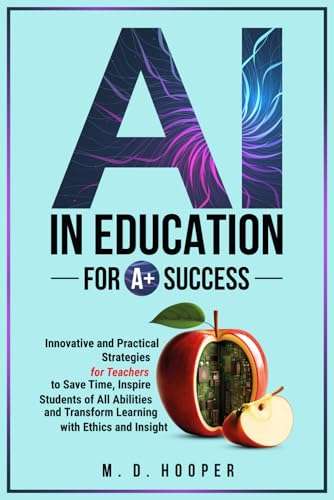
AI In Education For A+ Success: Innovative and Practical Strategies for Teachers to Save Time, Inspire Students of All Abilities and Transform Learning with Ethics and Insight
As an affiliate, we earn on qualifying purchases.
As an affiliate, we earn on qualifying purchases.
Frequently Asked Questions
How Do AI Tutors Adapt to Different Student Learning Styles?
AI tutors adapt to your learning style through personalization strategies and adaptive learning. They analyze your responses, pace, and comprehension to tailor lessons specifically for you. By continuously adjusting content based on your progress, these tutors guarantee you stay engaged and learn effectively. This dynamic approach helps you grasp concepts faster, making your homework sessions more efficient and personalized to fit how you learn best.
Are AI Tutors Effective for Students With Special Educational Needs?
You might be surprised to learn that AI tutors can be quite effective for students with special educational needs. They often provide tailored support, helping with emotional needs and offering consistent encouragement. While they may lack genuine social interaction, AI can supplement emotional support when human help isn’t available. Studies show that 65% of students with learning differences benefit from personalized AI assistance, boosting confidence and engagement.
What Are the Privacy Concerns Associated With AI Tutoring Platforms?
You should be aware that AI tutoring platforms raise privacy concerns related to data security and user anonymity. When you use these platforms, your personal information and learning data might be stored or shared without clear consent, risking exposure or misuse. It’s essential to read privacy policies carefully and choose platforms that prioritize data protection, ensuring your anonymity and sensitive information stay safe while benefiting from AI-based learning.
How Affordable Are AI Tutors Compared to Traditional Tutoring Services?
AI tutors are generally more affordable than traditional tutoring services. You’ll find flexible pricing models, like pay-per-session or subscription costs, which let you choose what fits your budget. Many AI platforms offer lower costs because they don’t require hiring a tutor for each session. This makes AI tutoring accessible and cost-effective, especially if you need regular help without the high expenses of in-person tutoring.
Can AI Tutors Replace Human Teachers Entirely in Homework Help?
AI tutors can’t replace human teachers entirely because they lack emotional support and the ability to foster creative thinking. While they efficiently provide homework help, they miss the personal connection that encourages motivation and understanding. You still need human teachers to guide emotional development and inspire creativity, which are essential for inclusive learning. AI is a helpful tool, but it shouldn’t replace the crucial role of human interaction in education.

Teacher Library Personalized Stamp Self Inking Custom Book Belongs To Stamp Customized Personalized Rubber Stamp Stamper School Images Homework Home Work Grading Gift Completed with Help Ink
100+ DESIGNS TO CHOOSE FROM CLICK CUSTOMIZE NOW! Round Personal Custom Book Stamp Self Inking Teacher Stamp -…
As an affiliate, we earn on qualifying purchases.
As an affiliate, we earn on qualifying purchases.
Conclusion
AI tutors can be a great homework aid, offering instant help and personalized support. However, they might not fully substitute human guidance, especially for complex questions. Did you know that over 70% of students have used AI tutors at least once? Imagine having a 24/7 study buddy right at your fingertips, ready to assist whenever you need it. While AI can boost your learning, balancing it with human interaction ensures you get the best of both worlds.
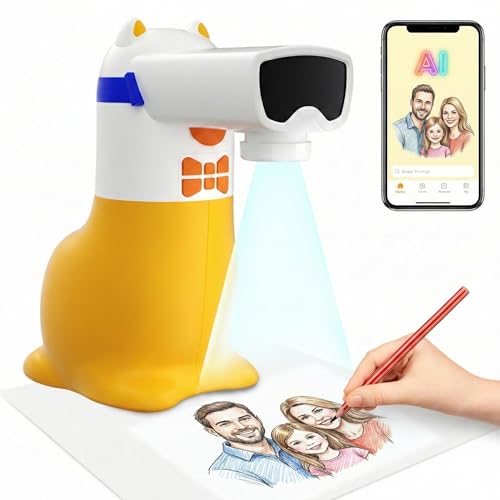
Yoturetoys AI Drawing Projector for Kids, Smart Art Tracing Machine to Inspire Creativity with Voice Learning & Photo-to-Sketch, STEM Educational Toy, Christmas Birthday Gift for Boys Girls Ages 5+
🎨 [From "I Can't" to "I Created!"] Stop the "I don't know what to draw" frustration. Our AI…
As an affiliate, we earn on qualifying purchases.
As an affiliate, we earn on qualifying purchases.

Digital SAT Test Prep: The Complete & Step-by-Step Study System to Ace the SAT and Improve Your Score — Daily AI Coaching, Adaptive Learning Platform, and 50 Bonus Full-Length Tests
As an affiliate, we earn on qualifying purchases.
As an affiliate, we earn on qualifying purchases.