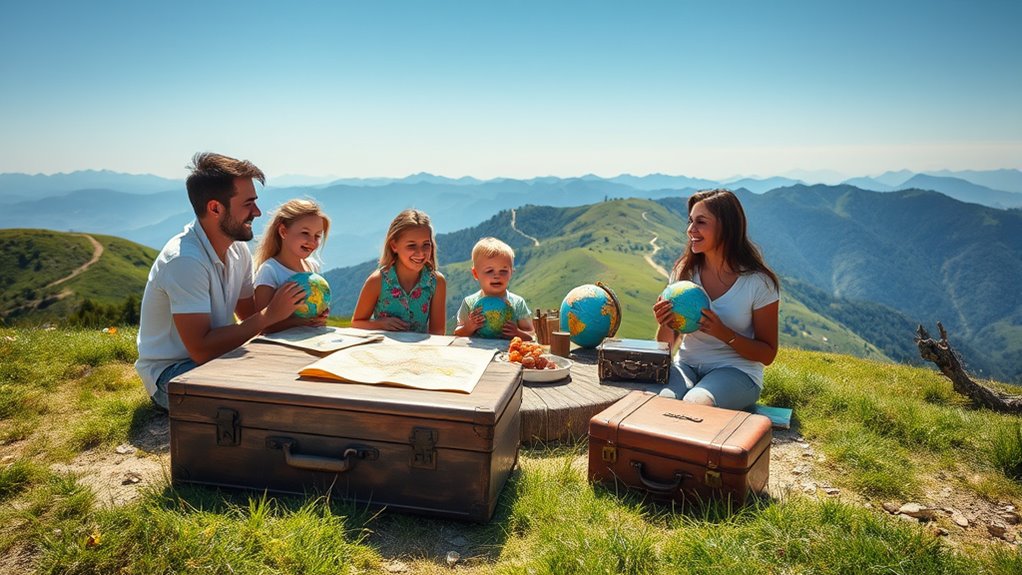

Travel shapes your family values by creating shared moments that deepen your bond. It broadens perspectives through exposure to different cultures, fostering empathy and respect. Facing new environments teaches adaptability and resilience, boosting confidence. These experiences encourage openness and curiosity, making teamwork and patience natural parts of your family life. Ultimately, travel reinforces core values like compassion and flexibility. Keep exploring how these journeys continue to nurture and transform your family’s foundations.
Key Takeaways
- Shared travel experiences strengthen family bonds and create lasting memories that define our family story.
- Exposure to diverse cultures fosters respect, empathy, and inclusiveness within our family values.
- Traveling builds adaptability, patience, and problem-solving skills that we apply in daily life.
- Exploring new environments encourages curiosity, openness, and a willingness to embrace change.
- Travel lessons reinforce core values of resilience, compassion, and respect that guide our family’s growth.
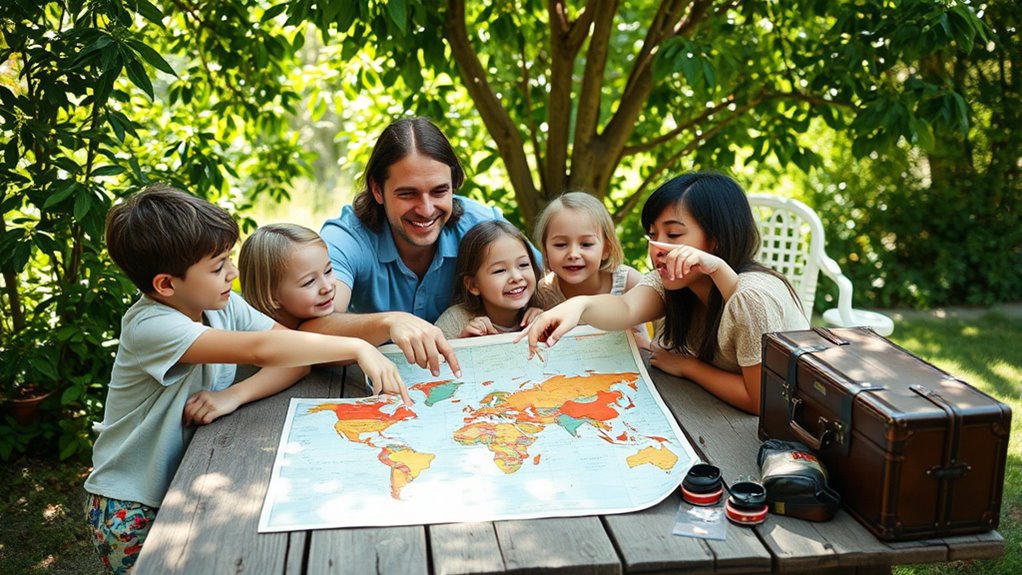
Travel has a unique way of strengthening family bonds and reaffirming core values. When you set out on a journey together, you’re not just ticking off sights or crossing destinations off a list—you’re creating shared experiences that deepen your connection. These moments become the foundation of your family’s story, teaching everyone in the family important lessons about openness, respect, and curiosity. As you explore new places, you’re exposing yourself and your loved ones to diverse cultures, traditions, and perspectives. This cultural exposure broadens your understanding of the world and encourages empathy, helping your family develop a more inclusive outlook. It’s not just about seeing new sights; it’s about immersing yourselves in different ways of life, which fosters a sense of respect for diversity and nurtures your family’s values of acceptance and understanding.
Travel also sharpens adaptability skills within your family unit. When you’re in unfamiliar environments—whether it’s steering a foreign city, adjusting to different time zones, or overcoming language barriers—you learn to adapt quickly. These situations often require flexibility, patience, and problem-solving, qualities that become ingrained in your family’s character. As parents and children work together to overcome unforeseen challenges, you build resilience and confidence. These adaptability skills translate into everyday life, helping your family handle changes and uncertainties with a positive attitude. It’s a practical lesson that values flexibility and resourcefulness, qualities that stick with you long after the trip ends. Additionally, understanding the importance of vehicle depreciation can help families better plan and budget for travel expenses, making trips more accessible and enjoyable.
Furthermore, travel encourages your family to step outside comfort zones and embrace new experiences. It pushes everyone to be more open-minded, fostering a sense of adventure and curiosity. When you face unfamiliar customs or try new foods, you’re reinforcing the importance of being receptive to new ideas and perspectives—values that shape your family’s identity. These shared adventures also teach patience and teamwork, as everyone learns to navigate, communicate, and support each other in unfamiliar settings. Over time, these lessons help instill core family values like resilience, respect, and adaptability, which become a guiding force in everyday life.
Ultimately, travel becomes a powerful tool for shaping and reinforcing your family’s values. It’s more than just a trip; it’s a transformative experience that teaches your family to be open-minded, adaptable, and compassionate. These lessons aren’t confined to the journey—they ripple into your daily lives, strengthening the bonds that hold your family together and guiding you through all of life’s adventures.
Frequently Asked Questions
How Does Travel Influence Our Understanding of Different Cultures?
Travel broadens your perspective, allowing you to experience different cultures firsthand. It fosters cultural appreciation as you learn about traditions, customs, and values different from your own. This exposure enhances your global awareness, helping you understand the world’s diversity. By immersing yourself in new environments, you develop empathy and open-mindedness, which strengthen your connection to others and enrich your understanding of the global community.
Can Travel Experiences Impact Family Communication Skills?
Travel experiences can considerably boost your family’s communication skills. As you share travel storytelling, you learn to listen, express ideas clearly, and understand different perspectives. Packing strategies often involve teamwork, encouraging cooperation and problem-solving. These shared experiences foster open conversations, build trust, and strengthen your bond. Every trip becomes an opportunity to improve how your family communicates, making your connections more meaningful and resilient through active dialogue and collaborative planning.
What Role Does Travel Play in Teaching Children Resilience?
You realize that travel plays a crucial role in teaching children resilience when you see them adapt to unexpected delays or navigate unfamiliar places. As you create travel traditions and develop packing strategies, your child learns flexibility and problem-solving. These moments of improvisation, like managing a missed train or changing plans, build resilience, showing them that challenges are opportunities to grow, not obstacles.
How Do Travel Habits Shape Long-Term Family Relationships?
Your travel habits foster long-term family relationships through travel bonding and shared adventures. When you explore new places together, you create lasting memories that strengthen your connection. These shared experiences encourage open communication, teamwork, and understanding, which build a solid family foundation. Consistently engaging in travel helps your family develop trust and a sense of unity, ensuring that your relationships remain resilient and meaningful long after the trips end.
Does Frequent Travel Affect Family Financial Priorities?
Frequent travel can influence your family’s financial priorities by emphasizing the need for careful budget planning and effective savings strategies. You might prioritize travel expenses over other budget categories, which could require cutting back on non-essentials. Regular travel also encourages you to set aside specific savings for trips, ensuring your family enjoys memorable experiences without jeopardizing your long-term financial stability. Balancing travel with financial goals becomes essential for maintaining harmony.
Conclusion
As you journey through new landscapes, you stitch together the fabric of your family’s values with threads of shared experiences. Travel becomes the gentle sculptor, carving deeper bonds and broadening horizons. Every adventure is a brushstroke on the canvas of your family story, painting memories that shimmer like stars in the night sky. In the end, travel isn’t just a path to distant places—it’s the compass guiding you toward a richer, more connected family life.