

To help kids handle rejection and disappointment, encourage them to see these experiences as normal growth steps and focus on the lessons they offer. Promote open expression of feelings, model resilience with your own stories, and teach them to reframe negative thoughts with self-compassion. Emphasize effort and persistence, celebrate progress, and foster a growth mindset. If you want to learn more effective ways to build their emotional strength, keep exploring strategies that nurture resilience.
Key Takeaways
- Normalize rejection and disappointment as normal growth experiences to help children accept setbacks without feeling discouraged.
- Encourage open expression of feelings through talking, drawing, or writing to validate emotions and promote healthy coping.
- Teach cognitive reframing by helping kids see setbacks as opportunities to learn and grow.
- Model resilience by sharing personal stories of overcoming rejection and emphasizing persistence and effort.
- Foster a growth mindset by focusing on problem-solving, learning from mistakes, and celebrating perseverance.

Rejection and disappointment are unavoidable parts of life, but how kids learn to handle them can shape their resilience and self-esteem. When your child faces setbacks, it’s essential to help them develop emotional resilience—the ability to bounce back from challenges and maintain a positive outlook. Teaching coping strategies early on gives them tools to navigate these difficult emotions and reduces feelings of helplessness. Instead of shielding your child from disappointment, encourage them to see it as a normal part of growth. When they encounter rejection, whether from a sports team, a friend, or a school project, guide them to understand that it doesn’t define their worth. Reinforce that everyone experiences setbacks and that these moments can teach valuable lessons.
Helping your child develop healthy coping strategies is vital. Encourage them to express their feelings openly—whether through talking, drawing, or writing—so they don’t bottle up frustration or sadness. Validating their emotions shows you’re there for them and helps prevent feelings of isolation. You can also model positive coping strategies yourself. For example, share stories of times you faced rejection and how you managed it. Demonstrating resilience in your own life teaches your child that setbacks are manageable and temporary. Additionally, understanding the concept of resilience in different contexts can help them see how overcoming challenges in various areas builds strength. Teach them to reframe negative thoughts; instead of thinking, “I failed,” they can learn to say, “This is a chance to learn and improve.” This shift from self-criticism to self-compassion builds emotional resilience.
Encourage problem-solving instead of dwelling on what went wrong. When disappointment strikes, ask your child what they think they can do differently next time. This approach empowers them to see setbacks as opportunities for growth. Remind them that effort and persistence are more important than immediate success, fostering a growth mindset. Also, celebrate their efforts, not just their achievements. Praising their perseverance helps them understand that resilience is built through repeated attempts and learning from mistakes.
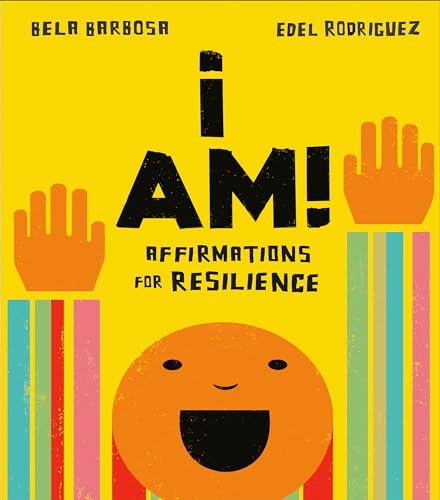
I Am!: Affirmations for Resilience
As an affiliate, we earn on qualifying purchases.
As an affiliate, we earn on qualifying purchases.
Frequently Asked Questions
How Can I Tell if My Child Is Truly Coping Well?
You can tell your child is coping well when they show emotional resilience by bouncing back quickly from setbacks. Notice if they use healthy coping strategies, like talking about their feelings or engaging in activities they enjoy. Watch for signs they manage disappointment without excessive sadness or anger. If they communicate openly, maintain a positive outlook, and recover from challenges, it indicates they’re handling rejection and disappointment effectively.
What Are Signs of Prolonged Emotional Distress After Rejection?
Like a dark cloud lingering after a storm, prolonged emotional distress shows in your child’s emotional withdrawal and persistent sadness. They may retreat from social activities, avoid conversations, or seem disconnected from their surroundings. If these signs persist, it suggests they’re struggling to process rejection and disappointment. Keep an eye out for changes in mood and behavior, and offer support to help them navigate these difficult feelings.
How Do Cultural Differences Affect Children’s Reactions to Disappointment?
Cultural norms and parenting styles shape how children react to disappointment. In some cultures, collectivism encourages children to accept setbacks gracefully, while individualistic cultures might promote expressing emotions openly. Parenting styles that emphasize emotional resilience and open communication help kids process rejection healthily. You can support your child by understanding these cultural perspectives, fostering a safe space for them to express feelings, and modeling positive ways to handle setbacks.
When Should I Seek Professional Help for My Child’s Emotional Struggles?
You should seek professional help for your child’s emotional struggles if you notice persistent sadness, withdrawal, or changes in behavior that last more than a couple of weeks. Child therapy can provide valuable emotional support, helping your kid process feelings of rejection or disappointment. Trust your instincts—if you’re concerned or unsure, consulting a mental health professional guarantees your child gets the help they need to develop resilience and emotional well-being.
Are There Specific Activities That Help Build Resilience in Kids?
You can build resilience in your kids through activities like role-playing scenarios that teach problem-solving and emotional regulation. Encouraging gratitude journaling helps them focus on positive aspects of their lives, fostering a resilient mindset. You should also promote open conversations about feelings and setbacks. These activities empower kids to handle challenges better, develop confidence, and bounce back more quickly from disappointments, strengthening their emotional resilience over time.

Detective Fingerprint Kit for Kids Ages 8-12, FunKidz Spy Gear Pretend Play STEM Science Kit Project with Crime Scene Investigations Educational Class Tools for Boys Girls
[SPY KIT FOR KIDS]- Learn how to locate hidden fingerprint on doorknobs, tables, glasses, telephones, automobiles and more….
As an affiliate, we earn on qualifying purchases.
As an affiliate, we earn on qualifying purchases.
Conclusion
By teaching kids to navigate rejection and disappointment, you’re equipping them with resilience they’ll carry for life. Remember, setbacks are just stepping stones to growth. Are you ready to turn every disappointment into a chance for your child to learn and grow? With your support and guidance, they’ll develop the confidence to face life’s challenges head-on. Together, you can help them build a resilient mindset that turns obstacles into opportunities.

Growth Mindset Stickers – 1 Piece – Educational and Learning Activities for Kids
Stickers like this make perfect classroom rewards for students who remember the growth mindset phrases
As an affiliate, we earn on qualifying purchases.
As an affiliate, we earn on qualifying purchases.

800Pcs Face Emotion Feelings Stickers for Kids,1.4Inch 40 Emotional Style Funny Mood Incentive Teacher Reward Stickers for Classroom, Home School,Notebook,DIY
Package Quantity:You will get 20 sheets facial emotional stickers,totaling 800 pieces,with 40 different styles of emotional designs,sufficient in…
As an affiliate, we earn on qualifying purchases.
As an affiliate, we earn on qualifying purchases.