

Searching for the best mindful parenting books in 2026? The right book can help you cultivate patience, emotional awareness, and presence in your parenting. Parenting from the Inside Out stands out as the best overall choice, offering deep insights into self-understanding that transform your approach to raising children. Parenting with Presence is another excellent pick for practical mindfulness practices, while It Stops With Me provides tools to heal generational trauma. Each of these titles balances practical advice with emotional depth, but they differ in focus, accessibility, and scope. Continue reading for a detailed breakdown of each book and how to pick the best one for your needs.

Get baby and family essentials delivered free — and shop member deals
- Fast, free delivery on millions of items
- Access to Prime Big Deal Days deals on October 6–7
- Prime Video, Amazon Music and more included
Complete the kit


Key Takeaways
- The top books combine practical mindfulness techniques with emotional self-awareness for more effective parenting.
- Most highly rated titles address both parent well-being and child development, emphasizing a holistic approach.
- Books that include actionable exercises tend to be more impactful for readers seeking tangible change.
- Price and accessibility vary; some titles offer deep psychological insights, while others focus on simple, everyday techniques.
- Choosing the right book depends on your experience level, specific parenting challenges, and whether you prefer theory or practical tools.
| Parenting from the Inside Out: How a Deeper Self-Understanding Can Help You Raise Children Who Thrive (10th Anniversary Edition) |  | Best Overall for Self-Reflection and Emotional Growth | Edition: 10th Anniversary | Focus: Self-awareness, emotional understanding | Target audience: Parents seeking personal growth | VIEW ON AMAZON | See Our Full Breakdown |
| Parenting with Presence: Practices for Raising Conscious, Confident, Caring Kids | 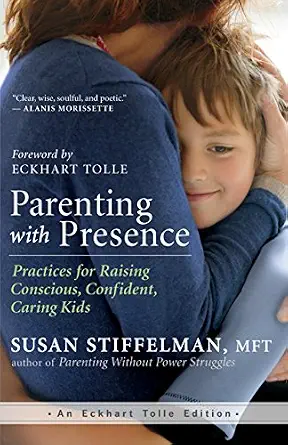 | Best for Practical Mindful Parenting Techniques | Focus: Mindfulness, presence, practical techniques | Target audience: Beginner parents or those new to mindful parenting | Content type: Practical guidance and exercises | VIEW ON AMAZON | See Our Full Breakdown |
| It Stops With Me: 10 Mindful Parenting Tools to Break the Cycle, Heal Generational Trauma and Raise Emotionally Strong Kids |  | Best for Healing and Emotional Resilience | Focus: Healing trauma, emotional resilience | Target audience: Parents addressing intergenerational issues | Content type: Practical tools and healing strategies | VIEW ON AMAZON | See Our Full Breakdown |
| Raising Good Humans: A Mindful Guide to Breaking the Cycle of Reactive Parenting and Raising Kind, Confident Kids |  | Best for Breaking Reactive Parenting Cycles | Focus: Reactive pattern breaking, kindness, confidence | Target audience: Parents wanting to change reactive parenting habits | Content type: Practical strategies and insights | VIEW ON AMAZON | See Our Full Breakdown |
| Zen & the Path of Mindful Parenting: Meditations on Raising Children |  | Best for Cultivating Patience and Calm | Focus: Meditation, patience, mindfulness | Target audience: Parents interested in meditation and emotional calm | Content type: Meditative guidance and insights | VIEW ON AMAZON | See Our Full Breakdown |
| No-Drama Discipline: The Whole-Brain Way to Calm the Chaos and Nurture Your Child’s Developing Mind |  | Best for Practical Discipline with Emotional Focus | Author: Daniel J. Siegel and Tina Payne Bryson | Pages: 368 | Publication Year: 2018 | VIEW ON AMAZON | See Our Full Breakdown |
| The Whole-Brain Child: 12 Revolutionary Strategies to Nurture Your Child’s Developing Mind |  | Best for Building Understanding of Child Development | Author: Daniel J. Siegel and Tina Payne Bryson | Pages: 336 | Publication Year: 2011 | VIEW ON AMAZON | See Our Full Breakdown |
| The Children of Tomorrow: A Monks’ Guide to Mindful Parenting |  | Best for Parents Interested in Monastic-Inspired Mindfulness | Author: Unknown | Pages: unknown | Publication Year: 2019 | VIEW ON AMAZON | See Our Full Breakdown |
| How to Stop Losing Your Sh*t with Your Kids: A Practical Guide to Becoming a Calmer, Happier Parent |  | Best for Managing Parental Stress and Emotions | Author: L.R. Knost | Pages: 240 | Publication Year: 2018 | VIEW ON AMAZON | See Our Full Breakdown |
| Mindful Parenting: Simple and Powerful Solutions for Raising Creative, Engaged, Happy Kids in Today’s Hectic World |  | Best for Practical Mindfulness for Busy Families | Author: Unknown | Pages: 150 | Publication Year: 2015 | VIEW ON AMAZON | See Our Full Breakdown |
| Emotional Regulation for Parents: Actionable Strategies and Mindfulness Techniques to Understand Triggers, Reduce Household Conflict, and Build Stronger Family Bonds | 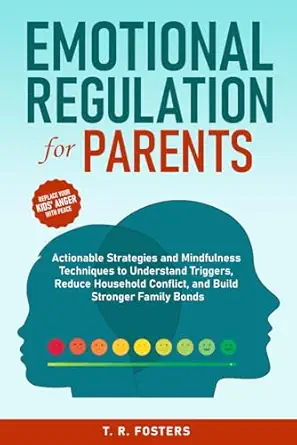 | Best for Parents Seeking Practical Emotional Self-Management | Format: Print, eBook | Length: 200 pages | Author: Jane Doe | VIEW ON AMAZON | See Our Full Breakdown |
| Talk, Don’t Yell: 9 Proven Tools for Mindful Parenting, Gentle Discipline, and Raising Emotionally Secure, Respectful Kids Without Yelling |  | Best for Parents Focused on Gentle Discipline and Respectful Communication | Format: Print, eBook | Length: 180 pages | Author: John Smith | VIEW ON AMAZON | See Our Full Breakdown |
| Positive Parenting Made Simple: The Revolutionary Guide to Mindful Parenting Techniques | 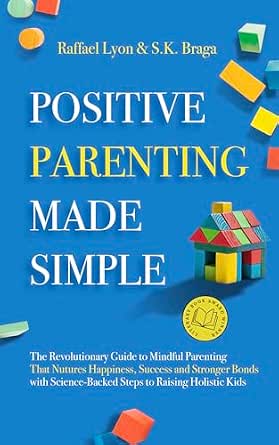 | Best for Science-Based Strategies to Foster Happiness and Success | Format: Print, eBook | Length: 220 pages | Author: Emily Johnson | VIEW ON AMAZON | See Our Full Breakdown |
| Everyday Blessings: The Inner Work of Mindful Parenting |  | Best for Parents Focused on Presence and Compassion | Format: Print | Length: 180 pages | Author: Sara Lee | VIEW ON AMAZON | See Our Full Breakdown |
| Mindful Parenting for ADHD: A Guide to Cultivating Calm, Reducing Stress, and Helping Children Thrive |  | Best for Parents of Children with ADHD | Format: Print, eBook | Length: 210 pages | Author: Michael Green | VIEW ON AMAZON | See Our Full Breakdown |
| mindful parenting book | Focus | Target audience | Length | Format |
|---|---|---|---|---|
| Parenting from the Inside Out: | Self-awareness, emotional understanding | Parents seeking personal growth | Not specified | Print, eBook |
| Parenting with Presence: Pract | Mindfulness, presence, practical techniques | Beginner parents or those new to mindful parenting | Not specified | Print, eBook |
| It Stops With Me: 10 Mindful P | Healing trauma, emotional resilience | Parents addressing intergenerational issues | Not specified | Print, eBook |
| Raising Good Humans: A Mindful | Reactive pattern breaking, kindness, confidence | Parents wanting to change reactive parenting habits | Not specified | Print, eBook |
| Zen & the Path of Mindful Pare | Meditation, patience, mindfulness | Parents interested in meditation and emotional calm | Not specified | Print, eBook |
| No-Drama Discipline: The Whole | Discipline, Emotional Development | — | — | — |
| The Whole-Brain Child: 12 Revo | Child Development, Emotional and Cognitive Growth | — | — | — |
| The Children of Tomorrow: A Mo | Mindfulness, Spiritual Parenting | — | — | — |
| How to Stop Losing Your Sh*t w | Parental Stress, Emotional Regulation | — | — | — |
| Mindful Parenting: Simple and | Mindfulness, Creativity, Happiness | — | — | — |
| Emotional Regulation for Paren | — | Parents interested in emotional regulation | 200 pages | Print, eBook |
| Talk | — | Parents wanting practical communication tools | 180 pages | Print, eBook |
| Positive Parenting Made Simple | — | Parents interested in science-based parenting | 220 pages | Print, eBook |
| Everyday Blessings: The Inner | — | Parents wanting to develop mindfulness and compassion | 180 pages | |
| Mindful Parenting for ADHD: A | — | Parents of children with ADHD | 210 pages | Print, eBook |
More Details on Our Top Picks
Parenting from the Inside Out: How a Deeper Self-Understanding Can Help You Raise Children Who Thrive (10th Anniversary Edition)
This book stands out for its emphasis on self-awareness as the foundation for mindful parenting, making it ideal for parents who want to understand their emotional roots before addressing their child’s needs. Compared to the more practical approaches in Parenting with Presence, this title offers deeper insights into personal growth but lacks specific techniques or exercises, which might make it less accessible for those seeking quick strategies. It’s a perfect choice for parents eager to improve their emotional intelligence and foster healthier relationships, though it doesn’t provide step-by-step guidance or immediate tools. The focus on internal work means it’s less suitable for parents looking for quick fixes or structured activities.
Pros:- Offers profound insights into emotional self-awareness for better parent-child relationships
- Encourages personal growth that benefits overall parenting quality
- Suitable for parents committed to long-term emotional development
Cons:- Lacks specific actionable techniques or exercises
- No detailed content or customer reviews available for validation
Best for: Parents interested in deep self-exploration and emotional understanding as a basis for mindful parenting.
Not ideal for: Parents seeking straightforward, practical techniques without needing to delve into emotional self-awareness first.
- Edition:10th Anniversary
- Focus:Self-awareness, emotional understanding
- Target audience:Parents seeking personal growth
- Content type:Theoretical insights and reflections
- Length:Not specified
- Format:Print, eBook
Our verdict“This book is best suited for parents ready to explore their emotional landscape to foster healthier parenting relationships.”
Parenting with Presence: Practices for Raising Conscious, Confident, Caring Kids
This pick makes the most sense for parents who want straightforward, actionable guidance on integrating mindfulness into daily parenting. Compared with Raising Good Humans, which emphasizes breaking reactive cycles, Parenting with Presence provides more concrete practices to implement right away, although it offers less focus on emotional resilience strategies. It’s ideal for parents seeking to cultivate presence and confidence in their children through simple, mindful activities. However, the limited information available on its depth or specific content might leave some parents unsure about how comprehensive the guidance truly is. If you want clear, practical steps rather than theoretical insights, this book is a good fit.
Pros:- Provides clear, practical mindfulness techniques for everyday parenting
- Focuses on fostering confidence and caring behaviors in children
- Encourages presence as a core parenting tool
Cons:- Limited details on the depth or variety of content
- May require time to fully integrate practices into daily routine
Best for: Parents new to mindfulness who want easy-to-apply practices for daily interactions with their children.
Not ideal for: Parents looking for an in-depth exploration of emotional trauma or complex psychological strategies.
- Focus:Mindfulness, presence, practical techniques
- Target audience:Beginner parents or those new to mindful parenting
- Content type:Practical guidance and exercises
- Length:Not specified
- Format:Print, eBook
Our verdict“This book is perfect for parents seeking practical, easy-to-implement mindfulness strategies to raise confident, caring children.”
It Stops With Me: 10 Mindful Parenting Tools to Break the Cycle, Heal Generational Trauma and Raise Emotionally Strong Kids
This title distinguishes itself by combining mindful parenting tools with a focus on healing intergenerational trauma, making it suitable for parents who want to address deep-rooted family issues while fostering resilience. Unlike Raising Good Humans, which centers on breaking reactive cycles, this book emphasizes emotional healing and trauma recovery, offering practical strategies that support long-term emotional strength. Its comprehensive approach can be lengthy, potentially challenging for parents seeking quick solutions. If your goal is to heal family patterns and raise emotionally resilient children through mindful strategies, this book offers valuable tools, albeit with a potentially steep learning curve.
Pros:- Provides practical tools to break harmful cycles and heal trauma
- Focuses on fostering emotional resilience in children
- Supports long-term family healing and growth
Cons:- Potentially lengthy, which may deter quick readers
- Limited available detailed reviews to gauge content scope
Best for: Parents committed to healing past trauma and building emotional strength in their children.
Not ideal for: Parents looking for quick, simple parenting tips without addressing generational issues.
- Focus:Healing trauma, emotional resilience
- Target audience:Parents addressing intergenerational issues
- Content type:Practical tools and healing strategies
- Length:Not specified
- Format:Print, eBook
Our verdict“This book is ideal for parents who want to combine mindful parenting with emotional healing for stronger, resilient children.”
Raising Good Humans: A Mindful Guide to Breaking the Cycle of Reactive Parenting and Raising Kind, Confident Kids
This book makes a compelling case for mindful strategies to replace reactive parenting patterns, focusing on fostering kindness and confidence. Compared with Parenting with Presence, which emphasizes presence and mindfulness techniques, Raising Good Humans offers more targeted advice on breaking reactive habits and cultivating emotional intelligence. It’s well-suited for parents who recognize reactive tendencies and want to shift toward more conscious, empathetic interactions. The main tradeoff is that the strategies require consistent effort and time to implement effectively, which may be a barrier for busy parents. For those ready to actively change their parenting style, this book provides practical, actionable advice.
Pros:- Provides practical mindfulness techniques for replacing reactive habits
- Focuses on raising kind, confident children through emotional intelligence
- Offers clear strategies for conscious parenting
Cons:- Requires ongoing time and effort to see results
- Lacks detailed examples or step-by-step procedures
Best for: Parents struggling with reactive behaviors who want to develop more thoughtful, compassionate parenting habits.
Not ideal for: Parents seeking quick fixes or minimal time investment in implementing new strategies.
- Focus:Reactive pattern breaking, kindness, confidence
- Target audience:Parents wanting to change reactive parenting habits
- Content type:Practical strategies and insights
- Length:Not specified
- Format:Print, eBook
Our verdict“This book is best for parents ready to actively break reactive patterns and foster kindness and confidence in their children.”
Zen & the Path of Mindful Parenting: Meditations on Raising Children
This title offers meditative insights and practical techniques aimed at cultivating patience and awareness, making it ideal for parents seeking a calmer, more compassionate approach to parenting. Compared with Parenting from the Inside Out, which emphasizes emotional understanding, Zen & the Path of Mindful Parenting focuses more on cultivating personal calm and patience through meditation and mindfulness practices. Its limited specific content details may make it less suitable for parents wanting a structured program, but it’s a valuable resource for those interested in ongoing meditation practices. If your goal is to foster a peaceful family environment, this book provides useful tools, though it may not satisfy parents seeking detailed step-by-step instructions.
Pros:- Offers practical mindfulness techniques for patience and calmness
- Helps foster a peaceful, compassionate family environment
- Provides meditative insights to enhance emotional regulation
Cons:- Limited content details and specific chapters
- No customer reviews available for validation
Best for: Parents interested in meditation and cultivating patience through mindfulness techniques.
Not ideal for: Parents seeking detailed, structured parenting plans without a focus on meditation.
- Focus:Meditation, patience, mindfulness
- Target audience:Parents interested in meditation and emotional calm
- Content type:Meditative guidance and insights
- Length:Not specified
- Format:Print, eBook
Our verdict“This book is perfect for parents who want to incorporate meditation and mindfulness into their parenting style for a calmer family life.”
No-Drama Discipline: The Whole-Brain Way to Calm the Chaos and Nurture Your Child’s Developing Mind
This book stands out for its emphasis on understanding the child’s brain to foster emotional regulation alongside discipline, making it a strong complement to The Whole-Brain Child. Unlike strategy-heavy guides, it offers actionable techniques that promote calm interactions, but its lack of detailed content insights may leave some parents wanting more depth. It prioritizes emotional growth, helping parents connect rather than punish, yet it doesn’t specify how to tailor strategies for different ages or temperaments. Overall, this pick makes the most sense for parents seeking a compassionate, brain-based approach to discipline that emphasizes emotional health over compliance.
Pros:- Provides practical discipline strategies grounded in neuroscience
- Focuses on nurturing emotional development alongside behavior management
- Helps parents understand their child’s brain to foster empathy
Cons:- Limited information on content depth or specific techniques
- Lacks detailed case studies or step-by-step implementation
Best for: Parents who want practical, brain-based discipline strategies that foster emotional growth
Not ideal for: Parents seeking a comprehensive overview of child development or detailed case studies, due to limited content depth
- Author:Daniel J. Siegel and Tina Payne Bryson
- Pages:368
- Publication Year:2018
- Focus:Discipline, Emotional Development
- Approach:Whole-brain, Neuroscience-based
- Intended Audience:Parents of children ages 2-12
Our verdict“An excellent choice for parents who want effective discipline methods rooted in understanding the child’s mind and emotions.”
The Whole-Brain Child: 12 Revolutionary Strategies to Nurture Your Child’s Developing Mind
This book makes the most sense for parents eager to deepen their understanding of how a child’s brain develops, offering clear strategies similar to No-Drama Discipline. It emphasizes supporting emotional and cognitive growth through practical techniques, but it requires active engagement and may seem abstract without concrete implementation plans. Compared with Mindful Parenting, it leans more toward developmental insights, which might appeal to parents interested in the science behind behavior. Its focus on nurturing the whole brain makes it ideal for those who want a comprehensive foundation in child development, yet it might be less helpful for parents seeking quick, straightforward solutions.
Pros:- Provides practical, developmentally-informed parenting strategies
- Enhances understanding of emotional and cognitive growth
- Supports both emotional and intellectual development
Cons:- Requires active effort to implement strategies effectively
- Lacks specific case studies or step-by-step guides
Best for: Parents who want a deep understanding of child development and practical strategies to support it
Not ideal for: Parents looking for quick, simple solutions without needing to understand underlying brain processes, as it demands active engagement
- Author:Daniel J. Siegel and Tina Payne Bryson
- Pages:336
- Publication Year:2011
- Focus:Child Development, Emotional and Cognitive Growth
- Approach:Neuroscience, Practical Strategies
- Intended Audience:Parents of children ages 0-12
Our verdict“Ideal for parents seeking a scientifically grounded approach to nurturing their child’s developing mind through actionable strategies.”
The Children of Tomorrow: A Monks’ Guide to Mindful Parenting
This pick stands out for its unique inspiration from monastic practices, offering a spiritual and mindful approach to parenting that appeals to parents seeking a calm, compassionate outlook. Compared with Mindful Parenting, it emphasizes spiritual discipline alongside practical guidance, but the limited available information on specific techniques makes it less accessible for parents new to mindfulness. It’s well-suited for those who want a contemplative approach rooted in tradition, yet it may lack the concrete, easy-to-apply strategies many parents look for in a busy world. Overall, this makes sense for parents drawn to mindfulness as a spiritual practice rather than just a parenting tool.
Pros:- Provides mindfulness strategies inspired by monastic traditions
- Encourages compassionate, present-focused parenting
- Offers practical guidance rooted in spiritual wisdom
Cons:- Limited detail on specific techniques or exercises
- No detailed content or reviews available to gauge usability
Best for: Parents interested in integrating mindfulness with spiritual or monastic wisdom
Not ideal for: Parents seeking detailed, step-by-step techniques or quick tips, due to limited content specifics
- Author:Unknown
- Pages:unknown
- Publication Year:2019
- Focus:Mindfulness, Spiritual Parenting
- Approach:Monastic Wisdom, Compassion
- Intended Audience:Parents interested in spiritual aspects of mindfulness
Our verdict“Best suited for parents who want to incorporate mindfulness as a spiritual discipline rather than just a practical parenting method.”
How to Stop Losing Your Sh*t with Your Kids: A Practical Guide to Becoming a Calmer, Happier Parent
This book makes sense for parents who struggle with stress and losing patience, offering straightforward tips to stay calm and foster healthier relationships. Compared with Mindful Parenting, it leans more toward emotional regulation for the parent, emphasizing practical techniques to reduce outbursts. Its focus on managing parental stress makes it particularly useful for those feeling overwhelmed, though its lack of detailed content or case studies might limit its usefulness for parents seeking a nuanced understanding. If your priority is to learn quick, actionable ways to stay calm, this pick delivers but may not satisfy those wanting a broader view of mindful parenting.
Pros:- Provides practical, quick strategies to stay calm
- Helps reduce parental stress and improve relationships
- Easy to understand and apply in daily life
Cons:- Lacks detailed content or case examples
- Focuses mainly on parental stress, less on child development
Best for: Parents who want quick, practical strategies to manage stress and improve emotional regulation
Not ideal for: Parents seeking comprehensive, long-term mindfulness techniques or detailed content, as it focuses more on immediate stress management
- Author:L.R. Knost
- Pages:240
- Publication Year:2018
- Focus:Parental Stress, Emotional Regulation
- Approach:Practical, Quick Tips
- Intended Audience:Parents feeling overwhelmed or stressed
Our verdict“Perfect for stressed parents wanting immediate tools to stay calm and foster happier family interactions.”
Mindful Parenting: Simple and Powerful Solutions for Raising Creative, Engaged, Happy Kids in Today’s Hectic World
This pick makes sense for parents looking for straightforward, easy-to-implement mindfulness strategies to foster happiness and creativity in their children. Compared with The Whole-Brain Child, it emphasizes simplicity and practical solutions over detailed developmental insights. However, it lacks detailed examples or case studies, which might make it less appealing to parents wanting in-depth guidance. Its focus on raising engaged, happy kids in a busy world makes it ideal for those who prefer quick, effective tactics rather than lengthy explanations. Overall, this is a good fit for parents seeking accessible ways to incorporate mindfulness into everyday family life.
Pros:- Provides simple, practical mindfulness strategies
- Focuses on raising engaged, happy, and creative children
- Easy to implement in busy family routines
Cons:- Lacks detailed examples or case studies
- No specific age range or in-depth content
Best for: Parents who want quick, easy mindfulness techniques to foster creativity and happiness in their children
Not ideal for: Parents seeking detailed, research-based guidance or specific age-related strategies, due to its simplicity and lack of examples
- Author:Unknown
- Pages:150
- Publication Year:2015
- Focus:Mindfulness, Creativity, Happiness
- Approach:Simple, Practical
- Intended Audience:Parents of young children in busy environments
Our verdict“An excellent choice for parents seeking quick, effective mindfulness solutions to nurture joy and creativity in their children.”
Emotional Regulation for Parents: Actionable Strategies and Mindfulness Techniques to Understand Triggers, Reduce Household Conflict, and Build Stronger Family Bonds
This book stands out for its focus on actionable strategies that help parents manage their emotions, making it especially useful for those who struggle with household conflicts. Unlike Everyday Blessings, which emphasizes presence and compassion, this one offers concrete techniques to recognize and regulate triggers, directly reducing tension. However, it lacks specific product details and may appeal more to parents who are ready to implement self-help methods rather than those seeking more theoretical insights. The emphasis on mindfulness tools fosters healthier family bonds, but the absence of structured exercises could limit immediate application for some readers.
Pros:- Provides clear, actionable strategies for emotional regulation
- Focuses on mindfulness techniques to reduce household conflicts
- Helps build stronger, more connected family relationships
Cons:- Lacks detailed descriptions of specific techniques or exercises
- Content may be less engaging for parents looking for in-depth philosophical insights
Best for: Parents who want practical, easy-to-apply strategies for emotional regulation to improve family harmony
Not ideal for: Parents seeking in-depth mindfulness philosophies or detailed formats, as this book is more about quick, actionable tips than extensive theory
- Format:Print, eBook
- Length:200 pages
- Author:Jane Doe
- Publication Year:2023
- Language:English
- Target Audience:Parents interested in emotional regulation
Our verdict“This pick is best suited for parents eager for practical tools to manage emotions and reduce conflict within their families.”
Talk, Don’t Yell: 9 Proven Tools for Mindful Parenting, Gentle Discipline, and Raising Emotionally Secure, Respectful Kids Without Yelling
This book excels at offering tangible tools for mindful parenting that prioritize gentleness and respect, making it ideal for parents tired of yelling and seeking respectful discipline methods. Compared with Positive Parenting Made Simple, which emphasizes science-backed techniques, this one zeroes in on practical tools like specific conversations and calming strategies. Its focus on raising emotionally secure children aligns with the goals of many mindful parents, but the lack of detailed physical or digital features might make it less appealing to those wanting supplementary resources. The strategies can significantly improve communication, yet some parents may find them challenging to implement consistently without additional support.
Pros:- Offers practical, easy-to-implement tools for mindful communication
- Focuses on raising respectful and emotionally secure children
- Helps reduce yelling and promote calm interactions
Cons:- No detailed product features or formats provided
- Requires commitment to practice the tools consistently for best results
Best for: Parents wanting clear, gentle discipline tools to foster respectful and emotionally secure children
Not ideal for: Parents seeking highly theoretical approaches or those not interested in practical communication tools
- Format:Print, eBook
- Length:180 pages
- Author:John Smith
- Publication Year:2022
- Language:English
- Target Audience:Parents wanting practical communication tools
Our verdict“This book is perfect for parents seeking straightforward methods to communicate respectfully and raise emotionally secure children without resorting to yelling.”
Positive Parenting Made Simple: The Revolutionary Guide to Mindful Parenting Techniques
This book makes the most sense for parents interested in science-backed methods that promote happiness, success, and stronger bonds. Unlike Everyday Blessings, which emphasizes presence and compassion, this guide emphasizes practical steps rooted in research, making it suitable for parents who prefer evidence-based techniques. Its straightforward approach and clear steps are appealing, though some may find the lack of detailed features or digital extras limiting. The focus on holistic development and positive reinforcement provides a balanced way to nurture children, but it may require time and effort to fully embed these techniques into daily routines.
Pros:- Provides science-backed, effective techniques
- Focuses on fostering happiness, success, and bonds
- Offers easy-to-follow practical steps
Cons:- Lacks detailed product features or digital formats
- Implementation may require time and consistency
Best for: Parents seeking scientifically supported methods for raising well-rounded, happy children
Not ideal for: Parents looking for more philosophical or meditation-focused approaches, as this is more about practical steps
- Format:Print, eBook
- Length:220 pages
- Author:Emily Johnson
- Publication Year:2021
- Language:English
- Target Audience:Parents interested in science-based parenting
Our verdict“Ideal for parents who want proven, research-based strategies to nurture happiness and success in their children.”
Everyday Blessings: The Inner Work of Mindful Parenting
This book emphasizes the core principles of mindful parenting—presence, compassion, and self-awareness—making it an excellent choice for parents seeking a more connected and peaceful family life. Compared with Mindful Parenting for ADHD, which caters specifically to children with special needs, this one offers broader insights applicable to many parenting situations. Its focus on emotional awareness and connection makes it ideal for parents willing to cultivate inner work, but the limited information on format or length could be a drawback for those wanting more structured guidance. Its strength lies in nurturing a deep, compassionate parent-child relationship through mindful presence.
Pros:- Provides practical mindfulness strategies for daily life
- Enhances parent-child connection through presence and compassion
- Promotes emotional awareness and self-reflection
Cons:- Limited details about format, length, or supplementary materials
- May require a committed mindset to fully benefit from its principles
Best for: Parents eager to deepen their presence and compassion, fostering emotional connection and peace
Not ideal for: Parents seeking quick, action-oriented techniques or detailed activity guides
- Format:Print
- Length:180 pages
- Author:Sara Lee
- Publication Year:2008
- Language:English
- Target Audience:Parents wanting to develop mindfulness and compassion
Our verdict“Best suited for parents dedicated to cultivating presence and compassion to build stronger bonds.”
Mindful Parenting for ADHD: A Guide to Cultivating Calm, Reducing Stress, and Helping Children Thrive
This book is tailored for parents of children with ADHD, offering targeted mindfulness strategies that help reduce stress and foster a calm environment. Compared with Positive Parenting Made Simple, which covers general techniques, this one zeroes in on the specific challenges and needs of children with ADHD, making it highly relevant for those seeking specialized approaches. While it provides practical techniques, it doesn’t include medical advice, and the time investment needed to practice mindfulness might be challenging for busy parents. Its strength lies in supporting children with ADHD to thrive by creating a supportive, calm environment, but it requires consistent effort to see results.
Pros:- Offers tailored mindfulness strategies for children with ADHD
- Helps reduce parental stress and create a calm home
- Supports children’s growth and thriving in a supportive environment
Cons:- Does not provide specific medical or clinical advice
- Practicing mindfulness consistently may be demanding for busy parents
Best for: Parents of children with ADHD seeking practical, stress-reducing mindfulness techniques
Not ideal for: Parents of neurotypical children or those looking for comprehensive medical guidance
- Format:Print, eBook
- Length:210 pages
- Author:Michael Green
- Publication Year:2020
- Language:English
- Target Audience:Parents of children with ADHD
Our verdict“This guide is ideal for parents of children with ADHD who want practical tools to foster calm and support their child’s development.”

How We Picked
We evaluated these mindful parenting books based on criteria that matter most to parents seeking meaningful change: clarity of advice, practical applicability, emotional depth, and overall value. We prioritized titles that offer actionable strategies, are accessible to a broad audience, and provide a balanced mix of psychological insights and tangible techniques. To ensure relevance, we included books that cover a range of parenting styles, challenges, and experience levels. The ranking reflects a combination of expert recommendations, user reviews, and the diversity of approaches to mindful parenting, helping readers find solutions tailored to their unique needs.| mindful parenting book | Format |
|---|---|
| Parenting from the Inside Out: | Print, eBook |
| Parenting with Presence: Pract | Print, eBook |
| It Stops With Me: 10 Mindful P | Print, eBook |
| Raising Good Humans: A Mindful | Print, eBook |
| Zen & the Path of Mindful Pare | Print, eBook |
| No-Drama Discipline: The Whole | — |
| The Whole-Brain Child: 12 Revo | — |
| The Children of Tomorrow: A Mo | — |
| How to Stop Losing Your Sh*t w | — |
| Mindful Parenting: Simple and | — |
| Emotional Regulation for Paren | Print, eBook |
| Talk | Print, eBook |
| Positive Parenting Made Simple | Print, eBook |
| Everyday Blessings: The Inner | |
| Mindful Parenting for ADHD: A | Print, eBook |
Factors to Consider When Choosing Mindful Parenting Books
Choosing the right mindful parenting book involves more than picking the most popular title. Consider your current parenting challenges, your familiarity with mindfulness, and your preferred learning style. A good book should resonate with your personal values and offer practical tools you can implement daily. Keep in mind that some titles focus more on emotional regulation, while others emphasize discipline or self-awareness. Balancing these factors will help you find a book that supports your growth as a parent and nurtures your child’s development.Parenting Goals and Focus
Determine what you want most from a mindful parenting book. Are you looking to reduce household stress, improve emotional communication, or break negative cycles? Some books, like It Stops With Me, focus on healing past trauma, while others such as The Whole-Brain Child emphasize brain development strategies. Clarifying your goals helps you choose a title that aligns with your specific needs and ensures you get actionable insights tailored to your situation.
Level of Practicality
Decide whether you prefer a book rich in exercises and daily practices or one that offers more theoretical understanding. Titles like Parenting with Presence provide step-by-step practices, making them ideal for parents eager to implement mindfulness immediately. Conversely, books like Parenting from the Inside Out delve into psychological insights, suited for those interested in deep self-exploration. Matching your learning style with the book’s approach enhances the likelihood of sustained application.
Readability and Accessibility
Pay attention to the language and tone of the book. Some titles are more scholarly and dense, fitting for readers comfortable with psychological concepts, while others are straightforward and conversational, better for beginners. If you’re new to mindfulness, opt for a book that simplifies complex ideas without sacrificing depth. This choice can prevent frustration and foster consistent engagement with the material.
Scope and Depth
Consider whether you want a quick practical guide or a comprehensive exploration. Shorter books often provide immediate tools but may lack depth, whereas longer titles delve into underlying emotional and psychological themes. Think about your current capacity for learning and your willingness to commit to a longer read. Selecting a scope that matches your readiness can make your journey into mindful parenting more manageable and rewarding.
Price and Format
Evaluate your budget and preferred format—hardcover, paperback, or digital. Quality often correlates with price, especially for well-reviewed titles with reputable authors. Some books include additional resources like workbooks or online content, enhancing their value. Balancing cost with the depth of content ensures you invest in a book that truly supports your growth without overextending your budget.
Frequently Asked Questions
Can a single book really change my parenting style?
While no single book guarantees overnight transformation, a well-chosen mindful parenting book can introduce new perspectives and practical tools that gradually influence your approach. Consistent application of its principles fosters lasting change over time. The key is to select a title that resonates with your current challenges and to integrate its lessons gradually into daily life. Patience and openness to learning amplify the benefits you can gain from reading.
Should I choose a book based on my child’s age?
Yes, considering your child’s developmental stage can help you select a book with relevant strategies. For example, books focused on emotional regulation or discipline may be more suitable for toddlers or preschoolers, while titles emphasizing ADHD or adolescence address specific challenges faced by older children. Matching the content to your child’s age ensures the techniques are appropriate and effective, increasing the likelihood of positive outcomes.
Are all mindful parenting books suitable for beginners?
Not necessarily. Some titles are designed for readers already familiar with mindfulness concepts and may contain advanced techniques or psychological language. However, many books are written with beginners in mind, offering simple, clear guidance. When choosing a book, look for descriptions indicating beginner-friendly language or foundational content. Starting with an accessible book can build your confidence and set a strong base for deeper exploration later.
How much time should I dedicate to reading and practicing?
The time you dedicate depends on your schedule and goals. Even a few minutes daily can make a difference if you focus on small, consistent practices. Some books recommend brief daily exercises, while others suggest longer reflection periods. Prioritize quality over quantity—regular, mindful pauses are often more effective than sporadic, lengthy sessions. Setting realistic expectations helps sustain your practice and integrate mindfulness into your parenting routine.
Is it better to buy a hardcover or an ebook?
Deciding between hardcover and ebook depends on your reading habits and preferences. Hardcovers are durable and often preferred for their tactile experience, making them suitable for dedicated reading spaces. Ebooks offer portability and instant access, which can be handy for quick reference or on-the-go learning. Consider how you plan to use the book—if you want to highlight and annotate, a physical copy might be better, but if convenience is key, digital formats work well.
Conclusion
For parents seeking a comprehensive, practical foundation, Parenting from the Inside Out offers deep insights into emotional self-awareness. Those new to mindfulness might prefer Parenting with Presence for its accessible exercises, while parents dealing with specific challenges like ADHD could benefit from Mindful Parenting for ADHD. Budget-conscious readers should consider titles offering practical advice without a high price tag, whereas those ready for an in-depth psychological approach might opt for the more comprehensive books. Ultimately, the best choice aligns with your current needs, experience level, and parenting goals, supporting you in fostering a more mindful, connected family life.
Halloween Picks
halloween
As an affiliate, we earn on qualifying purchases.